
Karteikarten
EVIDENCIA INGLES

Karten in diesem Stapel (118)
- 1MAKE TAKE DOTAKE
Implies an active role by the subject, but no change in the object except for its ownership.
MAKE
Implies an active role by the subject, who causes something new to occur or come into existence from pre-existing material or a pre-existing situation or the normal course of events.
DO
Implies that the subject is active, but fitting into a pre-existing role. In addition do is often used when someone performs an action, activity or task. - 2Subject + verb (make, take, do) + Comp.Take used with washing or breaks.
Make with plans, travel and reference to talk.
Do is used with work related activities. - 3Helen made a very important point in the meeting this morning. Let me help you do your hair. Take a break, you look exhausted.
- 4USED TOSomething that happened but doesn't happen anymore. But since it always means something that happened in the past, it should always use past tense.
- 5Subject + “used to” + verb in present...It is used to indicate something that happens and happens in the usual fashion.
- 6-We used to go to the beach every summer when I was young. -We used to smoke a pack of cigarettes a day, but he quit last year.

- 7PRESENT PERFECT CONTINUOUS.The present perfect progressive expresses an action that recently stopped or is still going on. It puts emphasis on the duration or course of the action.
- 8Subject + has/have + been + verb in ing.-You started something in the past and you are still doing it now.
-You have just finished doing something. The effects of this activity can still be seen. - 9-I’ve been gardening, so my hands are dirty. -I’ve been working all morning .

- 10USED TO AS ADJECTIVE.We use it to talk about things that have become familiar, and are no longer strange or new.
- 11Subject + “used to” + verb.-Used to usually comes after verbs such as be, get or become.
-You can also say that someone is used to doing something. - 12-I was used to the web site. -I'll never get used to getting up at six o'clock in the morning.
- 13PAST PERFECT.-Refers to an action that started some time in the past and we have all ready finished.
- 14Subject + had +past participle.-Describes an action taking place before another in the past.
- 15-I had already eaten when he invited me to dinner.
- 16ORDER OF ADJECTIVES.When we use two or more adjectives together to describe a noun, the order we put them in is quite important.
- 171.opinión 2.size 3.quality 4.age 5.shape 6.color 7.participle 8.form 9.origen 10.material 11.type 12.purposeYou don’t have to include an example of every type of adjective, but the ones you do use should follow that order.
Sometimes it’s easier to remember the order of adjectives if you consider that adjectives whose meaning is closely, or permanently, connected to the noun are placed nearer to it in the sentence - 18A beautiful old red and green Indian carpet (1, 4, 6, 8)
- 19ARTICLE THE VS. NO ARTICLE.Articles are used to differentiate between things or ideas – usually expressed by nouns. The speaker/writer may be referring to a specific thing or idea, or a general one.
- 20This is not an order.We use "the" to refer to specific nouns, either singular or plural or general concepts.
Articles should be placed just in front of the noun they’re modifying. However, if the noun is also being modified by one or more adjectives, the article should go in front of the adjective. - 21-Peter and John live in London. Aunt Mary lives in Los Angeles. -The Bahamas, The British Isles, The Canaries.

- 22INDIRECT QUESTIONS.Indirect questions are a little more formal and polite. We use them when talking to a person we don’t know very well, or in professional situations.
- 23Can you tell me + question word + subjet + verb?The change that has occurred between the direct and the indirect question is found in the order of the elements.
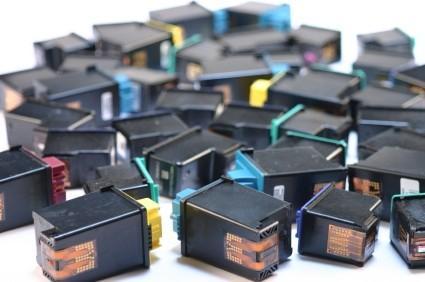
As we already have done an investment at the beginning of the question, we can not make another one. - 24-Can you tell me where I can buy ink for the printer? -Do you know how much it costs? -He asked me why I wanted to work for their company.
- 25OPENING PHRASES USED IN INDIRECT QUESTIONS.The most common phrases used for indirect speech are the following:
-Could you tell me…
-Do you know…
-Would it be possible…
-Is there any chance… - 26"Can you tell me what she is doing? I wonder if / whether you see Mark? Do you know how much the shirt is?

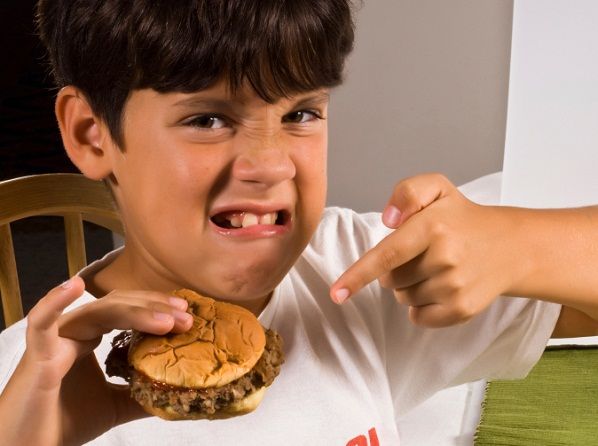
- 27ADJECTIVES ENDING ED / ING.Adjectives that end ‘-ed’ describe emotions – they tell us how people feel about something.
Adjectives that end ‘-ing’ describe the thing that causes the emotion – a boring lesson makes you feel bored. - 28ED. -I was very bored in the maths lesson. I almost falt asleep. -He was surprised to see Helen. She’d told him she was going to Australia. -Feeling tired and depressed, he went to bed.

- 29ING. -Have you seen that film? It’s absolutely terrifying. -I could listen to him for hours. He’s one of the most interesting people I’ve ever met. -I can’t eat this! It’s disgusting! What is it?
- 30HAVE / GET SOMETHING DONE.Have something done and Get something done are both used to refer to actions which are done for the subject rather than by the subject.
These are formally called Causative verbs and are used instead of passive verbs to show that the subject causes the action to be done.
They indicate that one thing or person causes another thing or person to do something or be something. - 31-Have something done (give someone the responsibility to do something) I’m having my car repaired at the garage round the corner. -I had John fix the car. -I had my hair cut.

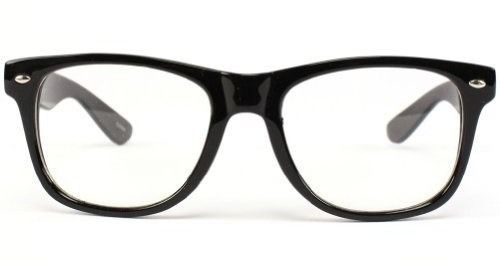
- 32-Get something done (convince or trick someone into doing something) -I really must get my eyes tested. I’m sure I need glasses. -He got the mechanic to repair the machine. -She got him to read more.
- 33HAVE / GET + INDIRECT OBJECT.The indirect object of a sentence is the recipient of the direct object. Every sentence must contain a verb. Most verbs have a direct object (the thing being acted upon).
- 34-Subject + get + complement + verb in infinitive form + complement. -Subject + have + complement + verb in base form + complement.-We use “get” when we want someone to do something.
-We use “have” when we want someone do something. - 35-I’m going to have my mother look for my old family pictures. -You may get Sam to talk to you about her problem.

- 36SAY AND TELL.There are some rules which indicate the use of one or the other, although in general we use "say" to "say something" and "tell" to "say something to someone."
- 37Use "said" to speak in general about something that has been said by someone. "Said" is often used to report what someone else has said, it refers to any type of speech, therefore, it is more general in nature.Use "told" to express that someone has instructed or informed someone else about something. "Told" is often used to report what someone else has told to a specific person and it is always followed by an indirect object. The infinitive form is often used following the construction to indicate instructions.
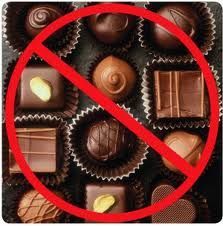
- 38Francis said she didn't like chocolate.Derek and Melissa told everybody that they were engaged to be married.

- 39REPORTED SPEECH.Use reported speech to talk about what another person said, asked, ordered in the past.
- 40Present Simple -----------------Past Simple. Present Continuous-----Past Continuous. Present Perfect------------------Past Perfect. Past Simple------------------ Present Perfect. Past Perfect remains in Past Perfect. Future Simple ---------------Would Infinitivo.When the indirect style is used, the verbal time changes. Here is an explanation of the changes in verbal tenses.
Sometimes "that" is used in affirmative and negative sentences to introduce what the other person has said. On the other hand, in the interrogative sentences can be used "if" or "whether". - 41can changes to could “I can come to the meeting.” You said that you could come to the meeting.

- 42REPORTED QUESTIONS.A request is when somebody asks you to do something – usually politely. Reported requests are one form of reported speech.
- 43ask + noun + to infinitive pronoun.Where
"Where can we go tonight?" → She asked where they could go that night
When
"When did they go to India?" → He asked when they have gone to India
Who
"Who told you that?" → He asked me who have told me that
How
"How old are the twins?" → He asked how old the twins were - 44Why "Why did Carla leave so early?" → He asked why Carla has left so early Which "Which skirt did you choose?" → She asked me which skirt I have chosen Whose "Whose dog is missing?" → He asked whose dog was missing Yes-no questions "Are these your glasses?" → He asked me if those were my glasses "Isn't that Jen's boyfriend?" → She asked me if that wasn't Jen's boyfriendJohn: "What are you looking for?"
John: "¿Qué estás buscando?"
He asked me what I was looking for
Él me preguntó qué estaba buscando.
- 45CONDITIONALS.Conditionals are statements that use a combination of verb tenses to indicate possibilities, habits, generalities, or imaginary situations. Throughout your years of studying English, you will depend your knowledge and understand the different usages of the varieties of conditionals.
- 46-zero General truths Simple present >Simple present If you heat water, it boils. 1 Possibility Simple present >Simple future If you exercise, you will be healthy. -2 Hypothetical situation Simple past >Present conditional or present continuous If you spoke English, you would travel all over the world with no problem. -3 Past condition and probable result Past perfect >Perfect conditional If she had accepted the role, she would have become a successful actress.Used when a situation is real or possible.
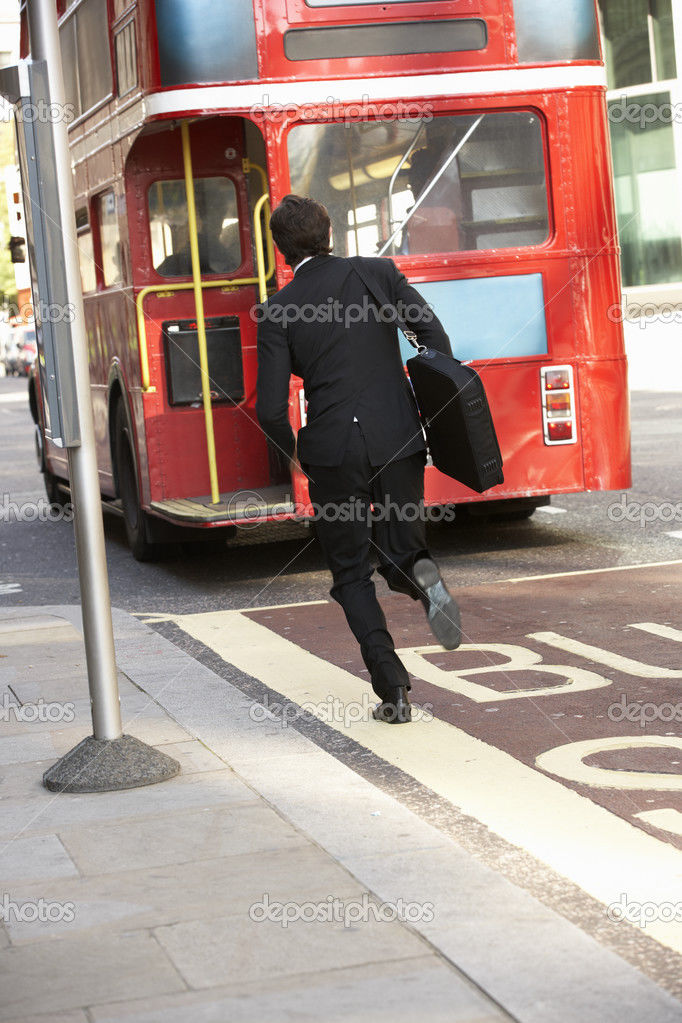
- 47-If you heat water, it boils. -If you exercise, you will be healthy. -If you spoke English, you would travel all over the world with no problem. -If Mathew had woken up earlier, he wouldn’t have missed the bus.
- 48HOPE AND WISH.Hope
It is used when there is a possibility that something will happen, and it shows our intentions towards the future
Wish
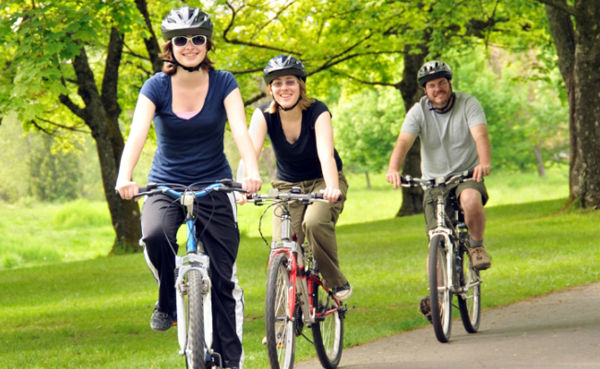
When you want something to happen, even though you know it may be somewhat improbable "and in imagined and not real situations. - 49I wish I were rich and travel around the world. I wish I could travel all over the world for one year.I hope it´s a nice day on Sunday to go for a bike ride.
We hope you get better soon.
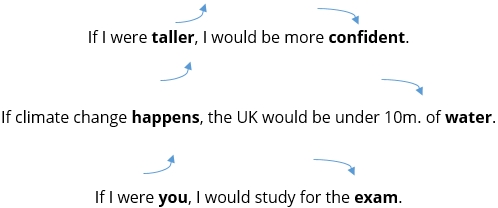
- 50PRONUNCIATION IF- CLAUSES.Considering that in all clauses you must have two sentences, the pronunciation of each sentence is important, so you must emphasize the two sentences according to the ending part.
- 51The ending of the if clause, must be stressed and the intonation should go up, this is called “raising intonation” and the ending of the second sentence should also be emphasized but the intonation then goes down, this is called “falling intonation.”
- 52MODALS OF DEDUCTION (MIGHT, MUST, COULD, CAN'T)We use modals of deductions to explain something through how sure we are of something, in other words is looking at all the evidence and using reasoning and your logic to try to figure out what the truth is, something we are not a hundred percent sure.
- 53Certainty (positive) We use it when we are sure that something is true because of the evidence we have. -must-Possibility
We use them when we think something is possible, but we are not sure.
-might-
-may-
-could- - 54Certainty (negative) We use it when we are sure that something is not true because of the evidence we have. -can´t--He must be sick.
-He might/ may/ could have the flu.
-He can´t be feeling good.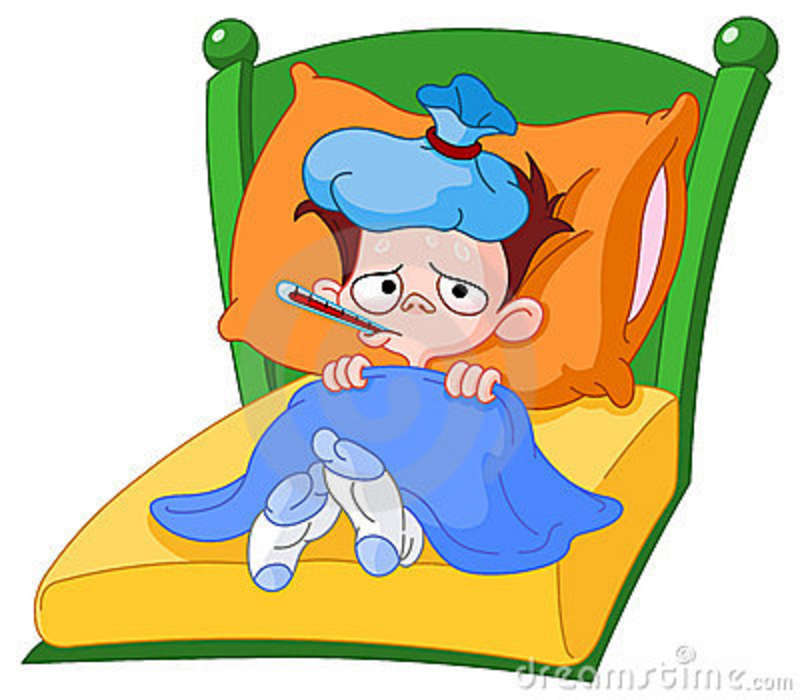
- 55TAG QUESTIONS.It's an informal short questions used to confirm anything said before.
- 56Affirmative statement = Negative statement + ? Negative statement = Affirmative statement + ?-When you are not sure if something is true, so you want to check. In this case, your voice should rise when you say the question tag.
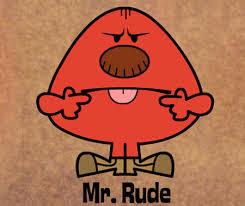
-When you know something is true. You want to include/involve another person in the conversation. In this case, your voice should fall when you say the tag. It does not sound like a question. - 57She has been very rude, hasn't she? It isn't very cool, is it?
- 58ADJECTIVES FUL/ LESS.When we want to qualify a noun in a extreme form.
- 59Adjetive + ful / lessSpecifically talking about –ful and –less, we may have words like nouns or verbs and make them appear as adjectives, but remember, use -ful only with one “l” as a suffix.
- 60Beauty / beautiful Use /useful - useless Home / homeless Wonder / wonderful Hope /hopeful - hopeless Power/ powerful Success/ successful Price / priceless End/ endless

- 61PAST PERFECT.-Refers to an action that started some time in the past and we have all ready finished.
- 62Subject + had +past participle.-Describes an action taking place before another in the past.
- 63-I had already eaten when he invited me to dinner.
- 64VERB + GERUND / INFINITIVEIt is a phrasal verb expressed by using two verbs, the first in simple form and the following one either in gerund or infinitive.
- 65Verb in simple form + verb in ing. or Verb in simple form + infinitive form of the verb.-He stopped smoking.
-He stopped to rest for a few minutes.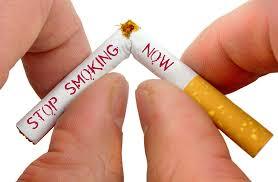
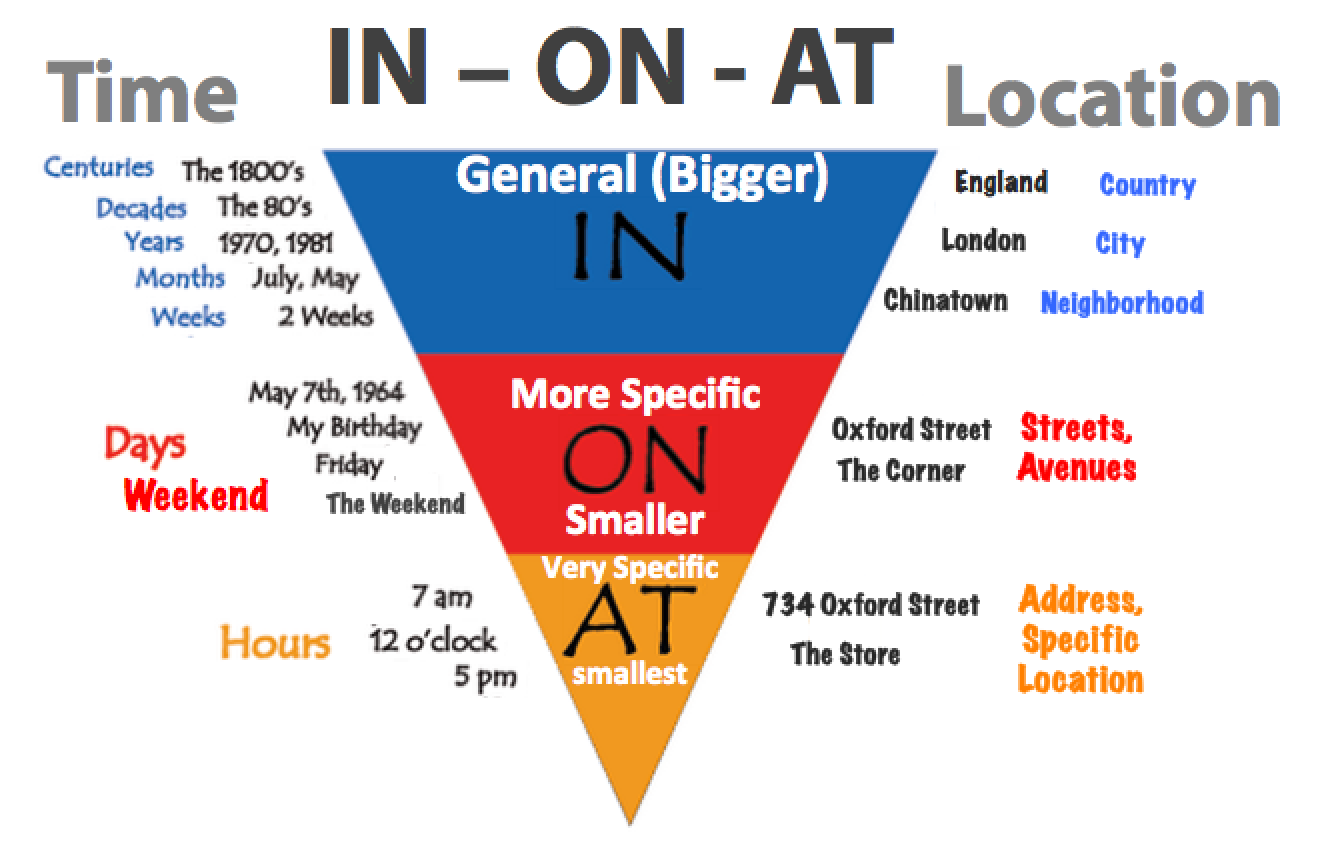
- 66TIME EXPRESSIONS.There are many words and expressions to refer to time. You can use these to sequence events and to make stories and anecdotes more interesting.
- 67-AT- noon noon yesterday noon tomorrow night three o' clock the weekend present the same time Christmas-ON-
Wednesday
Sunday
Wednesday Morning
Wednesday afternoon
Sunday evening
The weekend
Tuesday night
The 3rd of July
The 24th of May - 68-IN- July The summer 1992 The winter The morning The afternoon The past The future The present
- 69GERUND / INFINITIVEIt is a phrasal verb expressed by using two verbs, the first in simple form and the following one either in gerund or infinitive.
- 70Verb in simple form + verb in ing. or Verb in simple form + infinitive form of the verb.-He stopped smoking.
-He stopped to rest for a few minutes. - 71SUFFIXES AND PREFIXES.Prefixes and suffixes are sets of letters that are added to the beginning or end of another word. They are not words in their own right and cannot stand on their own in a sentence: if they are printed on their own they have a hyphen before or after them.
- 72Prefixes Prefixes are added to the beginning of an existing word in order to create a new word with a different meaning.Suffixes
Suffixes are added to the end of an existing word. - 73-PREFIXES- WORD PREFIX NEW WORD happy un- unhappy cultural multi- multicultural work over- overwork space cyber- cyberspace market super- supermarketWORD SUFFIX NEW WORD
child -ish childish
work -er worker
taste -less tasteless
idol -ize/-ise idolize/idolise
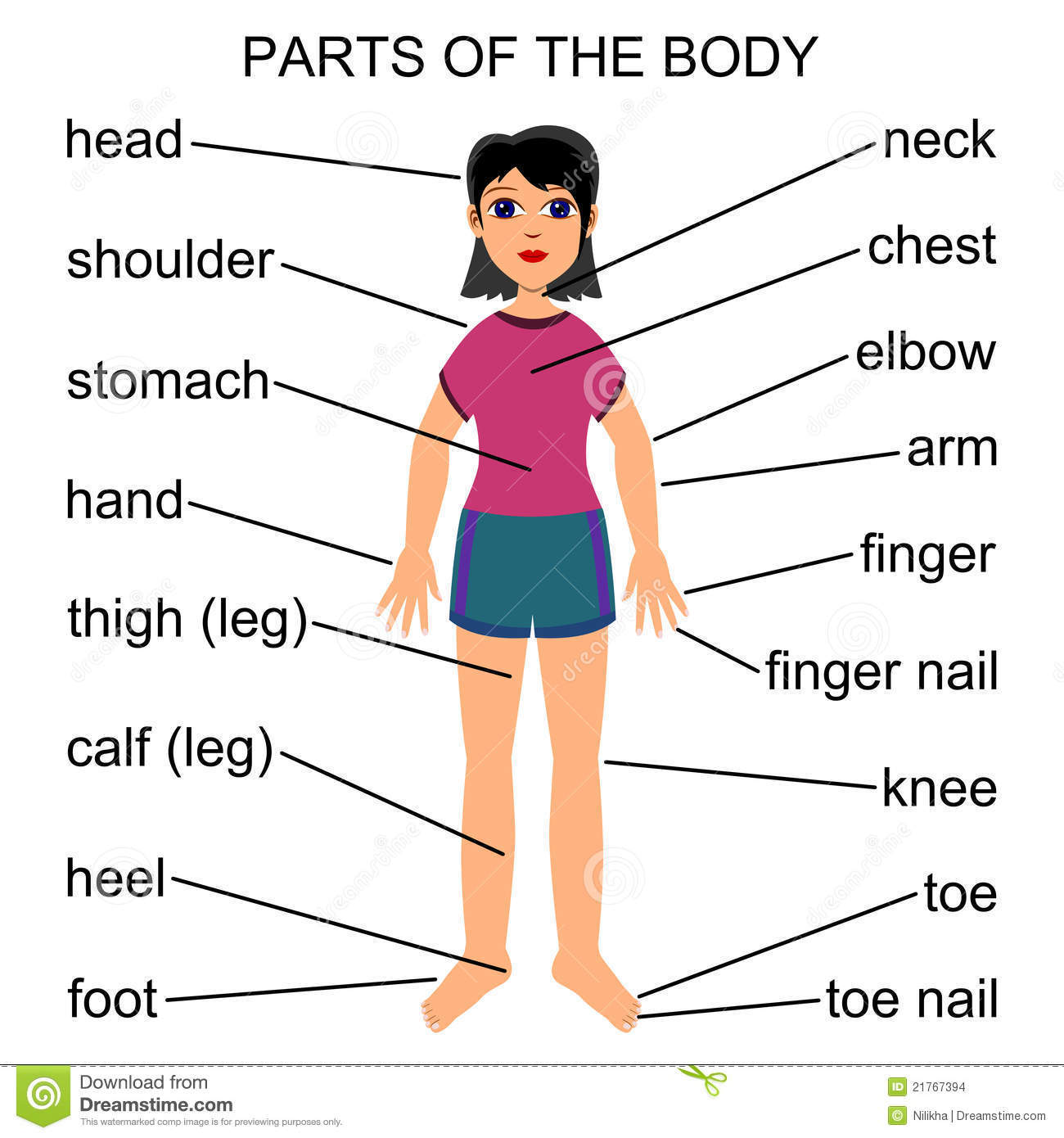
like -able likeable - 74PARTS OF THE BODY.The Skeleton is divided en two main parts, one of them is formed by skull with 28 bones and the torso with 52 bones, and it is called the Axial Skeleton. The second part is called the Appendicular Skeleton and it is formed by the Upper and Lower extremities. The upper extremity has 32 paired bones and the Lower one has only 31 paired bones which in total it makes 126 bones in the Appendicular Skeleton which, added to the 80 bones of the Axial Skeleton, form the human body.
- 75- Brain: It can be said that this is the main organ because it has a nervous system which controls all the body. It has three main parts: the Cerebrum, Cerebellum and Brain Stem. -Heart: This organ pumps blood to all your body; you must consider that having a well-cared heart, you could live healthy. The heart has a range of 72 beats per minute, this help your body function properly, -Spleen: It is a vascular organ which helps you maintain the blood in good conditions for the correct function ofy our body.- Lungs: The Lungs are part of the system called the Respiratory System which is relevant to help you breath. When the lungs don´t work properly diseases like asthma may cause difficulty on breathing, it means that the air doesn´t run properly in and out the lungs, as a consequence a person may stop breathing and die.
-Intestines: Your body has two types of intestine, the small intestine, which is the longest part of the digestive system and absorbs the nutrients from the food to send them to the bloodstream; - 76-Stomach: It receives all what you eat and drink, that's why you need to be selective with the food that will make you feel good and healthy. -Kidney:It is in charge of controlling the blood pressure including the production of red blood cells. -Pancreas: It is in charge of two main processes, the regulation of blood sugar and the dig. -Urinary bladder: It helps you remove urine from your body in order to avoid any toxins you may have and keep your body clean and healthy.
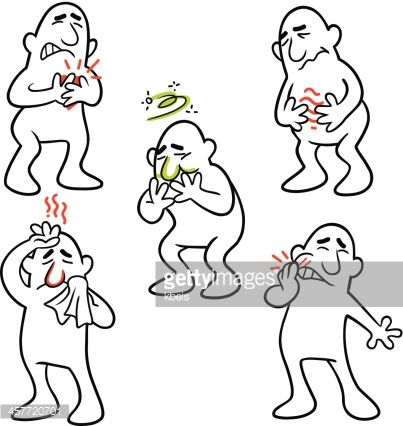
- 77HEALTH PROBLEMS.Even kids can have health problems. Some problems are serious - and some are not so serious. You can get all the info you need about health problems like cancer, asthma, muscular dystrophy, and more.
- 78-Breaking your leg: It is one of the most serious injuries you may suffer, it really hurts and when it happens, your leg needs to be splinted and you must immediately see an orthopedic surgeon because, for some fractures, a surgery will be the only option, especially for open fractures which are the ones that break the skin. -Spraining your ankle:It is usually caused by a sudden overstretching of your ligament. The degree of the damage may be detected by a Magnetic Resonance Imaging, it could be from a minor stretching up to a broken ligament along with a bone, then you will require a surgery.-Hurting your shoulder: You may suffer a separation of your shoulder, it is a ligament sprain and you will need to wear protective padding to control the pain, however if it is a sever ligament tear, you may need a surgery.
-Injuring your back: A back pain could be a sign on ligament sprain or a muscle strain, you can recover from it using ice treatment, compression and rest, but if this simple treatment does not reduce the pain, it is recommended to visit a doctor, an orthopedic specialist for a deeper evaluation. - 79-Cutting your finger: When this happens, you must identify the severity of the cut so as to know how to treat it. -Burning yourself: Burns are sometimes very painful. The burns are classified by degrees. A first degree burn is very common, it is a result of a brief contact with hot things, and your skin gets red, it means only the first layer was damaged.
- 80WISH FOR REGRETS.To regret means that we now feel sorry for something which happened (or didn’t happen) in the past.
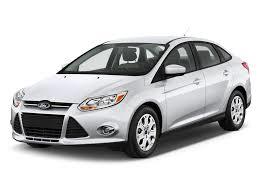
- 81I wish I spoke Arabic (I am sorry that I don't speak Arabic) I wish (present) I spoke (past)
- 82I wish he had a car (I am sorry he hasn't got a car) I wish (present) he had (past)
- 83IT'S + ADJECTIVE + INFINITIVE.This expression emphasizes information by bringing it to the front of the clause.
- 84It's difficult > to guess what will happen. It's hard> to know when a rat will get loose. It's impossible> to do this project in 24 hours It's important>to take a break twice a day. It's possible> to work on your own project. It's exciting> to be here. It's likely> to get cold in the laboratory.-IT + linking verb + adjective + TO-infinitive.
-Noun + linking verb + adjective + TO-infinitive.
-IT + linking verb + adjective + noun + TO-infinitive.
-IT + linking verb + adjective + FOR something/somebody + TO-infinitive.
-IT + linking verb + adjective + OF somebody + TO-infinitive. - 85-It was difficult to answer the question. -A good translator is hard to find. -It's a big house to clean. -It is very kind of you to come with me to the embassy. -It was stupid of him to press the emergency button.

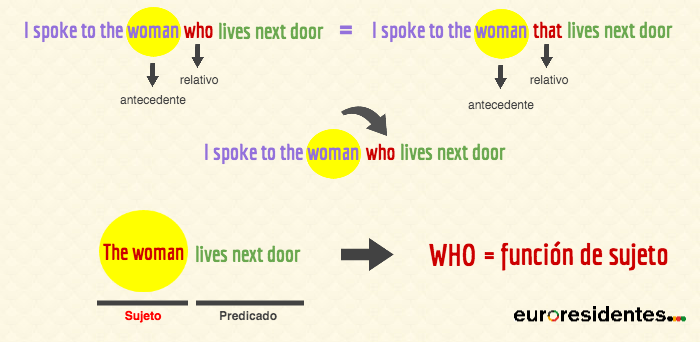
- 86SUBJECT RELATIVE CLAUSES.Relative clauses usually help to connect two separate ideas in order to have only one sentence.
- 87who - to add information about people. which - to add information about things. that - to add information about people or things.A subject relative clause describes the subject of a sentence. It comes after the noun that gives extra information.
- 88-He’s the actor who is also singing on that movie. -They are the persons that are acting as extras in the same move. -This is the total amount which is going to be used for the new mall. -The new machine is the one that will process more wine this year. -They play the guitar in a band which is performing in the new bar.
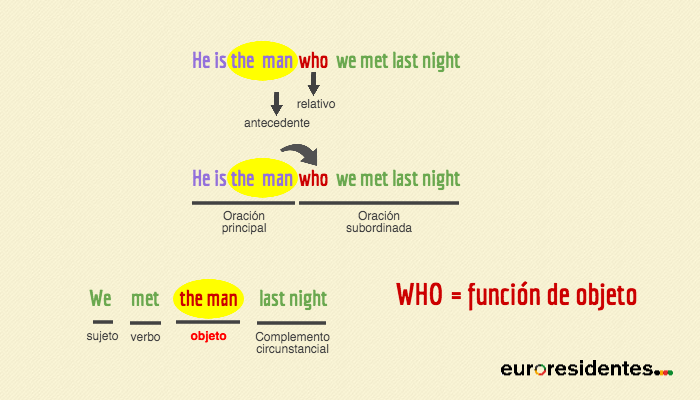
- 89OBJECT RELATIVE CLAUSES.Relative clauses usually help to connect two separate ideas in order to have only one sentence.
- 90who - people which - things that - people, things, animals where - placesAn object relative clause describes the object of a verb and it also includes one of the following relative pronouns.
- 91-This is the man who I really love. -What if someone that you care about causes you a serious problem? -I wonder if she could wear the ring which you gave her. -This is not the book that I read last week. -She couldn't bring the car which she bought in Korea.
- 92RELATIVE PRONOUNS.We use relative pronouns to refer to a noun (a person or a thing) mentioned above and to which we want to add more information or modify.
- 93The relative pronoun is found instead of a noun. This noun usually appears earlier in the sentence.-that
-which
-whom
-who
-whoever
-whomever
-whichever - 94-The person who controls the entrance of the theatre is my uncle. -Whoever called my phone, will call me back later. -The chicken which was put in the oven needs some vegetables. -I will read whichever book I get from you.

- 95SHOULD / SHOULDN'TThis word is called a Modal and it is commonly used to make suggestions, to tell that something suggested is true in the future, to give advices or opinions, and to talk about an obligation.
- 96: subject+ should + infinitive without to-Give and ask for advice.
-When we want to indicate that something is or is not right.
-Para criticar acciones del pasado.
-Make suggestions politely when we do not know the answer. - 97-You should go to the doctor. -If I were you, I should complain to the manager. -She should be nervous about it. -You should be at the office already.

- 98WAS / WERE GOING TO.This structure is used to indicate that a planned action couldn´t take place because another event took place instead. In other words, a failed plan.
The structure is very similar to a normal Idiomatic future, but in this case the verb to be must be in past tense. - 99Was/were + going to + verb.It can be used to be going to express that we intended to do something we did not do. The verb to be is written in the past according to the subject.
- 100- I was going to see you tomorrow. -He was going to visit her next week. -They were going to eat out tonight. -She was going to leave for Europe on Monday.
- 101PARTS OF GRAPH.A graph must have all of its parts to be complete. Let your eyes and brain work together to help you learn the parts of a graph.
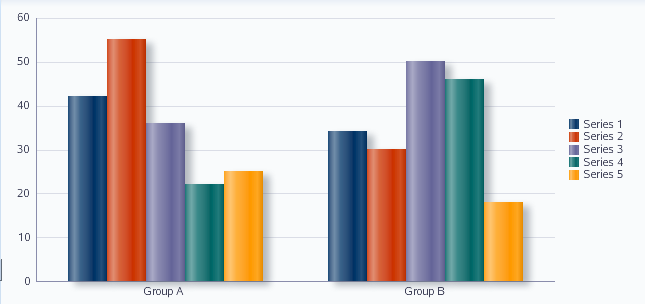
- 102Bar graph A bar graph uses a bar to show data. Four (4) parts of the bar graph must be present for the graph to be complete. Title -a few key words that explain what the graph is about. Label- both, the side and the bottom tell what kind of data is shown. Scale -group of numbers that show the units used. Bar- group of rulers that measure the data numbe
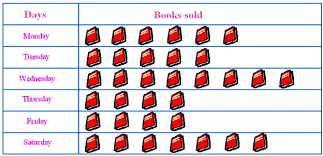
- 103Pictograph A pictograph uses pictures or symbols to show data. Four (4) parts of the pictograph must be present for the graph to be complete. Title- a few key words that explain what the graph is about. Label- tells what kind of data is shown. Symbol -picture that stands of a given number of objects. Key -tells how many each symbol stands for.
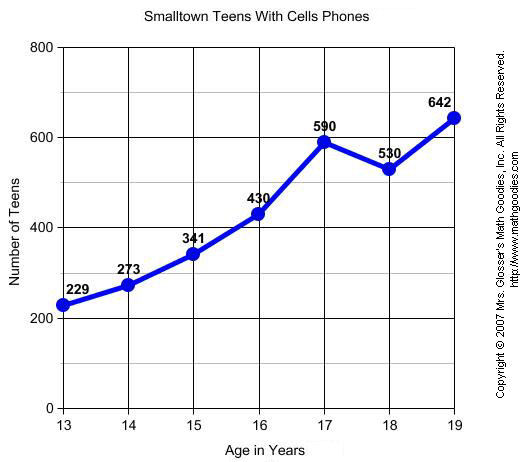
- 104Line graph A line graph uses points connected by a line to show data. Five (5) parts of the line graph must be present for the graph to be complete. Title -a few key words that explain what the graph is about. Scale -group of numbers that show the units used. Label-tells what kind of data is shown. Point -shows data. Line- links the points.
- 105Circle graph A circle graph uses a circle divided into fractions to show data. Three (3) parts of the circle graph must be present for the graph to be complete. Title -a few key words that explain what the graph is about. Key -tells what the fractional parts of the circle stand for. Circle -cut into fractions that are pie shaped.
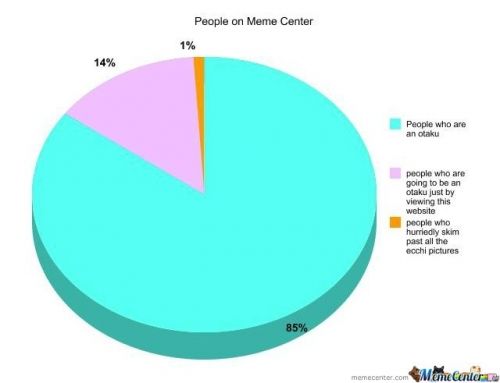
- 106Histogram A histogram is a special kind of bar graph that uses data shown as numbers in order. Four (4) parts of the histogram must be present for the graph to be complete. Title -a few key words that explain what the graph is about. Label- both, the side and the bottom tell what kind of data is shown. Scale -group of numbers that show the units used. Bar -column that shows the data.

- 107GERUND AND PHRASES AS SUBJECTS AND OBJECTS.A phrase is a group of words that make sense, but only partially, it will make complete sense only when it is joined to a sentence.
A gerund is a verb ending in –ing and is used as a verbal noun. It makes the function of both, nouns and verbs. A gerund can be used both as an object or a subject of a sentence. - 108A gerund phrase is a group of words that consist of: Gerund + objects + modifiers.Gerund phrases as subjects usually refer to the activities performed.
Reading books in our free time is a good habit.
Gerund phrases as objects express attitudes about activities performed.
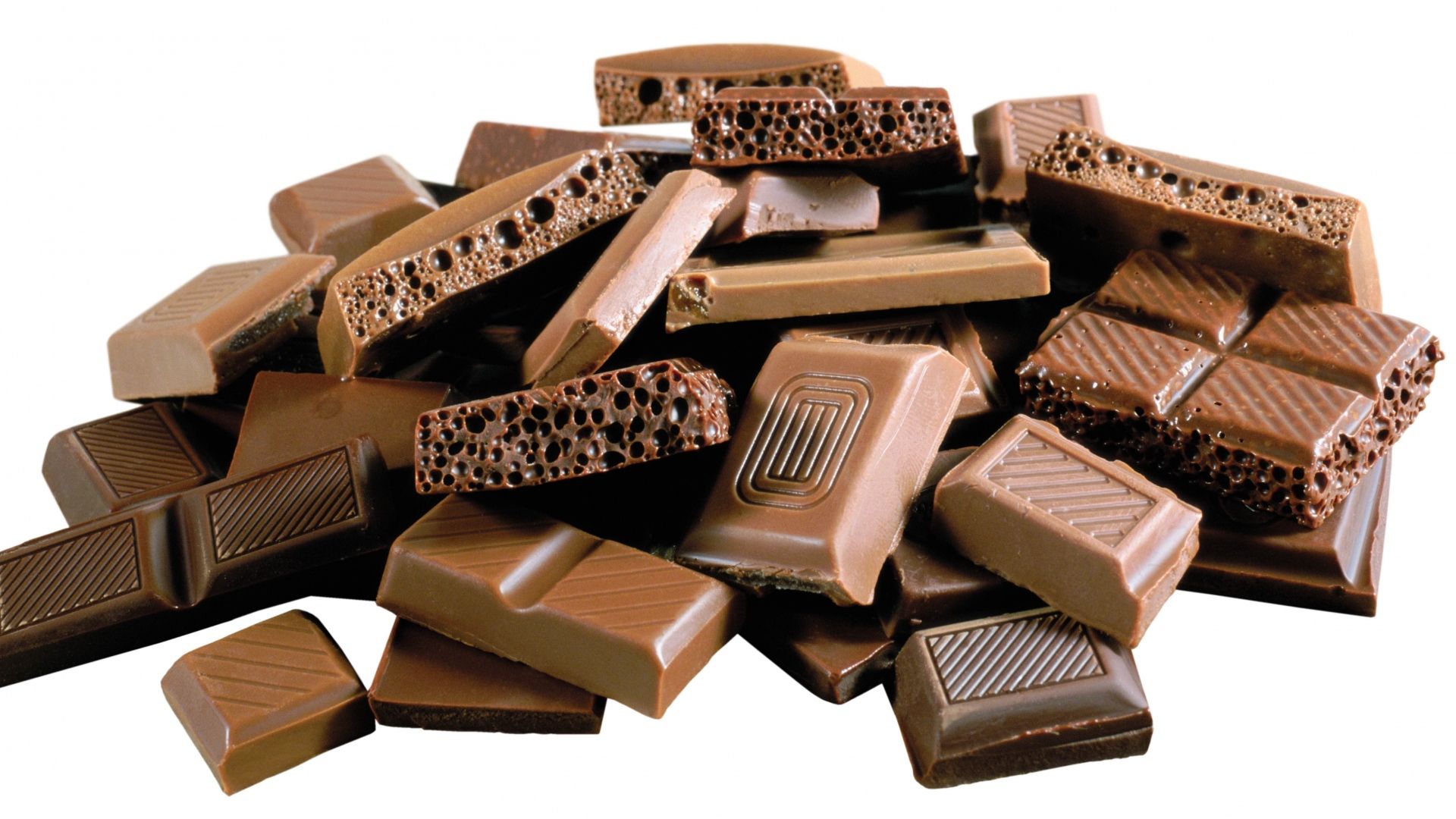
Julie loves playing word games with her friends. - 109Subject: Finding my friends in this crowd would be a very difficult task. Eating chocolates on a regular basis can spoil your teeth.
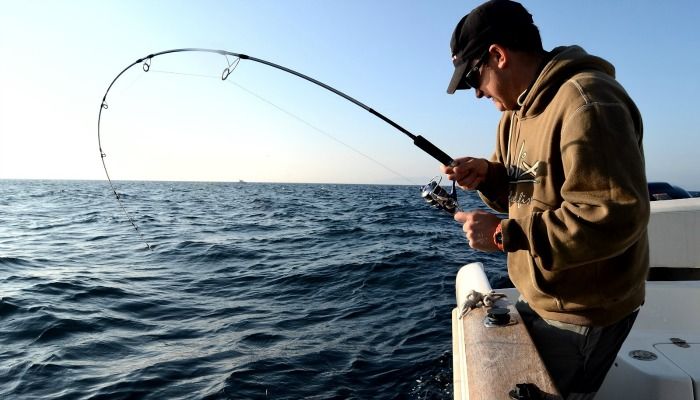
- 110Object: Louis enjoys helping her mother in the kitchen. The man loves fishing in the new lake near his house.
- 111SEPARABLE PHRASAL VERBS.Phrasal verbs are mainly used in spoken English and in informal texts. The more formal a conversation or text is, the fewer phrasal verbs are found.
Phrasal verbs consist of a verb + a preposition. This proposition can change the meaning of the verb completely. - 112Separable phrasal verbs consist of two parts. They always require an object and they are often used especially in informal spoken English. The meaning of phrasal verbs is often completely different from the meaning of the verb alone.- The object of a phrasal verb can go either between the verb and the preposition or after the preposition.
Examples: I handed in my homework.
I handed my homework in.
-If the object of the sentence is a pronoun, it must go between the two parts of the phrasal verb.
Example: I handed it in NOT I handed in it. - 113-Write down = note I wrote Sally’s phone number down on a piece of paper. -Make up = invent Henry likes to make stories up about dinosaurs. -Take back = return This shirt is too small. I’m going to take it back to the shop.

- 114NON - SEPARABLE PHRASAL VERBS.In the case of non separable phrasal verbs, an object is sometimes needed but in some other cases it may be absent in the sentence. Another important thing to consider is that sometimes the phrasal verbs include three words as components.
- 115Stand up Stand on your feet Take off Leave the ground Make up Retake a relationshipLook after someone-Take care of a person
Look into something-Investigate about a thing
See to something -Do, organize or prepare. - 116-Don´t worry, I´ll take after your grandma while you go to the party. -What is “The Koran”? I need to look into it. -There will be an important meeting tomorrow, I will see to it in the morning.
- 117MOST COMMON PHRASAL VERBSbreak down = fail to function
break out = escape from prison
break up = end a relationship
get across = communicate
get away = escape
get in = enter (car, taxi)
get off = disembark (bus, train, ship)
get on = enter (bus, train, ship)
get out = disembark (car, taxi)
get up = rise from bed after sleeping - 118bring about = cause to happen bring on = cause to appear bring up = educate a child call back = return a phone call call for = require call up = reach by phone go away = depart go on = continue go out = leave the house, strike go over = inspect the details of something carry away = remove carry on = continue carry out = accomplishlook after = take care of
look for = seek
look up = consult a reference book
come after = follow
come back = return
come by = visit
come in = enter
set down = write down
set off = cause to explode
set up = start business
turn down = reject
turn off = switch off
turn on = switch on
turn over = bring the reverse side up
Informationen
- Beschreibung
- Primero Inglés Karteikarten am EVIDENCIA INGLES, erstellt von Xime Mora am 26/04/2017.
- Erstellt von
- Xime Mora · Apr 2017
- Aktualisiert
- 6 Apr 2018
- Aufrufe
- 11
- Bewertung