Karteikarten
plagiarsm
Karten in diesem Stapel (25)
- 1—Plagiarism:
The text is to use or copy the work or ideas of an author and
make them yours without authorization. - 2—Copy and paste:
This is one of the most common forms of plagiarism and is the style used by plagiarists. However, even honest writers make this mistake by not referencing the original material or by doing it improperly.
- 3—Change words :
This form of plagiarism is a variant of copying and pasting. The concept of using the words of another author without citing it properly remains the same except that certain words are added or replaced in the sentence.
- 4—Style:
Princeton University indicates that even if an article is paraphrased enough to the point where the original text cannot be found, it should still be considered plagiarism.
- 5—Plagiarism of ideas:
The main idea behind a writing belongs to the author and must be accredited as such. However, some students may confuse the idea of the author with their own knowledge.
- 6—Copyright:
Copyright is an established legal term that describes and determines the rights of creators or authors over their literary or artistic works, products and services, whether cultural, technological or commercial.
- 7—Author:
Person who has made a scientific, literary or artistic work.
- 8—References:
Reference or mention a person or his words in support or confirmation of what is said quoted an article by an American author.
- 9—Bibliography
Set of references about publications.
- 10—Research:
To engage in or perform research.
- 11—Format:
The way in which something is arranged or set out.
The shape, size, and presentation of a book or newspaper.
- 12—Copy:
Write the same thing that is written or printed elsewhere or what someone is dictating or saying.
- 13—Paste:
Enter in a text information of another article already copied before.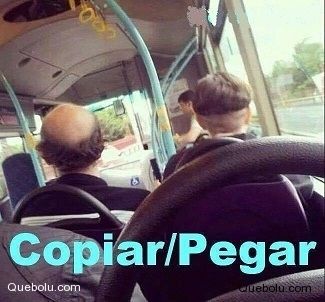
- 14—Steal:
Remove a person something that belongs to him for profit, through violence or intimidation or using force.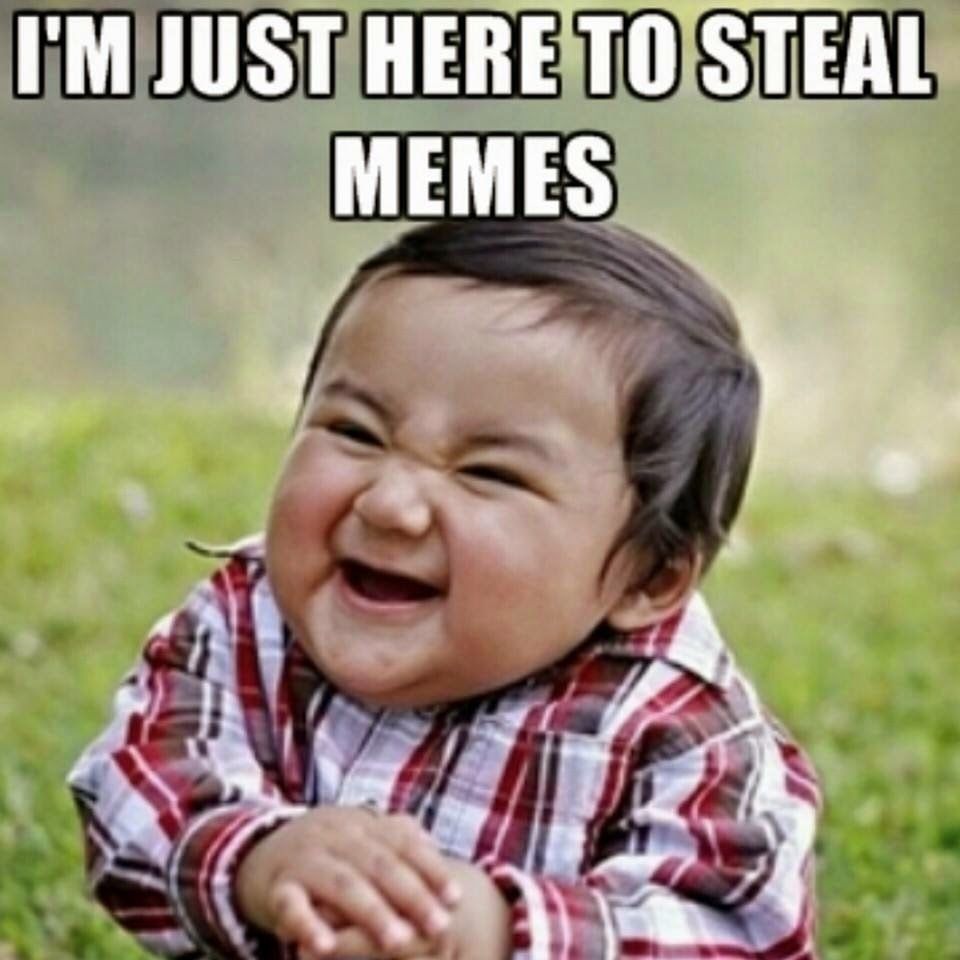
- 15—Text:
Set of statements that make up a written document
- 16—Self-plagiarism:
Is the use of one's own previous work in another context without citing that it was used previously. The idea is that the writer should let the reader know that this was not the first use of the material.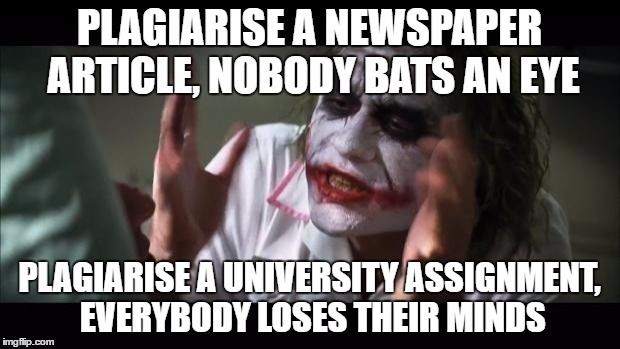
- 17—Moral rights:
Moral rights are rights of creators of copyrighted works generally recognized in civil law jurisdictions and, to a lesser extent, in some common law jurisdictions.
- 18—Types of plagiarism:
Visual works
fashion
Music and entertainment
Academy
- 19—Crime:
Action that goes against what is established by law and that is punished by her with a serious penalty.
- 20—Right of disclosure:
Decide if the work may be disclosed and in what form (right of disclosure)
- 21—Right of integrity:
Faculty to prevent any deformation of the work that may impair the honor and reputation of the author
- 22—Right of repentance
Right that an author must withdraw his work.
- 23—Right of reproduction
Right that the author has to obtain economic benefits from the reproductions made to his product.
If there is no consent from the author it is illegal.
- 24—Distribution right
Making available to the public the original or copies of the work
- 25—Public communication law:
The act by which a group of people can have access to the work without prior authorization.