
Karteikarten
English Project
Karten in diesem Stapel (17)
- 1ENGLISH PROJECTTeacher: María Guadalupe Silva
Team of: Michelle Dominic
María José Arellano
Alexa García
Erika Alexandra
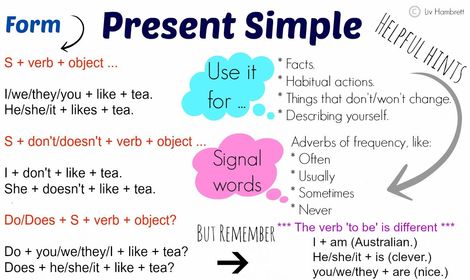
- 2SIMPLE PRESENTUse the simple present with routines, habits or schedules.
Example: They always play with the dog.
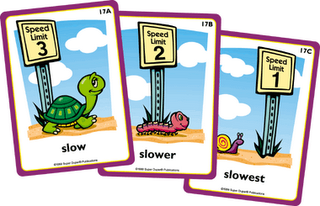
- 3COMPARATIVES ADJETIVESSentences example:
She is more intelligent than me.
The gepard is faster than the lino.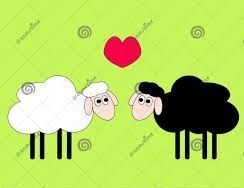
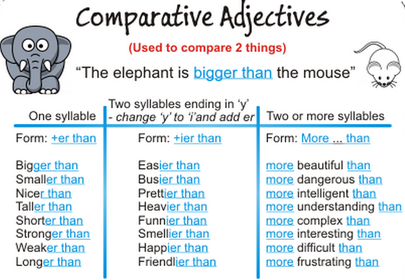
- 4SUPERLATIVESUse the superlatives to compare a thing, people or animal with anothers.
EXAMPLE: He is the tallest in the salon class.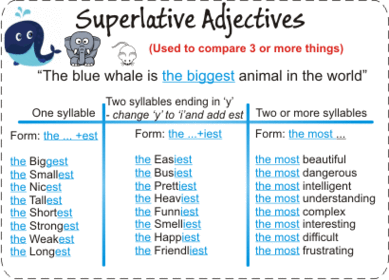
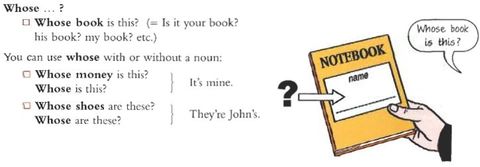
- 5—You use WHOSE to indicate ownership.
EXAMPLE: Whose notebook is it?
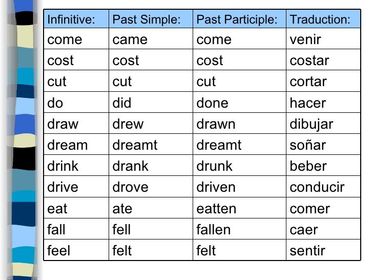
- 6INFINITIVE FORMBasic form of the verb
EXAMPLE : I bought a patch to stop smoking.
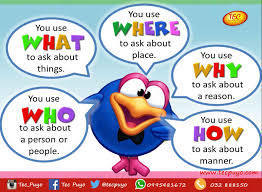
- 7Question wordsWH-Question Words are interrogative particles that we use to ask questions in English. Are written in a very similar way [starting with wh- (.who, where) or containing wh (HoW)]. These are:
WHO, WHOSE, WHAT, WHICH, WHERE, WHEN, WHY, HOW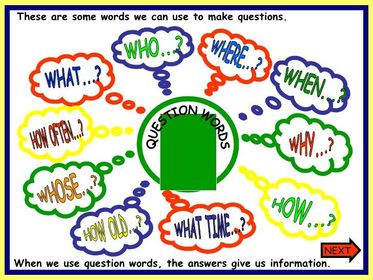
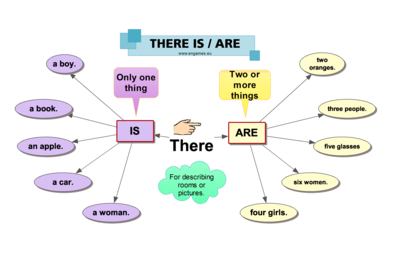
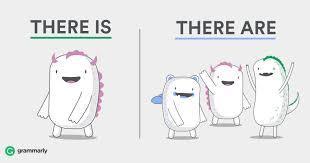
- 8THERE IS and THERE AREThere is" and "There are" they mean "Hay" in Spanish. "There's" is singular and "There are" is plural. There is a book. There are books.
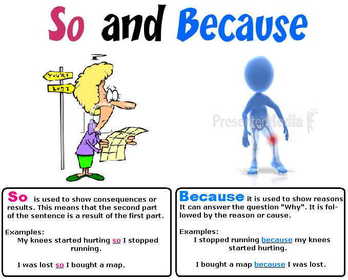
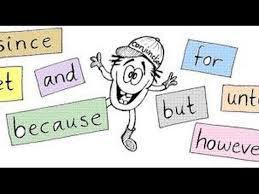
- 9SO and BECAUSEIt uses "because" and "so" to unite different ideas or concepts. "Because" expresses cause and "so" in consequence of something.
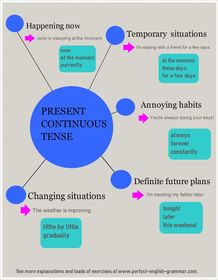
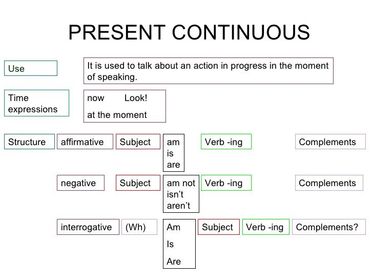
- 10Present ProgressiveUse the present progressive to express the idea that something is happening now.
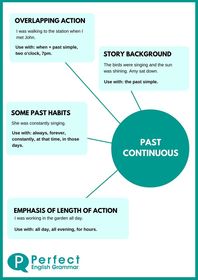
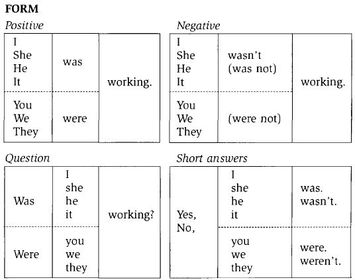
- 11PAST PROGRESSIVEFor actions that was happening at a specific point of time.
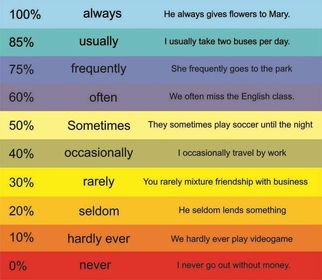
- 12ADVERBS OF FRECUENCYAdverbs of frequency are often used to indicate routine, habits or activities.
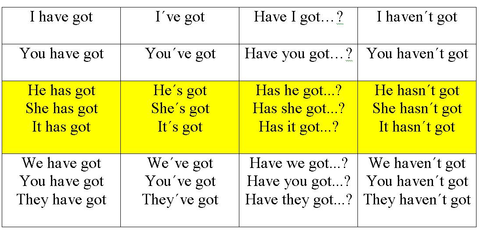
- 13HAVE / HAS HAVE GOT / HAS GOTHave= I, YOU, WE, THEY
Has= HE, SHE , IT (POSSESIONS)
Have got= I, YOU, WE, THEY
Has got= HE, SHE, IT (PHYSICAL DESCRIPTION)
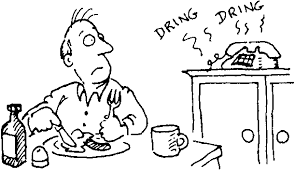
- 14While and WhenWe use when and while to talk about two things that are happening at the same time
Example:"The telephone rings while i breakfast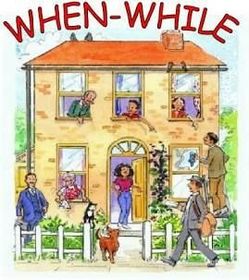
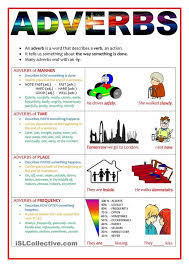
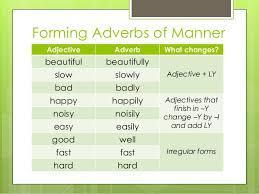
- 15Adverbs Of ManerAdverbs of manner tell us how something happens. They are usually placed either after the main verb or after the object.
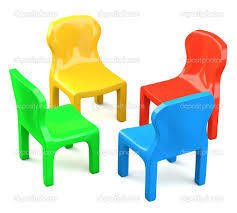
- 16Quantitativesmeans relating to different sizes or amounts of things.l
Example:There are more than 2 chairs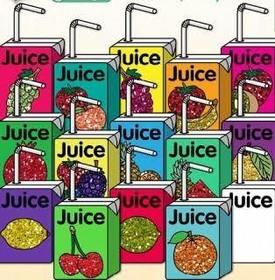
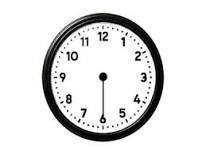
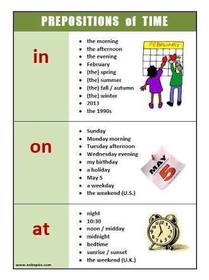
- 17Prepositions Of TimePrepositions of time - here's a list of the time words that need 'on', 'in', 'at' and some that don't need any preposition.
Informationen
- Beschreibung
- Segundo Inglés Karteikarten am English Project, erstellt von Majo Arellano am 01/04/2017.
- Erstellt von
- Majo Arellano
- Aufrufe
- 14
- Bewertung