
Mindmap
Benign prostatic hyperplasia
Inhalt der Mindmap
Benign prostatic hyperplasia
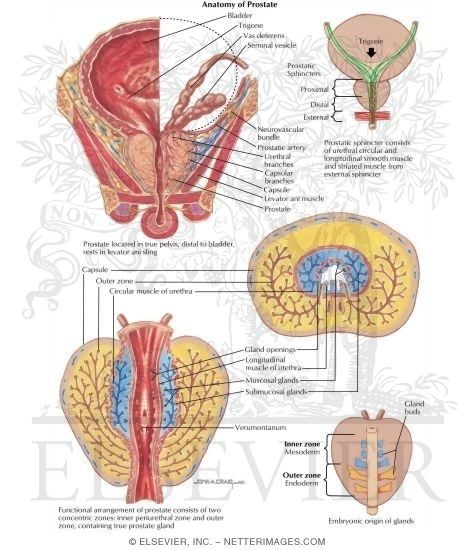
Anatomy of prostate
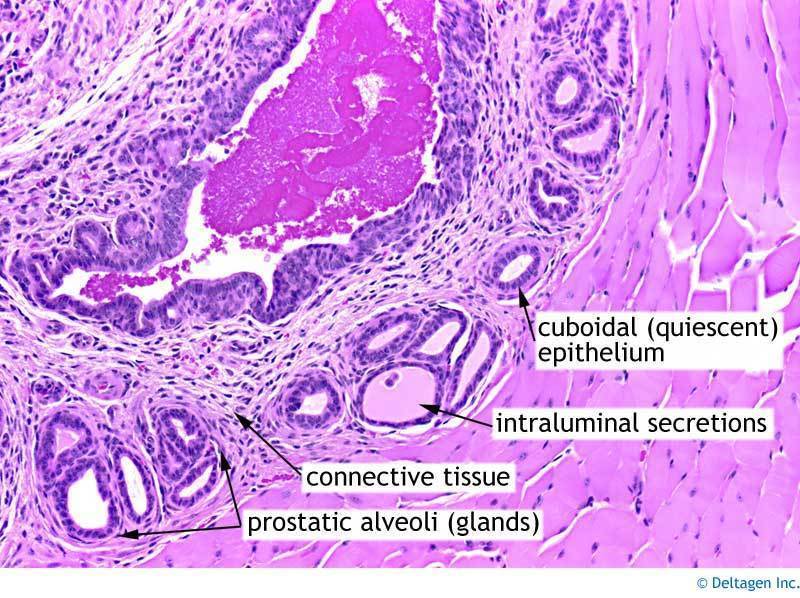
Histology of prostate
Development of prostate
- prostate arises from a budding collection of tissue in the urogenital sinus.
- The prostate develops from epithelial outgrowths form the prostatic segment of the urethra that grows into the surrounding mesenchyme.
- This outgrowth and branching start at week 10 during embryo growth; by week 12, there are 5 groups of tubules that form the lobes of the prostate.
Funtion of prostate
- Production of seminal fluid
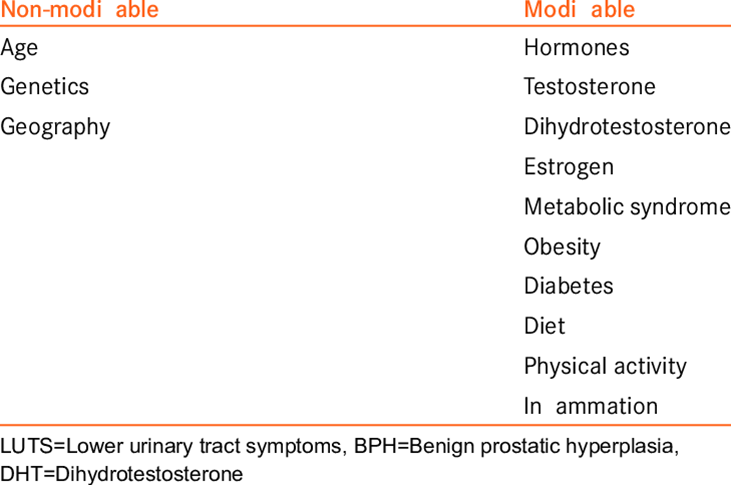
Risk factors of BPH
- Age
- Occurs in 20% of men over 40
- Occurs in 90% of men over 70
- Lifestyle
- Family History
- Race
- Diabetes and heart disease
- others
- Age
Signs and symptoms of BPH
- Hesitancy
- Frequency
- Dribbling
- bladder hypertrophy
- my cause obstruction
- Frequent UTI
Investigations of BPH
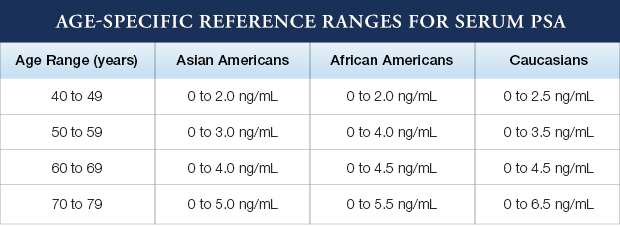
- PSA
- produced by the prostate gland.
- is a 33-kd protein consisting of a single-chain glycoprotein of 237 amino acid residues, 4 carbohydrate side chains, and multiple disulfide bonds.
- DRE
- CBC
- Urinary flow test
- Postvoid Residual volume test
- 24 hour voiding diary
- Transrectal Ultrasound
- Prostate Biopsy
- Urodynamic and pressure flow studies
- Cystoscopy
- PSA
BPH histology
- Nodular hyperplasia
- Transitional zone
- Urethra compressed into slit
BPH Pathophysiology
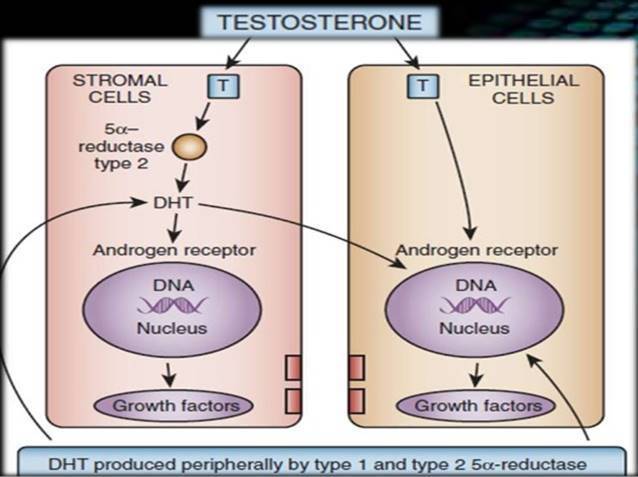
- Proliferation of both epithelial and stromal elements
- Both androgens and estrogens may play a role
- Relative increase in estrogens in older men may increase DHT receptors in prostate
BPH Treatment
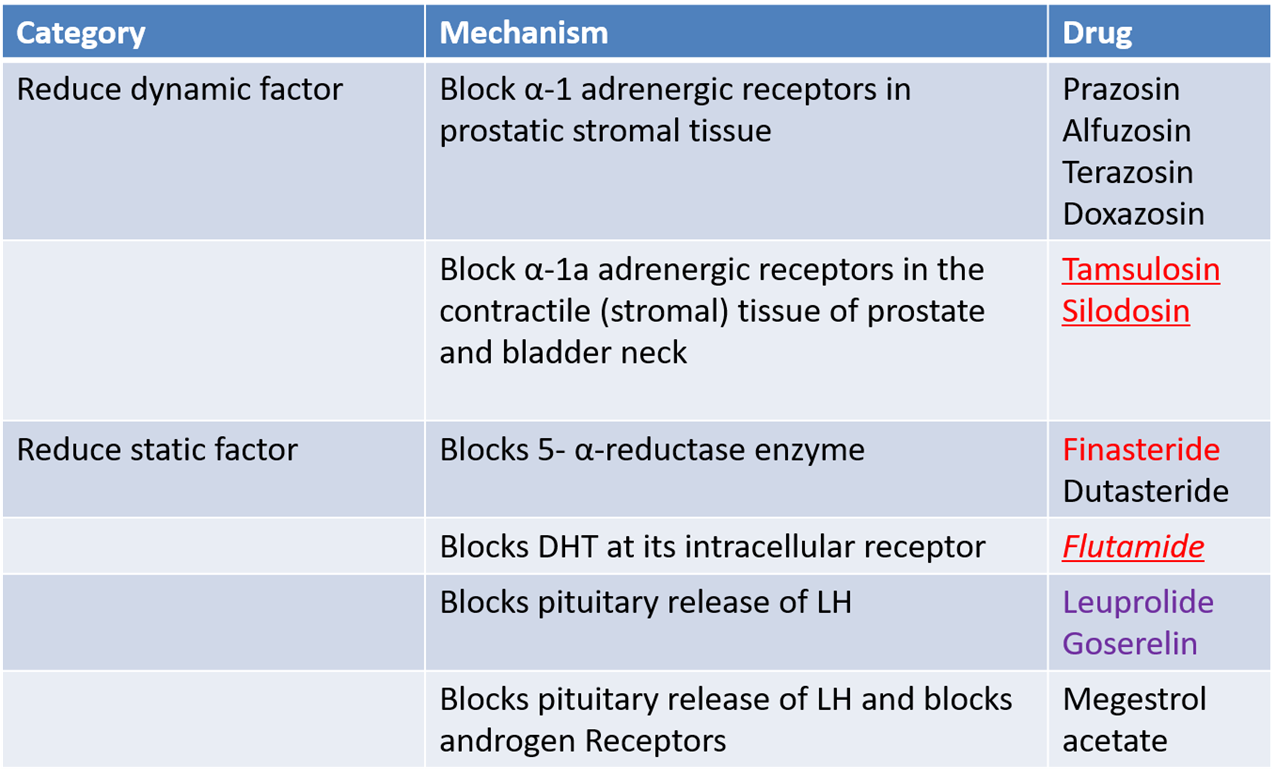
- Pharmacology
- Surgical management
- Transurethral resection of the prostate
- Open prostatectomy
prostate cancer
- Malignant prolifration of prostatic glands
- Spread to lumbar spine or pelvis is common
- most common cancer in men
- second most common cause of cancer death
- Risk factors
- Age
- race
- African american
- diet high in saturated fat
- arise in the posterior peripheral region
- doesnt produce urinary symptoms early
- screening beins at the agae of 50 with DRE and PSA
- Decreased % free PSA suggest cancer
- Biopsy is required to confirm
- Shows small invasive glands with prominent nucleoli
- Biopsy is required to confirm
- Decreased % free PSA suggest cancer
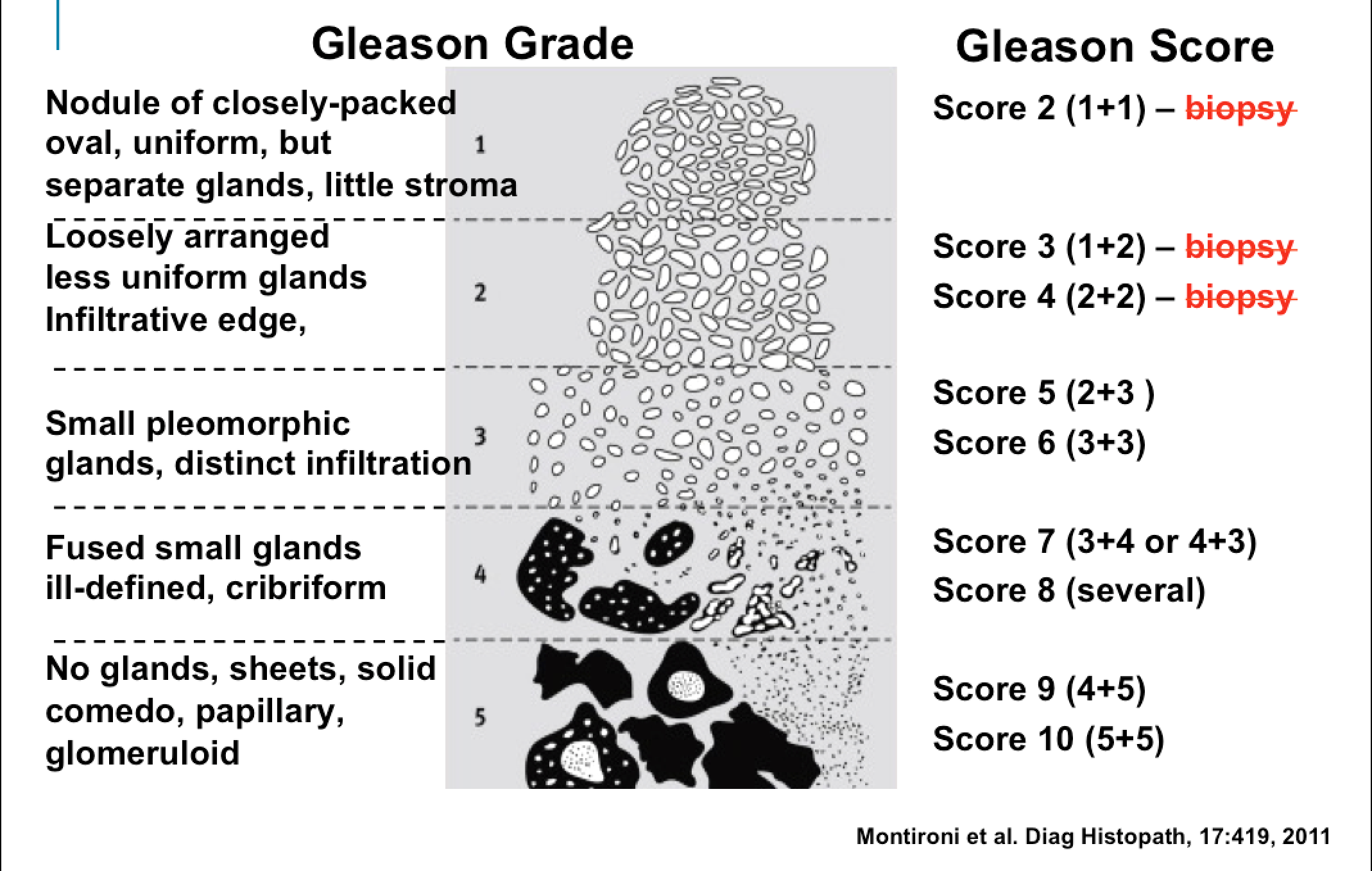
- Gleason grading system
- Treatment
- Prostatectomy
- GnHR analogs
- leuprolide
- Flutamide
- Malignant prolifration of prostatic glands
Bilder und Dateien der Mindmap
Informationen
- Beschreibung
- Mindmap am Benign prostatic hyperplasia, erstellt von hamda ali am 15/04/2018.
- Erstellt von
- hamda ali
- Aufrufe
- 53
- Bewertung