Mindmap
Enter text here

Inhalt der Mindmap
Depression- Biological Factors.
Genetics
- FAMILY STUDIES- first relative with depression causes a person to be at high risk for developing depression. If there is a genetic link= person who has a depressive relative 20% at risk, people without depressive relative= 10% at risk of developing the condition.
- TWIN STUDIES= Monozygotic Twins- 100% same DNA. Dyzogotic- 50% same DNA. Envornment shared by twins is roughly the same, so any greater similarities in identical twins compared to fraternal twins shows action of genes. Mcgruffin et al (1996) studied 177 people with depression and their identical twin. Concordance rate for identical twins= 46%, fraternal twins= 20% suggesting depression has a heritable component.
- ADOPTION STUDIES= Welder et al (1986) studied biological parents of individuals who had been hospitalised for severe depression. He found a much higher incidence for depression to be present in the biological relatives compared to a biological relative of a non depressed relative showing depression is genetic.
- GENES AS DIATHESES (environmental)= Genetic factors act as diatheses in a diathesis stress relationship. Therefore see a predisposition in genetic interacting with environmental stressors to produce a depressive reaction. Environmental stressors will affect those with the genetic predisposition differently to those who don't have it. Kendler et al (1995) women who had a depressive twin were more likely to become depressed than those without the genetic vulnerability. Also there was higher rates of depression in those who had experienced negative life events.
Neurotransmitters
- NORADRENALINE= suggested depression stemmed from a deficiency of noradrenaline. Brain studies have also shown that there is lower noradrenaline in depressed people. Post-mortem studies revealed an increased density of noradrenaline receptors in suicide patients. This is because when molecules become sparse in the synapses cells will often expand in order to pick up whatever signals are available.
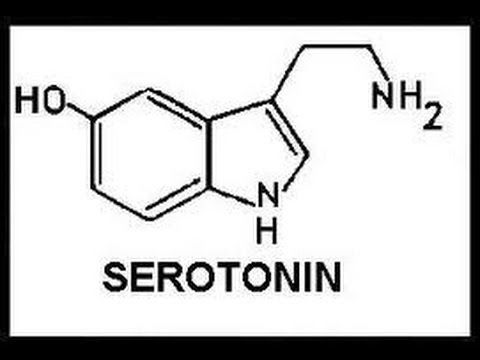
- SEROTONIN= Link between low serotonin levels and depression. Delago et al (1960) gave depressed patients who received anti depressant medication a special diet where their serotonin levels were lowered. Majority of the patients saw a return of their depressive state unit their diet went back to normal signifying that serotonin levels affect depression.
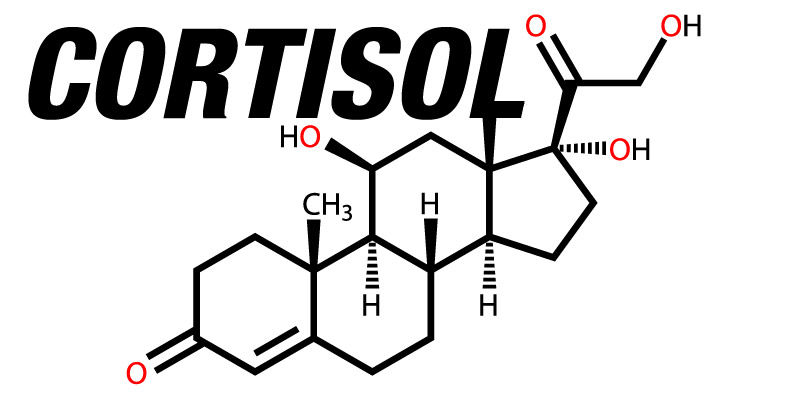
- CORTISOL= Number of studies have found evidence that elevated levels of cortisol are found in depressed people. Cortisol is released from the adrenal gland during times of stress which has been shown to trigger depression.
Evaluation
- RESEARCH SUPPORT= a mutant gene which starves the brain of serotonin has been found 10 times more prevalent in depressed patients. The enzyme which makes serotonin was found in 9 out of 87 patients in Caron et al study. Patients wight he mutation failed to respond well to the SSRI medication suggesting that the mutation may underlie a treatment resistant subtype of depression.
- CORMORBIDITY= The low genetic concordance rate for depressions can be explained in terms of cormorbidity. It is possible for people to inherit vulnerability to a range of different disorders and not just depression alone. This was supported by Kendler et al (1992) as he found higher incidence of mental disorders in twins when looking at depression and generalised anxiety disorders. Suggesting that the some disorders like depression are a product of genes that underlie a number of different disorders, and that the actual disorder may only develop due to environmental stressors.
- NEUROTRANSMITTER DYSFUNCTION= Low noradrenaline - DEPRESSIVE STATE. Kraft et al (2005) studied 96 patients with severe depression, who were being treated with serotonin- noradrenaline re-uptake inhibitor. found patients showed a more positive response than those wight he placebo.
- CORTISOL, DEPRESSION, PREGNANCY= O'Keane and Marsh (2007) claim that in pregnancy, higher levels of cortisol are necessary for the development of the baby, however if the cortisol levels become too high it can lead to premature birth which could lead to death or postnatal illness.