
Mindmap
Understanding Attention Deficit Hyperactivity Disorder
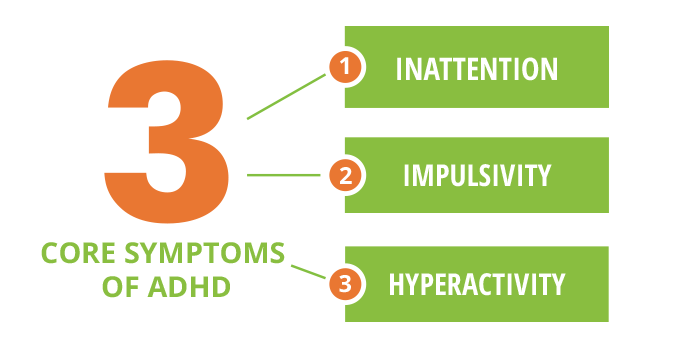
Inhalt der Mindmap
Understanding Attention Deficit Hyperactivity Disorder
What is ADHD?
- Definition
- American Psychiatric Association (2013)
- "A persistent pattern of inattention and/or hyperactivity-impulsivity that interferes with functioning or development"
- Multiple Symptoms Occur Before Age 12 in 2+ Settings
- CDC: ~9% of School-Age Population
- 5.4 Million Children
- More Prevalent in Boys than Girls
- AL: 14% of Students Have ADHD
- 5.4 Million Children
- "A persistent pattern of inattention and/or hyperactivity-impulsivity that interferes with functioning or development"
- History
- 1902: George Still - Pioneered Field
- Werner & Strauss: "Figure-ground" Study - Distractibility / Hyperactivity
- Cruickshank: Attention & Learning Connected
- 1950s: ADHD Characterized as "Minimal Brain Injury"
- 1960s: "Hyperactive Child Syndrome"
- 1980s: "ADHD" Popularized
- 1960s: "Hyperactive Child Syndrome"
- American Psychiatric Association (2013)
- Etiology
- Neurological Dysfunction
- Interference with Executive Functions
- Differences in Brain Chemistry, Anatomy
- Deficiency of Neurotransmitter Dopamine
- Result in Issues with Organization, Attention, Impulsivity, & Activity Levels
- Neurological Dysfunction
- Heredity
- Barkley: 1 in 3 with ADHD have relatives with ADHD
- Studies Indicate Possible Genetic Link
- Barkley: 1 in 3 with ADHD have relatives with ADHD
- Environment
- ADHD Myths
- Caused by Sugar, Dyes, Food, TV, Lack of Discipline, etc.
- Natal Trauma
- Maternal Substance Abuse, Exposure to Lead, Birth Complications, etc.
- ADHD Myths
- Medical Examination Needed for Diagnosis
- May Recommend Medication
- Stimulants
- Behavioral Characteristics
- Influence Over Executive Functions
- Following Directions
- Short- and Long-term Memory
- Emotions
- Evaluate Using Rating Scales
- Likert Scales
- Student Portraits
- Influence Over Executive Functions
- Chronic Over Time
- Consistent Across Situations
- Not Reflective of Age
- Vaughn: Comorbidity of Disorders
- Behavioral Inhibition Issues (Barkley; Vaughn et al.)
- Blurt Out Responses
- Speech Interruption
- Distractibility
- Behavioral Inhibition Issues (Barkley; Vaughn et al.)
- Friend & Bursuck: Feelings of Inadequacy, Rejection by Peers
- Definition
Educational Considerations
- Life After School
- Postsecondary Education
- Murphy, Barkley, & Bush: Those with ADHD Less Likely to Graduate from Universities
- Gargiulo: Should Self-Advocate
- Murphy, Barkley, & Bush: Those with ADHD Less Likely to Graduate from Universities
- Barkley: 33%+ with ADHD Drop Out of School
- Due to Struggles with Academics, Personal Relationships
- Career
- Barkley: Individuals with ADHD More Likely to Change/Be Terminated from Jobs
- Interpersonal Skills a Factor
- Barkley: Individuals with ADHD More Likely to Change/Be Terminated from Jobs
- Students with ADHD have Rights Under Section 504, American with Disabilities Act
- Colleges Must Provide SPED Services, Appropriate Accommodations
- Postsecondary Education
- Research by Glanzman & Sell; Hammerness
- 70% of Children with ADHD Have Symptoms in Adolescence
- Barkley;NIMH: Affect 50% in Adulthood
- NIMH: ADHD Medication Shows Positive Effects in Adults
- Extended-release Medications Longer Lasting
- Time Management, Organizational Skills Critical
- NIMH: ADHD Medication Shows Positive Effects in Adults
- Barkley;NIMH: Affect 50% in Adulthood
- 70% of Children with ADHD Have Symptoms in Adolescence
- Personal Experience
- Although I had friends and classmates with ADHD, I was unaware of the complexity of the disorder. It is fortunate that Universal Design for Learning (UDL) addresses many areas of concern for students with ADHD. Due to ADHD's prevalence and my new role as an educator, I will consciously consider how to facilitate their success in and beyond school.
- Public School (P-12)
- Academic Supports & Interventions
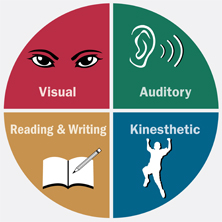
- Learning Styles
- Visual
- Auditory
- Kinesthetic
- Tactile
- Modify Instruction
- Parent Involvement
- Increase Active Role, Agency
- Services with Counselor, Other Staff
- Learning Styles
- Academic Supports & Interventions
- Generally Struggle to Succeed in School
- Accommodate Through 504 Plan
- Service Delivery Options
- Majority Served in Inclusive General Education Setting
- Co-teaching Possible
- IDEA: Not All Qualify for SPED Services
- IDEA: Create IEP
- Meet Individual Needs
- Majority Served in Inclusive General Education Setting
- Teaching Learning Strategies to Students with ADHD
- Metacognition
- Build Self-Awareness
- Promote or Discourage Certain Behaviors
- Performance Monitoring
- Promote or Discourage Certain Behaviors
- Build Self-Awareness
- Graphic Oranizers
- Track Homework, Content, & Reactions to School Work
- Teach Organizational Skills
- Track Homework, Content, & Reactions to School Work
- Modify Environmental Stimuli to Maintain Focus
- Opportunities for Collaboration
- Partner Work, Heterogeneous Pairings
- Assistive Technology
- Teacher Rate of Speech
- Clarity of Directions
- Reduce Distracting Noise
- Visuals
- Opportunities for Collaboration
- Metacognition
- Life After School
Bilder und Dateien der Mindmap
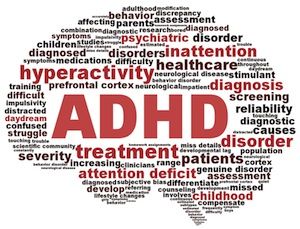



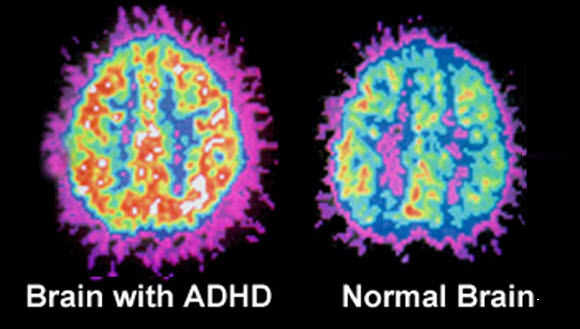



Informationen
- Beschreibung
- Understanding ADHD in terms of its definition, etiology, characteristics, educational concerns, and life after public school. Reference Gargiulo, R. M. (2015). Special education in contemporary society: An introduction to exceptionality (5e ed.). Thousand Oaks, CA: Sage Publications.
- Erstellt von
- M S · Okt 2016
- Aktualisiert
- 22 Okt 2016
- Aufrufe
- 75
- Tags
- Bewertung