
12745721


Pancreatitis
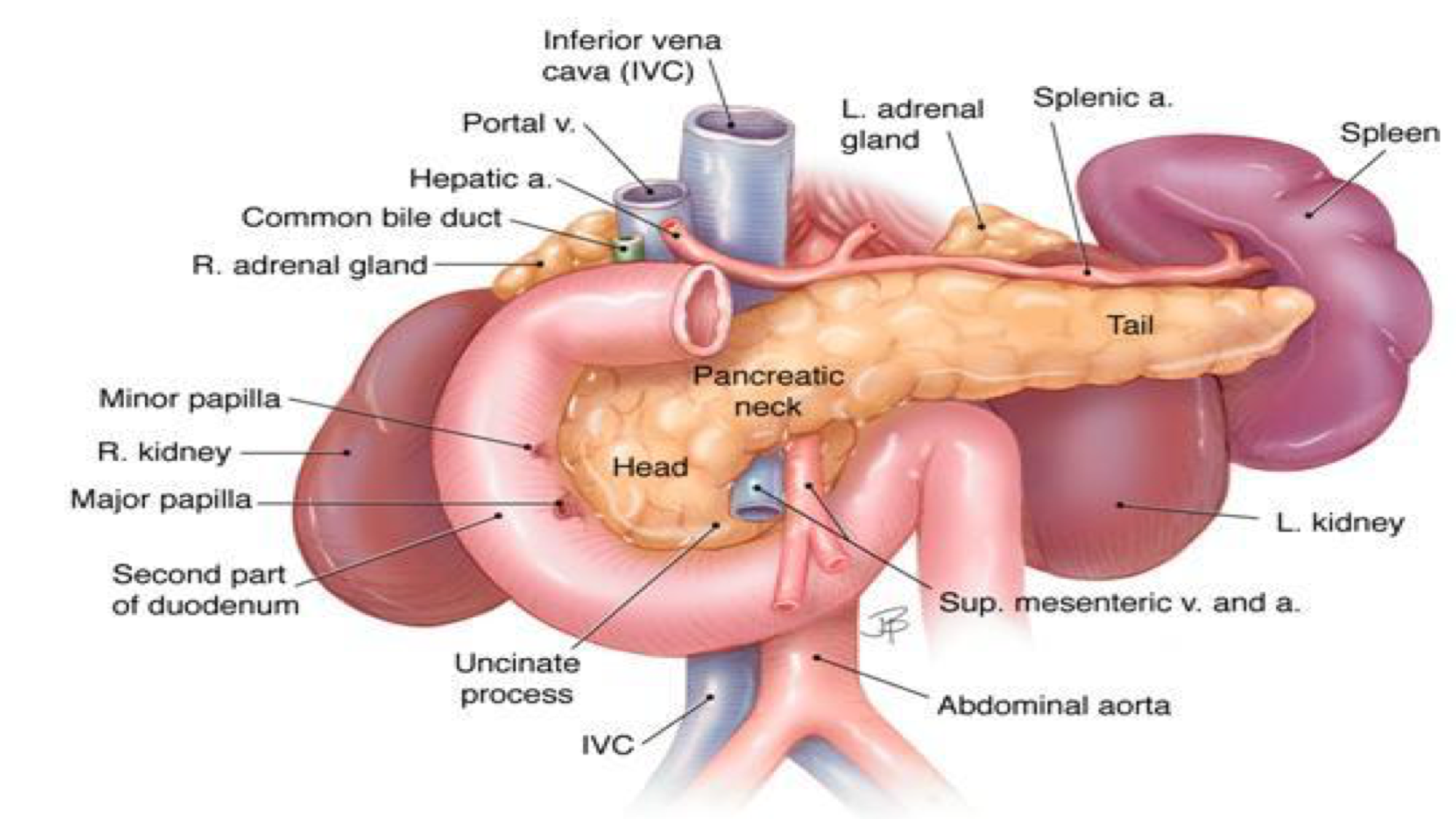
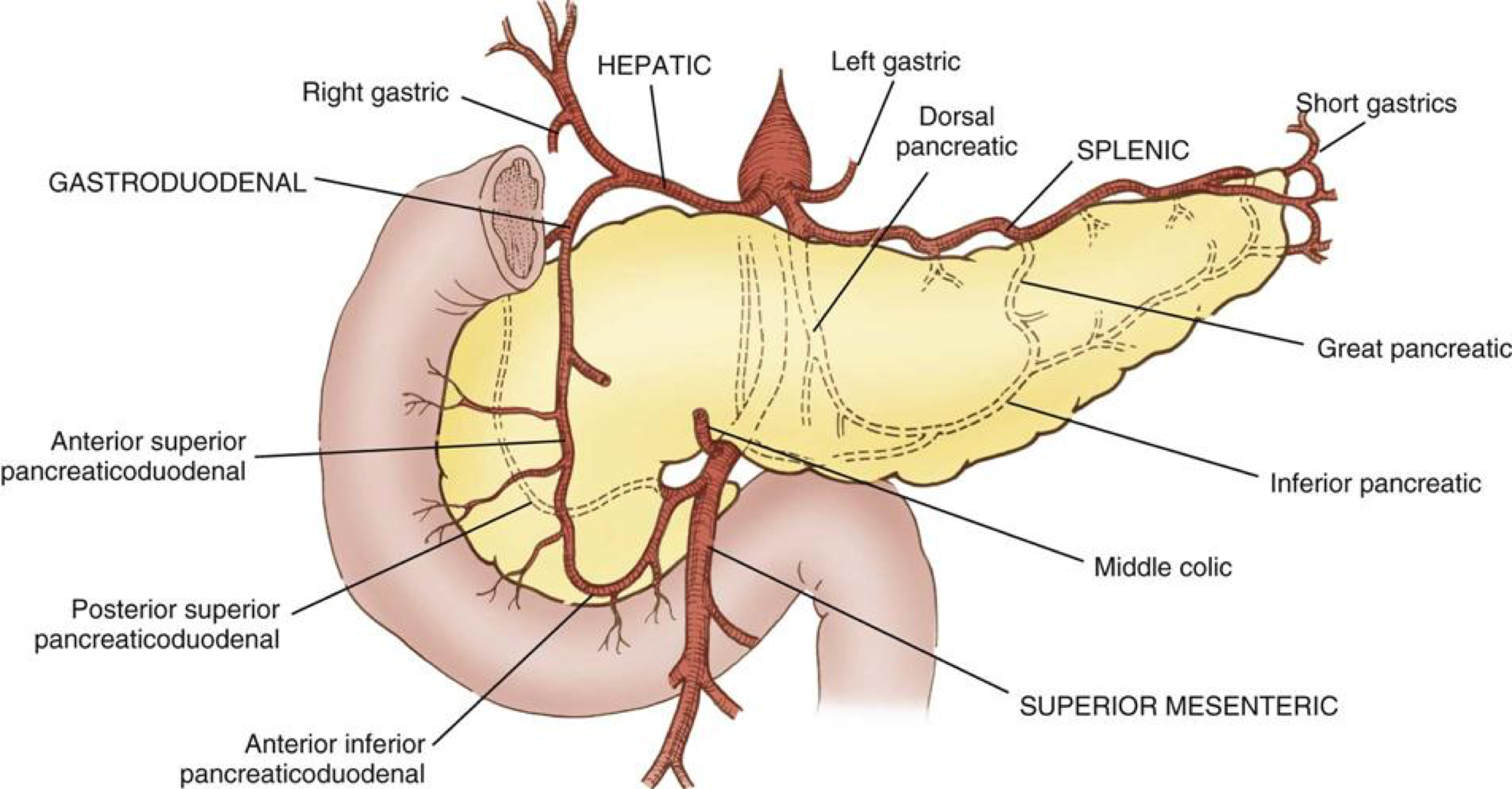
- anatomy of the pancreas
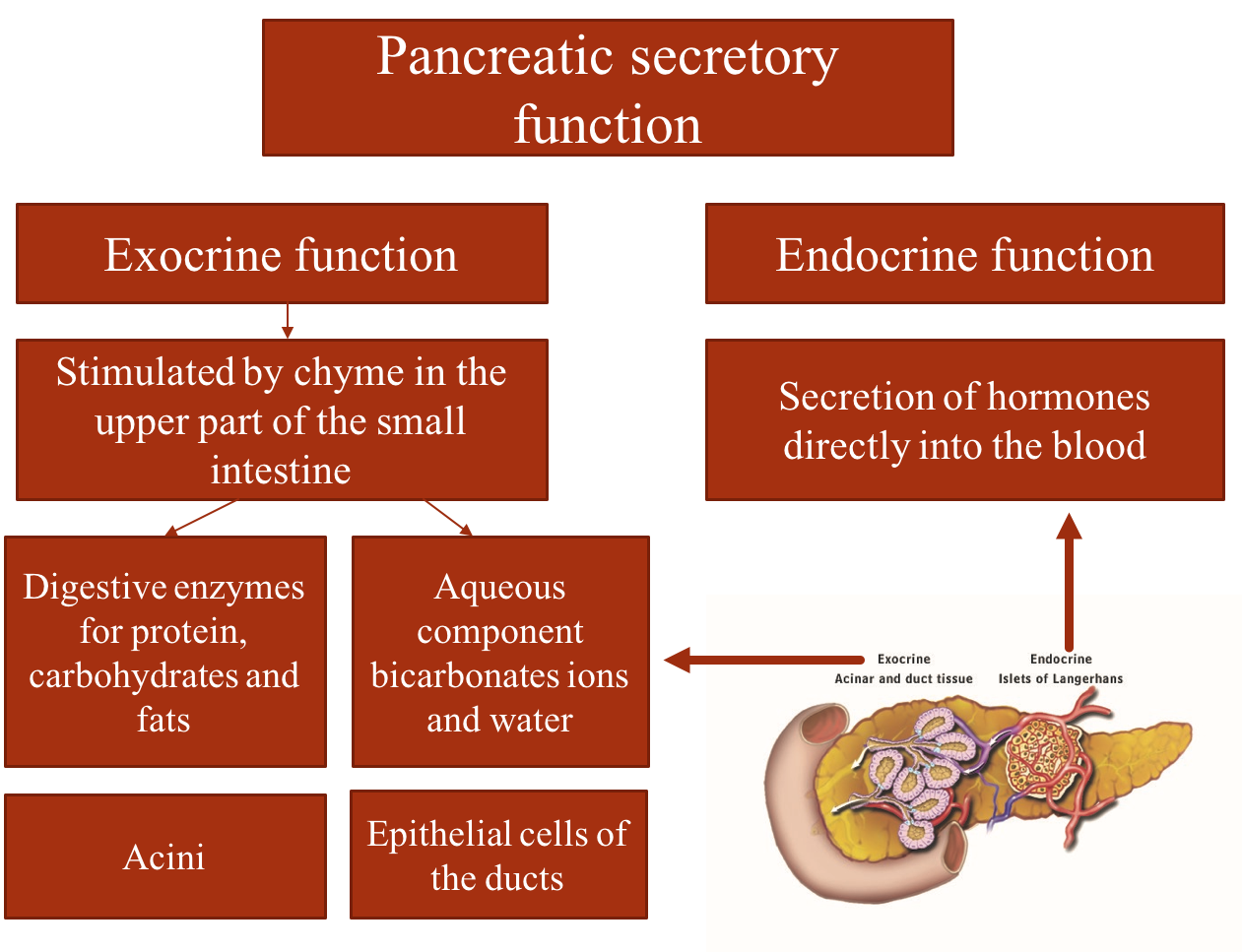
- physiology
- causes of pancreatitis
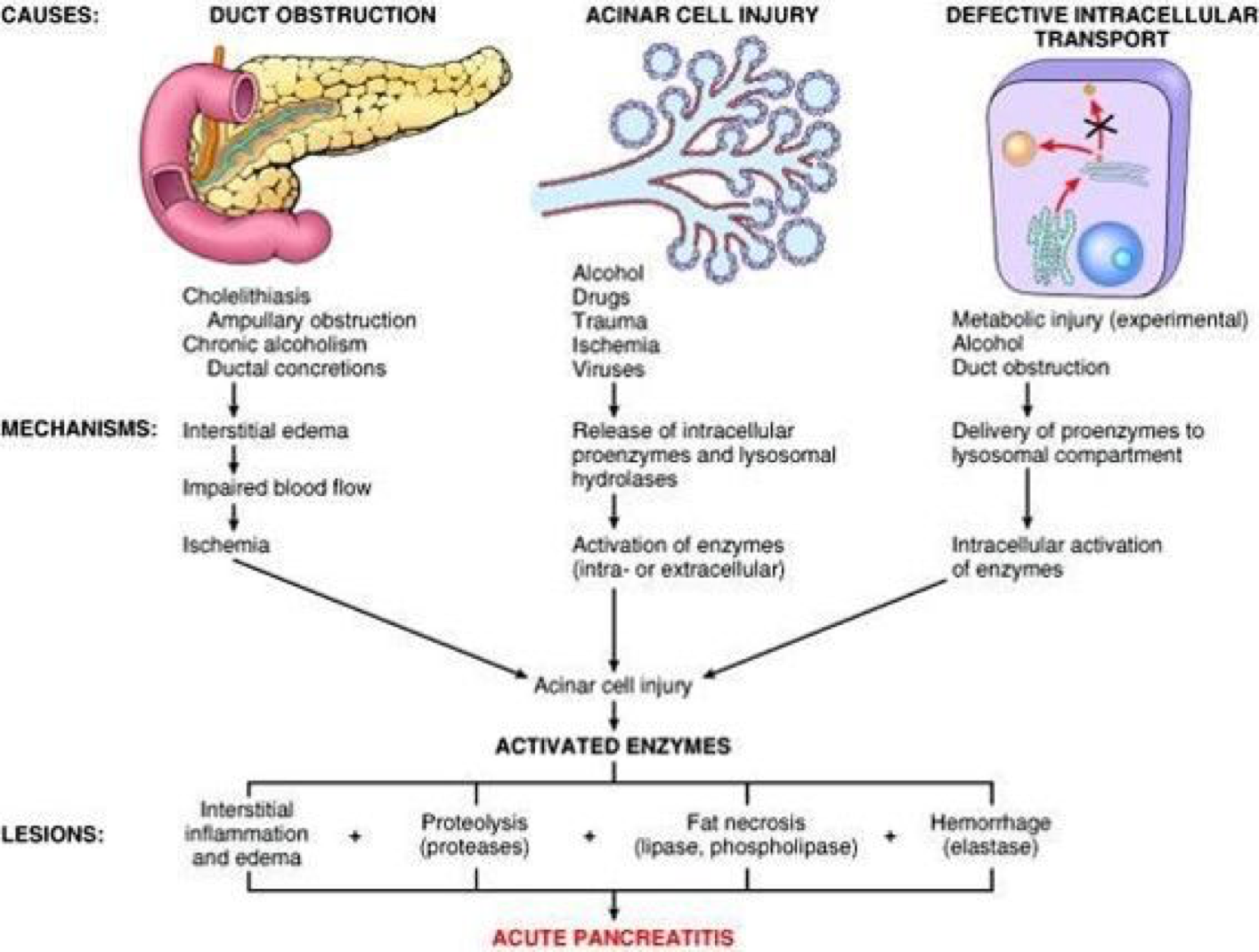
- how does it happen? pathophysiology
- Investigations
- Management
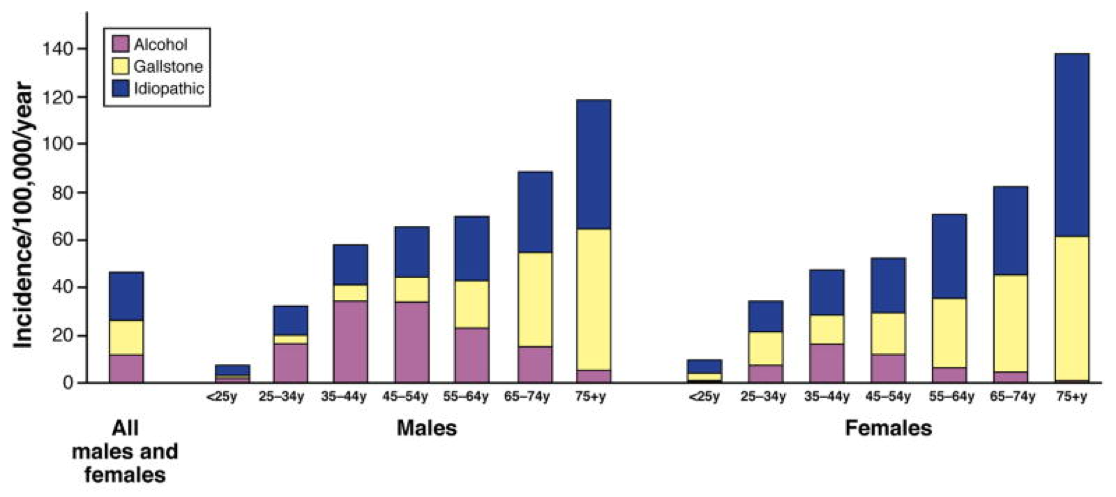
- Prognosis & Epidemiology
- Acute pancreatitis can be very serious, even life
threatening, but most patients can expect
complete recovery.
- Acute pancreatitis can become chronic
if pancreatic tissue sustains damage
and scarring occurs
- Acute pancreatitis can be very serious, even life
threatening, but most patients can expect
complete recovery.
- fluid resuscitation
- nutritional support
- pain
control
- analgesics
- analgesics
- Prognosis & Epidemiology
- pancreatic enzymes
- Serum amylase
- Serum lipase
- Serum immunoreactive trypsin (SIT)
- Decreased fecal elastase
- Decreased fecal elastase
- Serum immunoreactive trypsin (SIT)
- Serum amylase
- Radiologic Studies
- Transabdominal ultrasound
- MRI and magnetic resonance
cholangiopancreatography
(MRCP)
- Endoscopic retrograde
cholangiopancreatography
(ERCP)
- Transabdominal ultrasound
- Management
- leading to these signs and symptoms
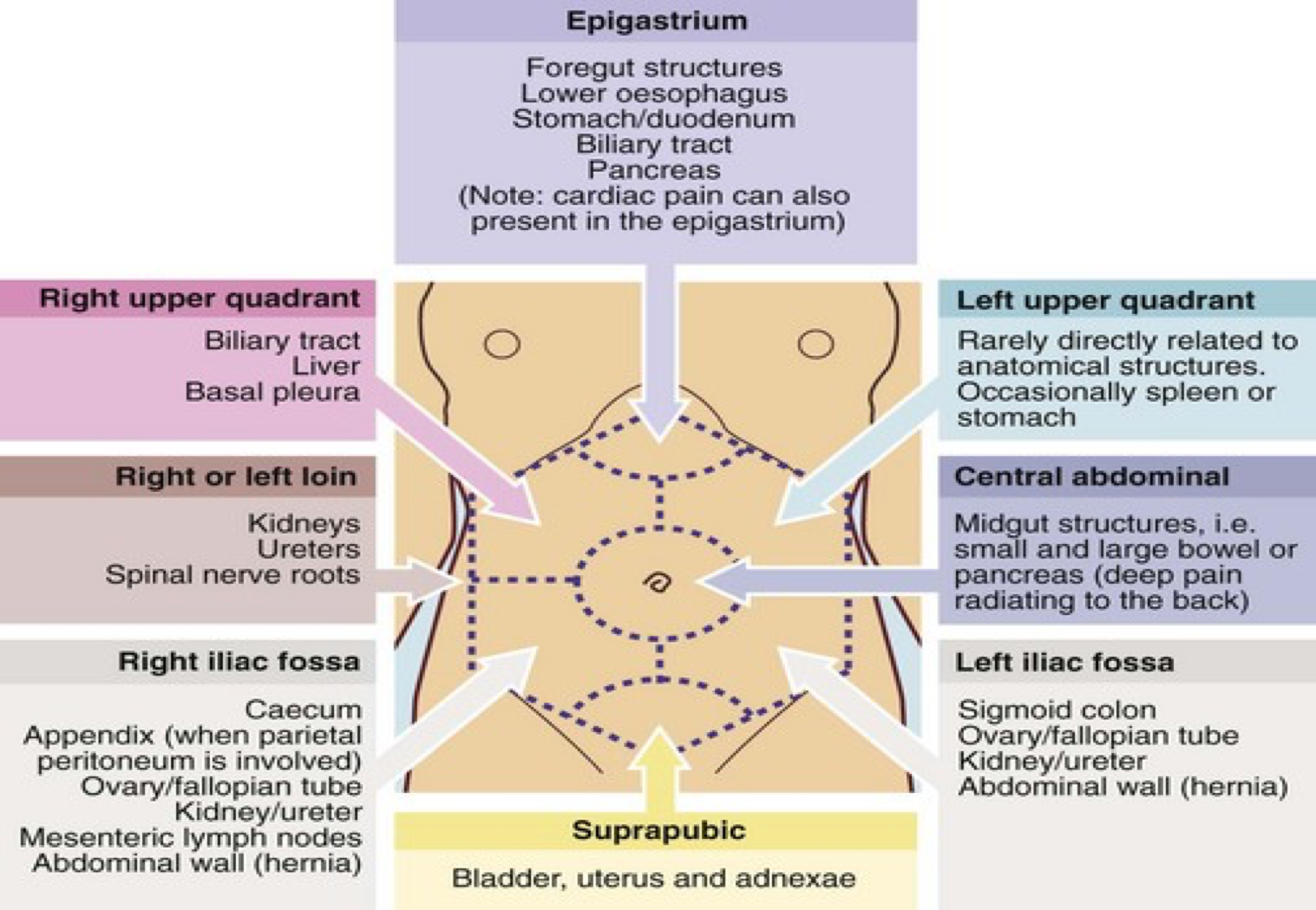
- Upper abdominal pain
- Abdominal pain that radiates to your back
- Abdominal pain that feels worse after eating
- Fever
- Nausea
- Tenderness when touching the abdomen
- ACUTE ABDOMEN
- causes
- causes
- ACUTE ABDOMEN
- Rapid pulse
- Upper abdominal pain
- leading to these complications
- SIRS (systemic inflammatory response syndrome)
- Pseudocyst
- surgical treatment
- surgical treatment
- Infected pancreatic necrosis
- Secondary DM
- Septic shock
- Peritonitis
- SIRS (systemic inflammatory response syndrome)
- leading to these signs and symptoms
- Investigations
- " I get
smashed "
- Alcoholism
- Gall stones
- Medications
(thiazides)
- Hypertriglyceridemia
hypercalcemia
- Infections:
mumps, coxackie,
CMV
- Acute ischemia
(shock)
- Trauma,
blunt,
- iatrogenic Genes:
PRSS1, SPINK1
- Idiopathic,
10-20%
- Alcoholism
- how does it happen? pathophysiology
- controlled by CCK and vagal
stimulation
- neutralizes
acid in lumen
- digests fat
and protein
products
- digests fat
and protein
products
- CO2 diffuses to the interior of the cell
from blood (carbonic anhydrase).
- CO2 combines water to form carbonic acid.
- It, in turn, dissociates into bicarbonate ions
and hydrogen ions.
- H+ are exchanged for sodium which supplies the
sodium ions → ductal lumen → electrical neutrality.
- H+ are exchanged for sodium which supplies the
sodium ions → ductal lumen → electrical neutrality.
- It, in turn, dissociates into bicarbonate ions
and hydrogen ions.
- CO2 combines water to form carbonic acid.
- neutralizes
acid in lumen
- causes of pancreatitis
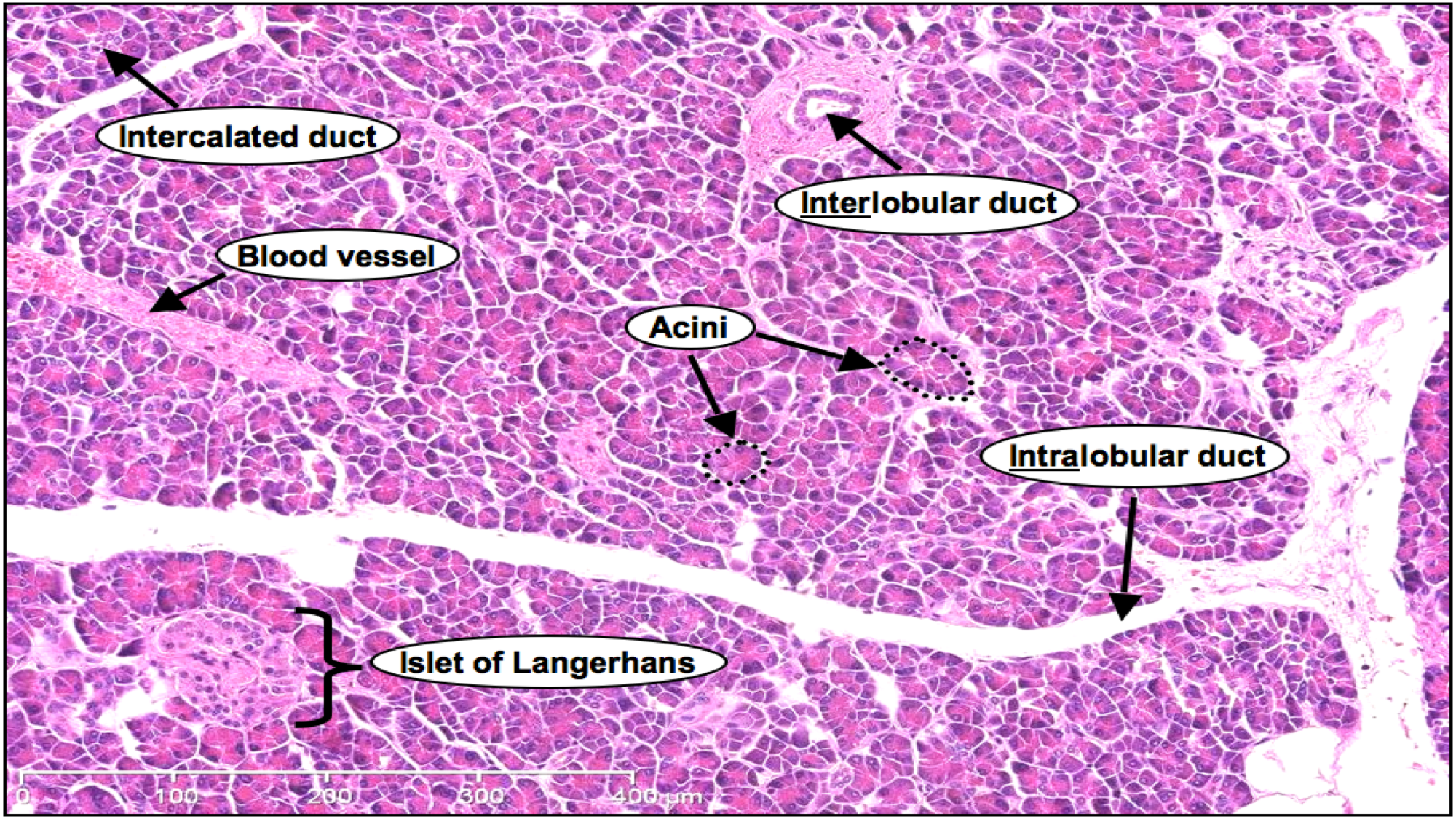
- Histology
- physiology
Medienanhänge
Möchten Sie kostenlos Ihre eigenen Mindmaps mit GoConqr erstellen? Mehr erfahren.