
Mindmap
Type 1 Diabetes
Inhalt der Mindmap
Type 1 Diabetes
Assessment
- Symptoms
- Polyuria
- Polydipsia
- Polyphagia
- Weight loss/gain
- Fatigue and Weakness
- Irritability
- Mood changes
- Blurred Vision
- Erectile dysfunction in men
- Risk Factors
- Family History
- Age
- Increased likelihood childhood (ages 4-7) and adolescence (ages 10-14)
- May occur in adulthood
- Geography
- Type 1 Diabetes incidence increase in region further away from equator
- Etiology
- No tolerance to self-antigens expressed in the islets of Langerhans
- Autoimmune destruction of 80-90% of Beta cells
- Insulin is no longer released by the beta cells
- Increased blood glucose levels
- Insulin is no longer released by the beta cells
- Autoimmune destruction of 80-90% of Beta cells
- Exposure to a virus
- Genetics
- No tolerance to self-antigens expressed in the islets of Langerhans
- Symptoms
Diagnosis
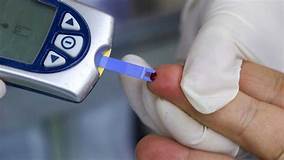
- Glycated Hemoglobin (AC1 Test)
- A1C level of 6.5 or more on two separate tests
- Shows amount of glucose attached to hemoglobin molecule
- Diagnostic test
- Random Blood Sugar
- Result of 11 mmol/L or greater and symptoms of diabetes
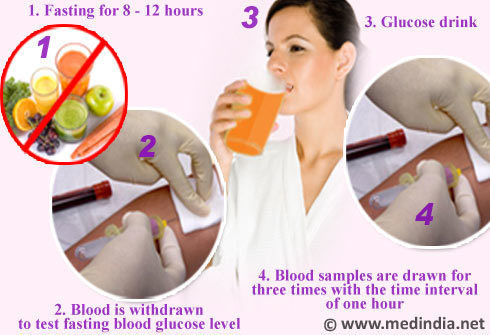
- Fasting Plasma Glucose
- normal: 5.6mmol/L prediabetes: 5.6 to 6.9 mmol/L diabetes: 7 mmol/L
- Oral Glucose Tolerance Test
- Two-hour OGTT level ≥11.1 mmol/L
- Glycated Hemoglobin (AC1 Test)
Treatment
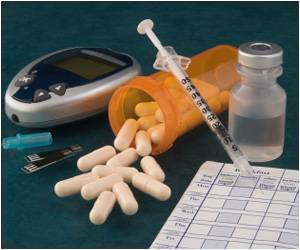
- Drug therapy
- Insulin Injections
- Rapid Acting (Bolus)
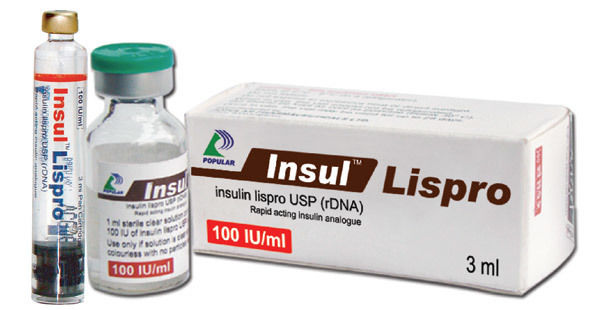
- Lispro
- Onset: 10- 15 minutes Peak: 1-2 hours Duration: 3- 4.75 hours
- Aspart
- Onset: 9- 20 minutes Peak: Apart 1-1.5 Hours Duration: 3.5 hours
- Lispro
- Intermediate Acting (Basal)
- Onset: 1-3 hours Peak: 5-8 hours Duration: Up to 18 hours
- Long Acting
- Onset: 90 minutes Duration: 16 to 42 hours dependent on the drug No peak action
- Short Acting (Bolus)
- Onset: 30- 60 mins Peak: 2- 3 hours Duration: 6.5 hours to 24 hours
- Problems with insulin therapy
- Hypoglycemia
- Lipodystrophy
- Allergic reactions
- Rapid Acting (Bolus)
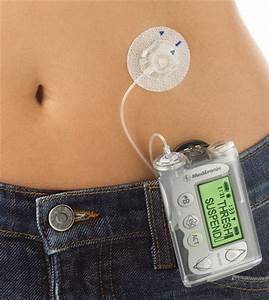
- Continuous Subcutaneous Insulin Infusion Therapy (CSIIT)/ Insulin Pump
- Manually monitor glucose
- Catheter inserted subcutaneously in abdomen, lower back, leg and arm
- Convenient, small, accurate, adjustable
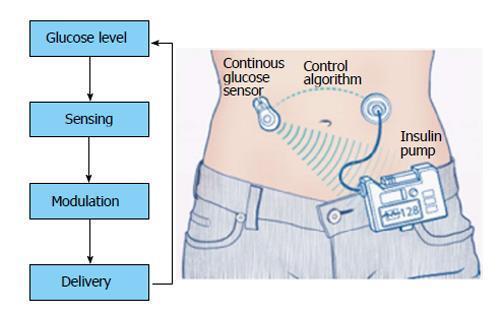
- Closed Loop
- Continuous glucose monitors (CGM) linked to insulin pump
- Help monitors hypoglycemia
- CGM’s can alert user when blood glucose level is above or below normal level
- Delivers insulin when needed
- Dependant on current glucose monitor readings
- Treatment Complication
- Bioinstability
- Sensors can become unstable due to inflammatory and granuloma reaction
- Lag time of 4-10 minutes for CGM’s blood glucose reading
- Bioinstability
- Help monitors hypoglycemia
- Continuous glucose monitors (CGM) linked to insulin pump
- Insulin Injections
- Healthy Lifestyle
- Nutritional Therapy
- Nutritious low-fat high-fibre foods
- Glycemic Index (GI)
- Consume foods with lower GI (e.g. complex carbohydrates)
- Sweet Potato
- Carrots
- Consume foods with lower GI (e.g. complex carbohydrates)
- Fats
- Reduce saturated and trans-fat in diet; include food rich in omega-3 fatty acids
- Glycemic Index (GI)
- Balance with insulin and exercise patterns
- Count Carbohydrates to identify the amount of insulin needed to metabolize it
- Nutritious low-fat high-fibre foods
- Exercise
- Regular Individualized physical activity
- Increase of insulin receptor sites
- Decreases blood glucose level
- Monitor blood glucose level
- Best done after meals
- Aerobic exercise 150 minutes/week
- Swimming
- Walking
- Maintain healthy weight
- Regular Individualized physical activity
- Nutritional Therapy
- Other Treatment
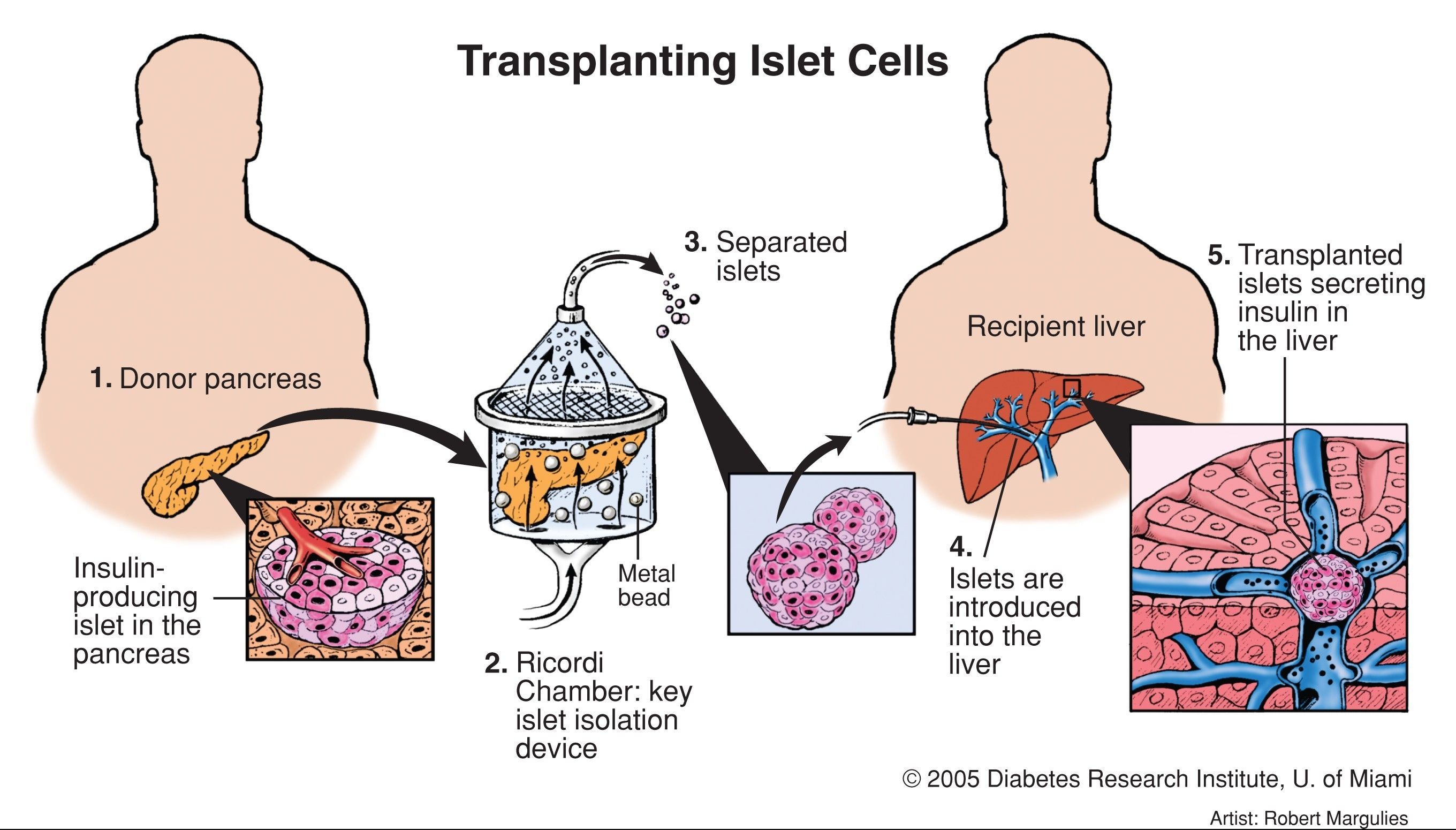
- Islet-cell Transplantation
- Transplant new insulin-producing cells from donor pancreas
- Treatment Complication: Islet cell rejection
- Minimally invasive
- Lower Morbidity
- Transplant new insulin-producing cells from donor pancreas
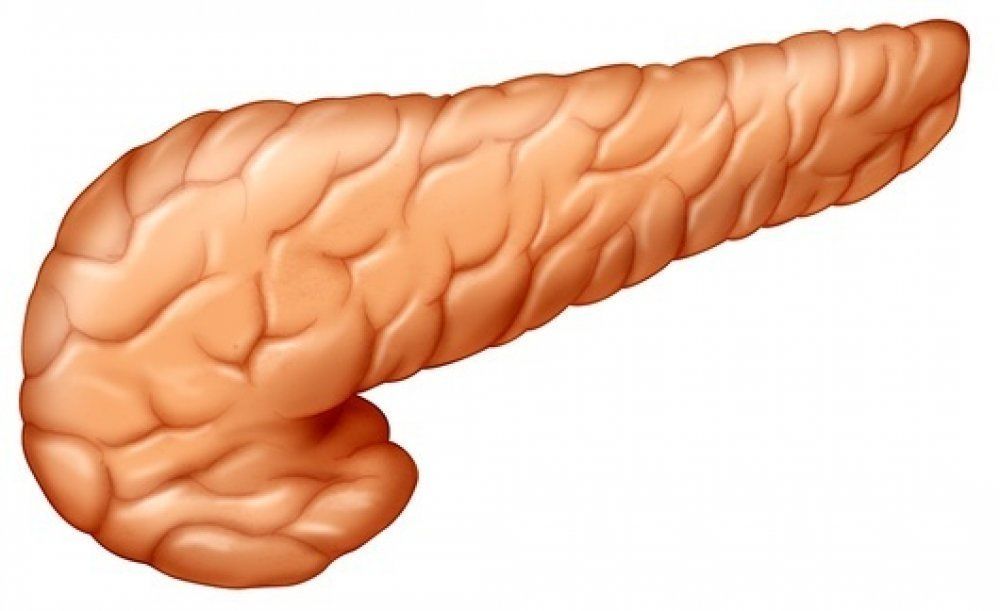
- Pancreas Transplant
- Greatest risk of complications
- Chronic graft rejection
- Pseudocyst
- Fistula
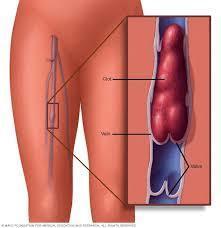
- Thrombosis
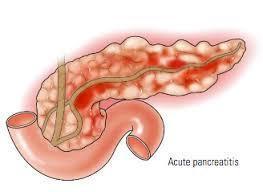
- Pancreatitis
- Greatest risk of complications
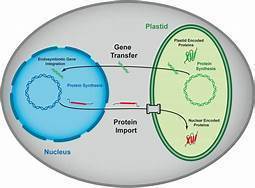
- Gene Transfer using viral/non-viral vectors
- Transform cells to have insulin secretory machinery
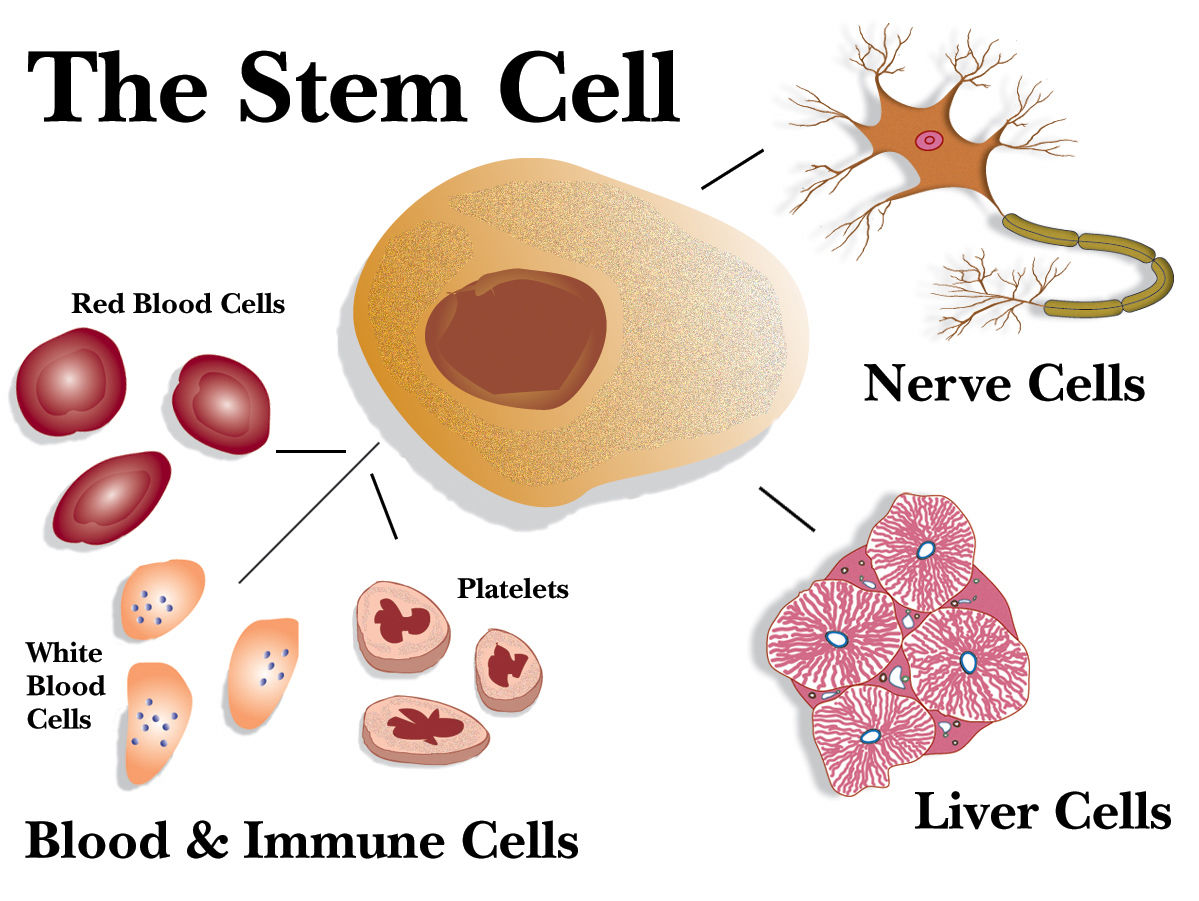
- Stem Cell Transplant
- Stem cells convert to beta cells to release insulin
- Treatment Complication: Rejection of cells
- Stem cells convert to beta cells to release insulin
- Islet-cell Transplantation
- Drug therapy
Complications
- Cardiovascular Diseases
- Stroke
- Heart Attack
- Neuropathy
- Nerve damage in legs & gastrointestinal tract
- Nerve damage leading to erectile dysfunction
- Nephropathy (Kidney Disease)
- Kidney blood vessels damaged leading to kidney failture
- Treatment
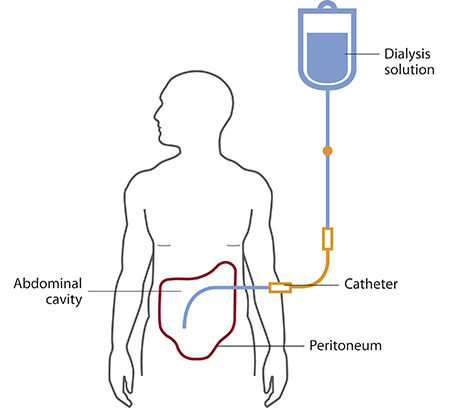
- Dialysis
- Kidney transplant
- Treatment
- Kidney blood vessels damaged leading to kidney failture
- Increased susceptibility to bacterial and fungal infections (i.e. gum disease)
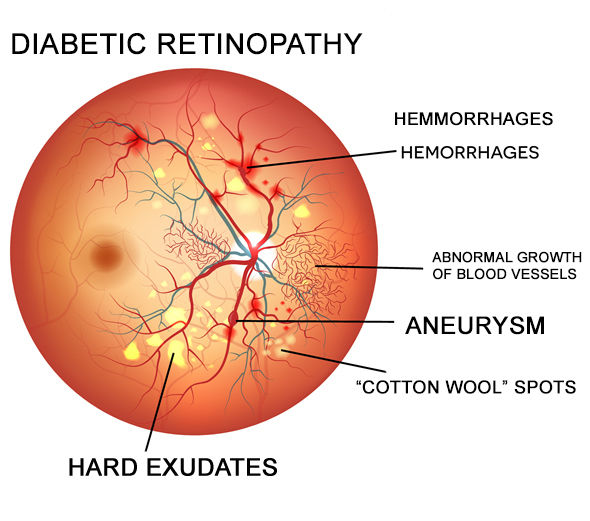
- Retinopathy (Eye Damage)
- Blindness
- Pregnancy Complications
- Ketoacidosis
- Profound Insulin deficiency
- Characteristics: Hyperglycemia Ketosis Acidosis Dehydration
- Causes
- Illness/Infection
- Inadequate insulin dosage
- Poor self-managemnt
- Undiagnosed Type 1 Diabetes
- The deficiency in insulin releases hormones that wouldn't otherwise be released, increasing the level of glucose.
- Symptoms
- Frequent urination
- Excessive thirst
- Confusion
- Shortness of breath
- Abdominal pain
- Nausea and vomiting
- Body produces high amount of ketones (blood acids)
- Profound Insulin deficiency
- Anxiety
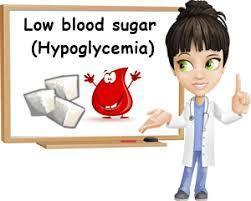
- Hypoglycemia
- Low blood sugar
- Blood glucose level <4 mmol/L
- Treatment
- Nursing Care
- Monitor Physical Activity
- Physical activity plus insulin causes blood sugar level to decrease significantly
- Eat fewer carbohydrates
- Avoid Skipping Meals
- Monitor Physical Activity
- Nursing Care
- Manifestations
- Diaphoresis
- Hunger
- Headache
- Fatigue
- Tremors
- Irritability
- Rapid irregular heart rate
- Dizziness
- Confusion
- Manifestations
- Somogyi Effect
- Rebound hyperglycemia after Nocturnal hypoglycemia due to Stress hormones being released
- Low blood sugar
- Cardiovascular Diseases
By Chantalee Dunkley and Ashley Prasad
Bilder und Dateien der Mindmap





























Informationen
- Beschreibung
- Type 1 Diabetes Mind Map by Chantalee Dunkley and Ashley Prasad
- Erstellt von
- Ashley Prasad
- Aufrufe
- 69
- Bewertung