
Mindmap
Septic Shock

Inhalt der Mindmap
Septic Shock
Diagnosis
- complication of sepsis
- dysregualtion response to an infection
- infections of: pneumonia, urinary tract infection,, influenza, skin infections ect.
- Blood PH decreases
- Less than 7.35
- adrenal insufficiency
- dysregualtion response to an infection
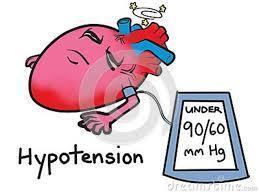
- persistant hypotension
- Blood pressure of Systolic <90, mean arterial pressure of <65
- culture results showing infection
- Complete blood count, BUN and serum electrolytes and creatinine levels
- sputum culture
- to rule out pneumonia
- Lumbar puncture
- To rule out meningitis, and obtain a culture of cerebral spinal fluid
- life threatening organ dysfunction
- critical reduction in tissue perfusion
- acute failure of multiple organs
- liver
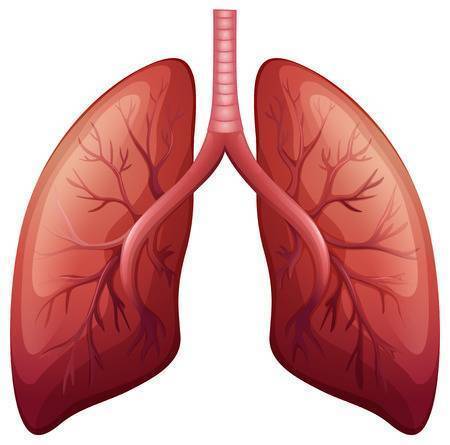
- lungs
- kidneys
- Features of systematic inflammatory response syndrome
- mental changes, hyperventilation distributive hemodynamics, hyperthermia or hypothermia, reduced, shifted or elevated WBC
- obtaining patients medical history
- imaging scans
- X-rays: pneumonia or damage around the lungs
- MRI and CT Scan: Swelling or inflammation around the brain caused by meningitis
- complication of sepsis
Pathogenisis
- Inflammatory stimulus
- production of proinflammatory mediatiors
- tumor necrosis factor (TNF) & interlekin-1 (IL-1) cytokines
- causing cell adhesion
- activates the clotting mechanism
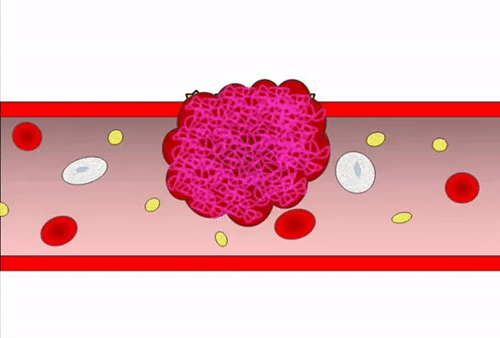
- generates microthrombi
- production of proinflammatory mediatiors
- warm shock arteries and arterioles dilate
- decreasing peripheral arteriol resistance
- cardiac output may decrease
- Blood pressure falls
- features of shock appear
- Increased cardiac output
- blood flow bypasses capillary exchange vessels
- decreases delivery of oxygen
- impairs removal of C02 and waste products
- decreased perfusion
- dysfunction or failure of organs
- Inflammatory stimulus
Collaborative care
- Fluid resuscitation
- Optimize oxygen delivery
- Optimize cardiac output
- central venous pressure monitoring
- Vasopressors
- Correct acidosis
- Obtain cultures
- Antibiotics
- prevent infection
- Asepsis
- foley catheter
- central venous catheter
- Asepsis
Causes
- pneumonia
- exposure to invasive devices
- urinary tract infection
- urospesis
- catheter removed and new one put in
- urospesis
- urinary tract infection
- stomach infections
- skin infections
- chronic illnesses
- diabetes
- cirrhosis
- cancer
- AIDS/HIV
- heart disease
- kidney disease
- meningitis
Complications
- Respiratory failure
- lungs not taking in enough oxygen
- Heart failure
- heart cannot effectively pump blood to bodies organs
- stroke
- heart cannot effectively pump blood to bodies organs
- Kidney failure
- abnormal clotting
- body tissues start to die
- amputations
- body tissues start to die
- post-sepsis symptoms
- depression
- insomnia
- fatigue
- cognative decline
- Post-tramatic stress disorder (PTSD)
- Death
- mortality rate of 40%-60%
- complete organ failure
- mortality rate of 40%-60%
- Respiratory failure
Assessment
- medical history
- clinical presentation
- difficulty breathing
- >20 per minute
- inflammatory response syndrome
- >20 per minute
- Low blood pressure/ orthopenia
- palpitations, thready pulses
- oliguria
- disseminated intravascular coagulation and low BP= AKF
- Hyperthermia or hypothermia
- temp higher than 38C or lower than 36C
- cool, pale arms and legs
- decreased tissue perfusion
- peripheral cyanosis and molting
- delayed cap refill >3 seconds
- decreased tissue perfusion
- Abdomen pain
- organ dysfuncation
- altered mental status
- difficulty breathing
- diagnostic imaging
- Laboratory findings
- platelet count, prothrombin time and D-Dimer
- platelets to low= unwanted tiny clots. PTT too high = blood not clotting well. D-Dimer too high= clots
- CBC
- increase WBC = infection
- platelet count, prothrombin time and D-Dimer
Nursing Interventions
- patient status
- explain procedures and routines
- decrease stress
- decrease fear and anxiety
- encouraging feelings of expression
- involve family in patient's care
- establish contacts with necessary resources
- facilitate problem solving and decision making
- address goals of care
- treatment plans
- end-of life planning
Treatment
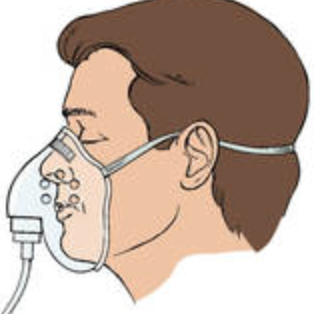
- oxygen support
- hypoxemia
- IV therapy
- Broad-spectrum antibioitics
- monitor response to therapy
- IV fluids
- crystalloid fluid challenge of 30 mL/kg
- assessment of response
- initial bolus
- crystalloid fluid challenge of 30 mL/kg
- vasopressors
- Norepinephrine
- blood products
- Broad-spectrum antibioitics
- Source control
- debridment
- surgery
- Supportive measures
- corticosteroids
- insulin
- DVT propholaxis
- mechanical ventilation
- nutrition
- oxygen support
Bilder und Dateien der Mindmap





























Informationen
- Beschreibung
- Mindmap am Septic Shock, erstellt von Renee Vanderhoeden am 19/10/2018.
- Erstellt von
- Renee Vanderhoeden
- Aufrufe
- 245
- Bewertung