
Mindmap
Ammonia metabolism
Inhalt der Mindmap
Ammonia metabolism
Ammonia plays a central role in nitrogen metabolism.
It is a major byproduct of protein and nucleic acid catabolism
Its nitrogen can be incorporated into urea, amino acids, nucleic acids and many other nitrogenous compounds
Ammonia is presentin body fluids as both NH3 and NH4+, and these are in equilibrium according to the equation:
- NH3 + H+ <-> NH4+
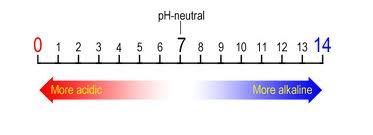
At physiological pH there is a great excess of the ionized form (NH4+).
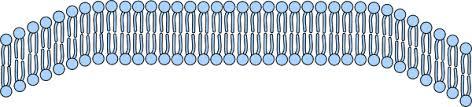
NH3 can diffuse freely across membranes via aquaporins and NH4+ is carried in liver by an active transport system.
Most of the nitrogentransported to the liver is carried notas ammonia but as amino acids, such as alanineor glutamine
- Alanineis formed by transaminationof pyruvate
- Glutamine is obtained by aminationof glutamate
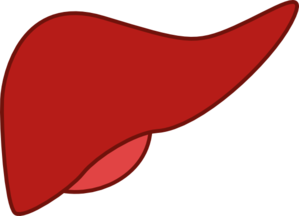
Ammoniais detoxifiedin liver by two major pathways :
- urea synthesis (90%)
- glutamine synthesis
Urea synthesis is important because:
- It allows, the liver to get rid of ammonia which is neurotoxic at high concentrations (in cases of hyperammonaemia, glutamine accumulates in astrocytes causing cerebral oedema, which is important in the pathogenesis of hepatic encephalopath)
- It allows, the liver to play a major role in the metabolic regulation of systemic pH,because hydrogen ions released from NH4+ during the synthesis of urea neutralize the excess bicarbonateproduced by the breakdown of amino acids
The role of liver in regulation of extracellular fluid pH
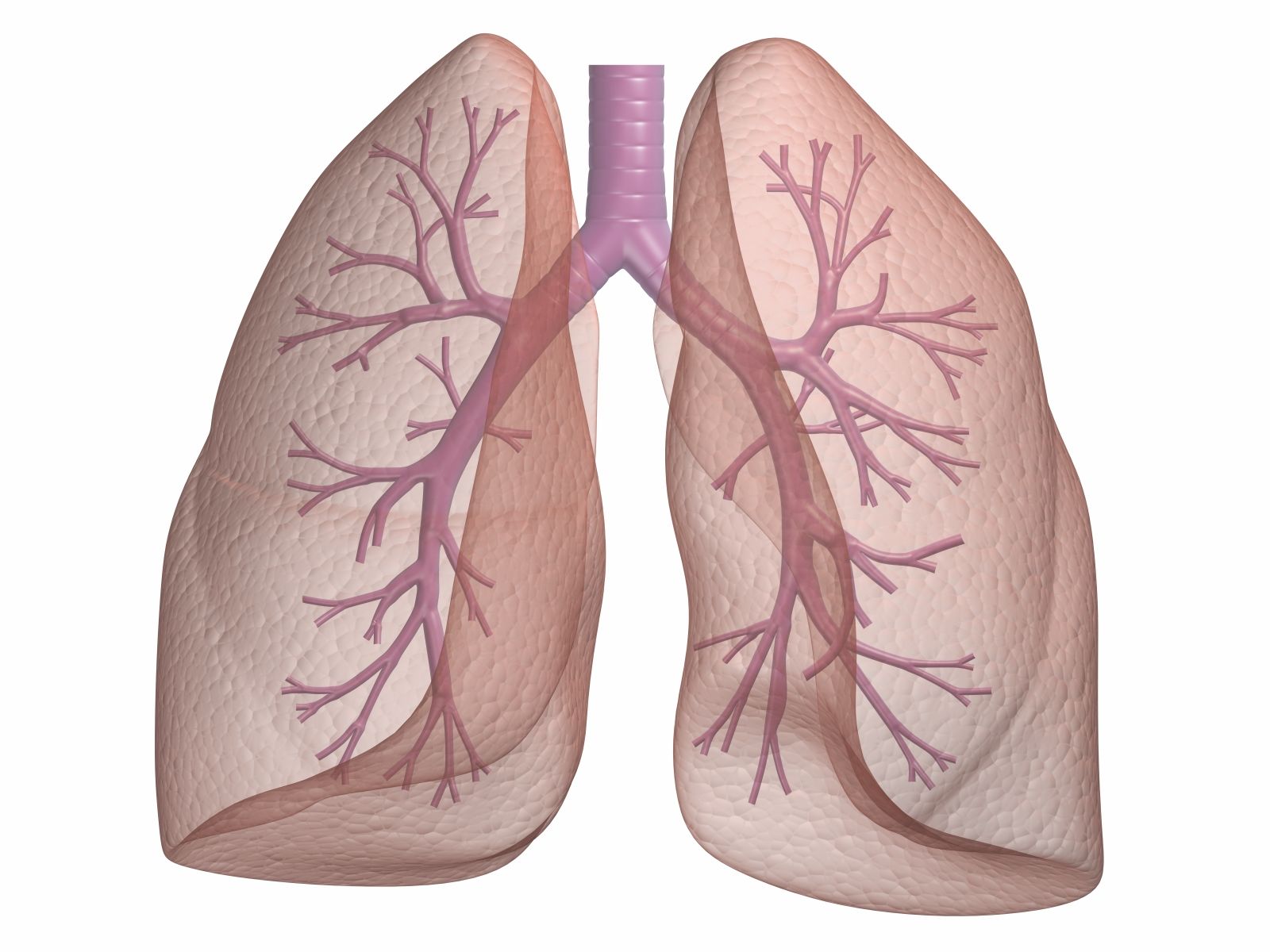
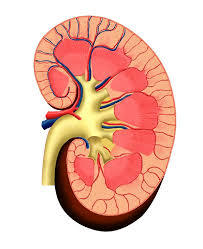
- The pH of the extracellular fluid is regulated by the control of plasma CO2 and HCO3 –by the lungs, liver and kidneys.
- Complete oxidation of amino acids generates not only CO2 and water, but also......... (derived from the carboxylic and amino/amido moieties of amino acids).
- HCO3–
- NH4+
- Thus, protein oxidation creates a strong alkali (HCO3–) and the major pathway for removal of HCO3–is hepatic urea synthesis.
Control of hepatic urea synthesis by extracellular pH
- At normal pH:
- The rate of bicarbonate removal (urea synthesis) from the organism must match the rate of bicarbonate production (protein catabolism) and the regulation of urea cycle flux appears to be controlled by the rate of protein breakdown only.
- In case of acidosis:
- the liver responds with a decrease of urea synthesis relative to the rate of protein catabolism and oxidation
- Consequently, a fraction of the bicarbonate generated during protein breakdown is retainedin the body and can be used to correct the underlying acidosis
- The efficiency of such a mechanism is high: a 10% inhibition of ureogenesis relative to protein breakdown in acidosis will retain about 100 mmol HCO3 –per day.
- Consequently, a fraction of the bicarbonate generated during protein breakdown is retainedin the body and can be used to correct the underlying acidosis
- the liver responds with a decrease of urea synthesis relative to the rate of protein catabolism and oxidation
- At normal pH:
How changes in pH control rate of urea synthesis?
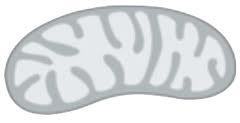
- pH control the level of substrate (ammoniaand bicarbonate) provision for mitochondrial CPS I (carbamyl phosphate synthetase I), but not within the urea cycle itself.
- The mechanisms involved include:
- 1.The control of amino acid transport across the hepatocyte membrane
- 1. The pH control of amino acid transport across the hepatocyte membrane: During acidosis, there is decreasein hepatic uptake of glutamineand other amino acid.
- This is done through coupling Glutamine/Na+ symport to H+ antiport
- This shifts the site of amino acid catabolism from the liver to nonhepatic tissues
- Thus, acidosis:
- inhibits urea synthesis by decreasing its substrates; ammonia and bicarbonate.
- shifts hepatic ammonia detoxication from bicarbonateconsuming urea synthesis to net glutamine synthesis, which is the result of both increased perivenous glutamine formation and reduced glutamine consumption at periportal glutaminase.
- inhibits urea synthesis by decreasing its substrates; ammonia and bicarbonate.
- Thus, acidosis:
- This shifts the site of amino acid catabolism from the liver to nonhepatic tissues
- This is done through coupling Glutamine/Na+ symport to H+ antiport
- 1. The pH control of amino acid transport across the hepatocyte membrane: During acidosis, there is decreasein hepatic uptake of glutamineand other amino acid.
- 2.The control of mitochondrial glutaminase and carbonic anhydrase V activities
- 2. The pH control of mitochondrial glutaminase and carbonic anhydrase V activities: Acidosis inhibits glutaminase enzyme activity (ammonia formation decrease by 70%)
- Acidosis also inhibits the mitochondrial carbonic anhydrase V enzyme which provides HCO3 –inside the mitochondria for CPS (because the mitochondrial membrane is impermeable to HCO3–but not to CO2)
- Acidosis also inhibits the mitochondrial carbonic anhydrase V enzyme which provides HCO3 –inside the mitochondria for CPS (because the mitochondrial membrane is impermeable to HCO3–but not to CO2)
- 2. The pH control of mitochondrial glutaminase and carbonic anhydrase V activities: Acidosis inhibits glutaminase enzyme activity (ammonia formation decrease by 70%)
- 1.The control of amino acid transport across the hepatocyte membrane
Bilder und Dateien der Mindmap











Informationen
- Beschreibung
- Mindmap am Ammonia metabolism, erstellt von hadeel.seraj am 23/11/2014.
- Erstellt von
- hadeel.seraj
- Aufrufe
- 12
- Bewertung