
Mindmap
Alzheimer's Disease
Inhalt der Mindmap
Alzheimer's Disease
Diagnosis (Goodridge, et al. 2018)
- Definitive diagnosis occur after death with direct examination of the brain
- Clinical and neuropsychological testing in tertiary care clinics
- Diagnosis (Alzate, 2018)
- Doctor may construct memory and cognitive tests
- standard medical tests, such as blood and urine tests, to identify other possible causes of the problem
- Computed tomography (CT), magnetic resonance imaging (MRI), or positron emission tomography (PET), to rule out other possible causes for symptoms
Medication for Treatment/ Prevent Worsening of Disease (Schneider et al., 2014)
- Cholinesterase Inhibitors (Skidmore-Roth, 2018)
- donepezil (Aricept)
- galantamine (Razadyne)
- rivastigmine (Exelon)
- NMDA Receptor Antagonist
- memantine (Namenda)
- Serotoninergic agents ( 5‐HT6 receptor antagonists)
- Monoamine oxidase inhibitors (selegiline)
- Anti amyloids: α‐secretase activators: Epigallocatechin gallate
- Be mindful that there is no known cure
- Cholinesterase Inhibitors (Skidmore-Roth, 2018)
Possible Causes (Bird, 2008)
- Age/Gender
- highest risk is 65-85 years of age
- Prevalences increase after 85 years old
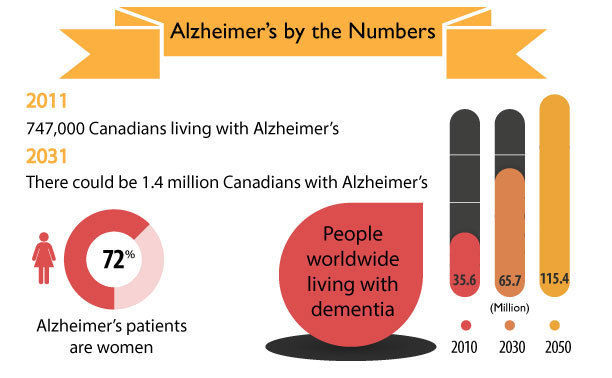
- More common in woman than men
- Family history
- genetics
- Down's syndrome
- Enviornmental
- typically head injury
- viruses
- toxins
- low education level
- Lifestyle choices
- high fat diet
- obesity
- type II diabetes
- cardiovascular disease
- Age/Gender
Collaborative Care (Goodridge, et al. 2018)
- slow the decline of cognition
- maintain and maximize quality of life
- support family caregivers
Pathophysiology (Goodridge, et al. 2018)
- Progressive neurodegenerative disorder
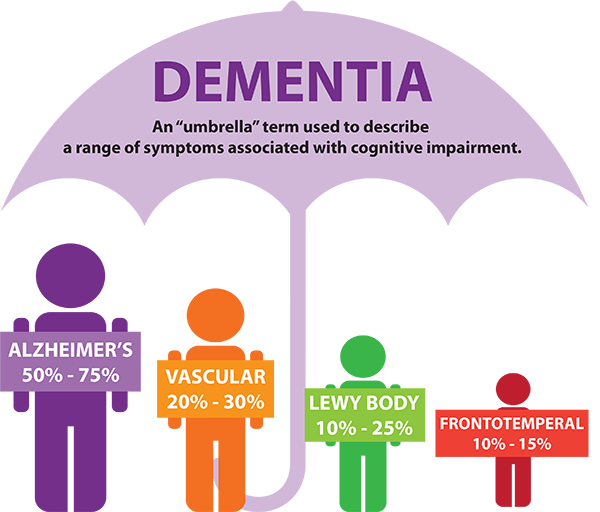
- Most common form of dementia
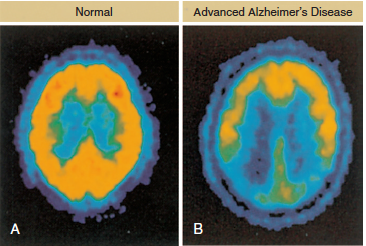
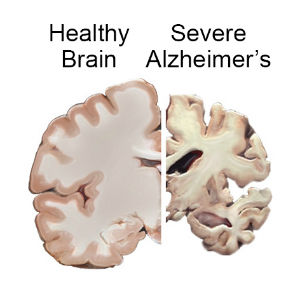
- Characterized in the brain by neurofibrillary tangles in the neurons of the cerebral cortex and hippocampus
- Also characterized by the deposition of amyloid within senile plaques and cerebral blood vessels.
- (Weinstein, 2017)
- Cerebrovascular insufficiency: Less blood flowing to the brain
- Damaging protein inclusions: plaques and tangles of proteins are found in the brains of individuals suffering from Alzheimer’s disease
- Oxidation: oxidation can lead to damage of the molecular structures in the brain
- Inflammation: as people get older, chronic inflammation in the brain can result from damaged microglia and astrocytes
Stages and Symptoms (Dolores, Fernandes & Galan, 2019).
- Mild Alzheimer's (early stage)
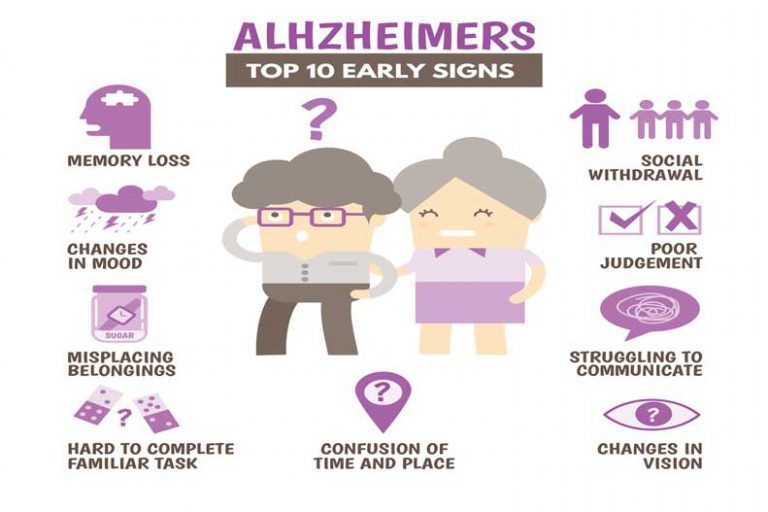
- Problems coming up with the right words
- Trouble remembering names
- Challenges performing tasks
- Forgetting material
- Losing or misplacing things
- Increasing trouble with planning or organizing
- Moderate Alzheimer's (middle stage)
- Feeling moody or withdrawn
- Unable to recall own information
- Confusion about where they are
- Forgetfulness of events
- Trouble controlling bladder and bowels
- Changes in sleep patterns
- Increased wandering
- Personality and behavioural changes
- Severe Alzheimer's (late stage) (Alzheimer's Association, 2019)
- Need round-the-clock assistance with daily activities and cares
- Lose awareness of surroundings
- Have increasing difficulty communicating
- Become vulnerable to infections, especially pneumonia
- Mild Alzheimer's (early stage)
2.
1.
3.
5.
4.
6.
7.
"persistent impairment of intellectual function with compromise in at least three of the following mental aspects: language, memory, visuospatial skills, executive function, personality and cognition" (Alzate, 2018).
Client Centred Care (Vespa, Gori, & Spazzafumo, 2002)
- musical activities
- listening
- singing
- dancing
- playing instruments
- re-motivation socialization activities
- table games/activites
- colouring
- bingo
- cards
- table games/activites
- occupational activities
- cooking
- gardening
- painting
- psychomotor activities
- exercising
- ROM activities
- ball games
- musical activities
Prevention Strategies (Hsu & Marshall, 2017)
- Have a large social network
- Manage and/or treat hypertension
- Exercise
- Cognitive training (ie. ADLs, problem solving)
- Mediterranean diet (High in fruits, vegetables, and fish. Low in dairy, meat, wine)
- Omega-3 supplementation
Nursing Centred Care (Vera, 2018)
- Chronic confusion
- Utilize cognitive function testing
- Avoid frustrating situations and overstimulation
- Maintain consistant scheduling
- Provide time for reminiscing
- Wandering
- Assess reasons for wandering
- Maintain safe environment and structured routine
- Install bed alarms
- Avoid use of restraints
- Assess patient needs (thirst, hunger, pain, discomfort, need for toileting )
- Social Isolation
- Identify support systems
- Assess ability to participate in social activities
- Provide diversional activities as appropriate for functional ability
- Provide rest and sleep periods
- Avoid situations that cause frustration, agitation, or sensory overload
- Assess patients feelings, anxiety, depression, and feelings of powerlessness
- Risk for injury
- Assess patients surroundings for hazards
- Assess degree of impaired ability of competence, emergence of impulsive behaviour, and a decrease in visual persception
- Maintain adequate lighting and clear pathways
- Don't leave patient unattended when in later stages of the disease
- Non slip shoes and shoes without laces
- Ensure patient is wearing hearing aid and glasses
- Maintain quiet environment
- Chronic confusion
8.
Our View on Alzheimer's Disease
- Make the most of it
- Remember there is an entire family behind the patient whom is also suffering from this change
- As the prevalence of the disease increases, this is a comorbidity that we will have to be familiar with in our nursing practice
- Finding Joy in an Alzheimer's Reality- TedTalk
- https://www.youtube.com/watch?v=SxZqoIbnVis
- Promote the happiness these people feel
- Do not focus on the facts, engage with what interests the patient
- Remember they don't mean to ask questions repeatedly, be polite and compassionate.
- https://www.youtube.com/watch?v=SxZqoIbnVis
9.
Bilder und Dateien der Mindmap


Informationen
- Beschreibung
- Mindmap am Alzheimer's Disease, erstellt von Valerie Fischer am 06/03/2019.
- Erstellt von
- Valerie Fischer
- Aufrufe
- 47
- Bewertung