
Mindmap
The World Today-Marcos Corcoba Abarquero nº8 3ºA
Inhalt der Mindmap
The World Today-Marcos Corcoba Abarquero nº8 3ºA
Globalisation in the world today
- Important historical events
- The fall of the Berlin Wall
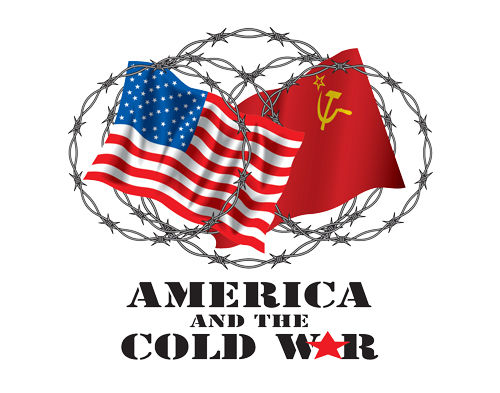
- The end of the Cold War
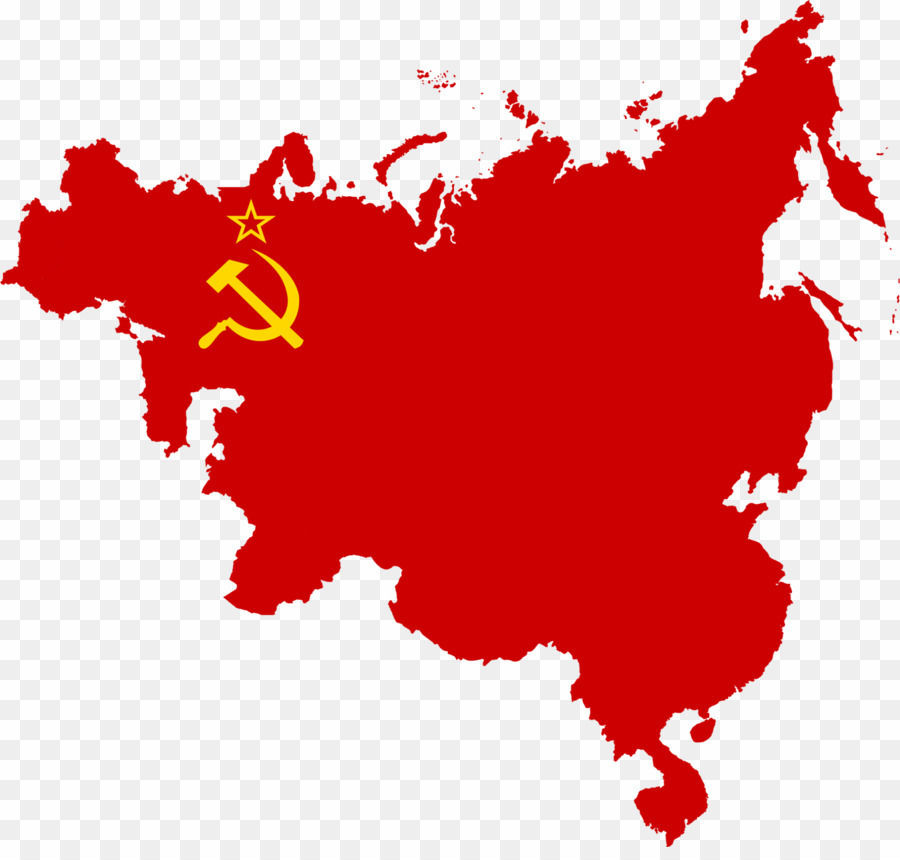
- The dissolution of the Soviet Union
- Disadvantages of the globalistaion
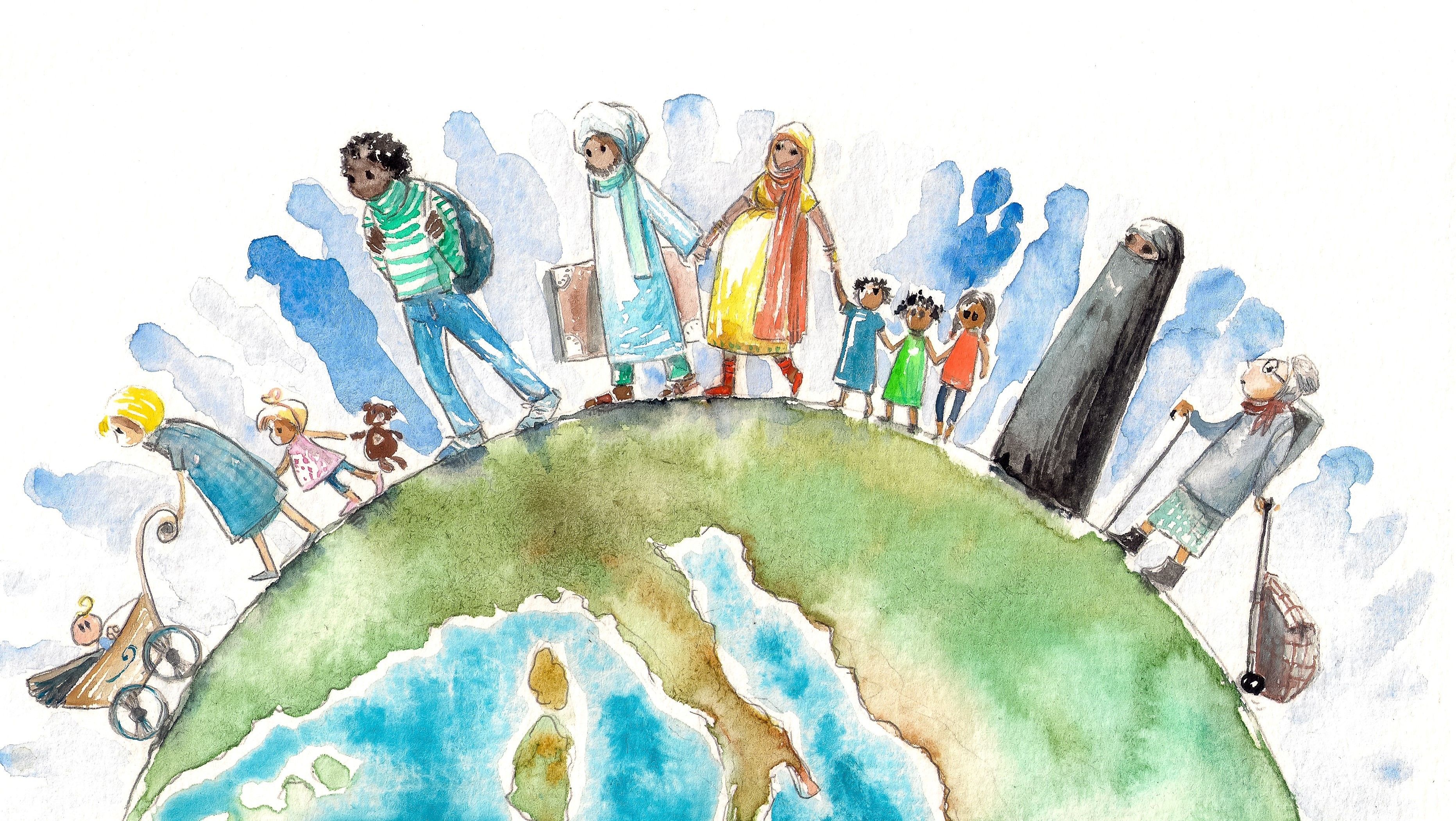
- Migration
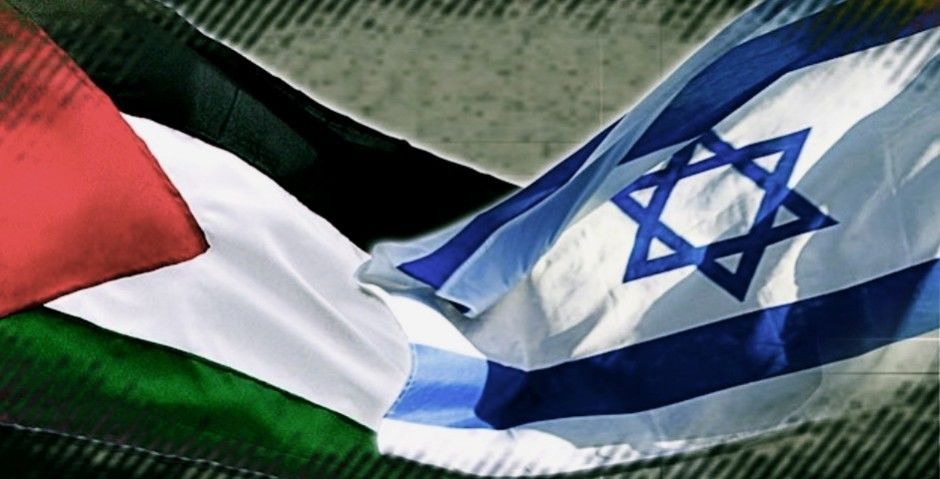
- International conflicts
- Urban and demographic problems
- Economic globalisation
- Cause: the spread of capitalism as an economic system
- Consecuence: has completely changed the map od global production
- Features of the map of global production
- Tertiarisation and financialisation
- Concentrarion of wealth
- Multinationals
- Government bodies are now of secondary importance
- Ecnomic instability and increased inequality
- Relocation of industry
- Unemployent and a loss of purchasing power
- Important historical events
Conflicts
- Siglo XXI
- Causes
- Economic differences
- Unresolved conflicts
- Religious and cultural intolerance
- Consecuences
- Geopolitical tensions
- Civil conflicts
- Wars between nations
- Territorial disputes
- Terrorism
- Causes
- A world in conflict
- Central and South America
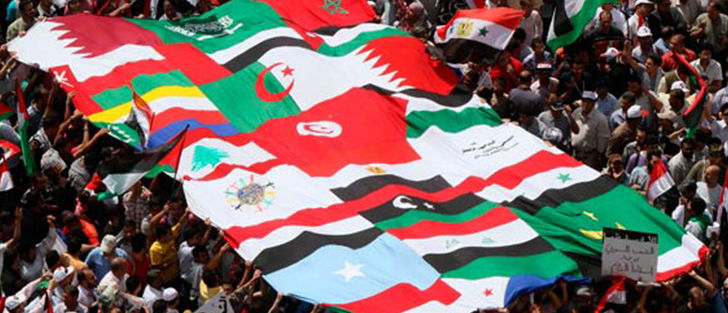
- The Arab Spring
- Pacific
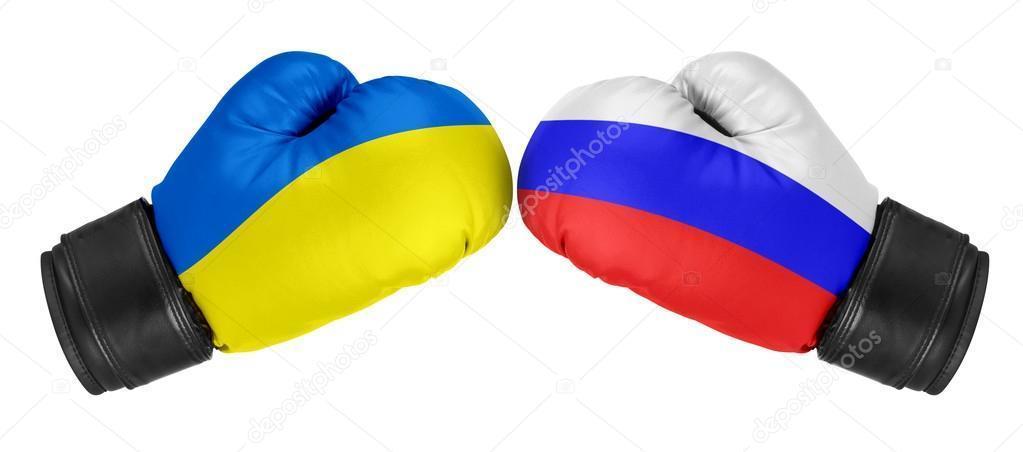
- Russia's neighbouring countries
- Central Asia
- The Middle East
- Africa's forgotten conflicts
- Siglo XXI
Migration
- Definition: large population movements of migrants with different motivations
- Causes
- Natural
- Force local populations to leave their home
- Political
- Conflicts and political crises disrupt a country and force dissidents, the persecuted and those who fear for their live, to leave
- Socioeconomic
- Emigrants seek a better quality of life in terms of:
- Education
- Employment
- Health
- Emigrants seek a better quality of life in terms of:
- Natural
- Types
- Forced
- Voluntary
- Temporary
- Permanent
Urban Problems
- In 2007 it was estimated that more than a half of the world's population was living in the cities
- Why?
- The cities provide some advantages
- Better employment opportunities
- More servicies and leisure facilities
- The cities provide some advantages
- Why?
- The constant growth produce some disadvantages
- Housing
- Social segregation
- Supplies and waste management
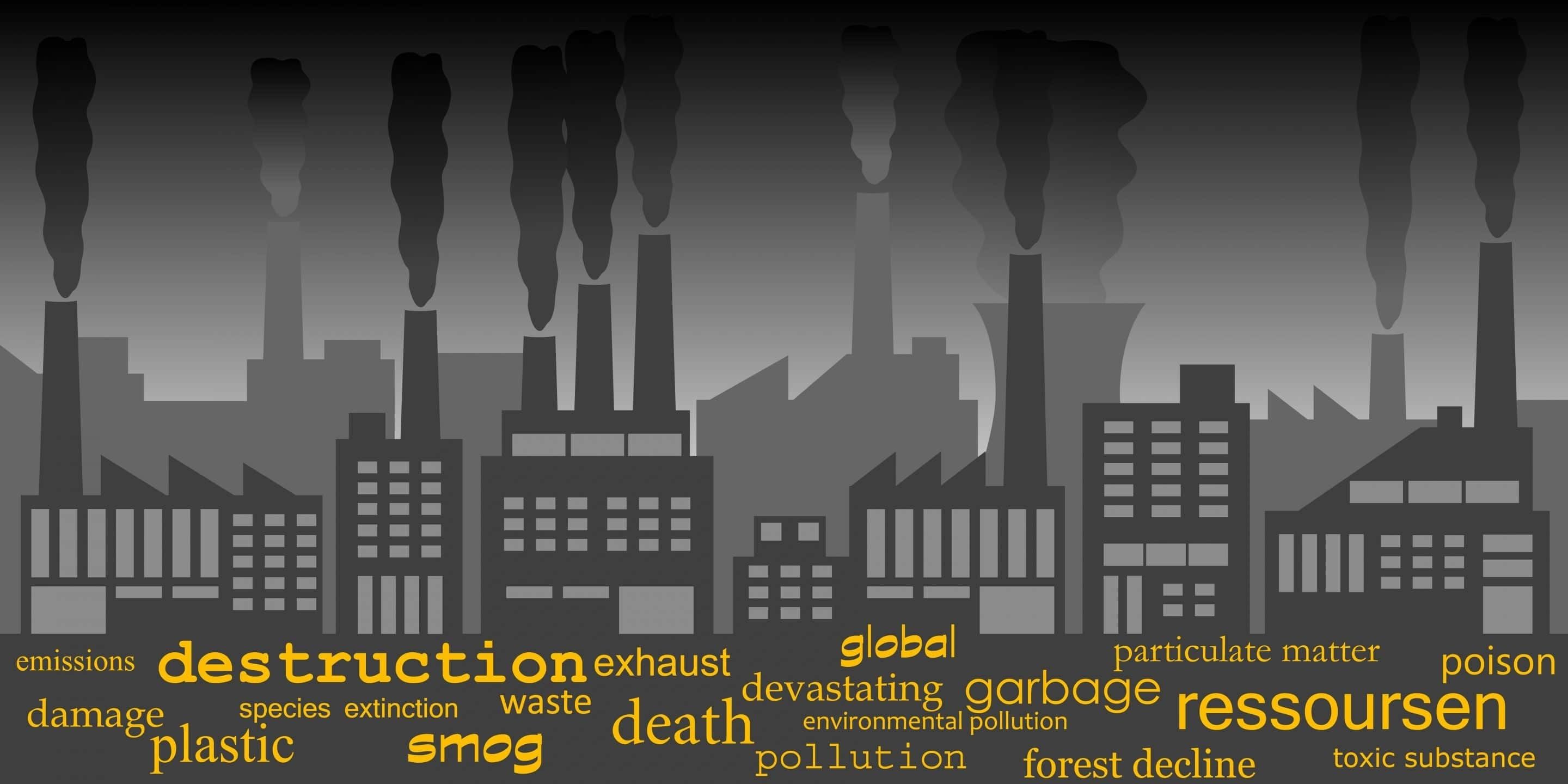
- Emvironmental degradation
- Property speculation
- Caused by high demand and high land prices have caused a generalised increase in the cost of housing in all developed countries
- In 2007 it was estimated that more than a half of the world's population was living in the cities
Population
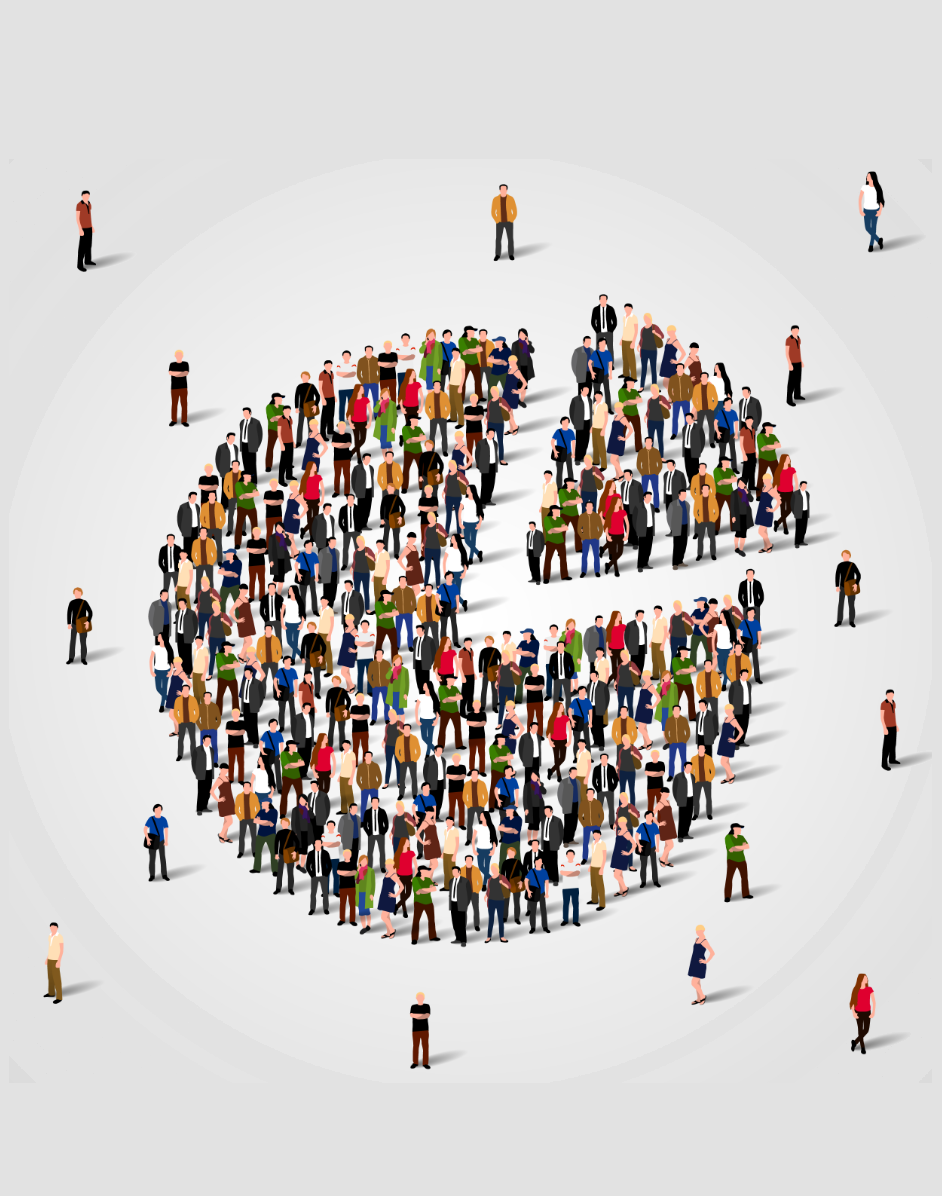
- Is the number of inhabitants living in an area at a certain time
- It is estimated that there are more than 7.3 billion people in the World today
- To understand a population's characteristics
- To study its birth rates
- To study its death rates
- To study the life expectancy
- To study the natural population growth
Countries and levels of developments
- Indicators to classify the country
- Information about the economy
- The level of social and cultural development
- Demographic and urban features
- Classification of countries by development levels
- Developed countries
- Per capita GPD is vey hight
- Hight levels of cultural and development countries
- Their trade relations often assist with their development
- They have democratic political systems
- Rich countries
- Developing countries
- Underdevelopment
- Political instability
- Very little industrialisation
- Consumption per capita is very low
- Depend on developed countries
- Emerging economies
- Hight rates of economic growth
- A level of industrialisation that is sometimes even higher than of developed countries
- Underdevelopment
- Developed countries
- Indicators to classify the country
International decision-making bodies
- The United Nations
- All states in the world
- It was created in 1946
- Functions
- To provide humanitarian aid
- To guarantee international security and peace
- Defend human rights
- Organs
- General Assembly
- Security Council
- Secretariat
- International Court of Justice
- Limitations
- Depend on financial contributions
- The enormous power held by the five countries with the power of veto on the Security Council
- The lack of armed forces
- Organs
- Food and Agriculture Organisation (FAO)
- International Labour Organisation (ILO)
- United Nations Educational, Scientific and Cultural Organisation (UNESCO)
- World Health Organisation (WHO)
- United Nations High Commissioner for Refugees (UNHCR)
- United Nations Children's Fund (UNICEF)
- Non-governamental organisations
- In the final decades of the 20th century
- Characteristics
- Most of their staff work as volunteers
- They operate independently of any governmental power
- They deal with a wide variety of problems
- They are funded by membership fees and contributions from companies, institutions, and individuals
- Regional organisations
- The European Union (EU)
- The African Union (AU)
- Association of Southeast Asian Nations (ASEAN)
- Organisation of American States (OAS)
- Informal forums
- G7 (1973): USA, Japan, Germay, The United Kingdom, Canada, France and Italy
- BRICS: Brazil, Russia, India, China and South Africa
- Economic organisations
- The World Trade Organisation (WTO)
- North American Free Trade Agreements (NAFTA)
- International Monetary Fund (IMF)
- World Bank
- The United Nations
Bilder und Dateien der Mindmap






Informationen
- Beschreibung
- 3º de ESO Geografía Mindmap am The World Today-Marcos Corcoba Abarquero nº8 3ºA, erstellt von Marcos Corcoba Abarquero am 10/12/2019.
- Erstellt von
- Marcos Corcoba Abarquero · Dez 2019
- Aktualisiert
- 13 Dez 2019
- Aufrufe
- 31
- Bewertung