
Mindmap
Children Learning English
Inhalt der Mindmap
Children Learning English
Contexts for learning
- Strategies to manage the mixed ability class
- • Catering for pupils’ lack of interest or ability
- • Avoid labelling students
- Do you have a tendency to label your students according to their behaviuor, personality or learning ability?
- • Giving enough time
- • Planning differentiated activities
- • Have high expectation of all pupils
- "Children then begin to begin to behave as we expect them to, and so they end up becoming successful or failing according to our expectations"(p29)
- • Varying teaching methods to cater for different abilities and learning styles
- Planning differentiated activities
- • Varying teaching methods to cater for different abilities and learning styles
- • Creating a warm, friendly learning environment
- • Lively classrooms
- • Warm and happy atmosphere
- Strategies to manage the mixed ability class
Children as languague learners
- Pupil's abilities
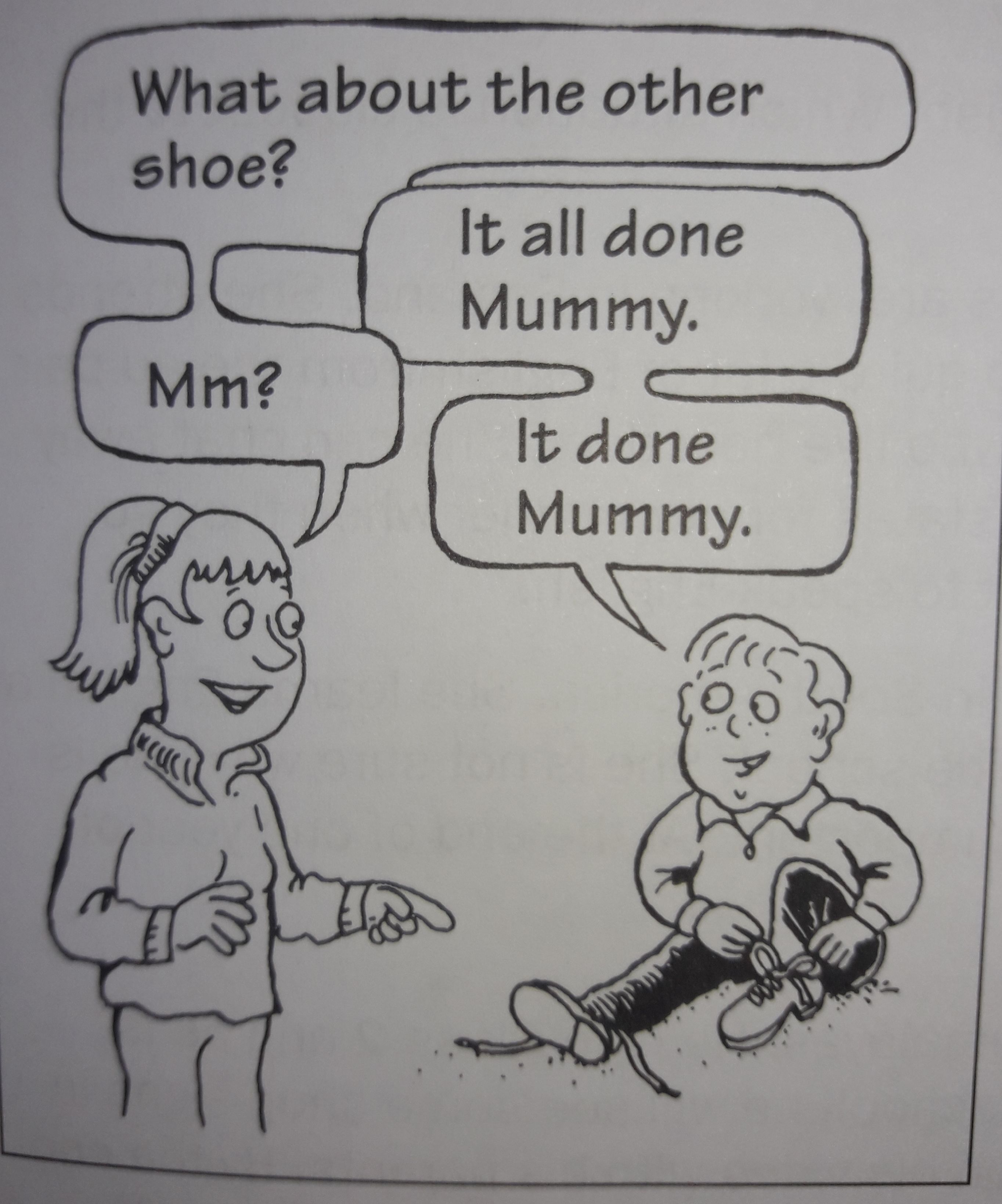
- • Need a safe environment to participate
- • Talk their heads off
- • Use chunks of language
- • Use language creatively
- • Go for meaning
- • Are naturally curious to join the action
- What implications do they have in our classrooms?
- • Have fun
- Pupil's abilities
teachers' beliefs about learning
- Ways of observing children's language learning
- Can error be signs of active learning?
- • Keep a diary
- • Record children’s interaction
- Have you discovered discrepancies between your lesson plans and the beliefs you claim to have?
- Ways of observing children's language learning
Ways of developing positive attitudes towards English
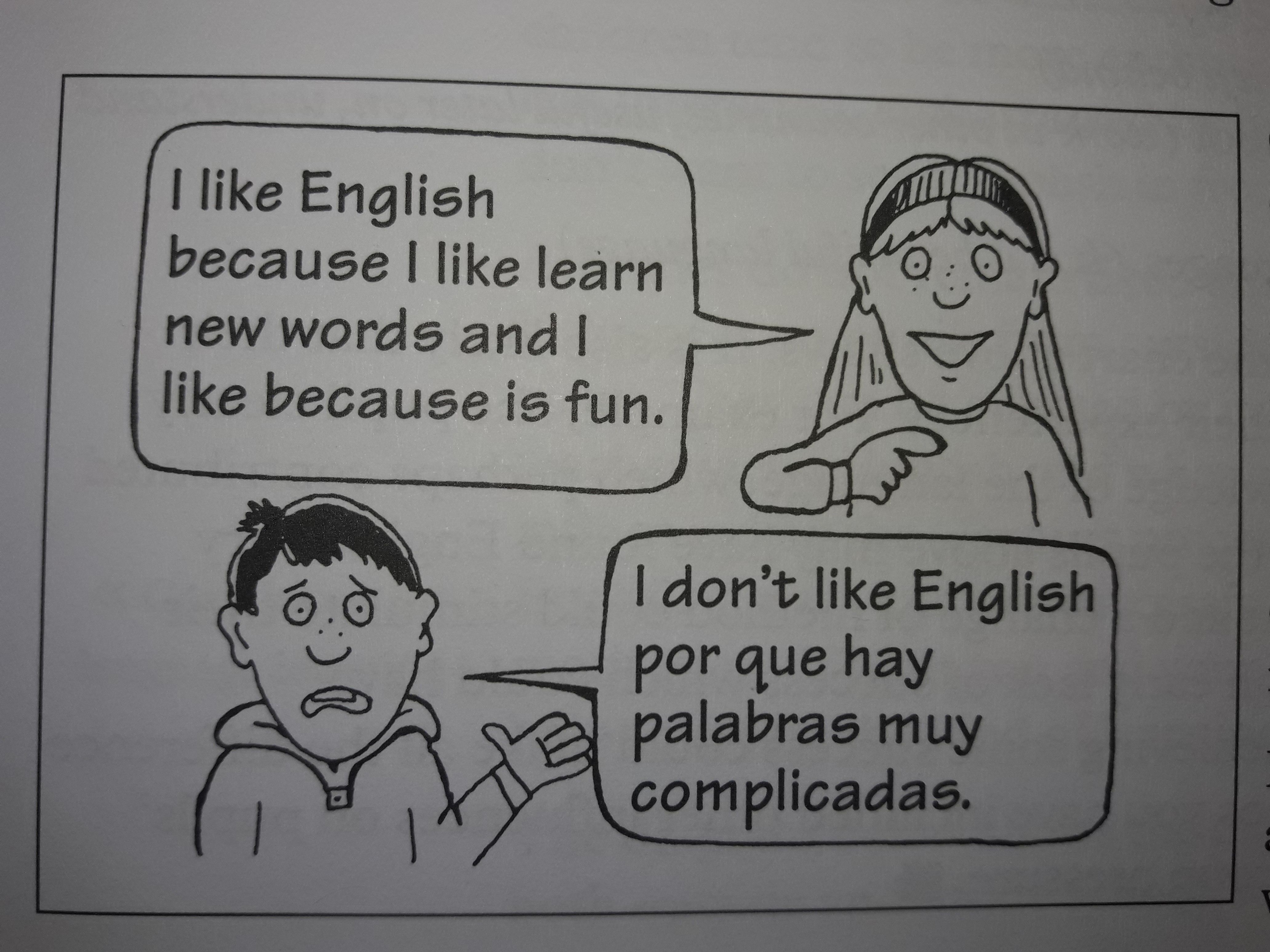
- Which are your students' attitudes towards English?
- • Aiming your lessons at the right level
- • Avoiding TENOR (Teaching English for No Obvious Reason)
- • Encourage peer tutoring and group teaching
- • Enjoyable activities
- • Find out what pupils feel about learning English
- • Helping students to create reasons for learning English
- • Find out what pupils feel about learning English
- • Helping students to create reasons for learning English
- Motivating Students
- Explain
- Reward
- Care
- Teach inductively
- Satisfy students needs
- Make learning visual
- Positive emotions
Pupils' attitudes to learning English
Classroom Management
- Establishment and mantainance of the classroom so the educational goals can be accomplished
- Effective Management
- Planning
- Establishing routines
- Considering consequences
- Establishing limits
- Effective Management
- Approaches
- -Self-discipline approach
- -Instructional approach
- Dessist approach
- The teacher
- Effective teacher: Meets students personal and academic needs
- Ineffective teacher: Poor planner - unclear academic and behavioral expectations
- Causes of misbehavior
- The teacher
- Home environment
- Establishment and mantainance of the classroom so the educational goals can be accomplished
Scaffolding
- Support given to the students
- Adjust and reduce support
- Four basic categories
- Metacognitive
- Reduce the amount of mental processing
- Procedural
- To show a process
- Strategic
- Provides alternative ways to approach a given task
- Conceptual
- Recognizing relationships between things
- Metacognitive
- Support
- Further support through contexts which:
- are familiar to pupils
- provide clues to the meaning of the language
- begin from the concrete, physical, and move to the more abstract
- 1. (Teacher's) Language
- Using language at children's level
- Adjusting one's language
- Adjusting one's speed and volume
- Using gestures and actions
- 3. Children themselves
- By watching other children (as models)
- By listening and getting help from others (as tutors)
- Practicing with others (as partners)
- 2. Techniques and resources
- Repeat pupils' answers
- Rephrase answers
- Use gestures / actions
- Activate background / prior knowledge
- Create a meaningful purpose for using language
- Clear feedback
- Further support through contexts which:
- Support given to the students
Language Use in the Classroom
- Teacher's talk
- Teacher's action zone
- To allow all students equal opportunities to participate
- Main form of language input
- Gradually increase the amount of English
- It gives pupils more exposure
- Language
- Simple instructions & vocabulary
- Repetitive pattern
- Actions linked to the words
- Using objects
- Both languages are a resource
- Gradually increase the amount of English
- Asking questions
- Effectiveness
- Clarity
- Learning value
- Interest
- Availability
- Extension
- Teacher's reaction
- Types of questions
- Display
- Referential
- Divergent
- Convergent
- Purposes of questions
- Referential
- Noticing
- Concept-checking
- Form-based
- Guidance
- Effective questioning
- Give enough time
- Balance questions
- Divergent questions
- Effectiveness
- Storytelling
- Adquisition of new vocabulary
- Enjoyment
- Development of lestening skills and literary competence
- Feedback
- Clarify
- Value
- Concerns
- Suggest
- Thanks
- Teacher's action zone
- Supportive strategies
- Genuine interest
- Attention to language accuracy in a constructive way
- Understandable input
- Working in partnership with students
- Teacher's talk
Bilder und Dateien der Mindmap
Informationen
- Beschreibung
- Children Learning English / Classroom Management / Scaffolding
- Erstellt von
- Agustina Gonzalez
- Aufrufe
- 33
- Verlauf
-
- Erstellt von Paula Dell' Acqua · 6 Mai 2020
- Kopiert von Paula Dell' Acqua · 6 Mai 2020
- Kopiert von Liz White · 6 Mai 2020
- Kopiert von Agustina Gonzalez · 17 Jun 2020
- Bewertung