
Mindmap
Space and Volume
Inhalt der Mindmap
Space and Volume
Relations of proximity and distance between flat forms
- Different sizes
- To create space or a sense of depth, we put the bigger fig- ures in the bottom part of the picture. We put the smaller figures further away.
- Superimposition or overlapping
- When two or more flat figures are superimposed (one partly covers or hides the other one), the ones on top are positioned in front and closer to the viewer.
- Different sizes
Transparency
- Transparency is a variant of the superimposition criterion. In it, the figures behind are seen in a veiled way through the ones in front; it is as if they were transparent.
Contrast
- In colours
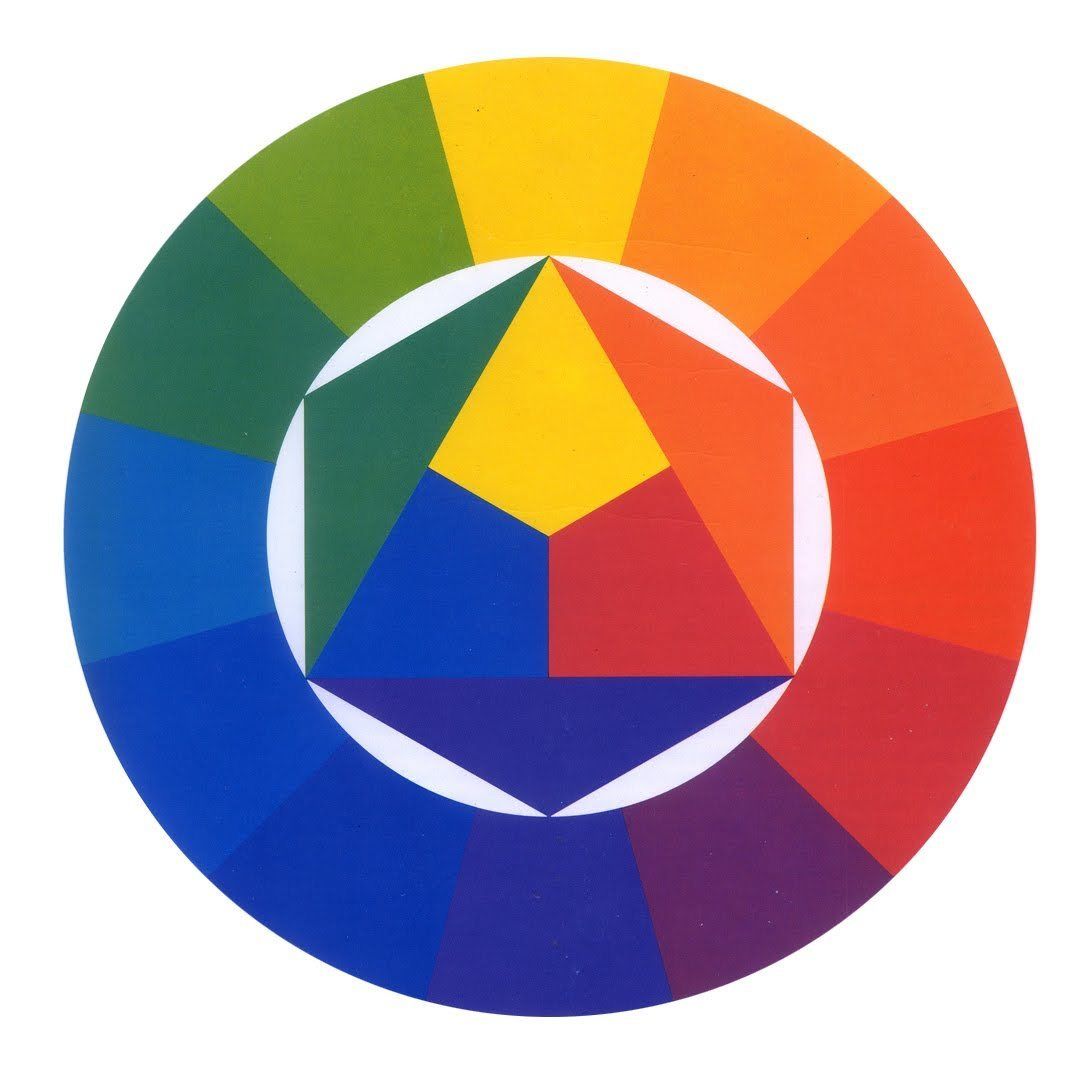
- We see forms represented in vivid and contrasting colours as being closer, and we see forms in fainter colours as being further away. By combining colours in a certain way, we can create the effects of depth, proximity or distance.
- Warm colours (red, yellow, orange...) give a sense of proximity, while cool colours (blue, green...) give a sense of depth and distance.
- We see forms represented in vivid and contrasting colours as being closer, and we see forms in fainter colours as being further away. By combining colours in a certain way, we can create the effects of depth, proximity or distance.
- In the definition of forms
- Forms represented with clear outlines and details seem closer, while forms that are further away appear less defined.
- In colours
Chiaroscuro
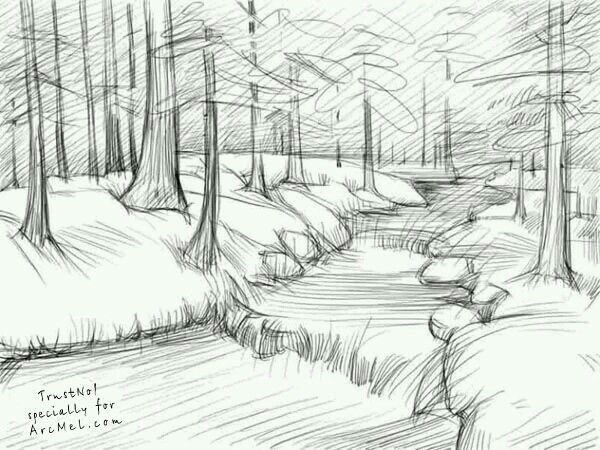
- Drawings based simply on lines cannot sufficiently establish the volume of repre- sented objects. Artists often use the chiaroscuro and shading technique to define these figures
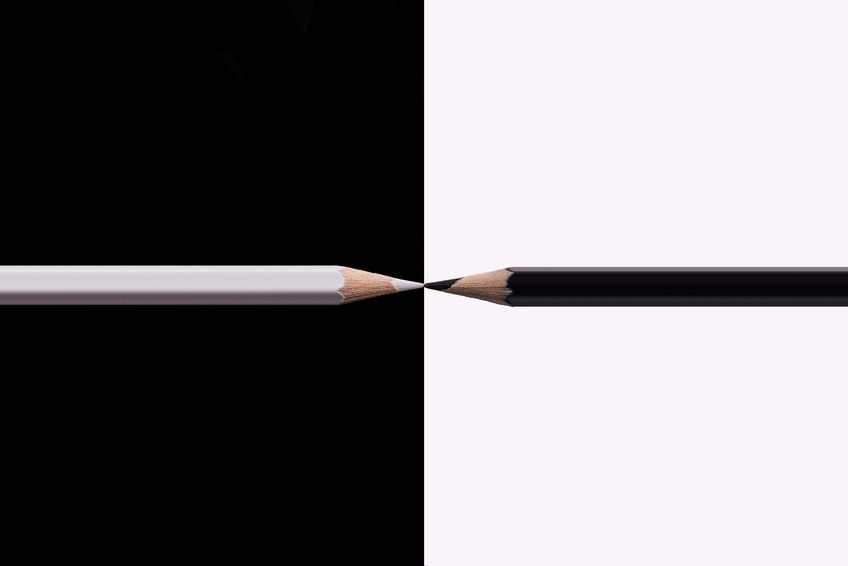
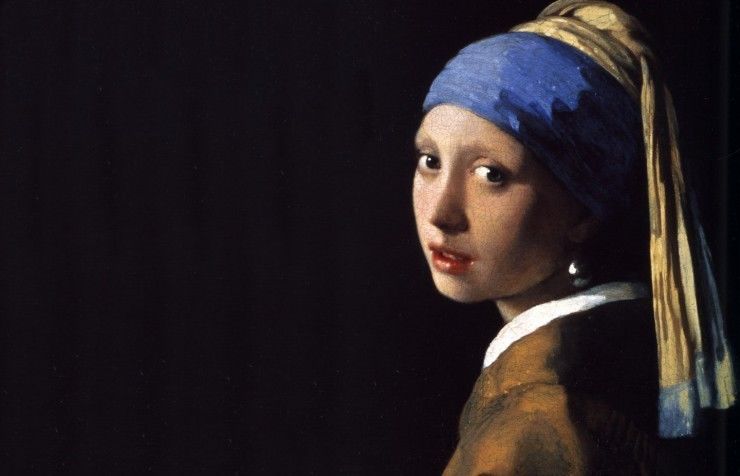
- Chiaroscuro plays the same visual game as light and shadow. This contrast allows observers to perceive relief in a drawing
- Light sources are either natural or artificial. Rays of sunlight, considered parallel, form a cylindrical beam while artificial light comes from a single point and has a beam shaped like a cone.
- Light is either direct or reflected. . Shadows are either form or cast. Form shadows appear on the object that receives light. This same light source projects a cast shadow on a horizontal (ground), vertical (wall) or sloped plane. Buildings, trees and people cast shadows when light shines on them.
- Tones distribute shadows in drawings. Brightness determines the tone value, making the idea of colour seem abstrac
- Highlight or light area (D).
- Half-coloured or middle tone area: intermediate values between light and shadow (E)
- Shadow: areas that do not receive light
- Reflection: shadowed parts with indirect light
- Tones distribute shadows in drawings. Brightness determines the tone value, making the idea of colour seem abstrac
- Light is either direct or reflected. . Shadows are either form or cast. Form shadows appear on the object that receives light. This same light source projects a cast shadow on a horizontal (ground), vertical (wall) or sloped plane. Buildings, trees and people cast shadows when light shines on them.
- Light sources are either natural or artificial. Rays of sunlight, considered parallel, form a cylindrical beam while artificial light comes from a single point and has a beam shaped like a cone.
- Chiaroscuro plays the same visual game as light and shadow. This contrast allows observers to perceive relief in a drawing
- Drawings based simply on lines cannot sufficiently establish the volume of repre- sented objects. Artists often use the chiaroscuro and shading technique to define these figures
Drawing penciles
- Pencils
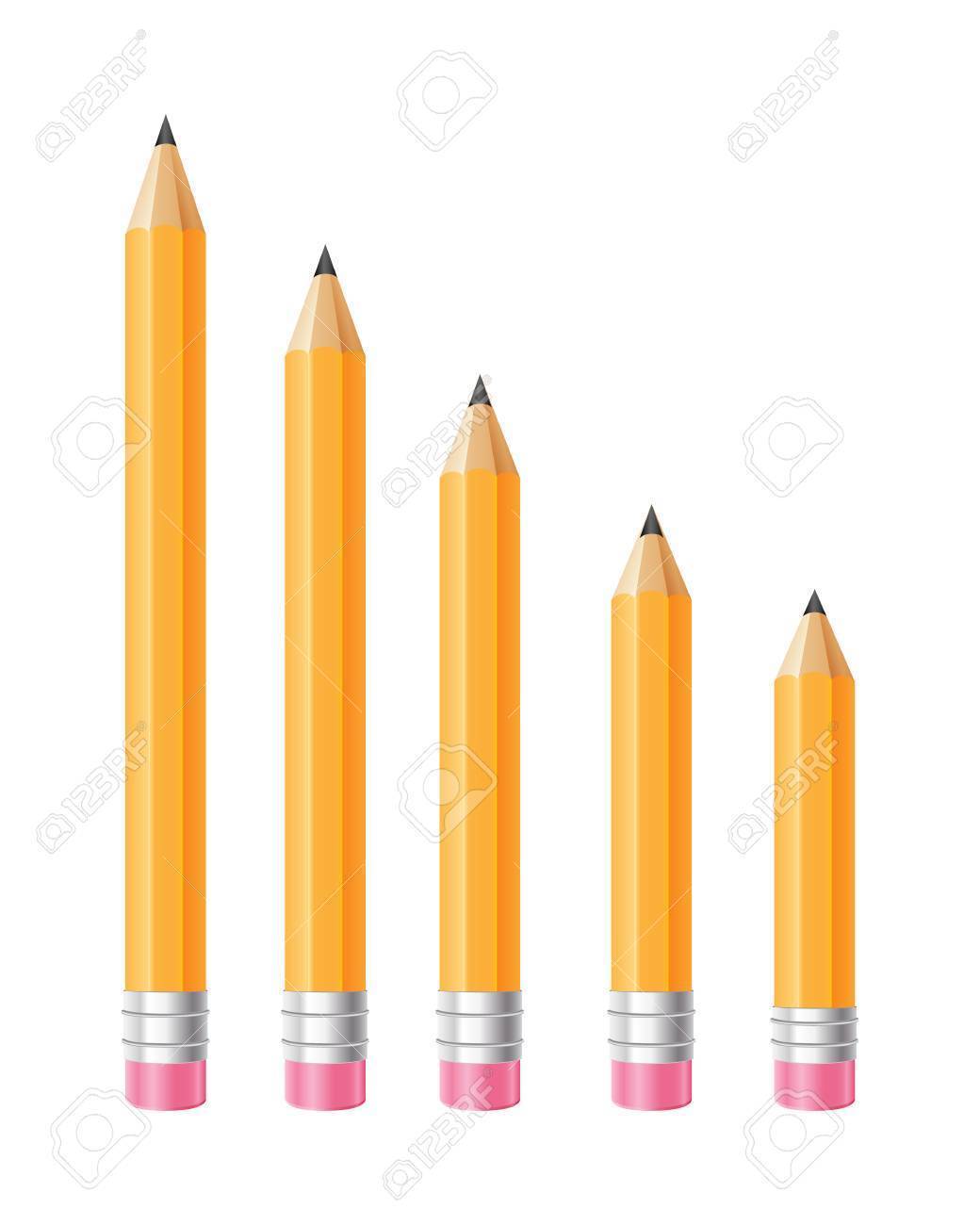
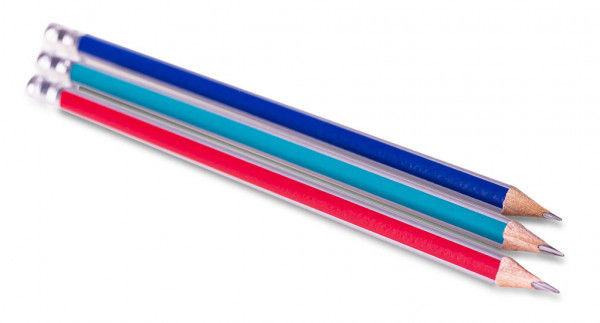
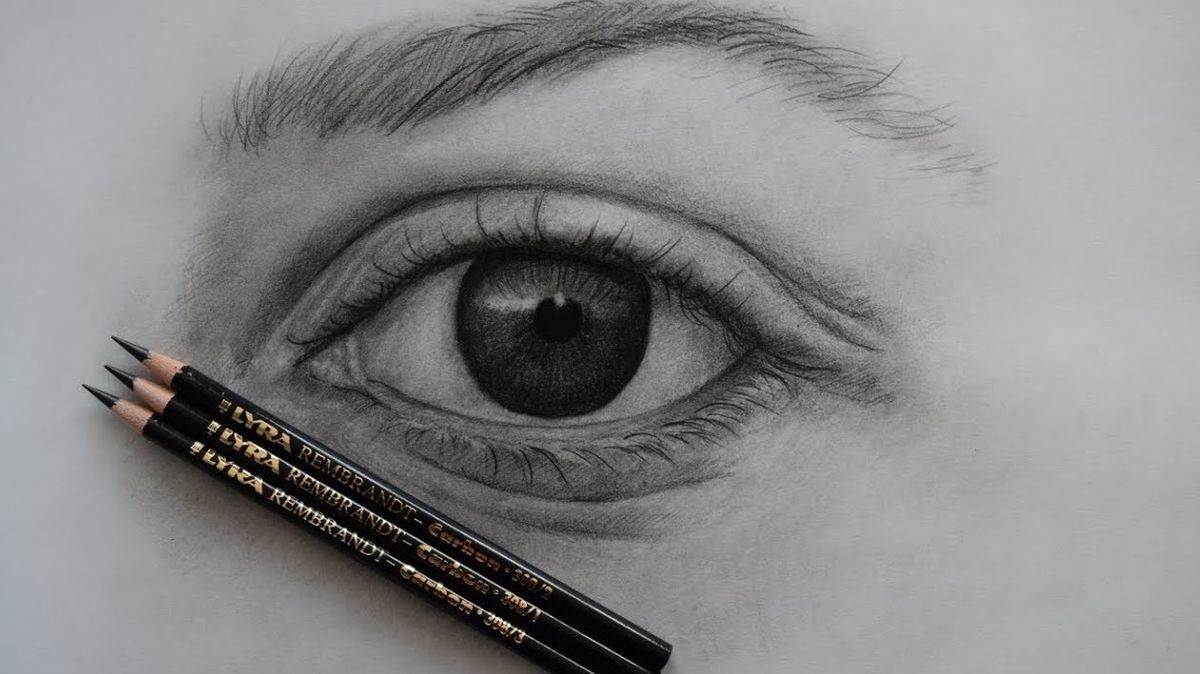
- Pencils are the most widely used drawing instruments. These fine tubes with graphite or a similar material called lead have wood casing or fit inside a lead holder
- . Lead receives a code when manu- factured that determines its hardness level
- Soft lead has the letter B
- while H refers to hard lead.
- A number in front indicates a higher or lower level of hardness. Inter- mediate leads between these two use the letters HB or F
- Hard pencil lead is finer, has a pale grey stroke and feels dry and rough. If you try to blur the stroke, it spreads poorly on the sheet of paper. Artists used hard lead for linear drawing and outline definition.
- Soft leads are thicker and more brittle. They offer a darker, oilier, softer stroke. More strokes on the paper increase their value. Soft lead easily spreads when blurred on paper. Freehand drawing and shading are its main uses
- . Lead receives a code when manu- factured that determines its hardness level
- Pencils are the most widely used drawing instruments. These fine tubes with graphite or a similar material called lead have wood casing or fit inside a lead holder
- Charcoal
- Charcoal is a small bar of vegetable coal. Artists can use charcoal to make intense strokes, stripes and smudges quicker than a pencil. Depending on the desired effect, they may use it tipped, sloped or practically flat. Charcoal provides a direct shadow effect when used with the smudger and eraser.
- It needs paper with a thicker grain than for pencils, such as Ingres, because its surface absorbs better and permits blurring of these fine bits of coal. Large-scale pieces use charcoal. Because charcoal is a bar of coal, it easily stains fingers. We therefore recommend the use of charcoal holders with this material. Artists use graphite on all types of paper and take advantage of its different stroke qualities. A chiaroscuro structure or final touch will result after using a pencil to create lines or smudges.
- A charcoal composition requires sketching or drawing during the first phase. Using light lines to represent the figures, the artist may erase them if necessary. Once the artist makes the composition structure, the finishing phase begins with lines and smudges. These marks are set with a few touches, either with the finger or with a smudger, and they will dote the drawing with relief or a sense of volume.
- Charcoal, when applied on the surface of the medium, leaves a powdery stroke. In many cases, the artist can extend this powder with his or her fingertips or a tool called a smudger. This tool spreads graphite from the pencil or charcoal on the paper, giving it a relatively even blur
- A charcoal composition requires sketching or drawing during the first phase. Using light lines to represent the figures, the artist may erase them if necessary. Once the artist makes the composition structure, the finishing phase begins with lines and smudges. These marks are set with a few touches, either with the finger or with a smudger, and they will dote the drawing with relief or a sense of volume.
- It needs paper with a thicker grain than for pencils, such as Ingres, because its surface absorbs better and permits blurring of these fine bits of coal. Large-scale pieces use charcoal. Because charcoal is a bar of coal, it easily stains fingers. We therefore recommend the use of charcoal holders with this material. Artists use graphite on all types of paper and take advantage of its different stroke qualities. A chiaroscuro structure or final touch will result after using a pencil to create lines or smudges.
- Charcoal is a small bar of vegetable coal. Artists can use charcoal to make intense strokes, stripes and smudges quicker than a pencil. Depending on the desired effect, they may use it tipped, sloped or practically flat. Charcoal provides a direct shadow effect when used with the smudger and eraser.
- Pencils
Colour and painting techniques
- Colored pencils
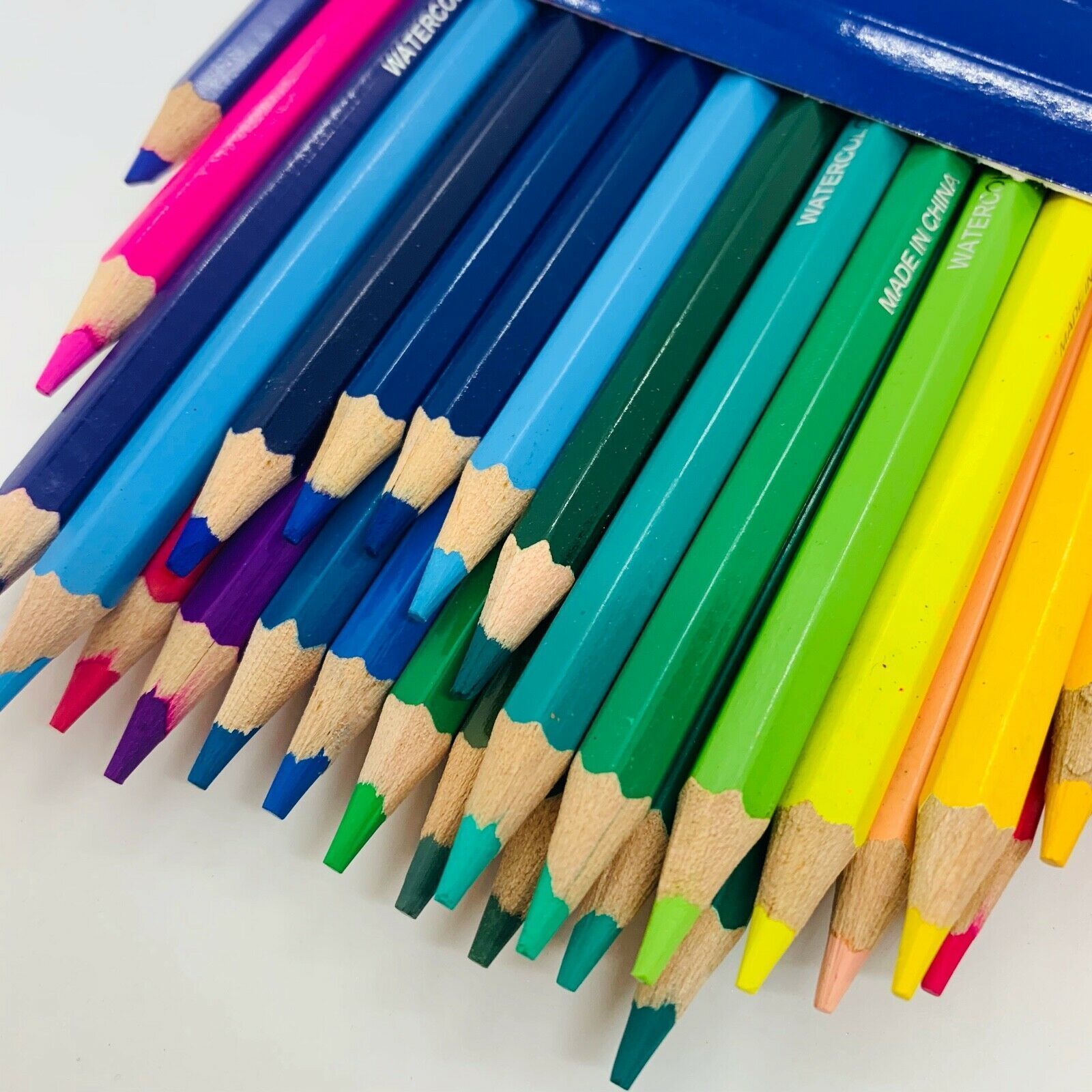
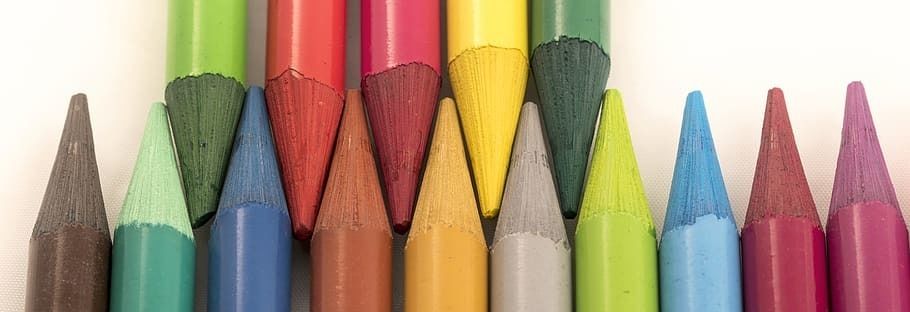
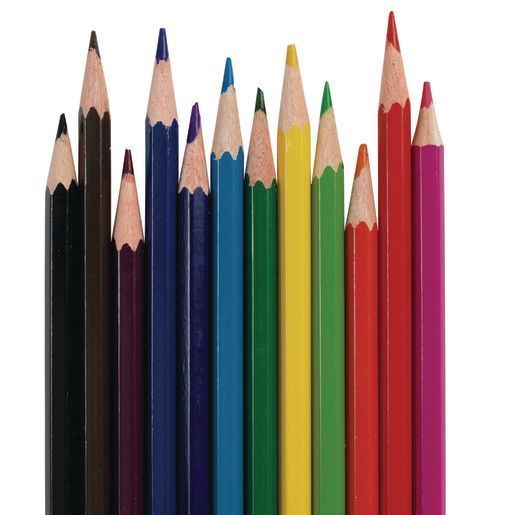
- Coloured pencils are similar to graphite ones but they contain co- loured leads. Their colours vary and consist of coloured pigments glued together with wax.
- Pastels and wax crayons
- These are dried paints glued together with a similar liquid as charcoal. Artists apply a certain degree of pressure when using them on thick, coloured paper
- Steps
- 1. Sketch the pattern with a pencil or a neutral coloured stick (de- pending on the colour of the medium).
- 2. Define the figures and outlines first, just like the drawing process, followed by chiaroscuro zones for shadows using appropriate colours.
- 3. Draw the different elements with suitable colours.
- 4. Identify the most intense shadow zone (darkest colour) and use the corresponding tone to convey this on paper. This serves as a reference for light and colour gradation, which extends pastels to other colour zones.
- 3. Draw the different elements with suitable colours.
- 2. Define the figures and outlines first, just like the drawing process, followed by chiaroscuro zones for shadows using appropriate colours.
- 1. Sketch the pattern with a pencil or a neutral coloured stick (de- pending on the colour of the medium).
- Steps
- These are dried paints glued together with a similar liquid as charcoal. Artists apply a certain degree of pressure when using them on thick, coloured paper
- Colored pencils
Engraving
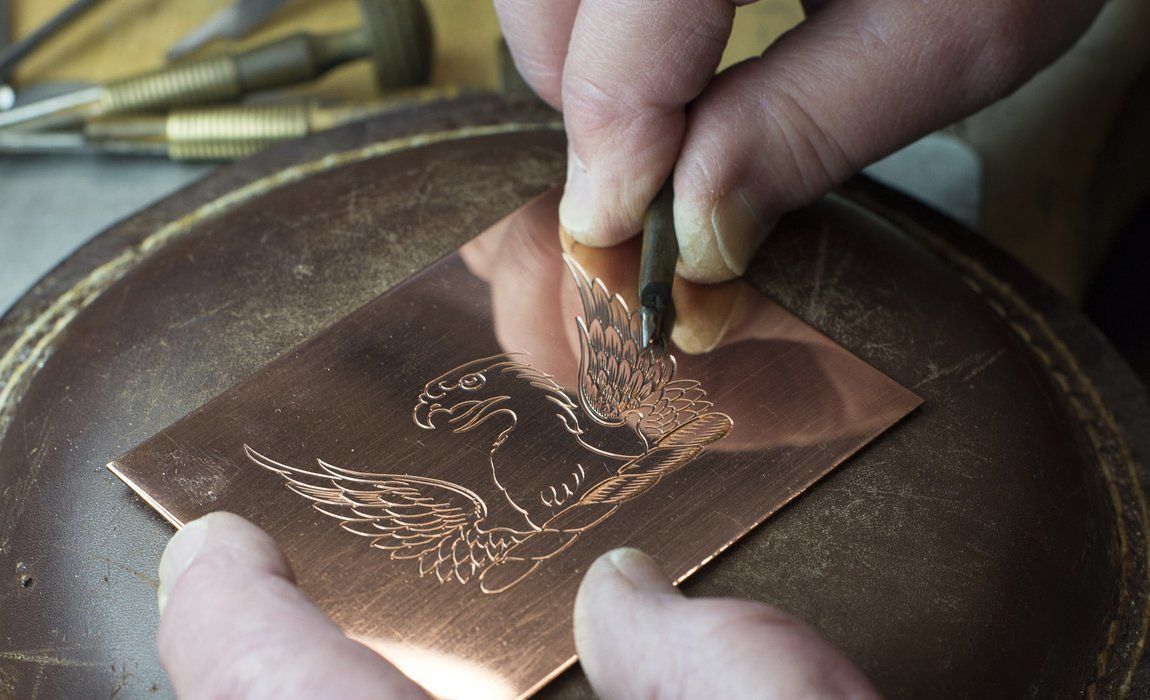
- An engraving is a stamp obtained from printing a mould. Specific parts of this engraving can hold ink. This serves to define the represented shapes. Engraving has arisen from the need to recreate original pieces of art. However, the chiaroscuro technique quickly replaced this method after discovering its expressive possibilities. Print engrav- ings use lines created with the chiaroscuro technique.
- types of printing
- Relief printing: prints the uncut area. Linocutting and wood engraving use this method.
- Hole printing: the etched area forms the stamp. Ink spreads over the grooves produced during the en- graving process with drypoint, burin or etching.
- Planographic printing: based on the repulsive principle between oil and water. The clearest example is lithography.
- Screen printing: a permanent stamping procedure with stencils.
- types of printing
- An engraving is a stamp obtained from printing a mould. Specific parts of this engraving can hold ink. This serves to define the represented shapes. Engraving has arisen from the need to recreate original pieces of art. However, the chiaroscuro technique quickly replaced this method after discovering its expressive possibilities. Print engrav- ings use lines created with the chiaroscuro technique.
Collage
- Different pieces of material glued onto a surface form a composition called a collage. Fabric, carton, paper, photographs, newspaper clippings, bits of plastic, etc., are the most widely used materials for collage
- we can add larger objects to the painting such as pieces of clothing, boxes or metallic objects. Artists frequently combine collage with other drawing or painting techniques such as oils or watercolours. Correct use of these materials can produce an original, imaginative composition.
- Procedure
- Collage is a new creative form that allows us to unleash our imagination and creativity. Before making a composition, we create a design, bring together all elements and materials chosen for the piece and distribute them on a flat space in a certain order
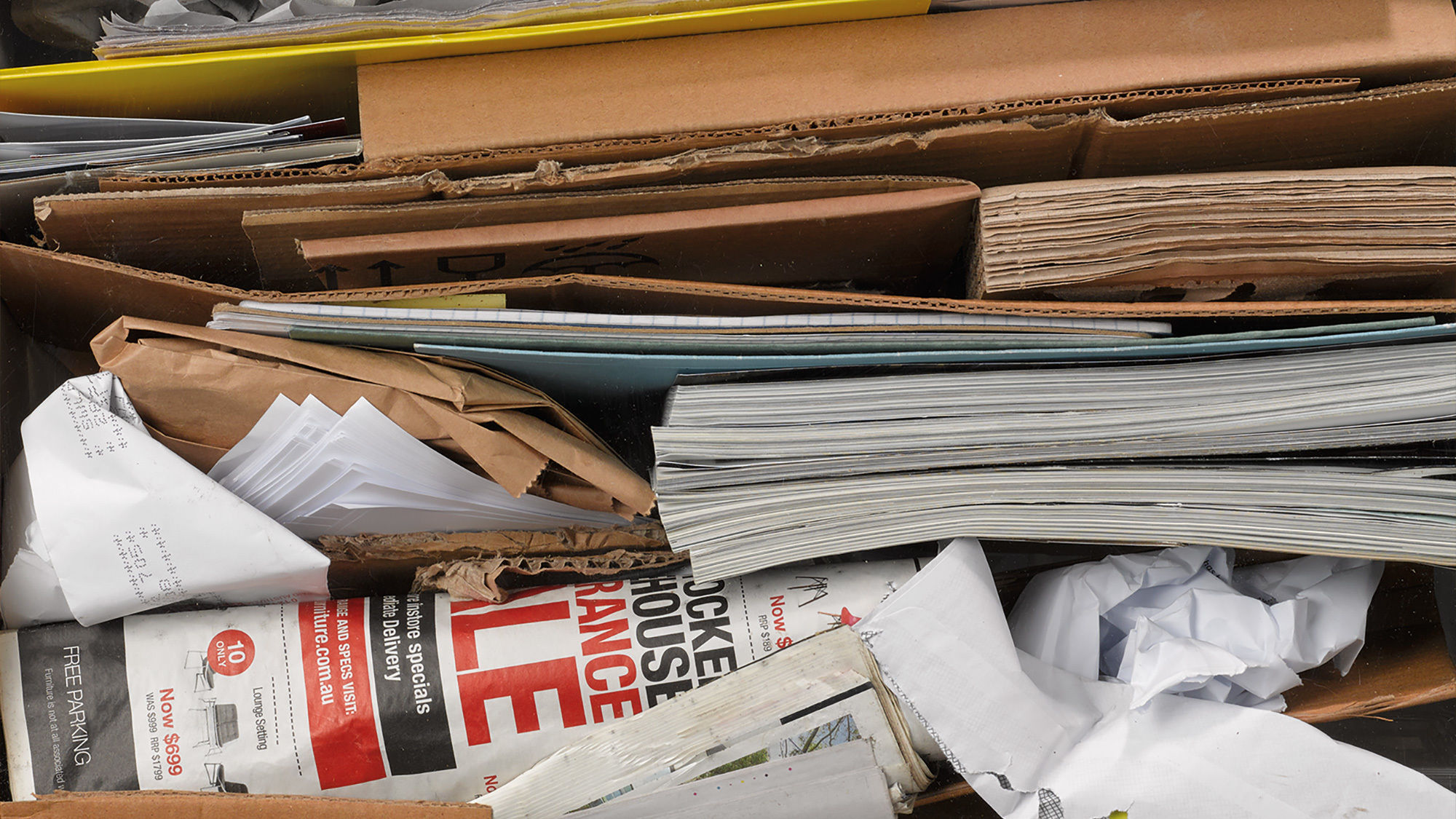
- Paper and cardboard
- Collages use paper in different forms: wet or wrinkled, black and white or coloured, painted or decorated with pencils, charcoals, watercolours
- Solid materials
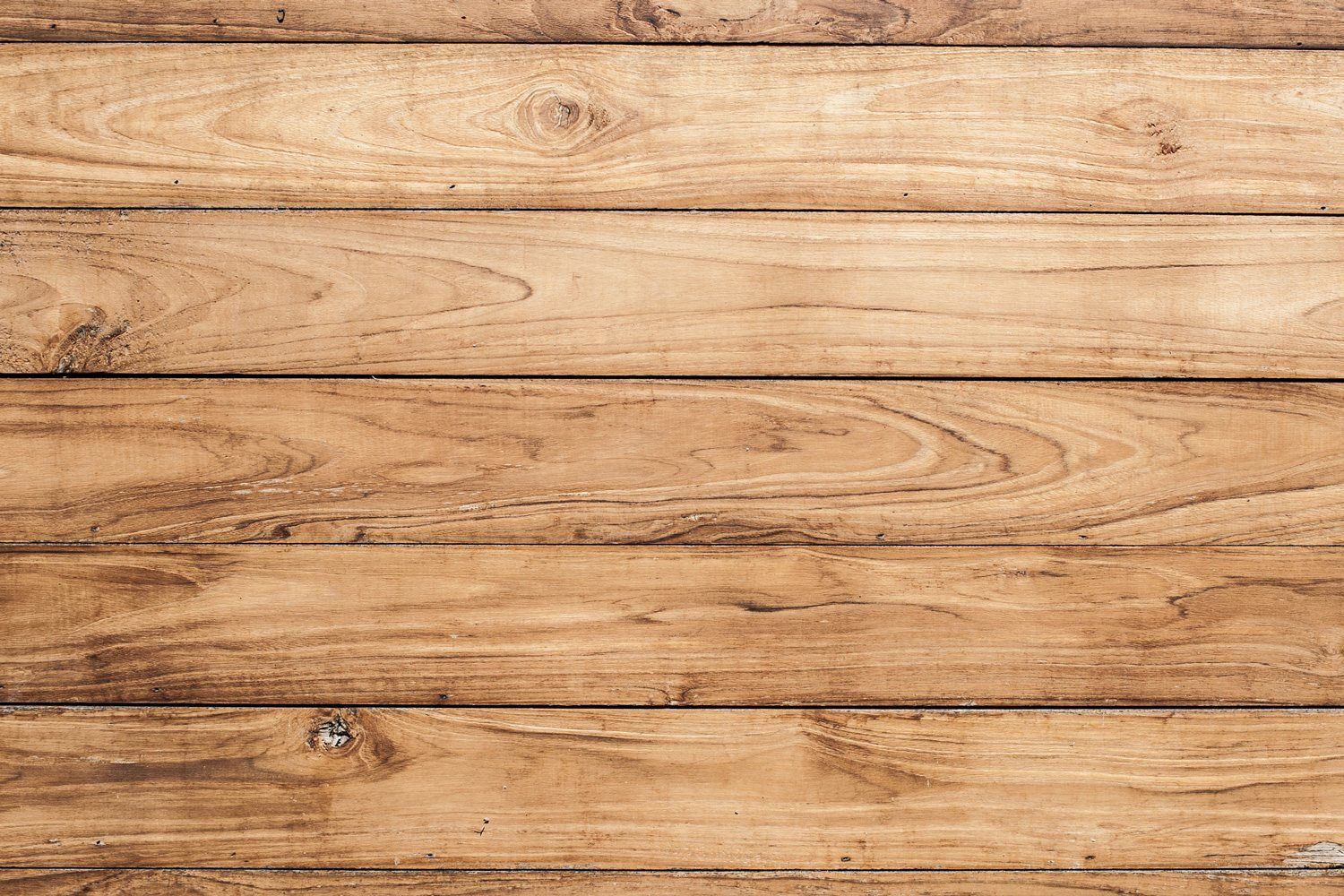
- Pieces of wood: stripwood, frame moulding, broken, burnt or painted wood, etc.
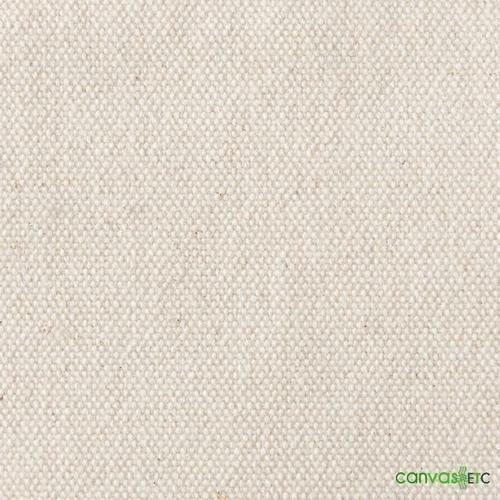
- Fabrics: canvas, thread, string, cords, bags, old clothing, etc.
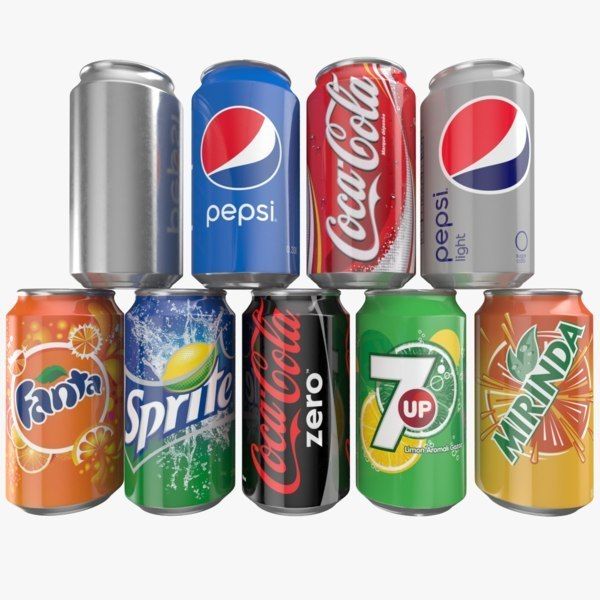
- Metals: cans, bottle caps, nails, screws, etc.
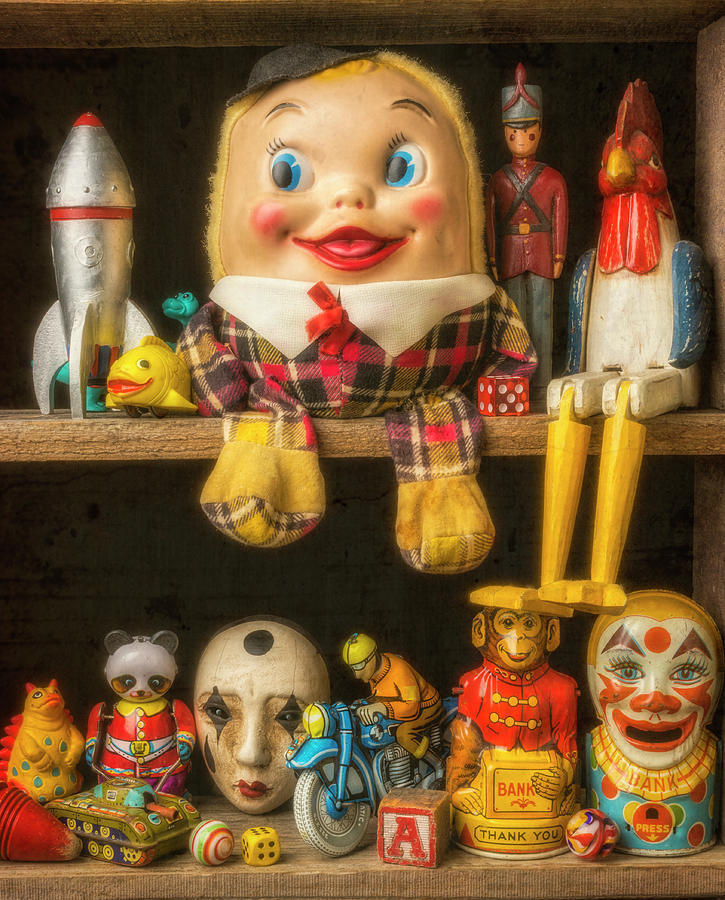
- Other objects: bits of unused objects, disposable materials, doll heads, old toys, spoons, forks, tins, etc.
- Paper and cardboard
- Collage is a new creative form that allows us to unleash our imagination and creativity. Before making a composition, we create a design, bring together all elements and materials chosen for the piece and distribute them on a flat space in a certain order
- Procedure
- we can add larger objects to the painting such as pieces of clothing, boxes or metallic objects. Artists frequently combine collage with other drawing or painting techniques such as oils or watercolours. Correct use of these materials can produce an original, imaginative composition.
- Different pieces of material glued onto a surface form a composition called a collage. Fabric, carton, paper, photographs, newspaper clippings, bits of plastic, etc., are the most widely used materials for collage
The creative process
- We can define the creative process as the chronological order of phases to follow that define how we apply our creativity, generate ideas for pieces of art, accomplish an objective or find a solution to a problem
- Preparation. This phase involves establishing a creative objective and choosing which medium to use to develop the process.
- Conversion of information into ideas. This includes the complex, labour-intensive tasks of manipulating, experimenting, brainstorming and finding alternatives to the proposed objective. All compiled information must transform into new ideas.
- Evaluation. Once the creator has many ideas, he or she must evaluate which ones are the best. As the golden rule states, quality arises from quantity.
- Production. The artist must carry out the final idea during this phase of the creative process. Otherwise, frustration will run very high. Unexpressed ideas are worthless. Production is therefore the development, communication and practical application phase of the idea.
- Sketches and rough sketches
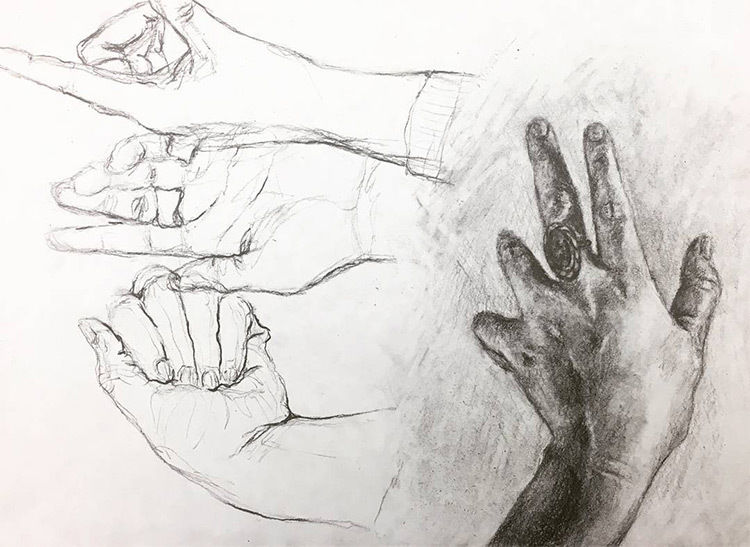
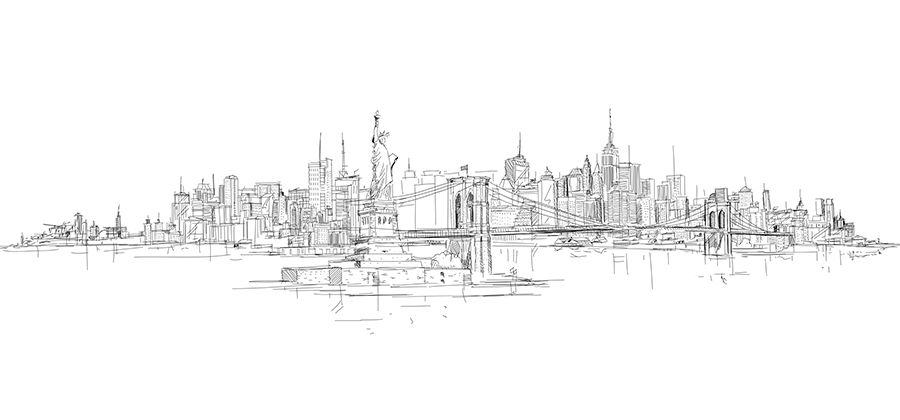
- Understood as a project during the drawing phase, a sketch defines the shape and proportions with very few lines. It will build the drawing by connecting and comparing elements together as part of the same composition collectively versus individually
- Being unfinished is the ultimate charm of sketches. They are simply suggestive and invite the observer to see what is missing, how to develop the sketched idea and finish off everything proposed by the author. This type of drawing requires skills in concentration and synthesis.
- Express an idea through sketches that directly reproduce the real or imag- ined image of the author with a few strokes
- Use of essential strokes that express the entire piece and suggest the result to the observer.
- Being unfinished is the ultimate charm of sketches. They are simply suggestive and invite the observer to see what is missing, how to develop the sketched idea and finish off everything proposed by the author. This type of drawing requires skills in concentration and synthesis.
- Understood as a project during the drawing phase, a sketch defines the shape and proportions with very few lines. It will build the drawing by connecting and comparing elements together as part of the same composition collectively versus individually
- We can define the creative process as the chronological order of phases to follow that define how we apply our creativity, generate ideas for pieces of art, accomplish an objective or find a solution to a problem
Bilder und Dateien der Mindmap

Informationen
- Beschreibung
- Mindmap am Space and Volume, erstellt von ALEJANDRO MONTERO RAMIREZ DE VERGER am 05/02/2021.
- Erstellt von
- ALEJANDRO MONTERO RAMIREZ DE VERGER
- Aufrufe
- 1
- Bewertung