
Mindmap
Speech sounds
Inhalt der Mindmap
Speech sounds
Description
- Purely Phonetic: Not distinctive features. The function of an individual sound within the sound system does not change
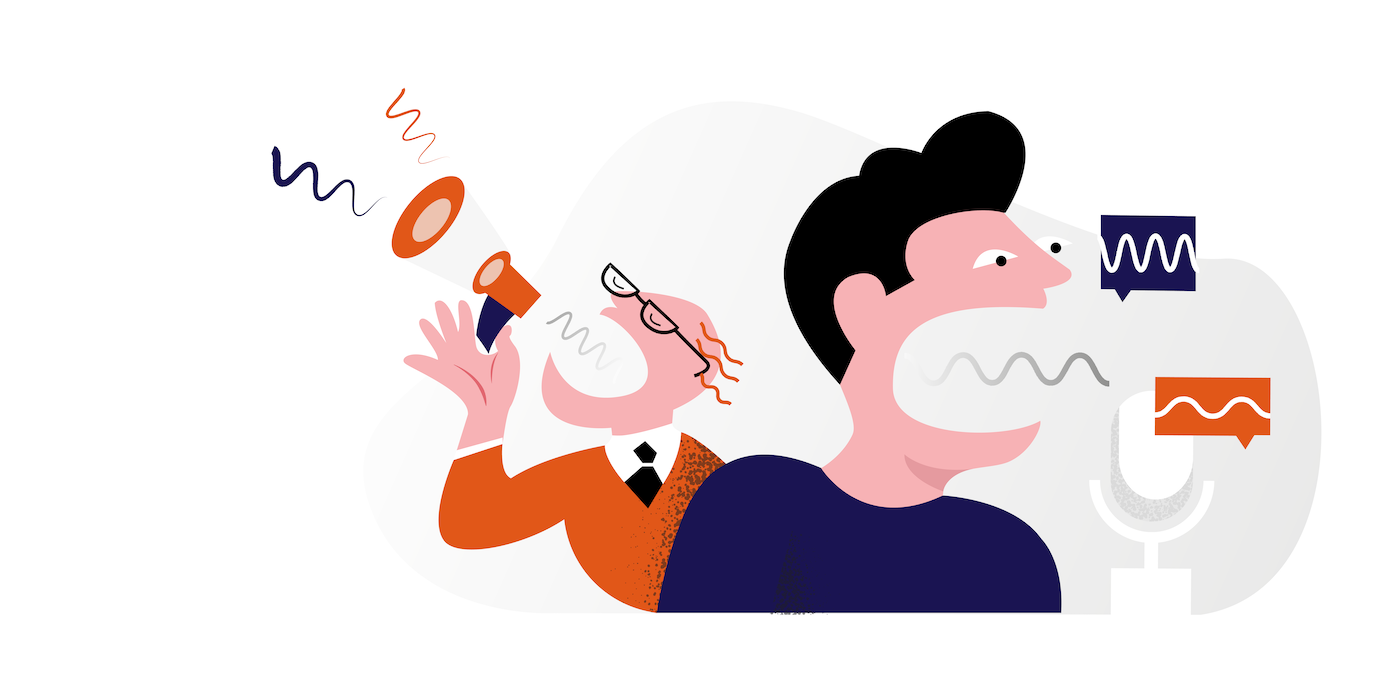
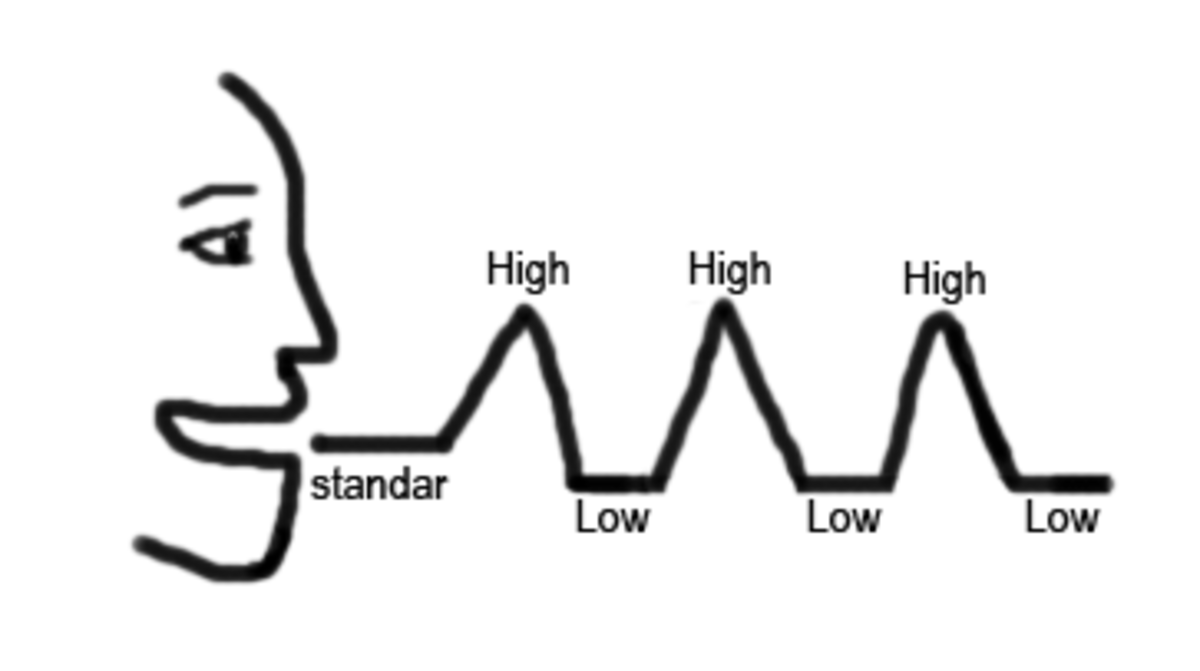
- Loudness
- Vibration amplitude of the vocal folds .
- The greater the amplitide of vibration, the louder the sounds
- Pitch
- Vibration frequency of the vocal folds. The faster the vocal folds vibrate
- The faster the volcas folds vibrate, the higher the pitch
- Tone of voice
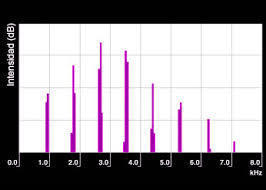
- The difference in the voice colour caused by different combinations of soundwaves
- It allow us to characterize a speaker as female, male, young, old, angry, etc
- Duration and length
- Duration: taken time in the articulation of sound
- Length time that the sound is sustained and perceived by the listener
- Air-stream mechanism
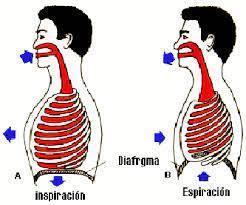
- Speech sounds are made with movement of air; all english sounds are produced by an egressive pulmonic air stream
- Voicedness and voicelessness
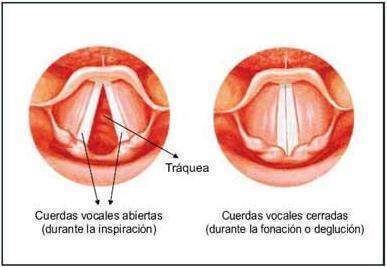
- The state of the glottis that causes the vocal folds to vibrates
- Voiced sounds:the glottos is narrow if voocal folds are together, you can feel their vibration
- Voiceless sounds the glottis is opened, the vocal folds are apart and the air passes through without causing vibration
- all speech sounds are voiceless when whispering
- Glottis closed. The vocal folds are pressed and the air stopped completely
- The state of the glottis that causes the vocal folds to vibrates
- Loudness
- Phonologically distinctive features
- Intensity of articulation
- Force with which the air stream is pushed up
- Lenis
- voiced sounds are produced with weak breath force or little muscular tension
- Fortis
- Voiceless sounds are made with more force or higher tension
- Lenis
- The intensity with which the sounds are articulated can distinguish meaning
- cab, serve, if we add more intensity to the final sound, the result would be cap, surf
- Force with which the air stream is pushed up
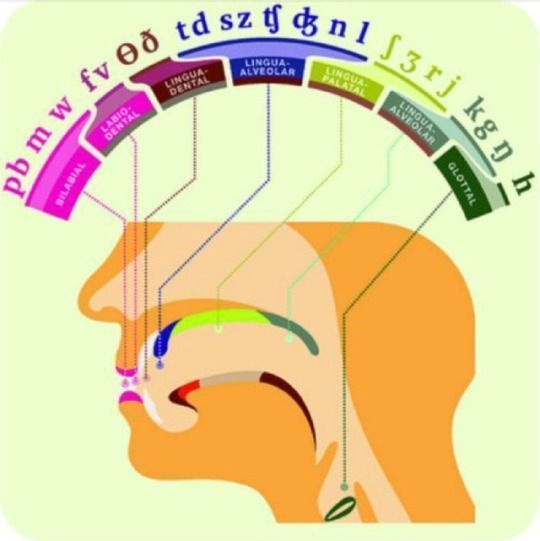
- Place of articulation
- Sounds in which the air stream is obstructed in the vocal tract before it leaves the body through the mouth or nose are consonants
- The production of a consonant involves one active mobile lower speech organ to a passive inmobile speech organ
- Sounds in which the air stream is obstructed in the vocal tract before it leaves the body through the mouth or nose are consonants
- Manner of articulation
- Degree to which the air stream is obstructed at the place of articulation
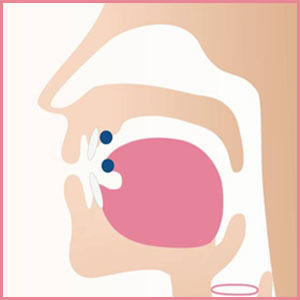
- A fricative sound is caused as the air passes through the narrow gap between the lower lip and the upper lip
- Degree to which the air stream is obstructed at the place of articulation
- Intensity of articulation
- Purely Phonetic: Not distinctive features. The function of an individual sound within the sound system does not change
Production
- articulators above the larynx: this arises when two muscle called vocal cords meet, the pressure of the aspirated air causes the vocal cords to vibrate and this is when the sound of the human voice is produced.
- The Pharynx
- Nasal cavity
- Oral cavity
- The Soft Palate or Veil
- It's an articulator that can touch the tongue this called a velar
- Hard Palate
- It's a barrier between the mouth and the nasal cavity that allows us to speak and swallow this called palatal
- Alveolar Crest
- we can feel this when the tongue is just above the upper teeth or below the lower teeth, this is alveolar
- Tongue
- It funtions as the hydration of the mouth and food through salivation, swallowing, language and the sense of taste.
- Teeth
- essential for correctly pronunce words when speaking, this is called dental
- Lip
- they are one of the two areas that linguistic points in the mouth and throat, help block air from leaving the lungs, conformed by:
- bilabial
- dental lip
- they are one of the two areas that linguistic points in the mouth and throat, help block air from leaving the lungs, conformed by:
- The Pharynx
- Vowels and Consonants
- Both are phonemes
- The consonantal it's classified into shops, fricative, fricates, affricates, lateral and vibrant
- The vowels are pronunced in the same way that the air does not encounter any obstacle and with the ability to from syllables by themselves, there are three types of open, closed and mid vowels
- Both are phonemes
- articulators above the larynx: this arises when two muscle called vocal cords meet, the pressure of the aspirated air causes the vocal cords to vibrate and this is when the sound of the human voice is produced.
Bilder und Dateien der Mindmap


Informationen
- Beschreibung
- Mindmap am Speech sounds, erstellt von Elizabeth Monroy am 14/02/2022.
- Erstellt von
- Elizabeth Monroy
- Aufrufe
- 10
- Bewertung