
Mindmap
Accounting Equation and the Accounting Cycle
Inhalt der Mindmap
Accounting Equation and the Accounting Cycle
Accounting Cycle
- 1) Transactions and events (source documents)
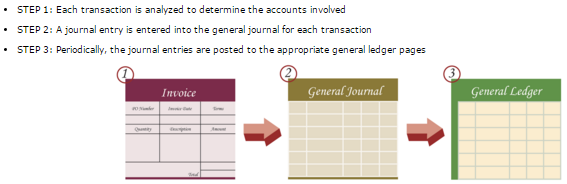
- 2) Books of original entry (journals)
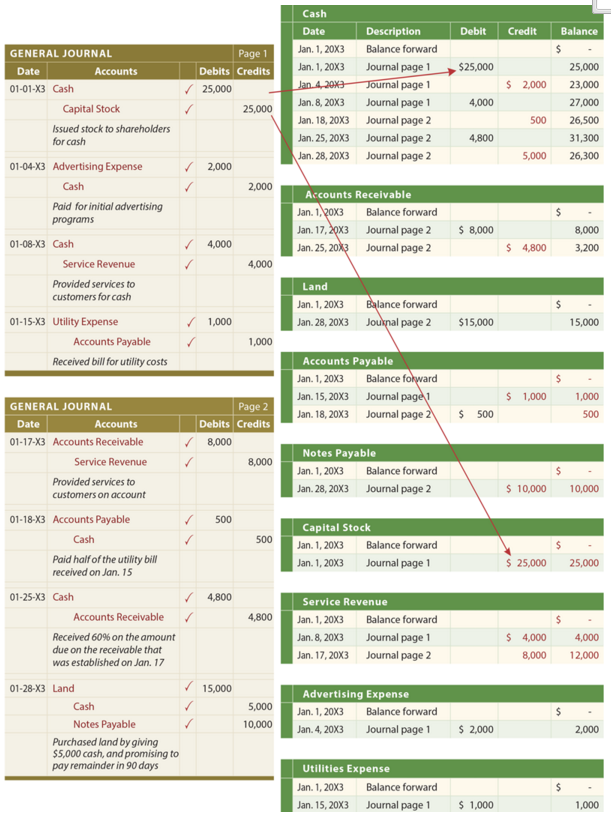
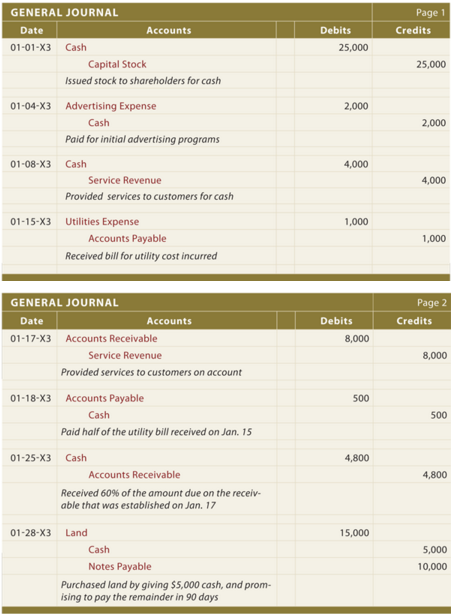
- A book in which business transactions are recorded as they happen. Both the debits and the credits of the entire transaction are recorded in one place. The journal is a diary for the business in which you record in day-by-day or chronological order all the events involving financial affairs. A transaction is always recorded first in the journal. In the general journal you must enter the account to be debited and the account to be credited and the amounts.
- Once a transaction is recorded in the general journal, the amounts are then posted to the appropriate accounts. Accounts (such as Cash, Accounts Receivable, Equipment, Accumulated Depreciation, Accounts Payable, Sales, Telephone Expense, etc.) are contained in the general ledger.
- A book in which business transactions are recorded as they happen. Both the debits and the credits of the entire transaction are recorded in one place. The journal is a diary for the business in which you record in day-by-day or chronological order all the events involving financial affairs. A transaction is always recorded first in the journal. In the general journal you must enter the account to be debited and the account to be credited and the amounts.
- 3) Record to general / subsidiary ledgers
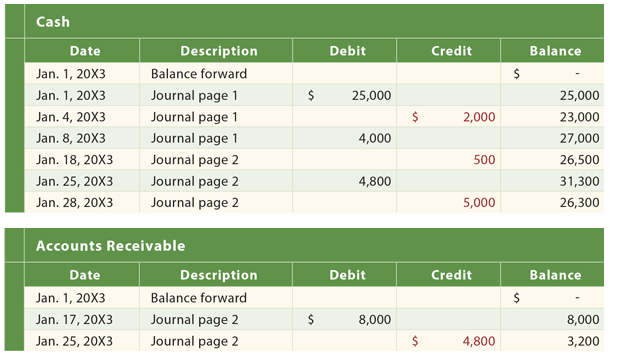
- The general ledger is, in essence, another notebook that contains a page for each and every account in use by a company. Examples would include: *Cash Accounts *Payable Service *Revenue Accounts *Receivable Notes *Payable Advertising *Expense Land Capital *Stock Utilities ExpenseThe general ledger will include a separate page for each of these nine accounts.
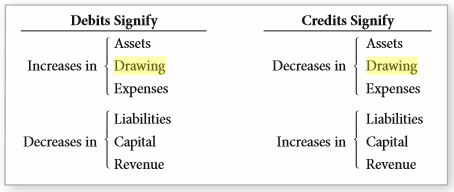
- All asset accounts have debit balances and liability and equity accounts have credit balances.
- T-Accounts
- Used to sort and store balance sheet and income statement transactions (taken from a chart of accounts)
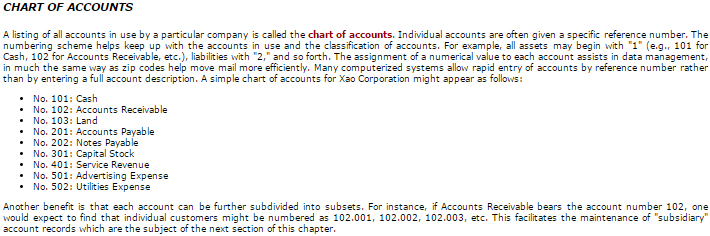
- Chart of Accounts
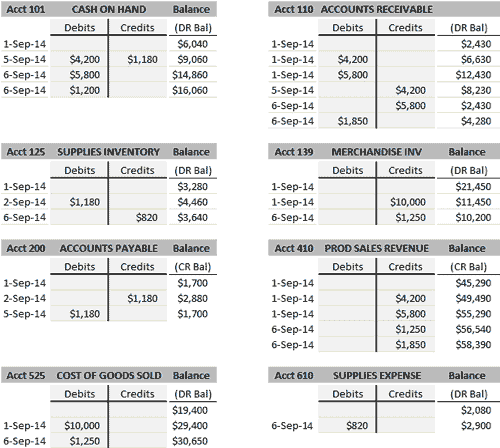
- T-accounts display the balances in each account. Each journal entry is transferred from the general journal to the corresponding T-account.
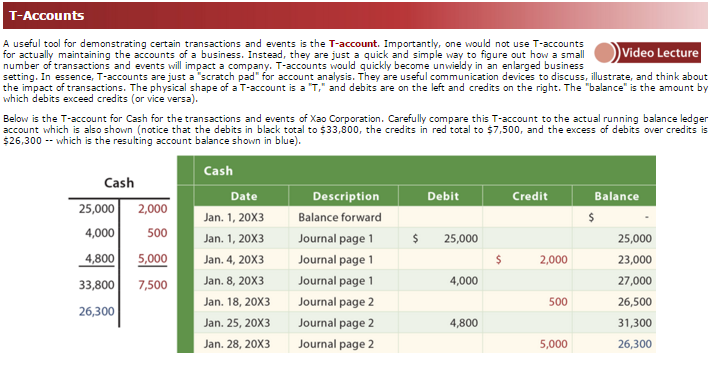
- A useful tool for demonstrating certain transactions and events is the T-account. Importantly, one would not use T-accounts for actually maintaining the accounts of a business. Instead, they are just a quick and simple way to figure out how a small number of transactions and events will impact a company.
- Posting - copy the entries listed in the journal into their respective ledger accounts
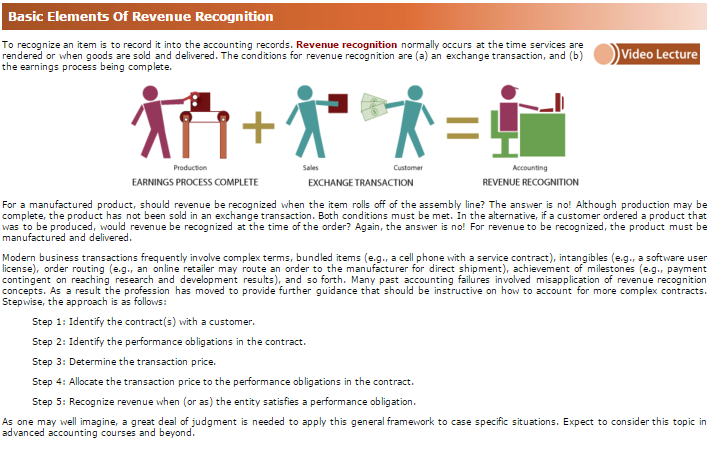
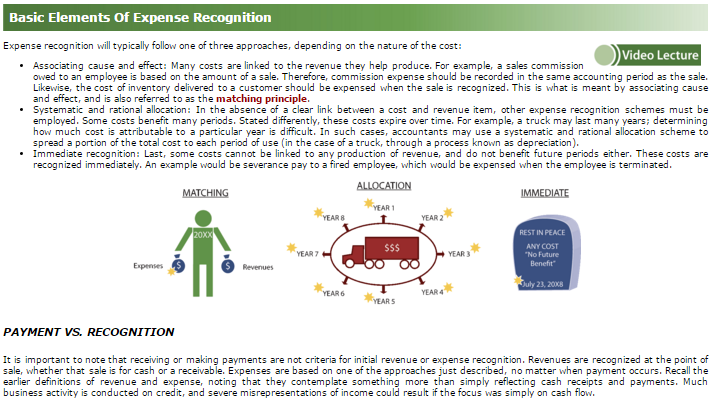
- Revenue / Expense Recognition
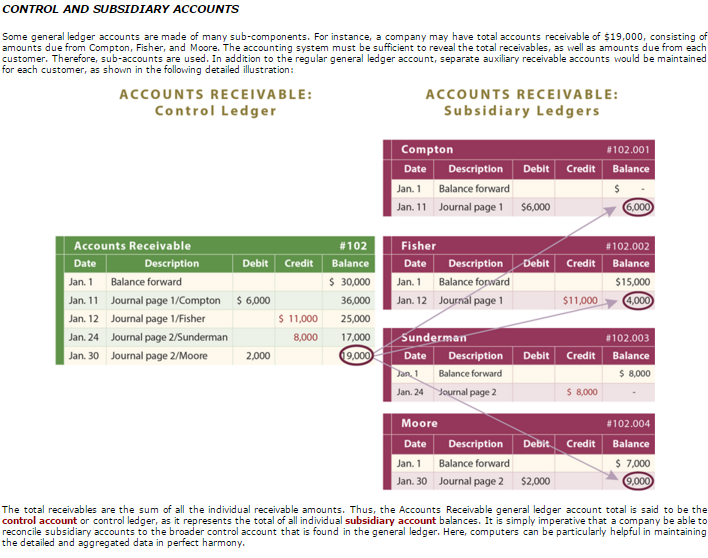
- Subsidiary Ledger
- T-Account
- Depreciation
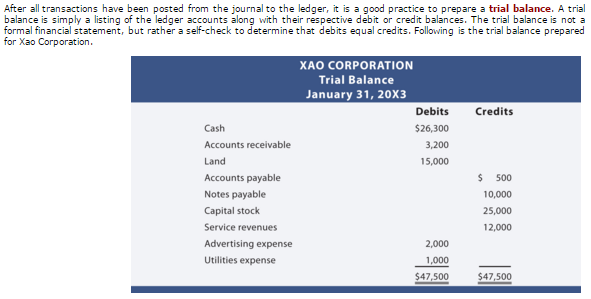
- 4) prepare an unadjusted trial balance
- 5) Adjusting entries
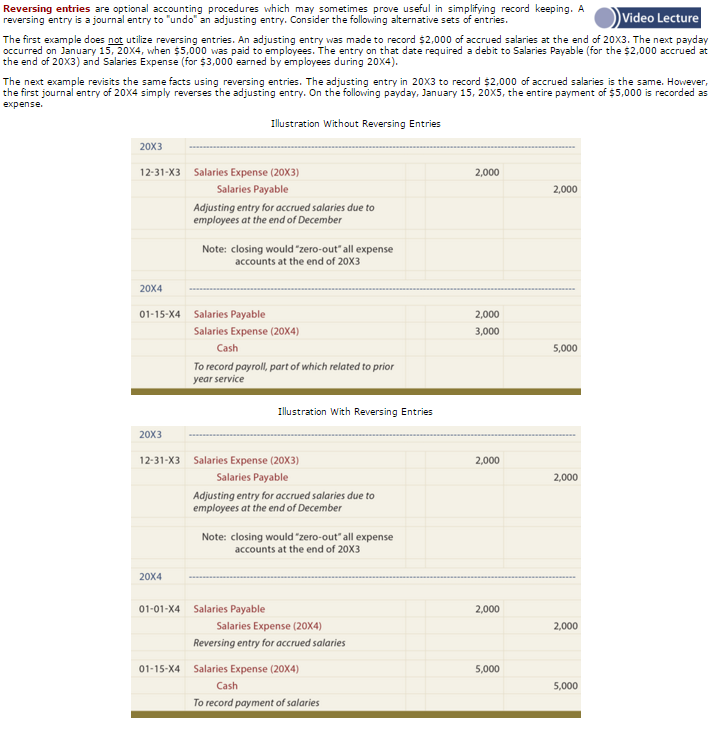
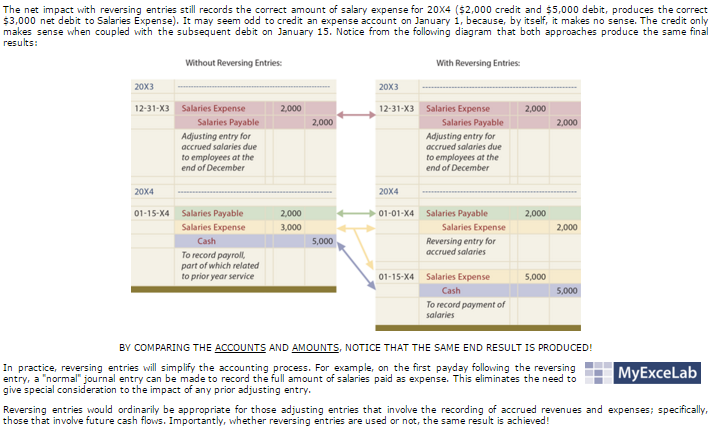
- Reversing entries
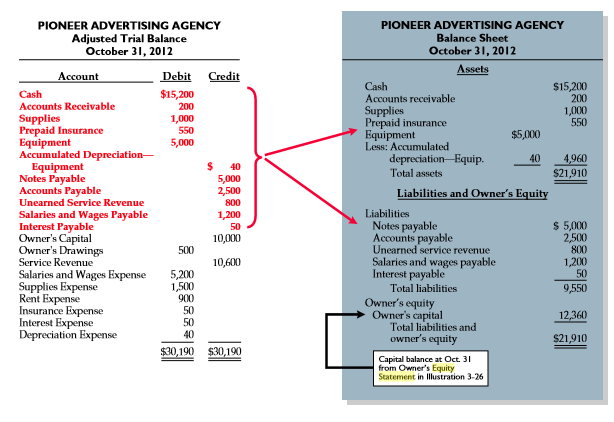
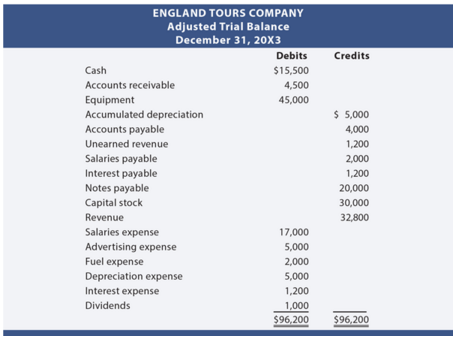
- 6) Adjusted trial balance
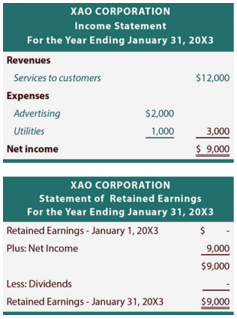
- 7) Financial statements
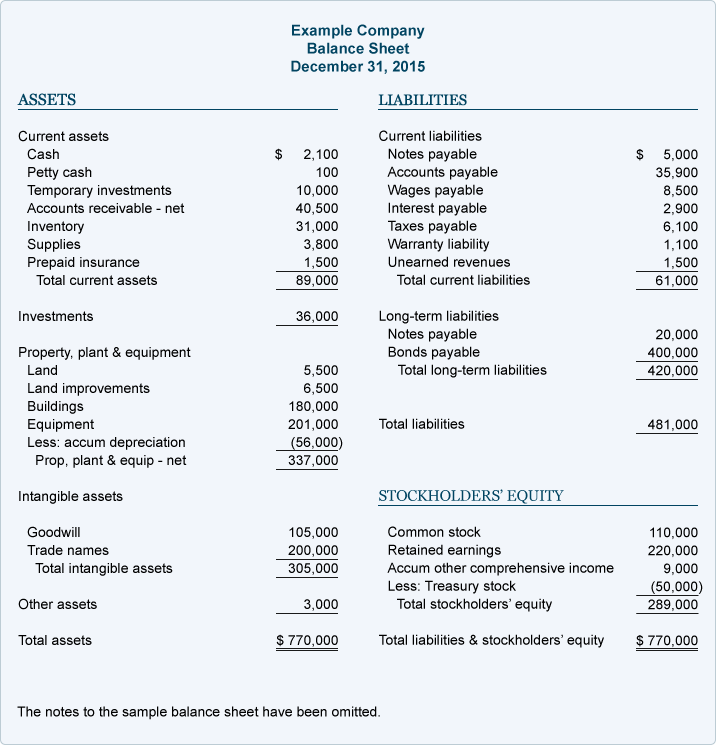
- Balance Sheet
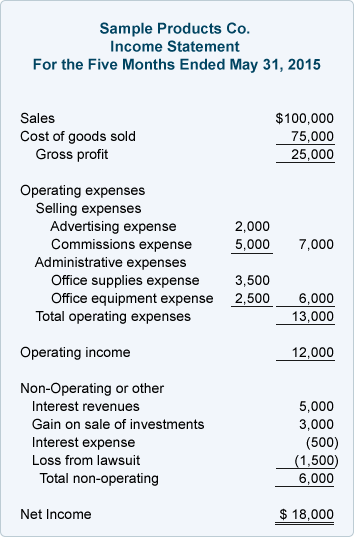
- Income Statement
- Cash Flow Statement
- The cash flow statement is a snapshot of a firm's financial resources and obligations at a single point in time, and the income statement summarizes a firm's financial transactions over an interval of time.
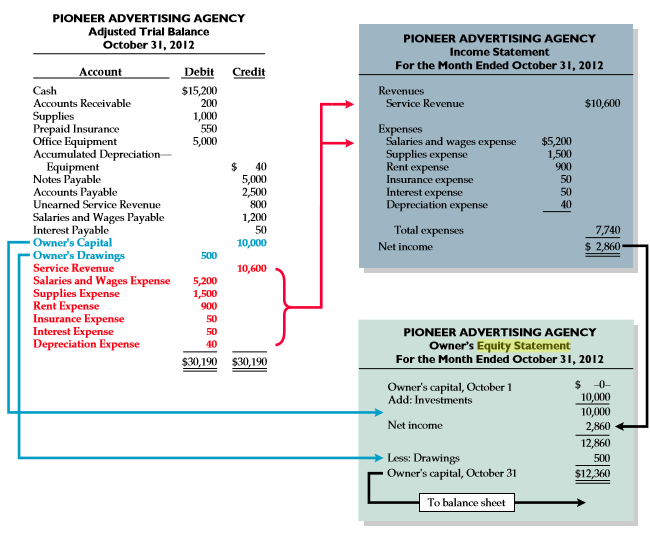
- Statement of owner's equity
- 8) Closing entries
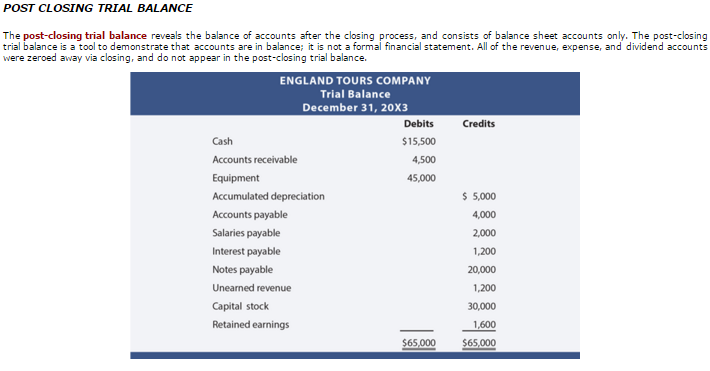
- 9) post-closing trial balance
Bilder und Dateien der Mindmap



Informationen
- Beschreibung
- 0 Accounting Equation Mindmap am Accounting Equation and the Accounting Cycle, erstellt von Kevin Reynolds am 31/03/2016.
- Erstellt von
- Kevin Reynolds
- Aufrufe
- 109
- Bewertung