Mindmap
Hydrosphere
Inhalt der Mindmap
Hydrosphere
The hydrosphere
- liquid
- Most liquid water is seawater
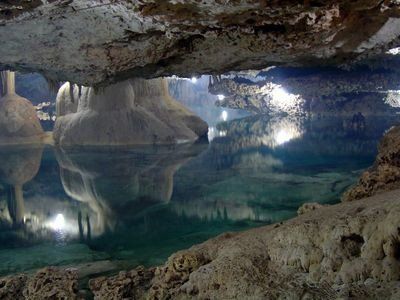
- A small percentage is inland water, which is made up of both surface water (lakes and rivers)
- groundwater (underground water layers)
- Fresh water: very low salt content (inland water) Brackish water: moderate salt content (inland water) Salt water: high salt content (seawater)
- solid
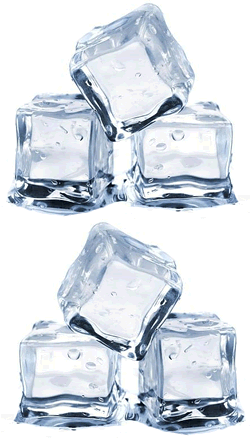
- Most solid state water exists as snow and ice in the polar ice caps and glaciers. Liquid water freezes below 0 °C and transforms into a solid.
- gas
- Water is considered a gas in the form of water vapour. Most water vapour exists in the Earth’s atmosphere as evaporation from surface water.
- Water is considered a gas in the form of water vapour. Most water vapour exists in the Earth’s atmosphere as evaporation from surface water.
- liquid
The distribution of water on Earth
- Water in seas and oceans
- Composition
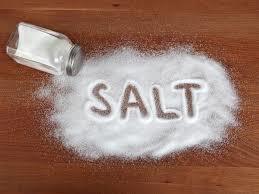
- Sea water is a mixture of mineral salts: the most common component is sodium chloride (common salt). It also contains a large quantity of magnesium salts.
- The salt in seawater affects density: water with a higher salt content has a greater density.
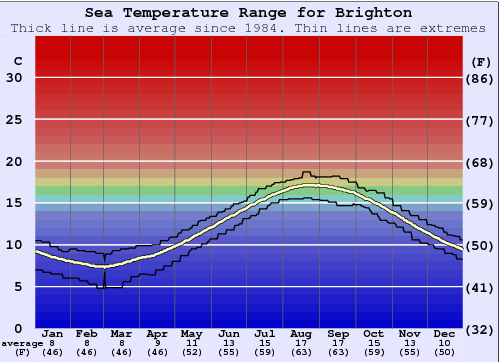
- Seawater temperature depends on depth: temperatures are lower in deeper bodies of water and warmer in shallower areas.
- Movement
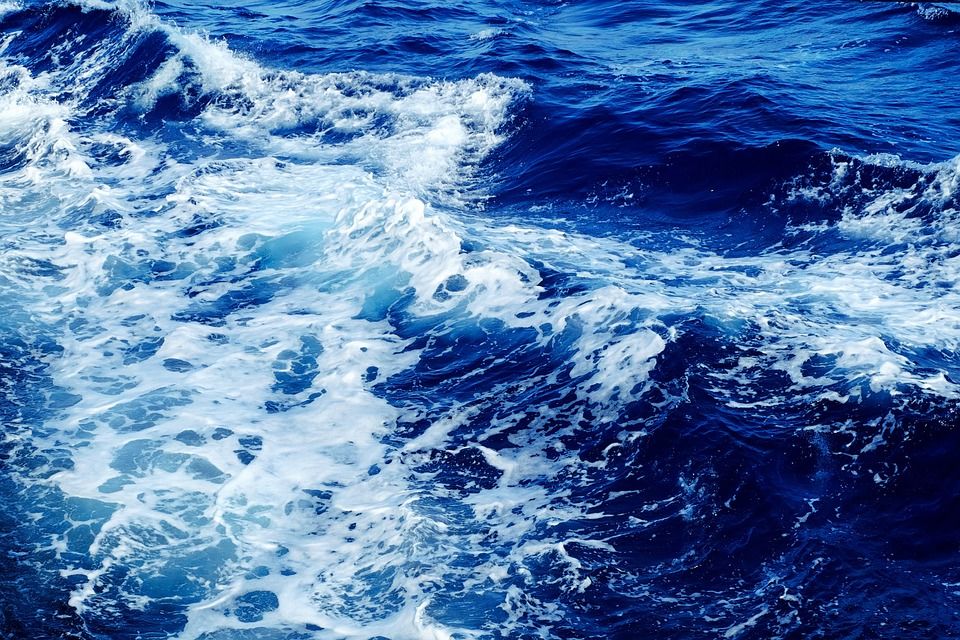
- Waves occur on the surface of the water. They are mainly caused by the wind and can vary in strength.
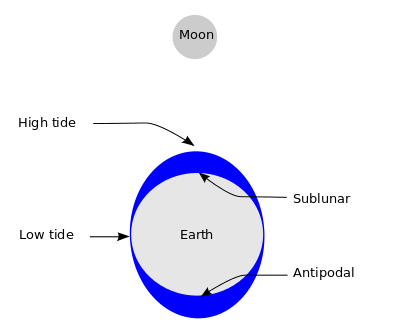
- Tide is a regular movement in which the sea level rises and falls. This is caused by the gravitational force of the Sun and the Moon.
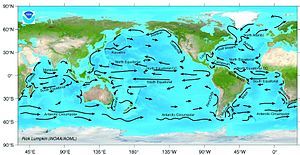
- Ocean currents are horizontal movements of water within seas and oceans. Currents have distinct densities and temperatures. They are important because they redistribute heat and salt to different areas of the Earth.
- Composition
- Inland water
- River
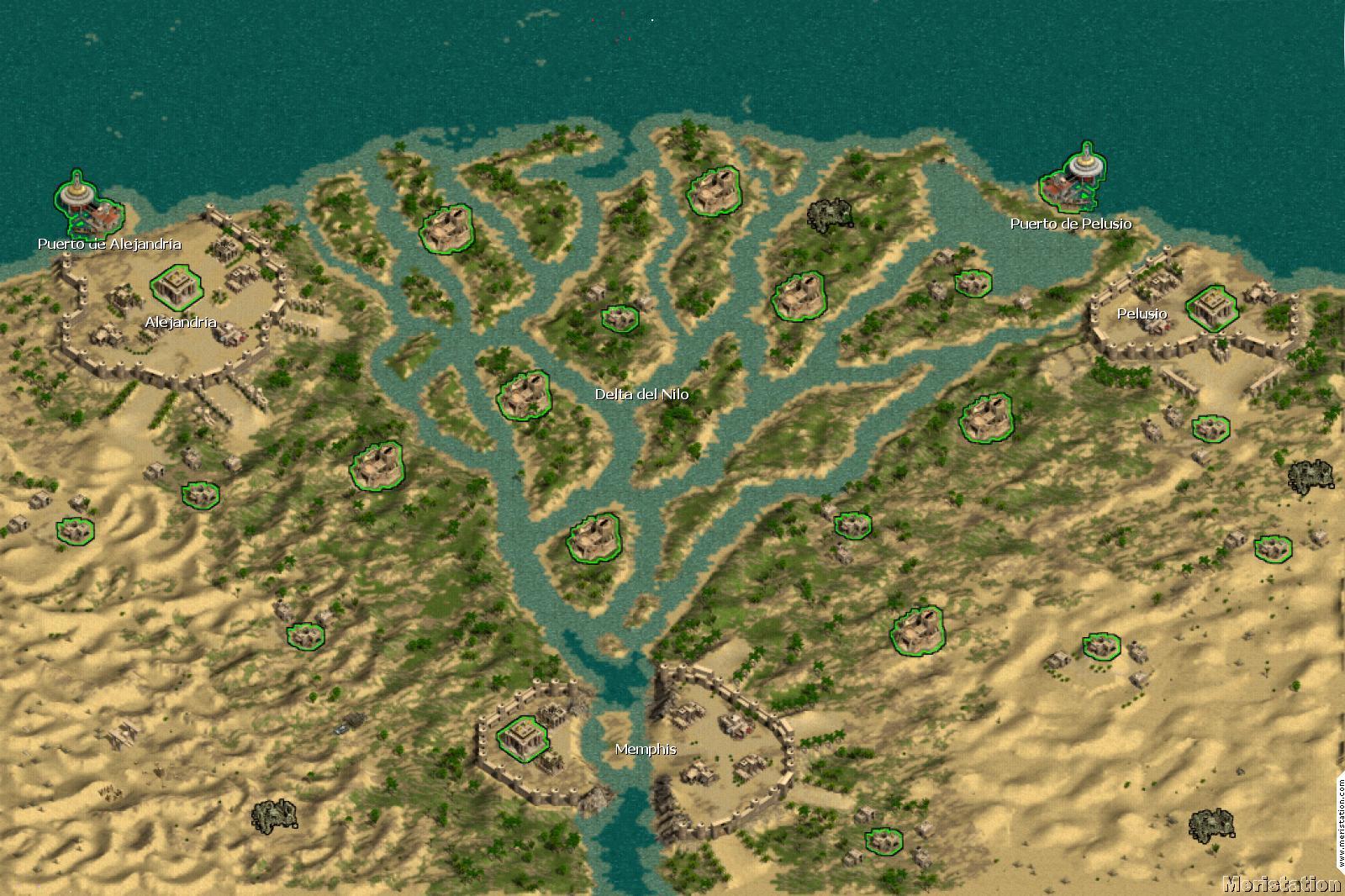
- Delta
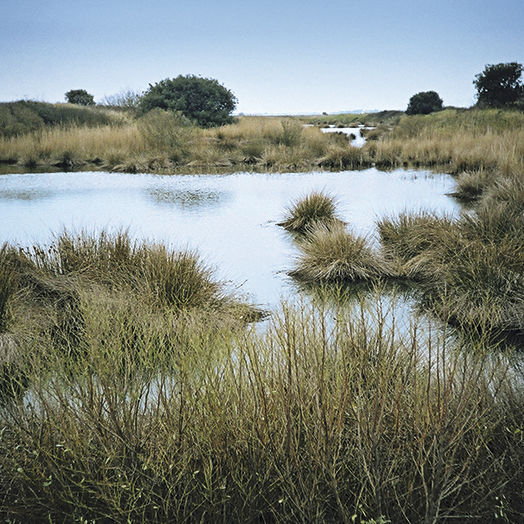
- Lagoon
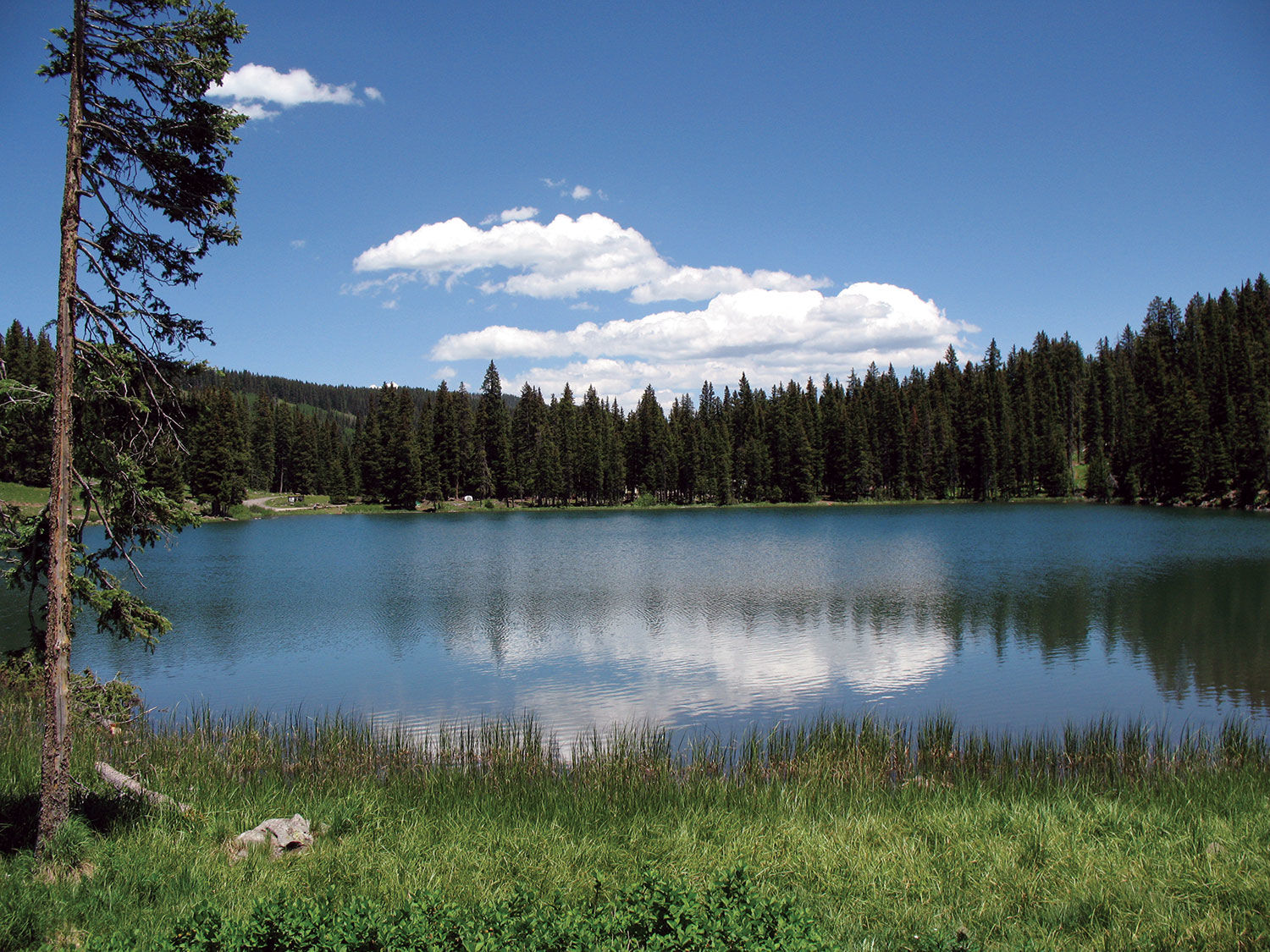
- Lake
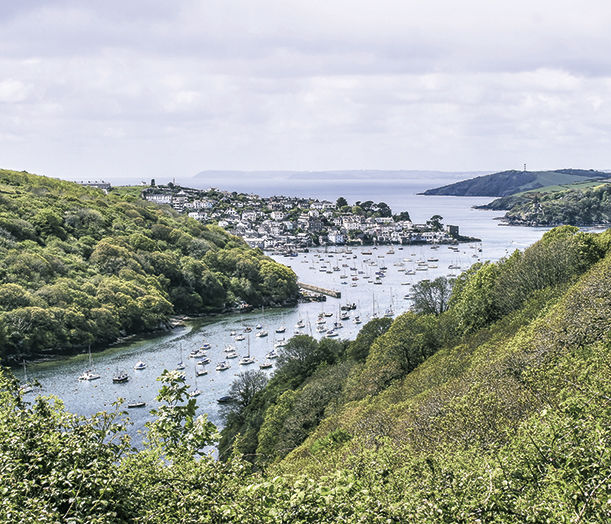
- Estuary
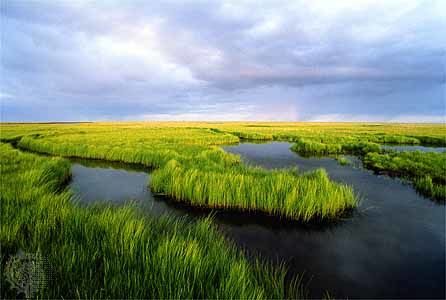
- Marsh
- Wetlands
- River
- Grundwater
- Groundwater is water that is stored underground, beneath the surface of the Earth.
- Glaciers
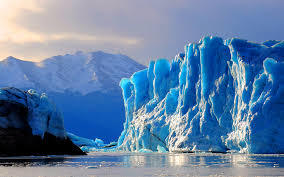
- Glaciers are large masses of slow-moving ice.
- Glaciers can only exist in areas of the Earth where the temperature is always, or nearly always, below 0°C.
- Glaciers move downhill very slowly. This is because of their immense weight and the gravity of the Earth. Their movement erodes the original landscape and forms U-shaped valleys.
- Water in seas and oceans
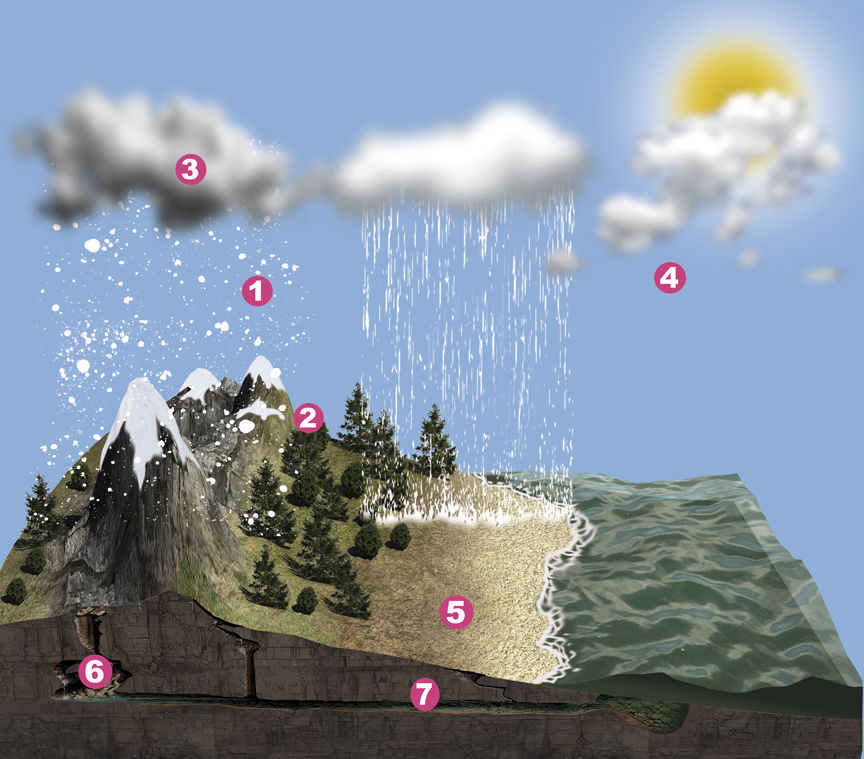
The water cycle