
Notizen
Prevention and Treatment Revolution
Inhalt der Notizen (3)
Seite 1
Application of Science
Cold Water Treatment:
Widely believed that the waters in locations such as Buxton and Bath were beneficial to health, acting as preventative measures and cures
People recommended others to swim in the ocean
While some, had their own 'plunge pool' of cold fresh water in the garden
Later in the period, people began cold bathing indoors
People also believed drinking a litre of cold water in the morning would clear out any impurities
These measures mainly were adopted by wealthy people
Child-bed fever:
Alexander Gordon a naval surgeon was the first to notice this
While in London, Gordon studied the outbreak of child-fever and worked out what caused the deaths
Gordon noticed that women who were treated in outlying villages by the wise woman or midwife rarely caught the fever
Those treated by doctors or midwives frequently moving between patients were more likely to die
Gordon's cure was simple: people practising medicine should wash their clothes and hands frequently to limit the spread of disease
Rise of the scientific method:
A series of inventions helped to keep people healthy at this time
Microscope: seeing infections
Stethoscope: listen to a patient's breathing
Kymograph: measures a person's blood pressure
Doctors had access to all this equipment by the 19th century. Many scientific papers surfaced at this time too. In 1753, James Lind identified the cause of scurvy. During the 18th century, many texts were written of scientific investigation into illness. The publishing of these papers helped with treatment and prevention of illness.
Seite 2
Treatment and Prevention
James Simpson and the development of anaesthetics:
As with all surgery pain was inevitable. In this time, copious amounts of opium or alcohol were utilised in order to subdue a patient and make an operation quicker. Sir Humphrey Davy was one of the first to use nitrous oxide (laughing gas) as an anaesthetic to relieve pain during an operation. In 1846, Robert Liston used ether as an aesthetic when he successfully amputated a leg of a patient.
James Simpson (1811-70), a Scottish scientist, used chloroform to reduce pain at childbirth. He had experimented with chloroform on himself and his friends. There was opposition to these painkillers for a while, until Queen Victoria in 1853 used chloroform while giving birth. This managed to sway some opinions.
Then in the 1850's, coca leaves from Latin America were used to produce cocaine which acted as a local anaesthetic. The use of cocaine spread rapidly, especially in the 1890's when it started to be produced chemically.
Anaesthetics did not necessarily make operations safer, sometimes it was difficult to get the dose right and death would result from overconsumption.
The use of antiseptics:
It is widely known today that getting a cut requires treatment with antiseptic to prevent dirt getting on the wound and infection occurring. This knowledge is only a recent development in history though. In the 19th century, the biggest killer after surgery was sepsis ('hosptial gangrene'). This was infection caught during or after an operation. Surgeons themselves dismissed the idea that they were spreading infection through dirty clothes and unsterile equipment.
Ignaz Semmelweis pioneered antiseptics in 1847. He was the head of the maternity ward in Vienna General Hospital, Austria. The death rate in his maternity ward reduced from 35% to less than 1% through him insisting doctors wash their hands in calcium chloride before operating. However, very few hospitals introduced this procedure.
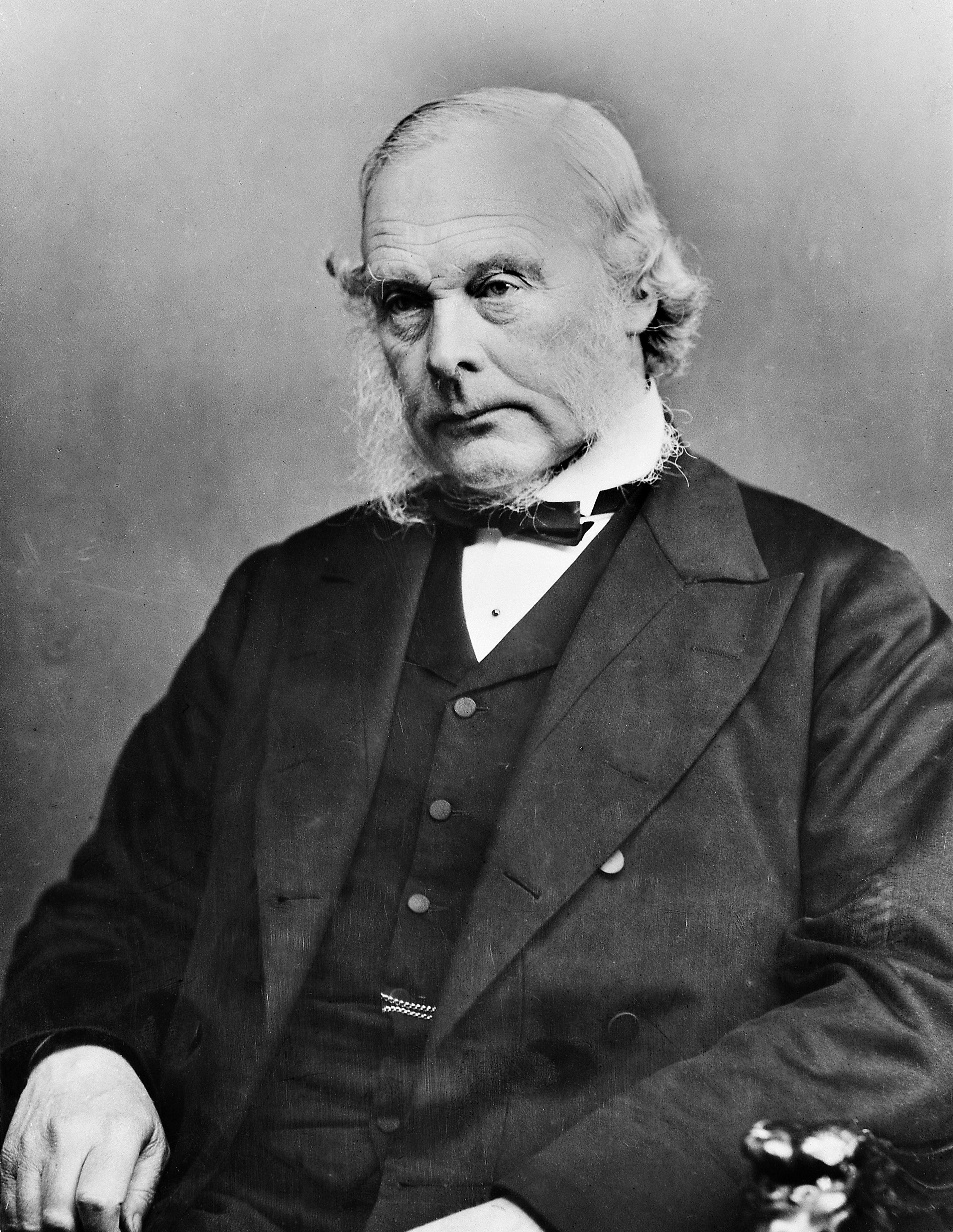
Joseph Lister:
Lister (1827-1912) was an English surgeon who advanced the chances of survival in surgery. Lister utilised an operating room sterilised with carbolic acid. This was based off his experiments on frogs. He also sterilised all surgical equipment and dressings with carbolic acid. The mortality rate in his operations reduced from 46% to 15% in three years. In 1871, he invented a device which sprayed carbolic acid over the entire operation room.
Seite 3
Treatment
Aspetic surgery:
Later in the 19th century, aseptic surgery was developed
1878 - work from Robert Koch discovered majority of disease was spread through contact with an infected surface
Development in the attempts to create germ-free environments
1881 - Charles Chamberland invented a steam steriliser for medical equipment
This led to the development of simpler ways to sterilise equipment
Gustav Neuber (German surgeon) was the first to have a sterile operating theatre
Surgical clothing:
Gradual adoption of protective clothing came about
Initially gloves were worn due to allergic reaction to carbolic acid
Berkeley Moyniham was the first British surgeon to wear gloves in an operation
Later Moyniham made the point of always changing clothes for surgical gowns before entering an operating theatre
Informationen
- Beschreibung
- Der Nutzer hat seine Fachbereichs-Information gelöscht. Notiz am Prevention and Treatment Revolution, erstellt von Gelöschter Nutzer am 21/07/2017.
- Erstellt von
- Gelöschter Nutzer
- Aufrufe
- 21
- Verlauf
-
- Erstellt von Andrew Burke · 21 Jul 2017
- Kopiert von Andrew Burke · 21 Jul 2017
- Bewertung