
Notizen
Illusions
Inhalt der Notizen (6)
Seite 1
Illusions
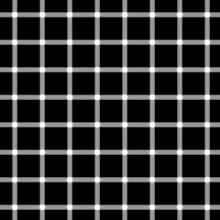
The Hermann/Hering grid
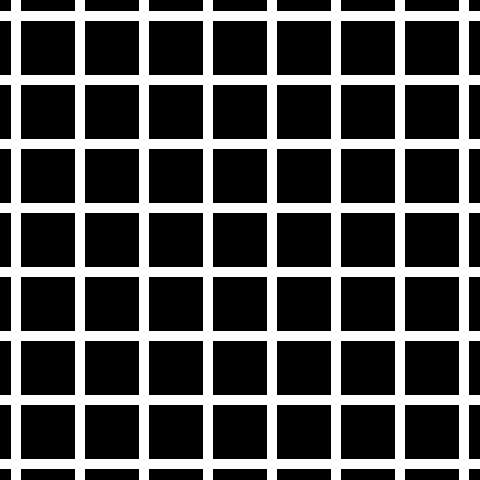
Possible explanation: receptive fields but it can't be the whole story
The scintillating grid
Idk what the explanation is lol but it seems to not be the same as the Hermann grid
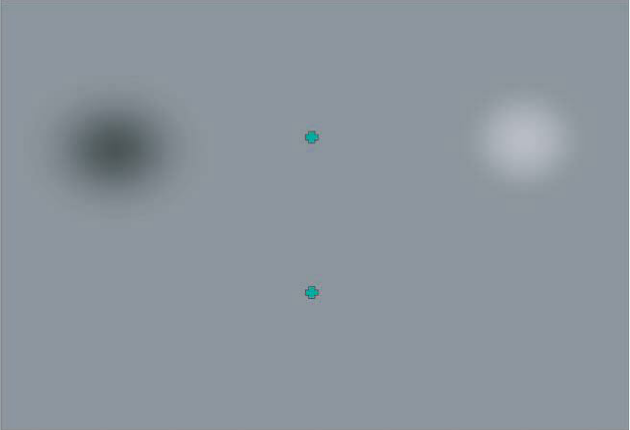
Troxler fading (Wolfe at al, 1984), in which tho blobs (one black, one white) disappear after staring at a fixed point for a period of time. If gaze is switched to another fixed point, we see their after-images.
Seite 2
The simultaneous contrast effect
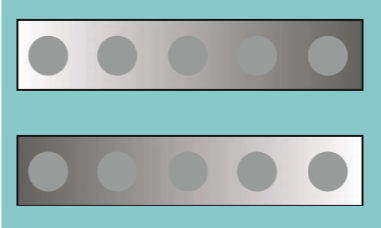
Easily explained through the antagonism of the ON centre cell's centre and surround receptive fields.
The Craik–O’Brien–Cornsweet illusion
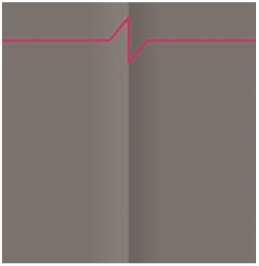
Explained through the "filling in" that the brain does with the information it gets from edges. One edge is lighter, so the whole left side appears lighter. Same effect with the right side.
Seite 3
The colour after-effect illusion
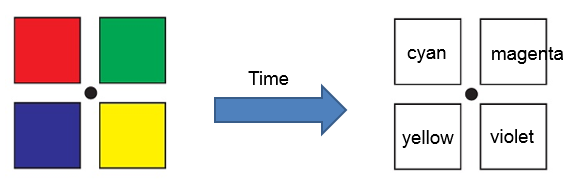
Explained through inhibition of photoreceptor cells over time. When we move our eyes, all cells activate to make white but the ones we looked at before are still inhibited, so we see their opposing colour (because of colour opponency).
The Water colour illusion
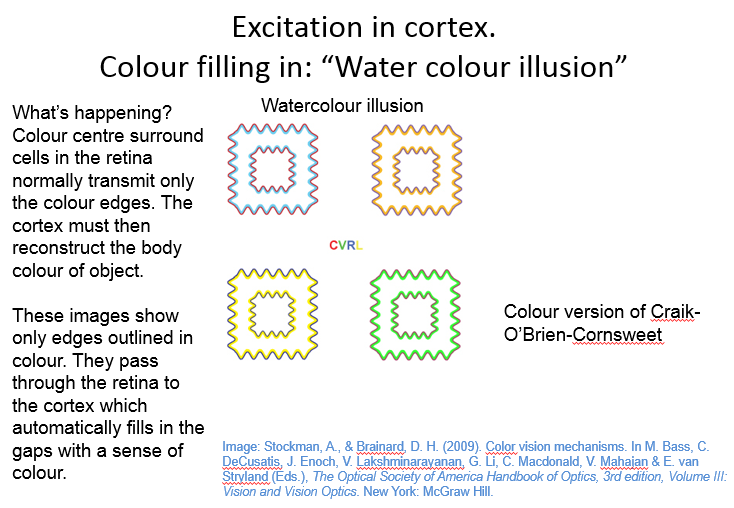
Seite 4
the Kanizsa triangle (illusory contours)
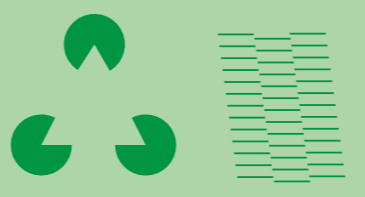
Fake edges seem to form when they're really not there. Might be explained through hyperactive cells creating the illusion that there is something overlapping the circles underneath, therefore the interruption (the pac-man "mouths") is created.
the Cafe wall illusion
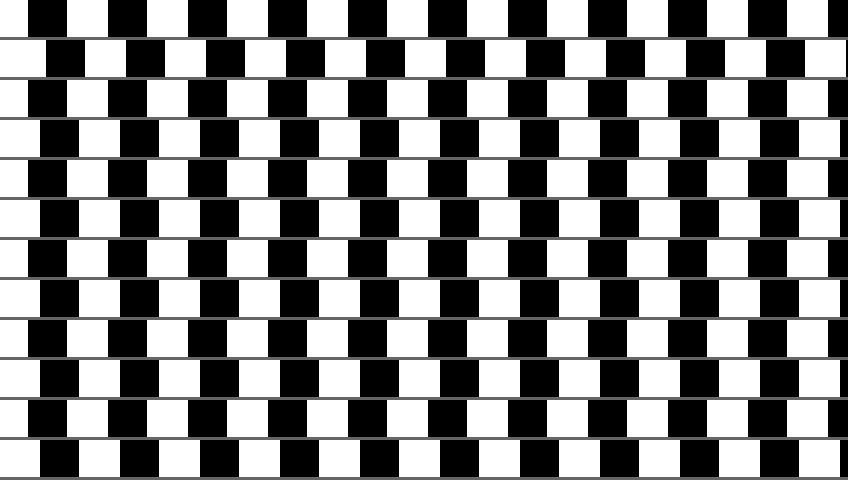
Seite 5
the tilt after-effect
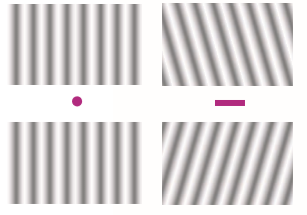
If we look at the line for 60s then switch to the dot, the straight lines will appear tilted in the opposite direction of the actually tilted ones we were looking at earlier. This is very good proof that we have orientation tuned cells in our brains.
Neurons sensitive to the specific orientation that we are being shown adapt over time, and therefore when we move our gaze to an orientation that is similar, the cell tuned to it will still have maximum excitation, but the ones surrounding it (which should give about 50% excitation) have their ratio fucked up, because one of them is inhibited, therefore the line looks slightly tilted in the opposite direction.
the size after-effect
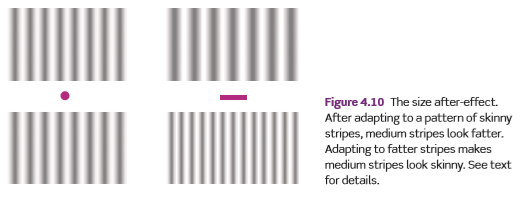
The effect is similar to the tilt after-effect and also respects a distance paradox.
Seite 6
the simultaneous tilt and size illusions
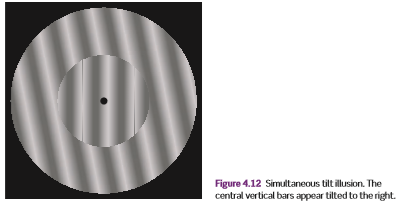
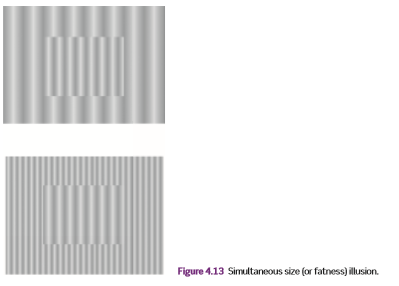
Causes are very similar to the simultaneous contrast illusion, except with orientation and size sensitive cells
the Titchner or Ebbinghaus illusion

The two circles in the middle are the same size, but appear very different. This might come from the same type of cause as the simultaneous size illusion.
Informationen
- Beschreibung
- Visual Perception and Illusions Notiz am Illusions, erstellt von Andra . am 01/12/2016.
- Erstellt von
- Andra .
- Aufrufe
- 0
- Bewertung