
Notizen
Nationalist Ideologies
Inhalt der Notizen (6)
Seite 1
Liberal Nationalism
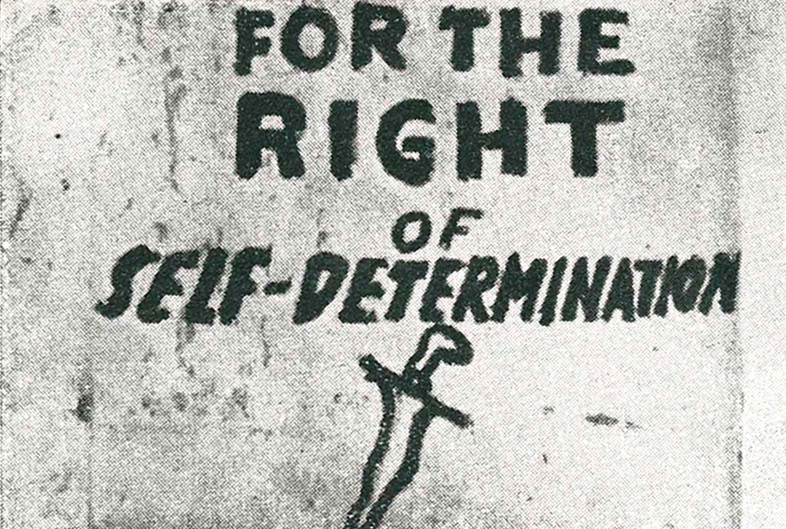
Mazzini argued that individual liberty would find its true place within nationalism. Rousseau, who believed in popular sovereignty, contended that popular self-government and liberal principles fused due to the autocratic and oppressive nature of multinational empires of which nationalists fought. Woodrow Wilson brought about the idea of self-determination after World War One to promote the idea that a country has a right to rule itself, free of outside control.
Nationalists argued nations are sovereign entities; entitled to liberty and self-determination
Liberal nationalism opposes all forms of foreign domination and oppression
It stands for government based on constitutionalism and representation
Further, promotes the belief that all nations are equal; construct a world of independent nation-states
Liberals believe that nationalism is a force capable of promoting unity amongst the nations
This involves mutual respect of national rights and characteristics
Liberal nationalists ignore the more bleak sides of nationalism
Irrational bonds of tribalism
Power of emotional nationalism which leads people to die for their country for a 'just' reason
Also, not all nation-states pursue political and international harmony
Seite 2
Conservative Nationalism
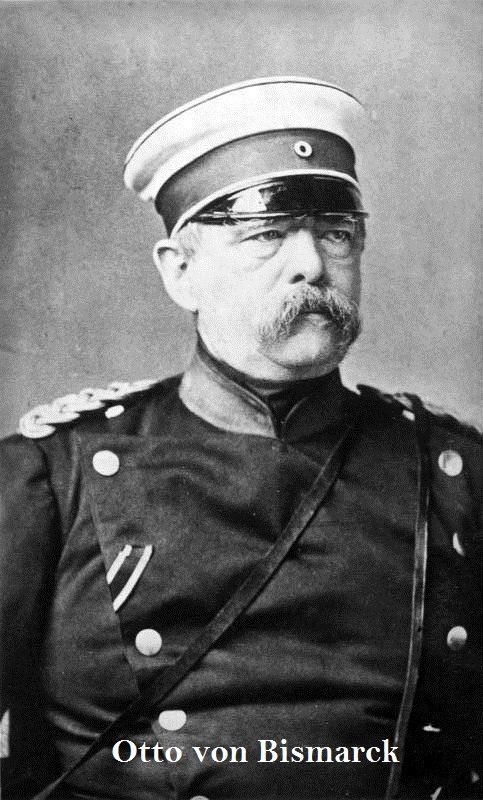
Benjamin Disraeli and Otto von Bismarck contended that nationalism led to the maintenance of social order and defended traditional institutions of the state. Conservative nationalism has a tendency to surface in established nation-states. Conservatives care more about social cohesion and public order developed from national patriotism than self-determination.
Society is viewed as organic
Humans are imperfect, and seek security within a national community
The principal goal of the state is to maintain national unity by fostering patriotism and pride of one's country
Incorporating the working class into the nation can be seen as a prevention tool against social revolution
This type of nationalism reflects on the past as an age of glory and triumph
Issues of immigration and supranationalism have sustained this form of nationalism.
The belief that cultural diversity leads to instability and conflict
In order for a society to be stable, there must be shared values and a common culture; immigration, therefore, is heavily restricted
Supranational bodies, such as the European Union, pose threats to cultural and national bonds
Seite 3
Racial Nationalism
This is when nationalism is based on ethnic identity
It is based on racial superiority and exclusivity; the racial group unifies into a state and therefore can be labelled expansionist
Racial Nationalism is evident in attempts to preserve a race through policies such as banning race mixing and immigration of other races
This strain of nationalism was pushed forwarded by Houston Chamberlain and Arthur de Gobineau and their belief of racial superiority
The argued that racial superiority was a justification for the takeover of inferior nations
Chamberlain believed that the history of people or race was determined by its racial character and abilities. He conceived race in regards to attitudes and abilities instead of physical characteristics
De Gobineau is infamous for developing and advocating the idea of the 'Aryan' master race
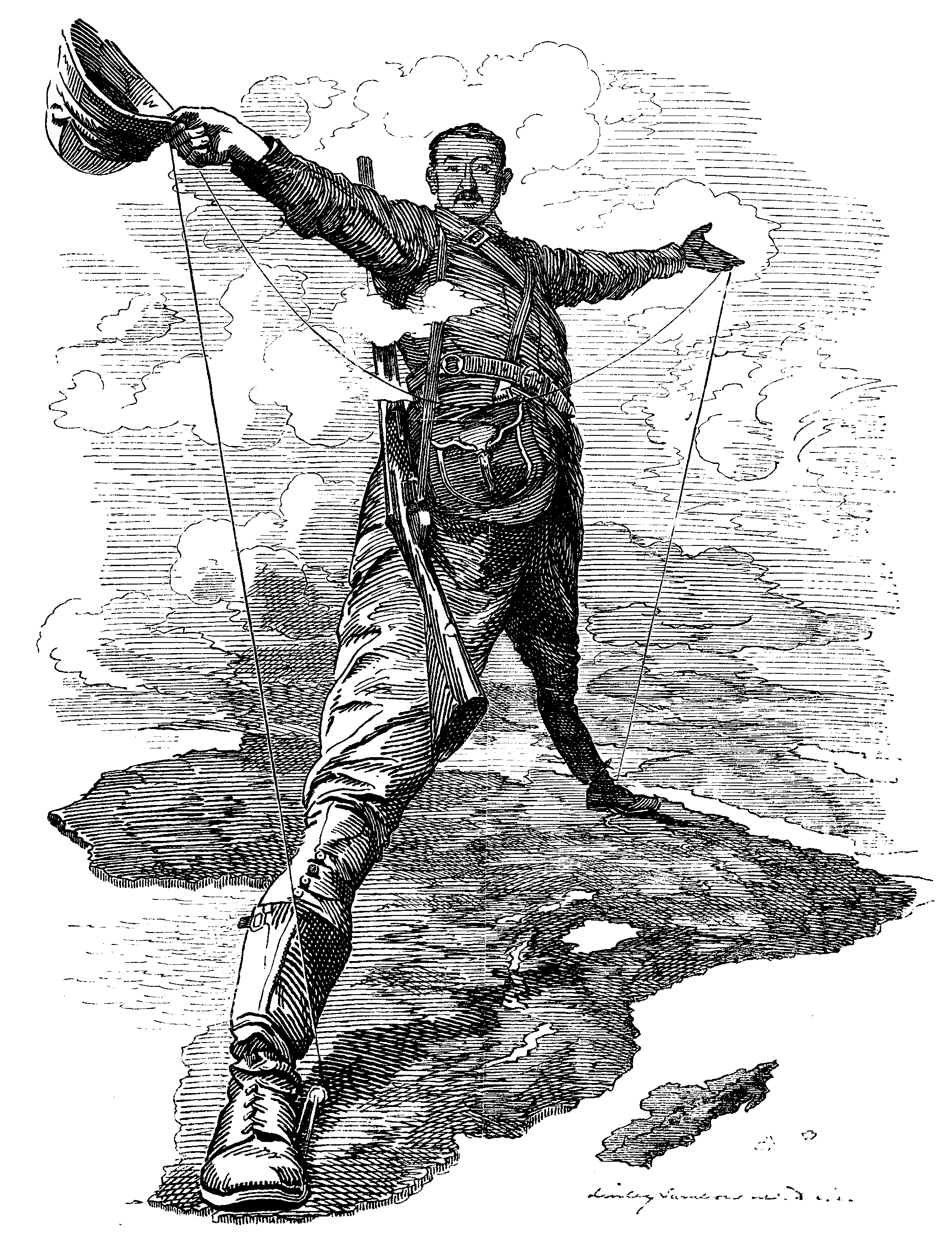
Their ideas related not only to Europe, but also to Africa
Many African nations were considered inferior and it was the duty of the Nordic and Germanic races to educate them
Chamberlain and de Gobineau's ideas were taken by the Nazis to promote the concept of an Aryan race
Seite 4
Expansionist Nationalism
Expansionist nationalism has always been seen as the aggressive side of nationalism, evident in the late 19th century
This relates to the concept of Jingoism:
Can be seen as a form of hyper-patriotism, which pursues aggressive and warlike foreign policy
Also relates to a country's use of force and threats, instead of peaceful relations, to protect what is best in the national interest
Reflects the feeling and belief that your country is the best
Different from liberal nationalism as it is chauvinisitc - this terms is derived from Nicolas Chauvin who was a devoted French soldier to Napoleon
This forwards the idea that some nations possess characteristics or qualities that make them superior to others
National chauvinism develops from a feeling of intense nationalistic enthusiasm
Charles Maurras claimed that this type of nationalism is 'integral nationalism'; individuals and groups identities break down within the 'nation'
The nation is often assisted by militarism
National chauvinism appeals to people who are isolated and powerless as it offers a sense of security and pride
Most other nations or races are portrayed as a threat or enemy to this nationalism
When facing an enemy nation is able to draw together; strong and unified in identity
Seite 5
Post-Imperial Nationalism
Nationalism can be utilised as a powerful tool when a country is seeking to gain independence
This is because nationalism provides a direct and unified opposition to an imperial power; people are socially united and share a national identity
The aim of this type of nationalism is to ensure that the identities of post-colonial countries are authored by themselves and not by colonial powers
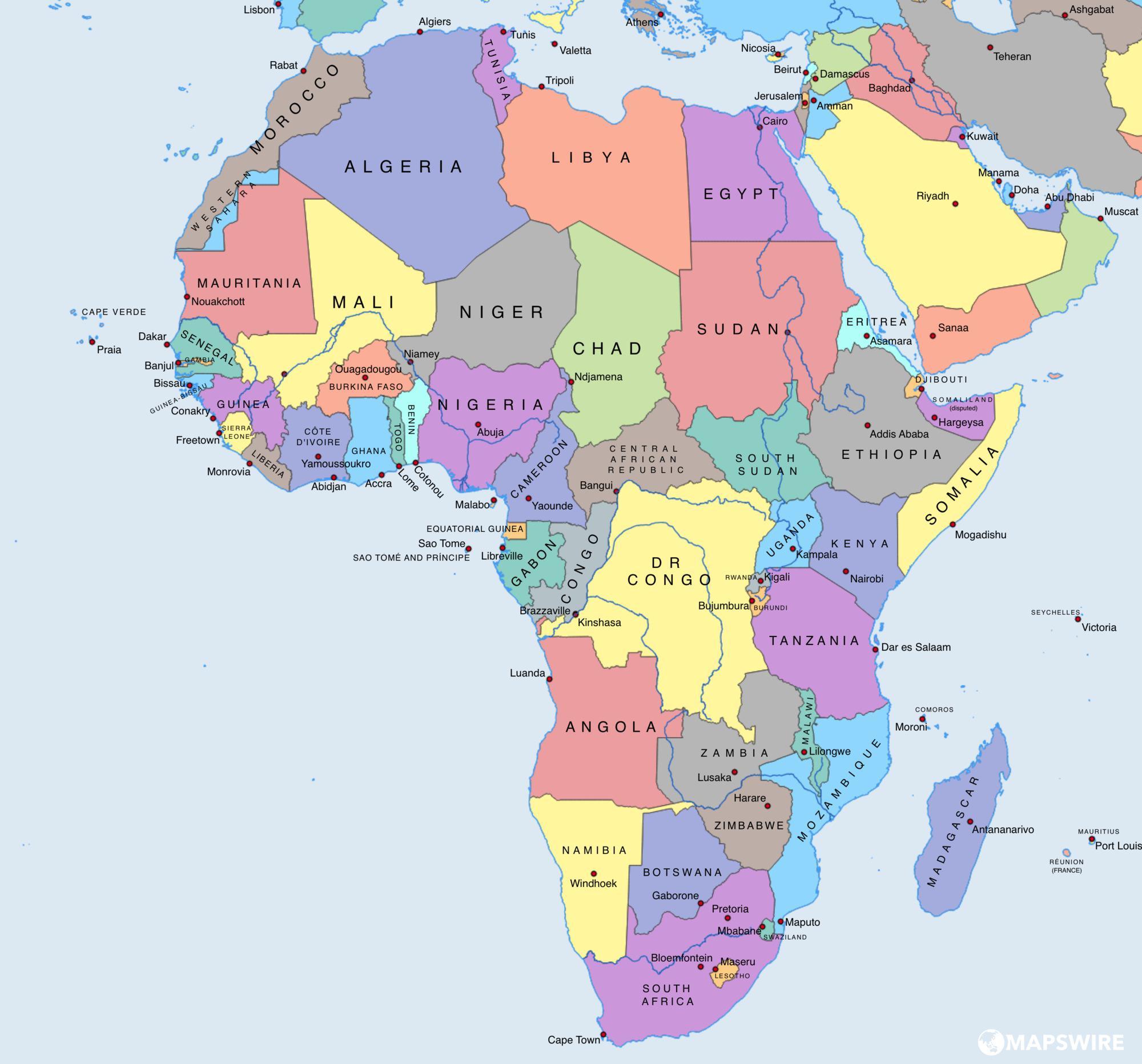
Usually the case is many newly independent states are authoritarian in nature, this is due to the boundaries of the states incorporating many multicultural groups e.g. the dividing up of Africa
This nationalism promotes self-sufficiency within a country and is non-expansionist in nature
In Africa, there was many division along cultural, linguistic and tribal lines
Figures such as Charles Nyerere used dislike and mistrust of former colonial powers as a means to creating some sense of national identity
Charles's father, Julius Nyerere, promoted post-imperial nationalism in Tanzania by advocating for a one-party state
Seite 6
Socialist Nationalism
Socialist nationalism is normally based upon the principles of:
Social equality
Popular sovereignty
National self-determination
Socialism is used in conjunction with nationalism for a number of things:
It underpins the independence and self-determination of a country
While, distancing a country from formal imperial and capitalist power
Socialism as an ideology creates solidarity, justice and national purpose
Involves political and economic theory regarding social organisation that advocates the means of production, distribution, and exchange should be owned and regulated by the community as a whole
Charles Nyerere united his distrust of Western nations and left-wing beliefs to develop a strong state provision for health and education. Further, Lenin used this type of nationalism when Russia was invaded by the White Army during the Civil War.
Informationen
- Beschreibung
- Der Nutzer hat seine Fachbereichs-Information gelöscht. Notiz am Nationalist Ideologies, erstellt von Gelöschter Nutzer am 24/08/2017.
- Erstellt von
- Gelöschter Nutzer
- Aufrufe
- 61
- Verlauf
-
- Erstellt von Andrew Burke · 24 Jul 2017
- Kopiert von Andrew Burke · 21 Aug 2017
- Kopiert von Andrew Burke · 24 Aug 2017
- Bewertung