
Notizen
The League of Nations
Inhalt der Notizen (6)
Seite 1
Reaction to Versailles
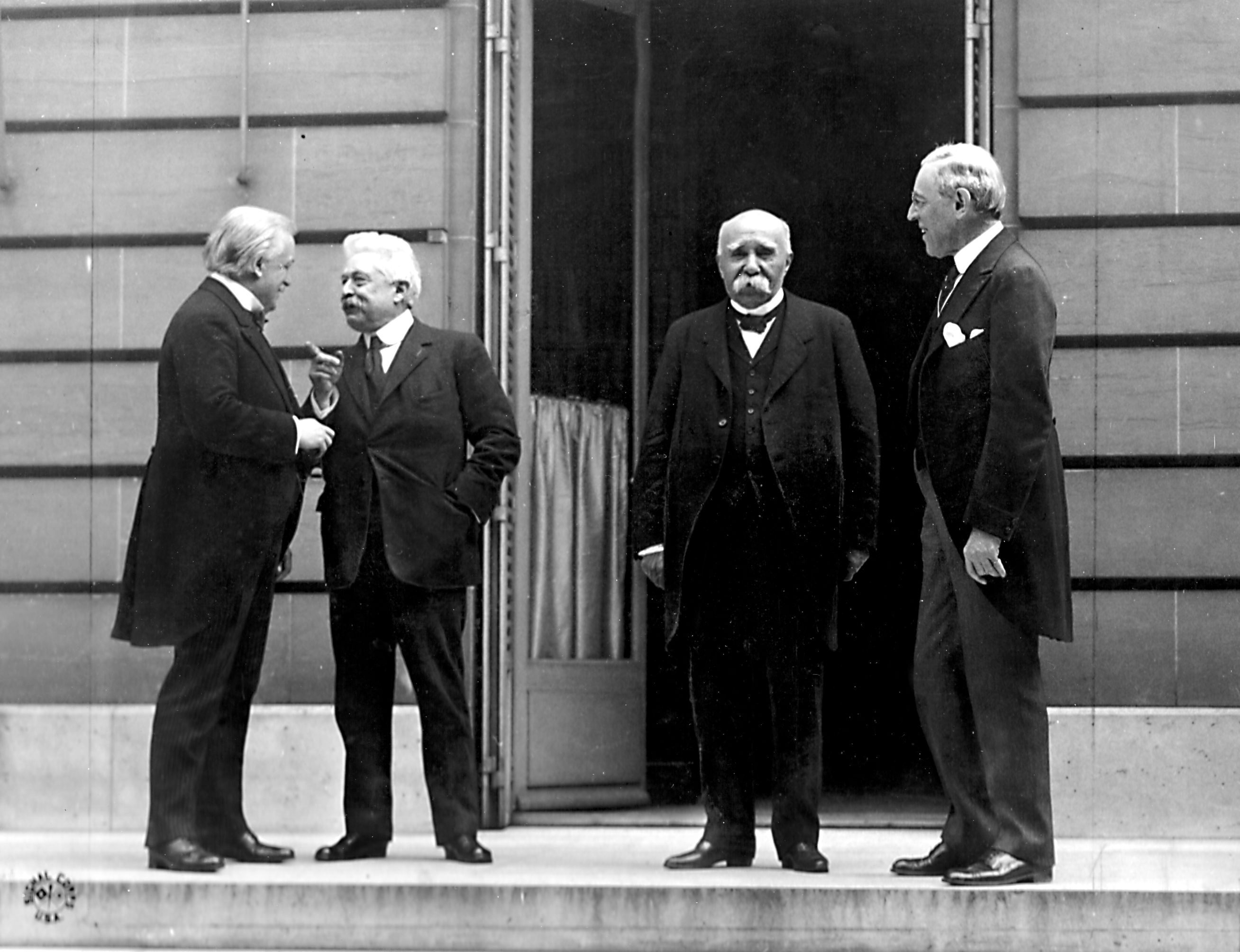
All the treaties that had been agreed at the Paris Peace Conference encountered opposition from the defeated nations. For Germany, there was outrage against the Treaty of Versailles:
Many Germans believed they did not lose the war, rather they had agreed to an armistice
Germany argued the agreement was a diktat (an order or decree imposed by someone in power without popular consent)
The War Guilt clause was unfair to blame only Germany, all countries should share the blame
Disarmament claims were unequal as no World War One victor had to reduce arms
Loss of land and people was inconsistent with Wilson's principle of self-determination:
North Schleswig given back to Denmark
Alsace-Lorraine given to France
West Prussia, Posen and Upper Silesia to Poland
Reparations would cripple the German economy
Germany was not requested to join the League of Nations until proving peaceful intentions
Seite 2
Other Treaties of the Paris Peace Conference
Treaty of Neuilly 1919 (Bulgaria)
Bulgaria loses land to Yugoslavia, Romania and Greece
Limited army to 20,000 and reparations of £10 million
Treaty of St Germain 1919 (Austria)
Forbidden to unite with Germany
Army of 30,000 men limit
Austro-Hungarian empire splits to create new central and eastern Europe states
Many of the new states contained large minority groups (e.g. Germans living in the Sudetenland in Czechoslovakia)
Treaty of Trianon 1920 (Hungary)
Lost territory to Czechoslovakia, Romania and Yugoslavia
Had reparations to pay but their economy was never strong enough
Treaty of Sèrves 1920 (Turkey)
Lost land to Italy and Greece
Limited armed forces
Much of Turkish empire went to France and Britain (received Iraq which was rich in oil)
Turkey used force to reverse some of the terms of the treaty, which led to the Treaty of Lausanne 1923
Seite 3
The League of Nations Arrival
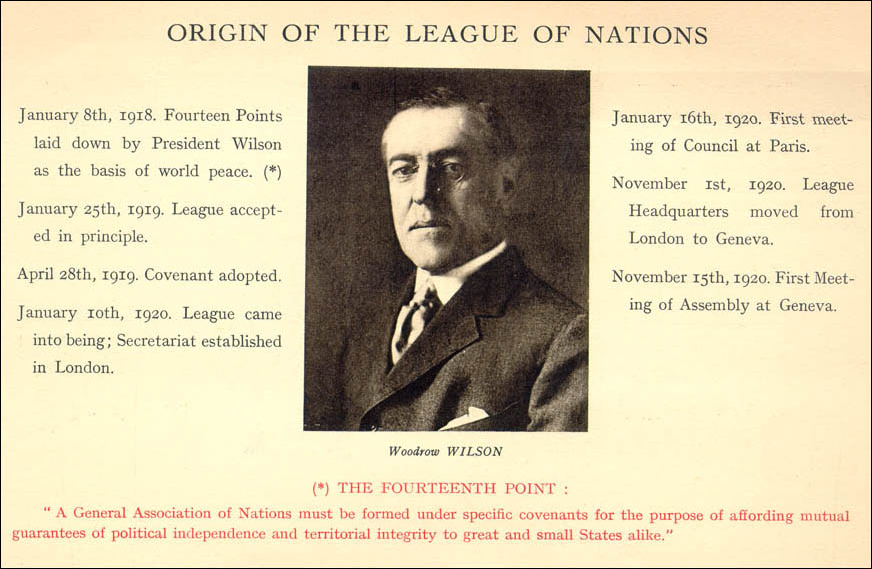
The League of Nations began with 42 members. It was championed by Woodrow Wilson as an organisation to solve international disputes without going to war. All of the members of the league signed a covenant upon obtaining membership:
Promising not to go to war
Promoting just, open and honest relationships with other nations
Agreeing that international law should decide how governments act
Consenting respect and equality for all treaty obligations
In addition to the covenant, the principle of collective security meant league members would protect one another in the case of attack. If any member violated the covenant and committed war illegally, league members could impose economic sanctions (i.e. not trade with that country).
The League of Nations was part of Wilson's vision for a world parliament. Internationalism was commendable, but in reality, leaders such as Clemenceau and George, wanted to be able to act independently in their own interest (concern for nationalism). Moreover, major countries would join but they realised the League would impose major restrictions on their own freedom.
This was evident with the US not joining the League and major members such as Japan and Italy leaving, in 1933 and 1937 respectively. However, the League reached over 50 members by 1939.
Seite 4
The League of Nations in Action
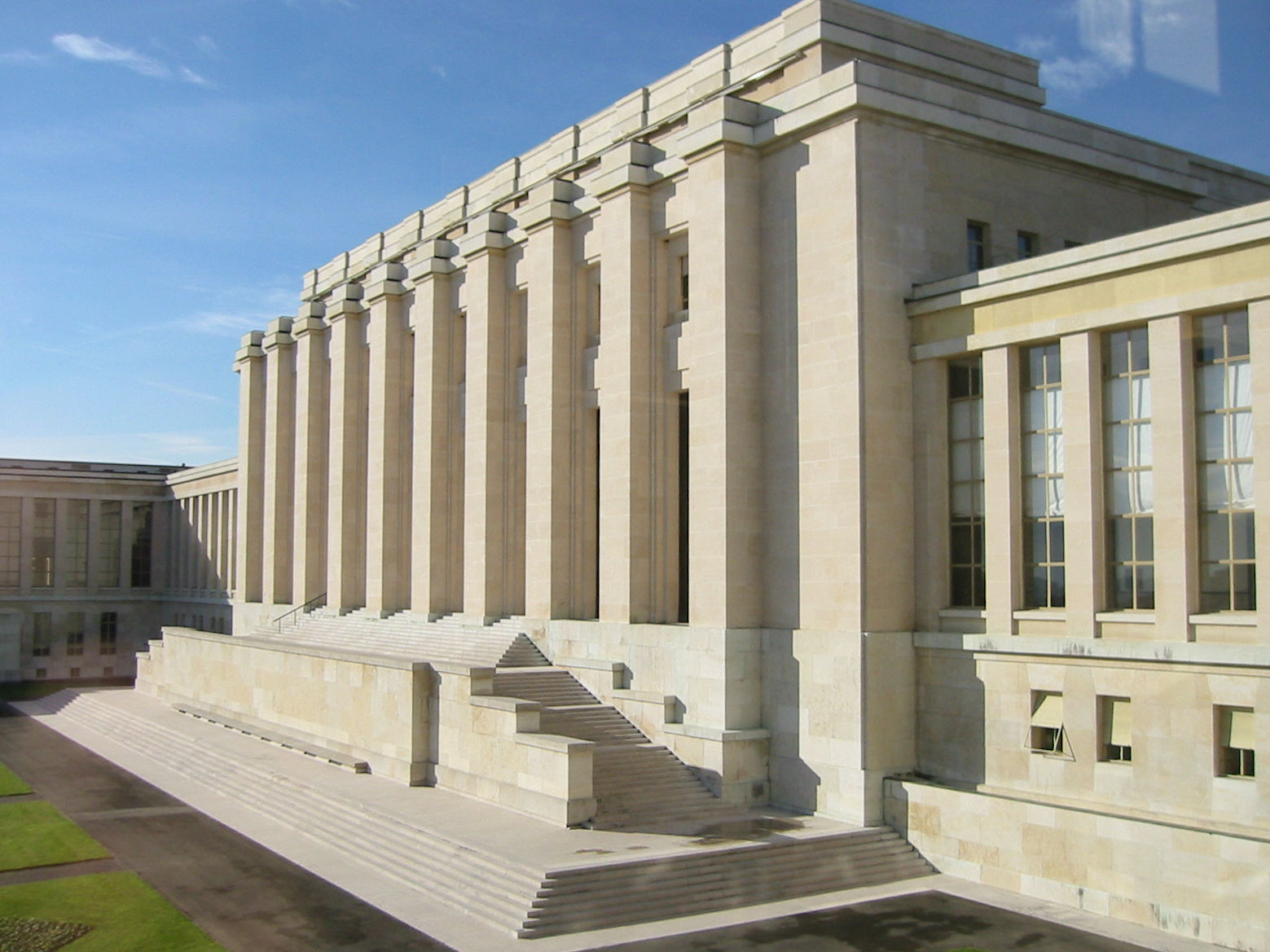
The Leagues Commission's were composed of lawyers, trade unionists and financial experts from across the member nations. These individuals formed and cooperated to solve problems that were left behind from the war. This is a fine example of internationalism that led to several achievements in the 1920s:
Refugee Committee - helped return 400,000 people home after the war, who were either displaced or made prisoners of war
International Labour Organisation - campaigned for workers' rights, especially for women and children
Declaration of the Rights of the Child - still in force today
Health Committee - funded research for cures of fatal diseases, such as the development of vaccines for malaria and leprosy. Also, fought against drug trafficking and slavery (e.g. 200,000 slaved freed in Sierra-Leone, which was owned by Britain)
Financial Committee - came up with economic plans to solve the financial collapses that occurred in Austria and Hungry in 1922-23
The League developed over time as a place for experts to exchange ideas and improve lives. Eventually, the League was replaced by the United Nations in 1945.
Disarmament Failure:
All peace treaties outlined that all nations should disarm and the League was meant to oversee this. However, throughout the 1920s it failed with this aim. Even though USA, Japan, Britain and France agreed to reduce the size of their navies at the Washington Conference in 1921, an agreement was only the full extent of disarmament.
This failure damaged the League's reputation in Germany. While, Germany was forced to disarm.
Seite 5
League of Nations and International Security
The problems of the war and peace treaties created a whole new set of problems for the League, such as practical problems with redrawing the borders of countries and enforcing the terms of treaties. The League encountered 66 disputes in the 1920s, two of the most significant occurred in Corfu and Bulgaria.
Seite 6
Corfu 1923
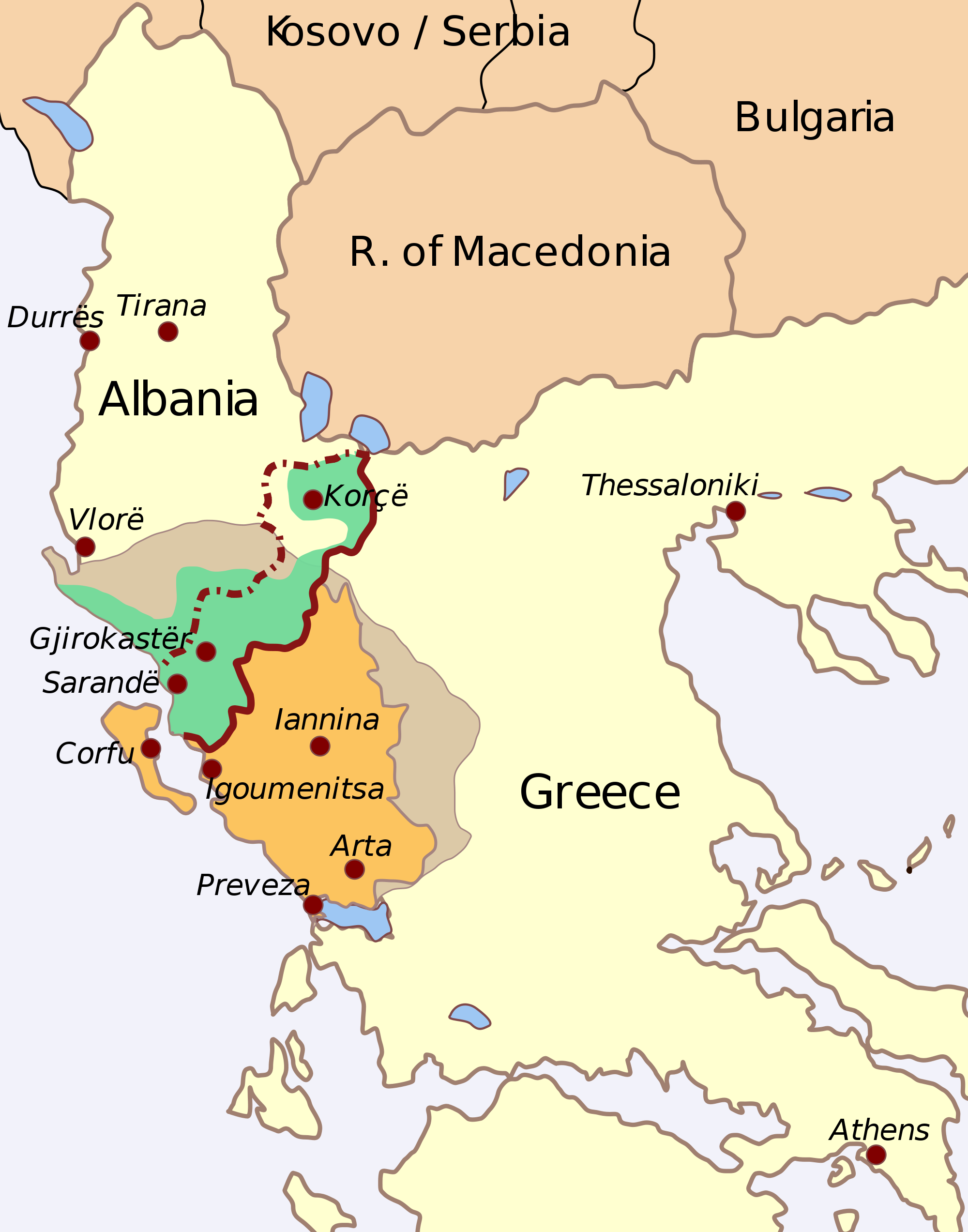
This involved deciding the border between Greece and Albania after the war. The Conference of Ambassador's was in charge of deciding the border and allowed Italian general Tellini to supervise.
On 23 August 1923 while surveying in Greece, Tellini and his men were ambushed and killed
Italian leader Mussolini blamed the Greek government for the murders and demanded compensation and execution of the murderers from Greece
Greece refused to meet the demands and Mussolini attacked and occupied Corfu, killing 15 people
This attack violated the covenant and Greece appealed to the League
The League condemned the actions of Mussolini, but proposed Greece pay compensation
France believed Mussolini was right in his reaction
Britain did not offer up support to Italy regarding the incident
Mussolini succeeded as the Conference of Ambassador's asked Greece to apologise and pay compensation
On 27 September, Mussolini withdraws from Corfu
Bulgaria 1925
In October, some Greek soldiers were killed on the Bulgarian border. This led Greece to invade Bulgaria with the Bulgarians appealing to the League for aid.
The League demanded a ceasefire and Greek withdrawal from Bulgaria
Britain and France backed the demands of the league (as they were negotiating treaties at the time)
Greece obeyed the League's judgement, while outlining the differences of how large and small states were treated
The League succeeded here because the great powers were united in decision-making
Other major disputes solved:
Vilna: Polish-Lithuanian Dispute 1920-1929
The Poles captured Vilna (the capital of Lithuania). The League ordered Poland to withdraw, though Britain and France supported Poland. Poland refused to withdraw and The League could do nothing.
Upper Silesian settlement, 1921
Dispute between Germany and Poland, to solve the situation the League set up a peaceful plebiscite and divided the region between Germany and Poland. Both countries complied.
Aaland Islands dispute, Finland and Sweden 1921
Finland and Sweden both claimed these islands and threatened to go to war over them. Eventually, Sweden accepted the League's ruling that Finland should own the islands.
Informationen
- Beschreibung
- Der Nutzer hat seine Fachbereichs-Information gelöscht. Notiz am The League of Nations, erstellt von Gelöschter Nutzer am 01/09/2017.
- Erstellt von
- Gelöschter Nutzer · Sep 2017
- Aktualisiert
- 1 Sep 2017
- Aufrufe
- 208
- Verlauf
-
- Erstellt von Andrew Burke · 26 Jun 2017
- Kopiert von Andrew Burke · 1 Sep 2017
- Bewertung