
Quiz
Pulmonary Pathology :)
Dieses Quiz enthält Fragetypen, die sich im gewohnten Player öffnen.
Fragen in diesem Quiz (63)
1A woman in her mid-30s all of sudden begins to feel dizzy and is panting. She has angina and a paresthesia in her fingers. These symptoms worsen until she feels like she is going to die. The total episode lasts for about 10 minutes before resolving completely.
- AAcute asthma
- BMyocardial infarction
- CPanic attack
- DTemporal lobe epilepsy
- ETIA
2A 20-year-old woman overdosed on paracetamol tablets 9 hours ago. Which is the single most appropriate emergency treatment?
- AActivated charcoal
- BDiazepam
- CFlumazenil
- DN-Acetylcysteine
- ENaloxone
3A young woman has panic attacks when she has to attend formal meetings at work. Even socially, she feels anxious when meeting friends.
- AAdjustment disorder
- BGeneralized anxiety disorder
- CPanic disorder
- DPost-traumatic stress disorder
- ESocial phobia
4The aorta [blank_start]passes[blank_end] [blank_start]through[blank_end] the diaphragm at level T[blank_start]12[blank_end].
- Apasses
- Bthrough
- C12
5The [blank_start]phrenic[blank_end] nerves ( C[blank_start]3[blank_end] C[blank_start]4[blank_end] and C[blank_start]5[blank_end]) supply the diaphragm.
- A5
- B4
- C3
- Dphrenic
6The sternal angle is at T4/ T5.
- ARichtig
- BFalsch
7The right lung has the oblique and horizontal fissures.
- ARichtig
- BFalsch
8The left lung only contains the oblique fissure.
- ARichtig
- BFalsch
9Oblique fissure starts posteriorly at T4.
It goes from the 4th intercostal space till the 6th costal cartilage.- ARichtig
- BFalsch
10Horizontal fissure follows along the 6th rib
- ARichtig
- BFalsch
11Three major alveolar cell types in the alveolar wall:
Type I pneumocytes (Pc I)
Type II pneumocytes (Pc II)
Dust cells
Which is the correct pairing of functions?- APc I: Surfactant production.
Pc II: Destroys foreign objects
Dust cells: Gas exchange. - BPc I: Gas exchange
Pc II: Surfactant production
Dust cells: Secretes dust–like hormones into the alveoli. - CPc I: Gas exchange
Pc II: Destroys foreign objects
Dust cells: Surfactant production. - DPc I: Surfactant production.
Pc II: GPc I: Gas exchange. Pc II: Surfactant production. Dust cells: Destroys foreign objects.
Pc I: Gas exchange. Pc II: Surfactant production. Dust cells: Destroys foreign objects.
as exchange.
Dust cells: Secretes dust –like hormones into the alveoli. - EPc I: Gas exchange
Pc II: Surfactant production
Dust cells: Destroys foreign objects.
- APc I: Surfactant production.
12The cells found in the alveolar wall are type [blank_start]I[blank_end] pneumocytes. AKA [blank_start]squamous[blank_end] alveolar cells.
Type [blank_start]II[blank_end] pneumocytes secrete pulmonary surfactant to prevent the alveoli from collapsing. AKA [blank_start]great[blank_end] alveolar cells.
[blank_start]Macrophages[blank_end] are also called dust cells.- AMacrophages
- BII
- CI
- Dsquamous
- Egreat
13Label the parts. (no numbers-- spell everything fully out)
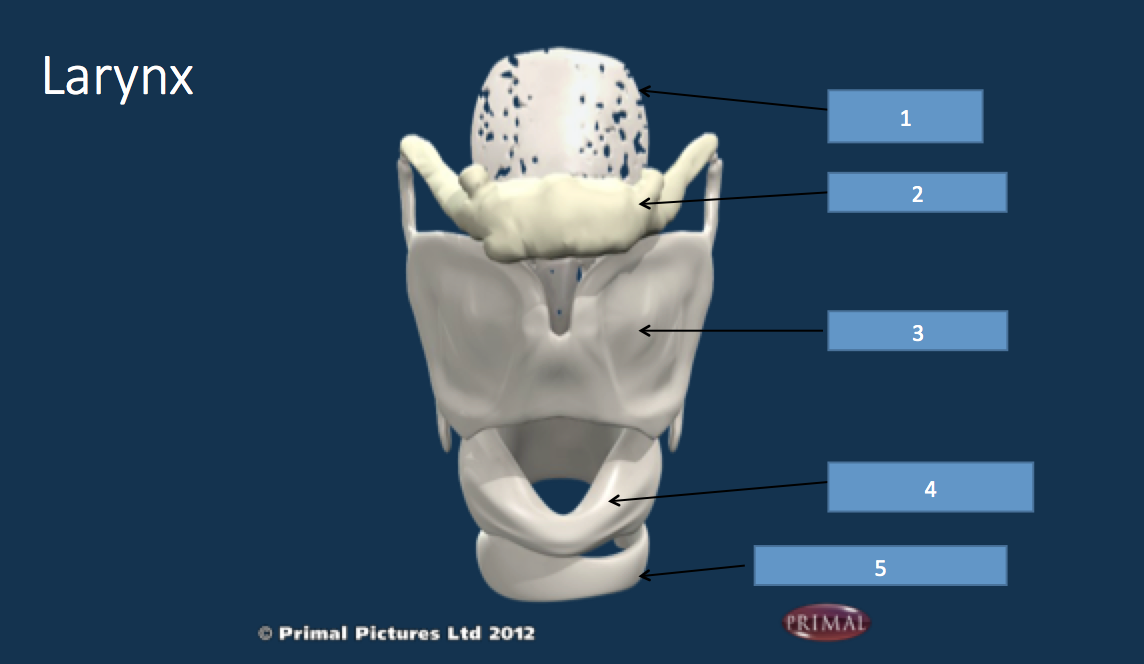
- Aepiglottis
- Bhyoid bone
- Cthyroid cartilage
- Dcricoid cartilage
- Efirst tracheal cartilage
14Label parts of the larynx. No numbers/ everything needs to be fully written out.
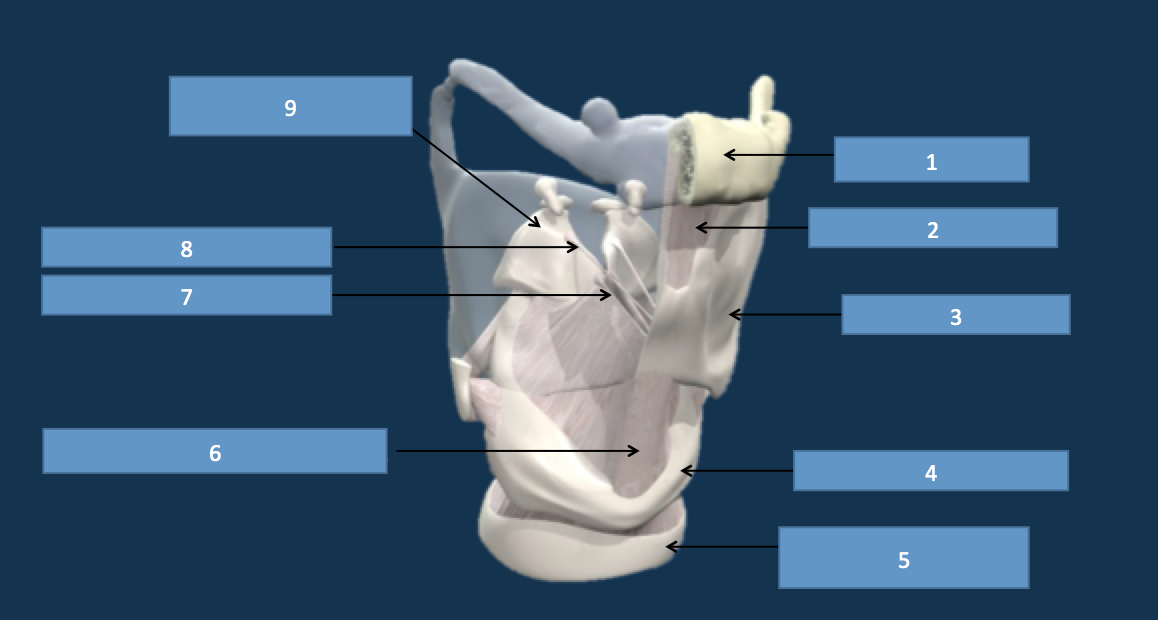
- Ahyoid bone
- Bthyrohyoid membrane
- Cthyroid cartilage
- Dcricoid cartilage
- Etrachea
- Fcricothyroid ligament
- Gtrue vocal cords
- Hfalse vocal cords
- Iarytenoid cartilage
15Parts of the Larynx. No numbers.
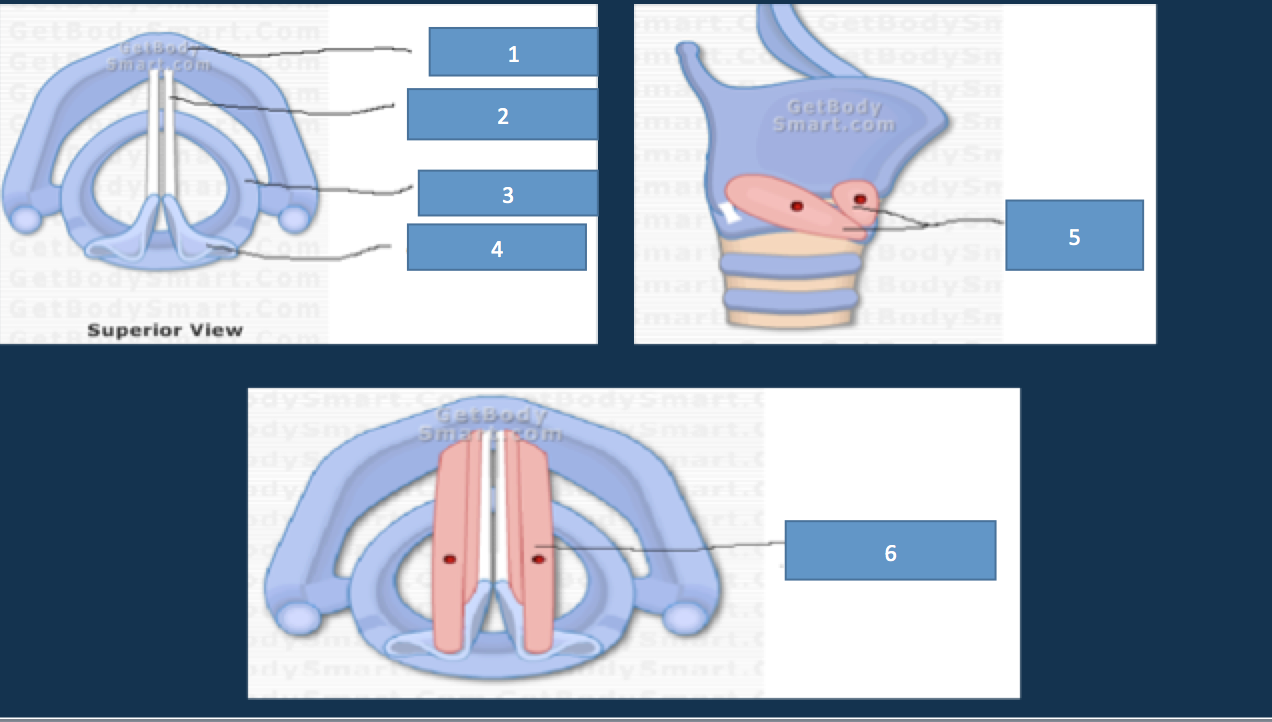
- Athyroid cartilage
- Bvocal cords
- Ccricoid cartilage
- Darythenoid cartilage
- Ecricothyroid muscle
- Fthyroarythenoid muscle
16The [blank_start]cricothyroid[blank_end] muscle contracts to rotate the [blank_start]thyroid[blank_end] cartilage forward. Doing so increases the [blank_start]tension[blank_end] on the vocal cords and increases the [blank_start]pitch[blank_end].
- Acricothyroid
- Bthyroid
- Ctension
- Dpitch
17[blank_start]Thyroarytenoid[blank_end] muscle relax and [blank_start]shortens[blank_end] the vocal cords, [blank_start]decreasing[blank_end] tension on the vocal cords and [blank_start]decreasing[blank_end] the pitch.
- AThyroarytenoid
- Bshortens
- Cdecreasing
- Ddecreasing
18[blank_start]Lateral[blank_end] [blank_start]cricoarytenoid[blank_end] muscle [blank_start]adducts[blank_end] the vocal cords and [blank_start]protects[blank_end] the airway.
- ALateral
- Bcricoarytenoid
- Cadducts
- Dprotects
19[blank_start]Posterior[blank_end] [blank_start]cricoarytenoid[blank_end] muscle [blank_start]abducts[blank_end] the vocal cords and helps [blank_start]breathing[blank_end] movements of inspiration and expiration.
- Acricoarytenoid
- BPosterior
- Cabducts
- Dbreathing
20The cricothyroid muscle increases pitch and is innervated by the superior laryngeal nerve.
- ARichtig
- BFalsch
21The thyroarytenoid decreases the pitch and is innervated by the superior laryngeal nerve.
- ARichtig
- BFalsch
22The posterior cricoarytenoid adducts the vocal cords and is innervated by the recurrent laryngeal nerve.
- ARichtig
- BFalsch
23The lateral cricoarytenoid muscle adducts the vocal cords and is innervated by the recurrent laryngeal nerve.
- ARichtig
- BFalsch
24A 65 years old man who was previously diagnosed with lung cancer presents to the ED. He complains that he can’t sweat on the left side of his face. Using his presentation and the image shown below, what is the most likely diagnosis?
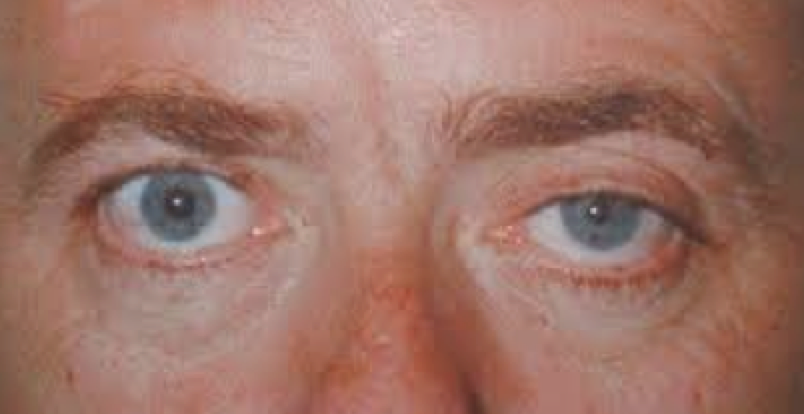
- AHorner’s syndrome
25What is true regarding Pancoasts tumors?
- AApical lung cancer
- BInvades the cervical sympathetic plexus
- CInvades the brachial plexus to give shoulder and arm pain
- DInvades the recurrent laryngeal nerve to give a horse voice
- Esmall cell lung cancer
- FBovine cough from vocal cord paralysis.
26Labels parts of the spirometry test.
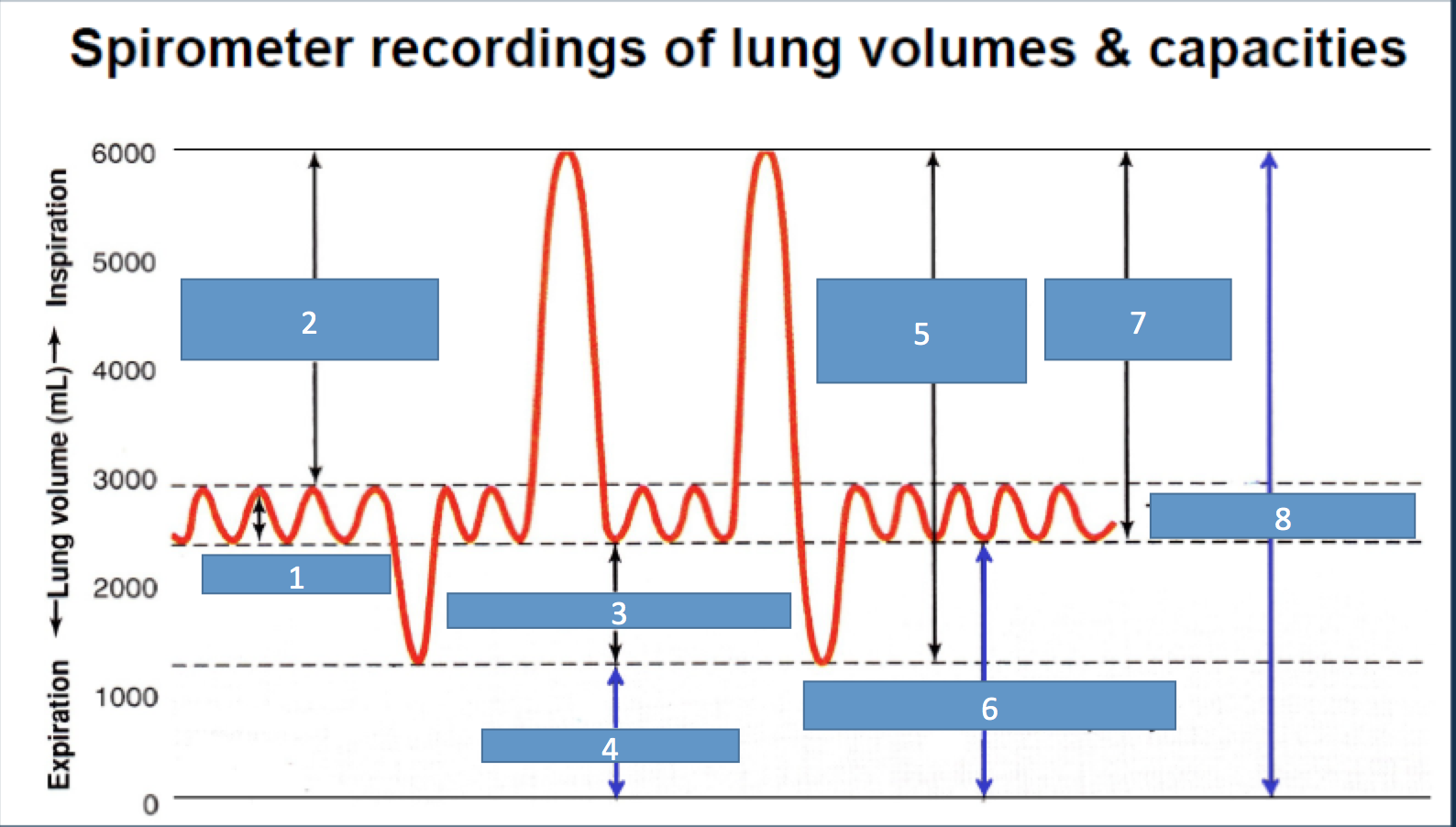
- Atidal volume
- Binspiratory reserve volume
- Cexpiratory reserve volume
- Dresidual volume
- Evital capacity
- Ffunctional residual capacity
- Ginspiratory capacity
- Htotal lung capacity
27Different Lung Function Tests: (Vitalograph has abbreviations)
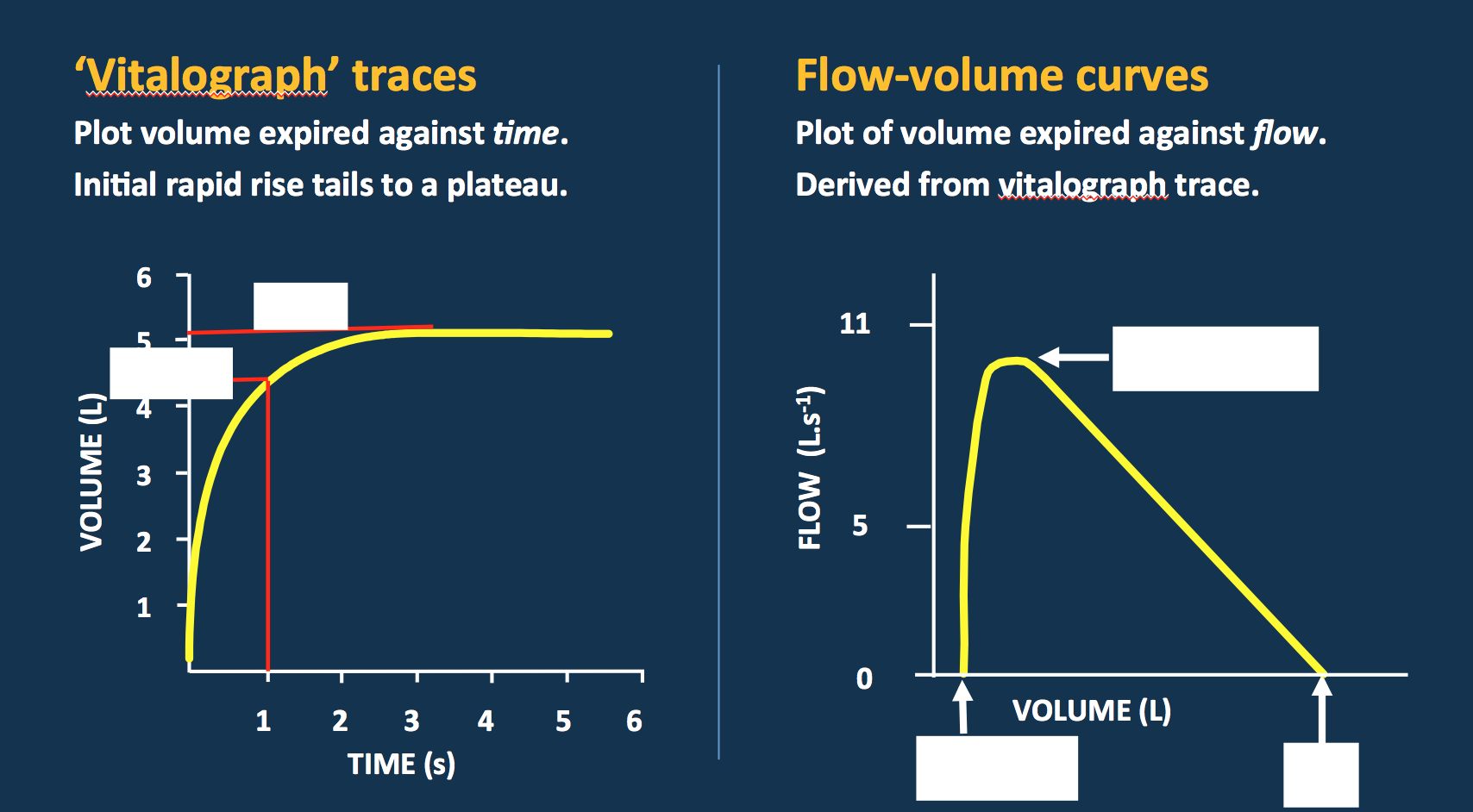
- ATotal lung capacity
- BReserve volume
- CPeak Expiratory Flow
- DFEV1
- EFVC
28What is the max amount of gas that can be forcefully exhaled and as quickly as possible after a maximal inhalation?
- AFVC
- BFEV1
- CPEV
- DTV
29This is the volume expired in the first second. It is Affected by how narrowed the airways are.
- AFEV1
- BFVC
- CPEF
- DTLC
30Which of these is true regarding obstructive diseases?
- Aex: cystic fibrosis
- Bex: asthma
- Cex: COPD
- Dlower FEV1
- Enormal FEV!
- Flower peak flow rate (PEFR)
- Glower total lung capacity
- Hincreased residual volume
- Ipursued lips
- Jbarrel chest
31What conditions are these flow charts descriptive of?
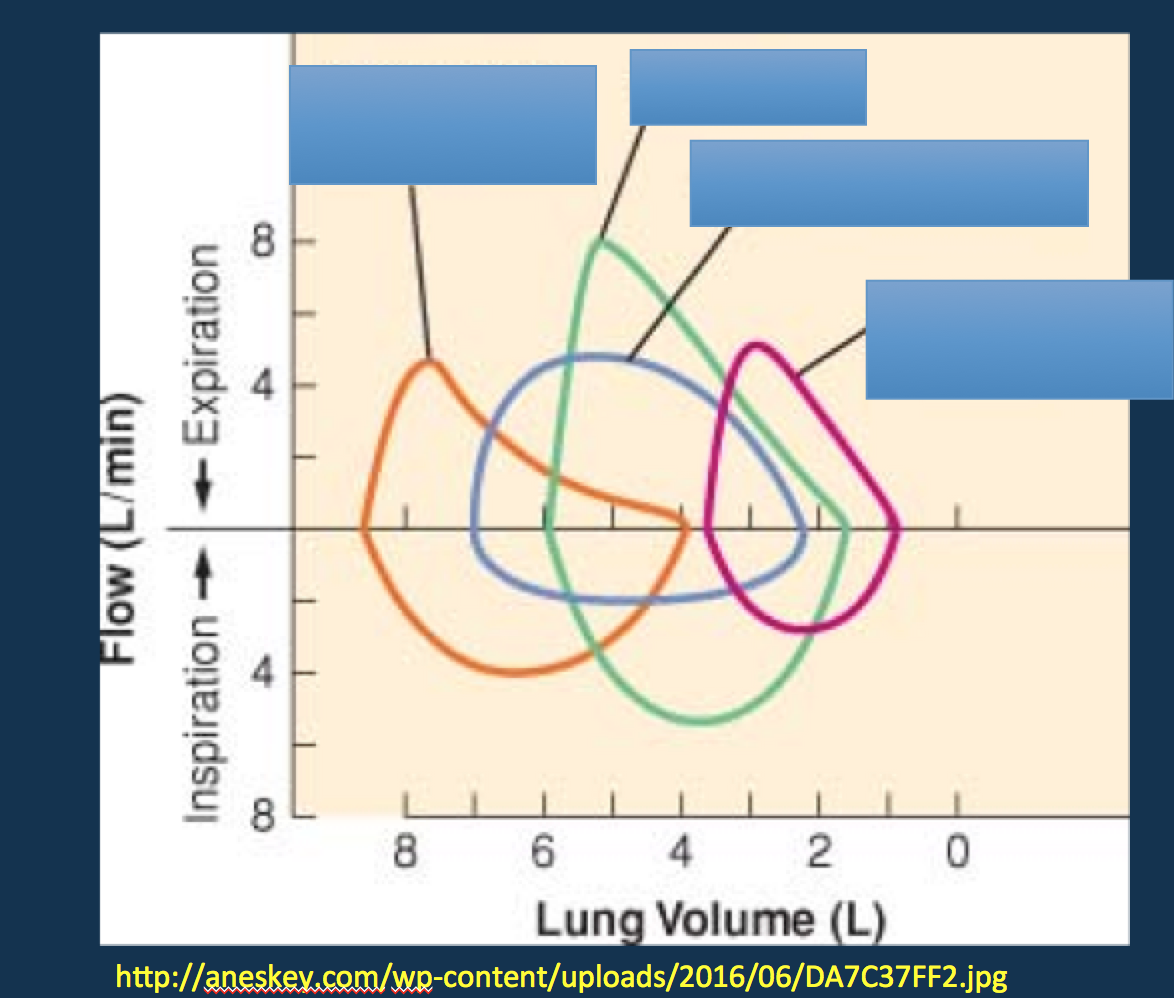
- Anormal
- Btracheal stenosis
- Crestrictive conditions
- Dobstructive conditions
32What are these vitalographs reflective of?
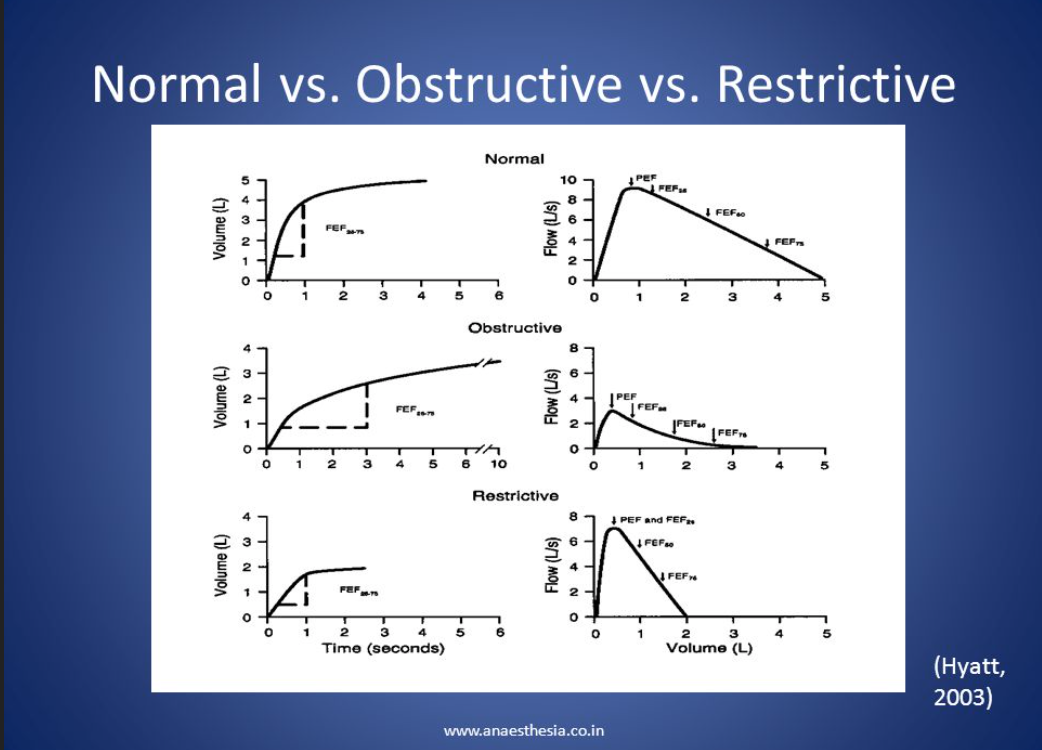
- AObstructive
- Brestrictive
33A 32-year-old woman comes to the ED with a previous month long history of malaise, mild cough, and subjective fevers.
She is HIV positive and her last CD4 count taken 6 months prior was 220. She's not on antiretroviral therapy or other medications.
Vital signs: HR= 88 beats per minute, BP=130/60 mm Hg, RR = 12 breaths per minute, oxygen sat= 91% on room air.
Her chest radiograph shows diffuse, patchy infiltrates bilaterally. Subsequent labs are unremarkable except for an elevated lactate dehydrogenase level.
What most likely causing her condition?- AMycoplasma pneumonie
- BStaphylococcus aureus
- CLegionella pneumonie
- DHemophilus pneumonie
- EPneumocystis jiroveci
34An early middle aged married executive CEO with 2 children complains to her GP complaining of increased tiredness and a lack of interest in her work. She has also been having an upset bowel. Believing she has burnout, what is the best initial management for this patient ?
- APrescribe a SSRI
- BPrescribe a SSNI
- CReferral for CBT
- DSign her off of work as sick
- EDo nothing: will sort itself out
35Which of these is the presentation of an experience of some type of exhaustion due to prolonged and demanding involvement in situations/something?
- APoor concentration
- BLack of interest
- CFatigue
- DDepression
- EShort temper
- FDisorganization
- GAnger
- HDenial
- IResting tremors
36In the early phase of allergen exposure, what is released by mast cells?
- Ahistamine
- Bleukotrienes
- Cbradykinin
- Dprostaglandins
- Eplatelet activating factor
- Fserotonin
37What is released by eosinophils in late allergy phase?
- Aeosinophilic cationic protease (ECP)
- Beosinophilic perioxidase (EPX)
- Cmajor basic protein (MBP)
- Dleukotrienes
- Eprostaglandins
- Fhistamine
- Gbradykinin
38IL-5 is for early phase allergen exposure.
- ARichtig
- BFalsch
39An 18-year-old tall, thin male arrives at ED with acute onset of respiratory distress while sitting at his desk. He had a sharp pain on the right side of his chest that got worse with breathing in. He is otherwise healthy, doesn't do any recreational drugs, and hasn't traveled anywhere recently.
Vital Signs: HR of 100 beats per minute, BP 120/60 mm Hg, a RR of 14 breaths per minute, oxygen sats of 97% on room air.
During auscultations, you note decreased breath sounds on the right side.
Which of the following tests is to be performed next?- AECG
- BEcho
- CChest X-ray
- DComplete Blood Works
- ECT Scan
- FAnterior abdominal x-ray
- GToxicological drug screen
40A 20 year old man complains to the GP of a runny congested nose for the past 3 months with frequent sneezing. Hiis symptoms are worse in the morning and he has no pets. He also has from asthma and eczema. The diagnosis is Perennial rhinitis and you prescribe cetirizine. What is the most likely cause of his condition?
- AHay Fever
- BCats
- CDust mites
- DPollen
- EDogs
41How to Manage Asthma:
1. [blank_start]Short[blank_end] acting bronchodilator
2. Add [blank_start]inhaled[blank_end] cortico[blank_start]steroids[blank_end]
3. Replace [blank_start]short[blank_end] acting for [blank_start]long[blank_end] acting bronchodilator
4. [blank_start]Increase[blank_end] inhaled steroids dose
5. [blank_start]Oral[blank_end] steroids- AShort
- Bsteroids
- Cinhaled
- Dshort
- Elong
- FIncrease
- GOral
42[blank_start]Pollen[blank_end] is the most common cause of [blank_start]seasonal[blank_end] allergic rhinitis.
- APollen
- Bseasonal
43[blank_start]Dust[blank_end] [blank_start]mites[blank_end] are the most common cause of [blank_start]perennial[blank_end] allergic rhinitis
- Amites
- BDust
- Cperennial
44Nick is a 46-year-old builder who has noticed breathlessness which is worse on exertion for roughly the past year. No inhaler seems to be helping.
TLC Raised
RV Raised
PaO2 Reduced
PaCO2 Raised (serious)
Transfer factor (TLCO/ DLCO): Reduced
Based on his lung function tests shown below, what is the underlying condition?- AAsthma
- BCOPD
- CPulmonary Fibrosis
- DPneumothorax
45Alan is a 50-year-old farmer who has been getting breathless over the last 3 years. At first, the shortness of breath came in episodes lasting a few hours but over the last two years, the problems have been continuous.
Reduced FEV1
Reduced FVC
Increased forced expiratory ratio
Reduced total lung capacity
Based on his lung function tests shown below, what is the underlying condition?- AAsthma
- BPulmonary Fibrosis
- CCOPD
- DCystic Fibrosis
46The [blank_start]internal[blank_end] branch of the [blank_start]superior[blank_end] [blank_start]laryngeal[blank_end] nerve supplies sensation to the larynx and responsible for cough reflex.
- Ainternal
- Bsuperior
- Claryngeal
47The [blank_start]external[blank_end] branch of the [blank_start]superior[blank_end] [blank_start]laryngeal[blank_end] nerve supplies the cricothyroid muscle which controls the [blank_start]pitch[blank_end] of speech.
- Aexternal
- Bsuperior
- Claryngeal
- Dpitch
48The [blank_start]left[blank_end] recurrent laryngeal nerve loops under the [blank_start]aortic[blank_end] [blank_start]arch[blank_end].
The [blank_start]right[blank_end] recurrent laryngeal loops under the [blank_start]right[blank_end] [blank_start]subclavian[blank_end] [blank_start]artery[blank_end] before traveling upwards- Aleft
- Bright
- Caortic
- Darch
- Esubclavian
- Fartery
- Gright
49The [blank_start]recurrent[blank_end] [blank_start]laryngeal[blank_end] nerve supplies these laryngeal muscles:
[blank_start]Thyroarytenoid[blank_end]
[blank_start]Lateral[blank_end] and [blank_start]posterior[blank_end] cricoarytenoid muscles- Arecurrent
- Blaryngeal
- CThyroarytenoid
- Dposterior
- ELateral
50What is true regarding of restrictive respiratory diseases?
- ADue to disease in the interstitium of the lungs
- BThe lung x-ray will show increased density of the lung tissue.
- CStiff lungs
- Dex: asthma
- EReduced FVC
- FReduced RV
- GReduced FEV1
- HPEFR slightly decreased
- INormal FEV1: FVC ratio
- Jexs: Pulmonary Fibrosis and Congenital defect
51Stridor and wheeze are both characteristic of obstructive diseases.
- ARichtig
- BFalsch
52What is true regarding pneumonia?
- Apleuritic chest pain
- Bcough
- Csputum
- Dfever
- Emalasie
- Ftachypnea
- Gdull percussion
- Hcrackles during auscultation
- Ichest xray
- Jblood and sputum investigation
53How to manage pneumonia?
[blank_start]supportive[blank_end]
[blank_start]antibiotics[blank_end] started immediately ex: [blank_start]amoxicillin[blank_end] or tetracycline- Asupportive
- Bantibiotics
- Camoxicillin
54What types of pneumonic x rays are these
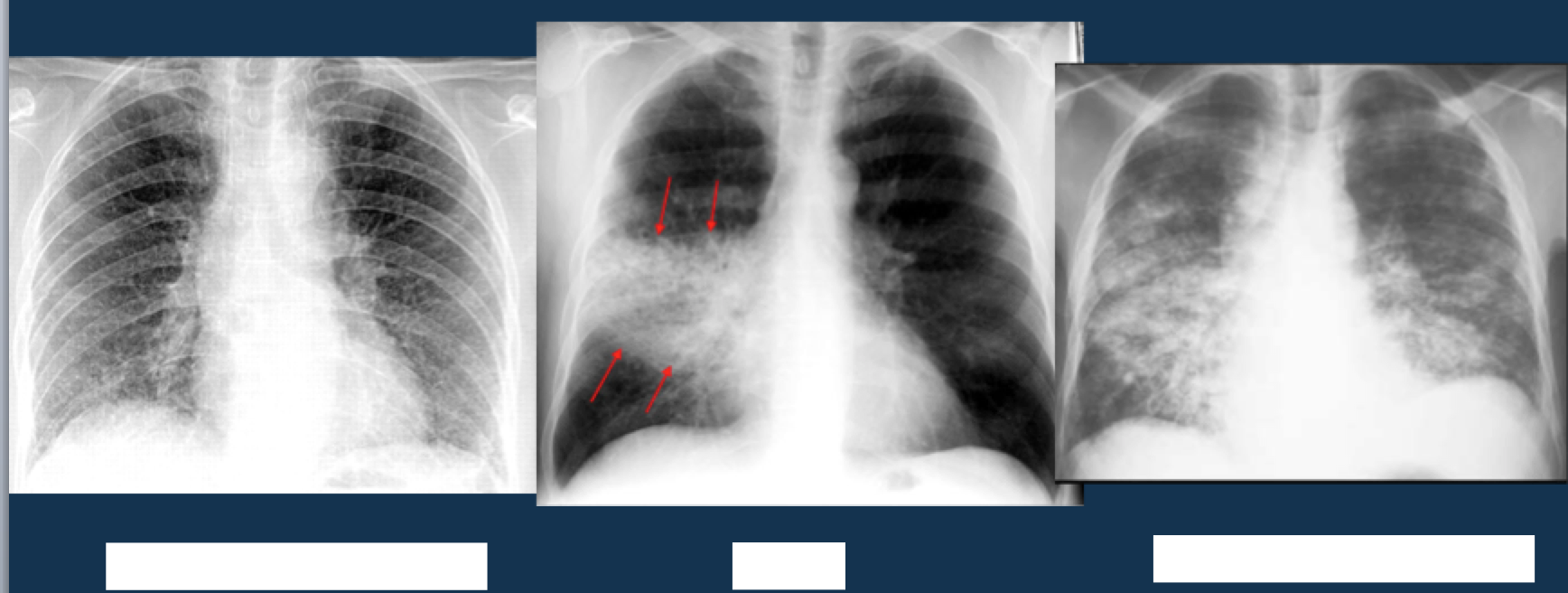
- Alobar
- Binterstitial
- Clobular
- Dbronchopneumonia
55Fill in the parts.
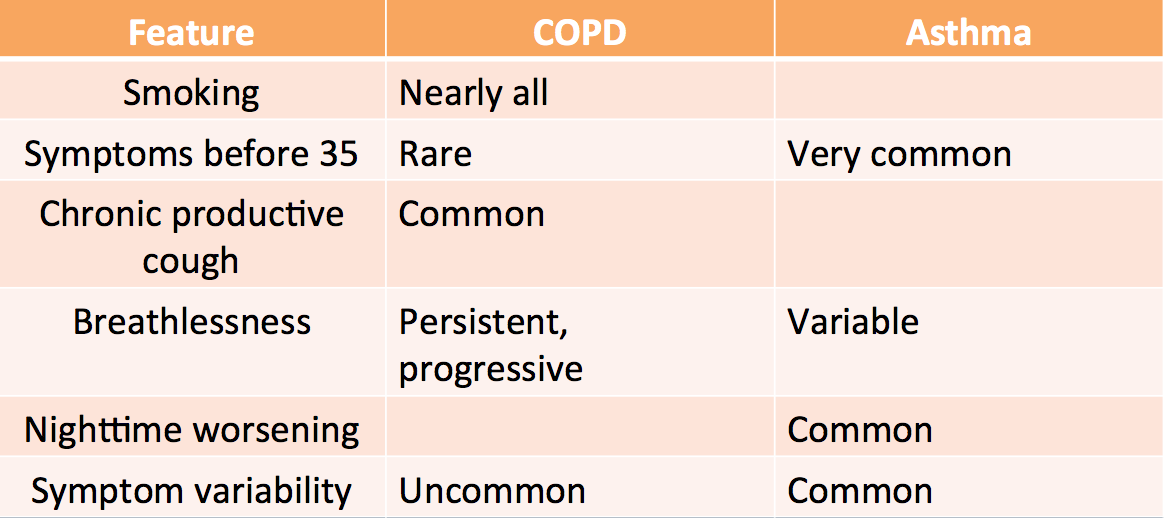
- Auncommon
- Buncommon
- Cuncommon
56The spirometry test history must include post bronchodilator measurements and the degree of reversibility.
- ARichtig
- BFalsch
57[blank_start]Streptococcus Pneumonia[blank_end] and Haemophilus Influenza are th most common causes of community-acquired Pneumonia.
Staph. Aureus is the most common cause of hospital-acquired Pneumonia.
Chlamydophila psittaei is the most common cause of pneumonia in bird owners.
Klebisella Pneumonia is the most common cause of pneumonia in alcoholics
Legionella Pneumonia is the most common cause of pneumonia in those who use air-conditioning.
Pneumocystis jiroveci is the most common cause of pneumonia in immunocompromised patients.- AStreptococcus Pneumonia
- BHaemophilus Influenza
58[blank_start]Streptococcus Pneumonia[blank_end] and [blank_start]Haemophilus Influenza[blank_end] are th most common causes of community-acquired Pneumonia.
[blank_start]Staph. Aureus[blank_end] is the most common cause of hospital-acquired Pneumonia.
[blank_start]Chlamydophila psittaei[blank_end] is the most common cause of pneumonia in bird owners.
[blank_start]Klebisella Pneumoni[blank_end]a is the most common cause of pneumonia in alcoholics
[blank_start]Legionella Pneumonia[blank_end] is the most common cause of pneumonia in those who use air-conditioning.
[blank_start]Pneumocystis jiroveci[blank_end] is the most common cause of pneumonia in immunocompromised patients.- AStreptococcus Pneumonia
- Bstaphylococcus pneumonia
- CHemophilus Influenza
- DHemophilus Pyrethica
- EStaph. Aureus
- FVerfitule Aureleus
- GChlamydophila psittaei
- HChlamydia pneumonia
- IKlebisella Pneumoni
- JClostridium Difficile
- KLegionella Pneumonia
- LPneumonia artificialis
- MPneumocystis jiroveci
- NHPV
- OHIV
- PHep C
59TLCO can be reduced by:
- Areduction in alveolar - capillary membrane area
- Breduced lung volumes
- Cthicker alveoli
- DAnemia due to less hemoglobin
- Eincreased blood volume (pulmonary)
- Fpolycythaemia
60TLCO can be increased by:
- Apolycythemia
- Bincreased pulmonary blood volume
- Cdecreased lung volumes
- Dthicker alveoli
- Eanemia
- Fcertain drugs
61How might pneumothorax present?
- Asudden angina
- Bdyspnea
- Ctachypnea
- Dtachycardia
- Elow oxygen sats
- Ftrachea deviation
- GAffected side moves less
- HNo breath sounds in affected area
- IHyper resonance on percussion
- Jsweaty pallor
62Inserting a needle into the 3rd-5th intercostal space is within the safe triangle
- ARichtig
- BFalsch
63[blank_start]Primary[blank_end] spontaneous pneumothorax occurs randomly in healthy individuals, especially [blank_start]tall[blank_end] and skinny guys.
[blank_start]Secondary[blank_end] spontaneous pneumothorax occurs in individuals with an underlying [blank_start]lung[blank_end] problem, usually it's [blank_start]COPD[blank_end].
[blank_start]Tension[blank_end] Pneumothorax is caused by [blank_start]trauma[blank_end] and is a medical emergency. It's the worst one with most obvious tracheal deviation.- APrimary
- BTension
- CSecondary
- Dtall
- Elung
- FCOPD
- Gtrauma
Informationen
- Beschreibung
- Young Adult teach courtesy of Dayo. Credits entitled to him.
- Autor
- Gelöschter Nutzer
- Sprache
- English
- Aufrufe
- 27
- Verlauf
- Erstellt am 8 Mär 2018 · aktualisiert am 13 Mär 2018
- Schlagwörter
- Bewertung
- Noch keine Bewertungen Bewerte dieses Quiz