
Notizen
Effects and Mitigation of Natural Hazards
Inhalt der Notizen (6)
Seite 1
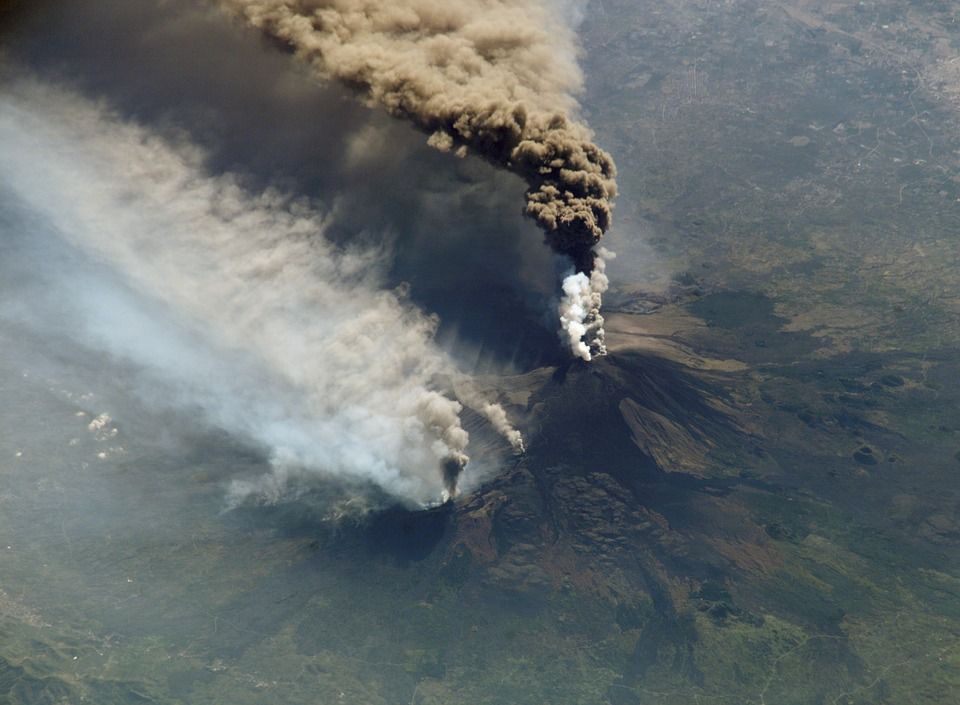
Effects of Tectonic Hazards: Volcanic Eruptions
Primary Effects:
Volcanic Gasses
Lava Flows
Tephra - large pieces of rock being erupted
Pyroclastic flows - high speed avalanches of hot ash, rock fragments and gas which move down the sides of a volcano
Deaths and destruction
Secondary Effects:
Landslides
Lahars
Disruption to weather patterns
Flooding
Economic recession
Short Term Effects:
Deaths and destruction
Damage to landscape
Long Term Effects:
Economic recession
Climate change and regional cooling
Volcanic ash often provides very fertile soils
Tourism
Seite 2
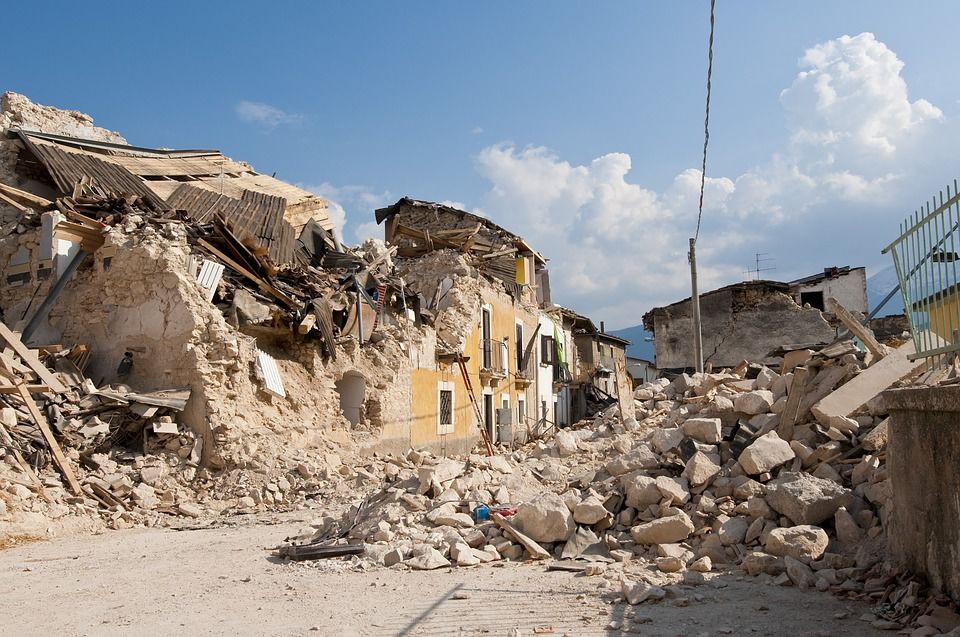
Effects of Tectonic Hazards: Earthquakes
Primary Effects:
Deaths and destruction
Secondary Effects:
Fires
Tsunamis
Landslides
Restriction of water supplies
Spread of disease
Economic recession
Increase in homelessness
Increase in crime rates
Short Term Effects:
Deaths and destruction
Damage to landscape
Long Term Effects:
Economic recession
Disease
Damage to cultural landmarks
Seite 3
Factors that increase vulnerability to hazards:
Physical Factors:
Location - For example, areas around the Pacific Ocean in particular are susceptible to tectonic hazards due to their location near the Pacific Ring of Fire. Location also plays a large role in determining climate.
Population - A larger population will mean more people are vulnerable to natural hazards.
Nature of settlements and the buildings within - durability of buildings within a settlement will often determine the amount of damage after an earthquake or eruption.
Telecommunications - though lines may be damaged in an event, good telecommunication networks in an area can affect responses to an event
Human Factors:
Economic Development - The level of development in an area is one of the most substantial factors in determining the severity of a natural hazard. Development will not only determine some physical factors of vulnerability, but also the amount of money that can be used on hazard mitigation and recovery after an event. Overall, poorer areas are much more vulnerable to disasters.
Education - Education in an area will often bring improvements in science and technology, and thus, mitigation strategies.
Governance - Governance will directly impact the decisions made in mitigation and responses to natural disasters.
Gender - In poorer countries, women are often more vulnerable to natural hazards; they are often unskilled, unemployed, and politically marginalized. Women are usually the caretakers of families in these situations are often the ones tasked with protecting children and the elderly during disasters.
Seite 4
Why stay in a hazardous area?
As the world population continues to rise, more and more people are living in danger of tectonic and climate hazards, but continue to stay in the same area for several reasons:
Fertile soils formed by volcanic ash bring opportunities for farming
Volcanic areas are often very popular tourist locations for their unique views
Volcanic mineral mining is often a choice made by unskilled workers in poorer areas, so the volcano provides job security for these workers
Volcanic areas hold huge opportunities for harnessing renewable geothermal energy
In many cases, populations are too poor or sick to move away from hazardous areas
Some stay in their area for sentimental reasons or for family and friends
Seite 5
Risk management: Earthquakes
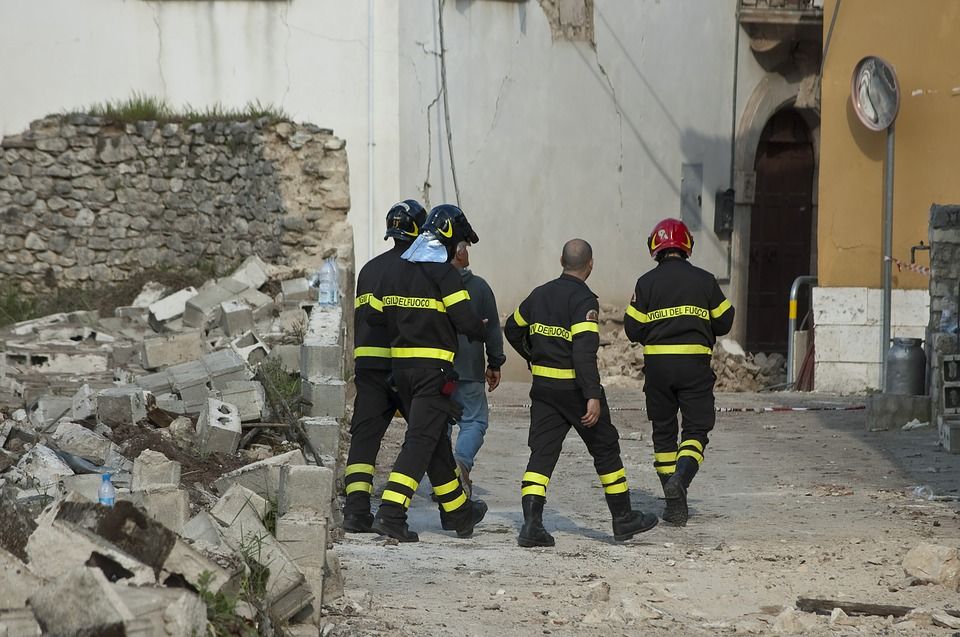
Monitoring and Prediction:
Predicting earthquakes is often very difficult, and in some cases it is impossible to predict the exact location, date, and time.
Earthquake prone areas are mapped due to their vulnerability.
Radon Detection Devices measure the amount of radon gas in the soil and groundwater of an area; radon levels often rise before an eruption.
Seismographs detect tremors in the Earth's surface; before an earthquake, tremors may increase and there may be foreshocks.
GPS receivers and accelerators in smartphones can often detect movements in the ground and can warn others.
Animals can often be seen as acting strangely before an earthquake.
Planning:
Furniture in homes and businesses of earthquake prone areas are often nailed down to prevent damage.
Residents can learn how to turn off gas and water lines to their home to prevent a gas leak or flooding.
Preparation of emergency aid supplies.
Developing and practicing earthquake drills in vulnerable areas.
Protection:
New buildings being designed often include reinforcements to prevent collapse during an earthquake. These buildings often feature rubber shock-absorbers, deeper foundations, fire-resistant materials, shatterproof glass, among others.
Roads and bridges in vulnerable areas may be strengthened to withstand an earthquake.
Earthquake-resistant buildings and bridges are often expensive to build and only occur in wealthier areas.
Seite 6
Risk Management: Volcanoes
Monitoring and Prediction:
Predicting volcanic eruptions is much easier than predicting earthquakes. However, the exact date and time is still difficult to predict.
Eruption prone areas are mapped due to their vulnerability.
GPS satellites and tiltmeters monitor any changes in the volcano's surface. Bulging and depressions are often signs that a volcano will erupt.
There are often small tremors and earthquakes in the lead up to an eruption, these are measured with seismographs.
Thermal heat sensors can detect changes in temperature at the volcano's surface. Temperature is also measured in relation to water in nearby streams and rivers.
Before an eruption, gasses such as radon and sulfur are often released.
Planning:
Governments may make an evacuation plan for their populations. This also involves the creation of exclusion zones wherein nobody can enter until they are no longer vulnerable to the hazard.
Emergency shelters and aid supplies can be prepared.
Those at risk can be educated to seek shelter in a volcanic event to avoid falling ash and rock, and also to cover their eyes and mouth to prevent the effects of poisonous gasses.
Protection:
Protection against a volcanic eruption is difficult due to the nature of the hazard.
Evacuation measures are the only way to be protected in the event of an eruption.
Informationen
- Beschreibung
- Der Nutzer hat seine Fachbereichs-Information gelöscht. Notiz am Effects and Mitigation of Natural Hazards, erstellt von Gelöschter Nutzer am 28/08/2018.
- Erstellt von
- Gelöschter Nutzer · Aug 2018
- Aktualisiert
- 28 Aug 2018
- Aufrufe
- 80
- Verlauf
-
- Erstellt von Antonia Blankenberg · 14 Jun 2017
- Kopiert von Antonia Blankenberg · 28 Aug 2018
- Bewertung