
Karteikarten
Global Anuran Families
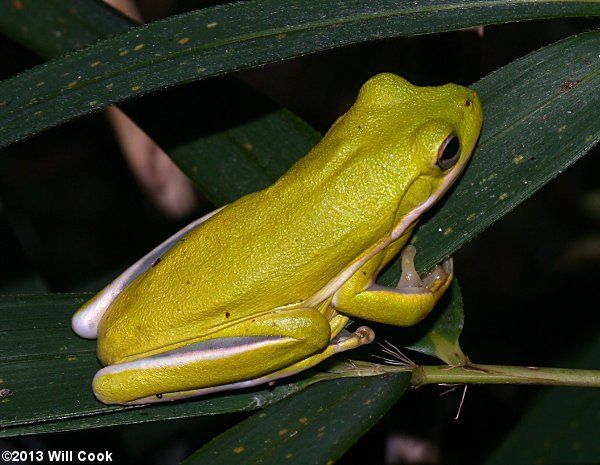
Karten in diesem Stapel (63)
- 1How many anuran species are known?Almost 6,000
- 2What is the global distribution of frogs?Cosmopolitan
- 3How many frog families are in the order anura?26
- 4What are some anuran synapomorphies?9 or less presacral vertebrae
Single sacral vertebra with flared diapophyses
Caudal vertebrae fused into urostyle
Elongated tarsals and phlanges
Elongate and partially fused astragalus and calcaneum
Compound radioulna and tibiofibula
Buccal and dermal mucus glands
Tongue attached at front of buccal cavity - 5What derived features unite all frogs EXCEPT Ascaphidae and Leiopelmatidae?8 or less vertebrae
Single sphenethmoid
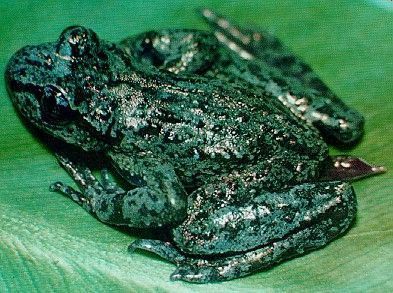
Absence of tail wagging muscles - 6Family: Two species Endemic to Pacific NW US Intromittent organ for internal fertilization Highly aquatic; cold fast streams Inguinal amplexus Lacks tympanum (does not call) Tadpoles have sucking oral discAscaphidae
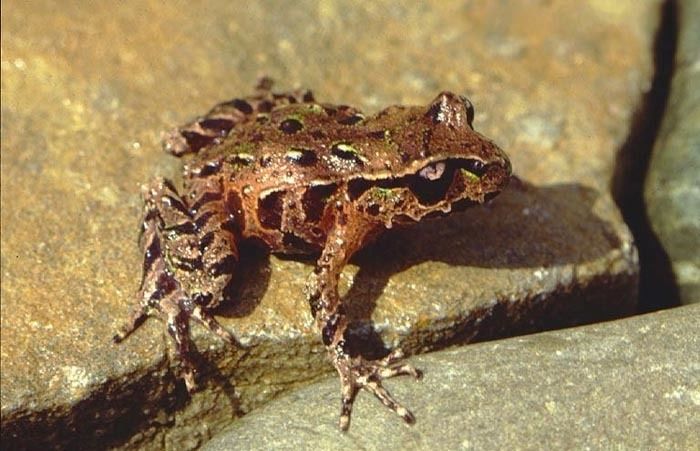
- 7Family: Four species, all endemic to NZ Lack tympanum & vocal sacs Direct development; terrestrial egg brooded by male Inscriptional ribs embedded in ventral musculature Low chr #Leiopelmatidae
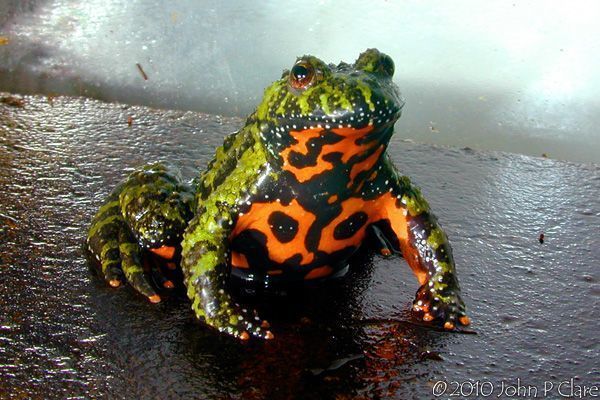
- 8Family: Europe, S. China, Borneo & Philippines Aposematic coloring on belly, visible only during unken reflex Toxic skin secretions V-shaped parahyoid boneBombinatoridae
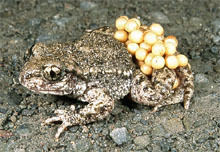
- 9Family: W/C Europe, NW Africa, ME Vary in habitat use Often have nuptial pads on front feet and hind limbs Adults have free ribs Tongue disc-shaped and non-protrusibleAlytidae (Discoglossidae)
- 10Which subfamilies does the superfamily Mesobatrachia contain?Megophryidae
Pelobatidae
Pelodytidae
Pipidae
Rhinophrynidae - 11What are the synapomorphies of mesobatrachia?Frontoparietal fontanelle is closed
Taenia tecti medialis absent
Taenia tecti transversum absent
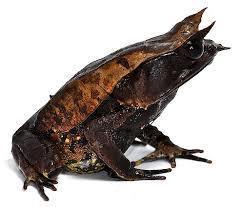
Hyoglossal sinus partially closed - 12Family: Subtrop and tropical Asia Mimic dead leave on forest floor or stream edges Cryptic coloration and disruptive outlines Glandular skin Granular glands in axillary, pectoral, and femoral regions Synapomorphies: Ceratohyals absent or reduced Intervert cartilage with ossified center Paddle shaped tongueMegophryidae
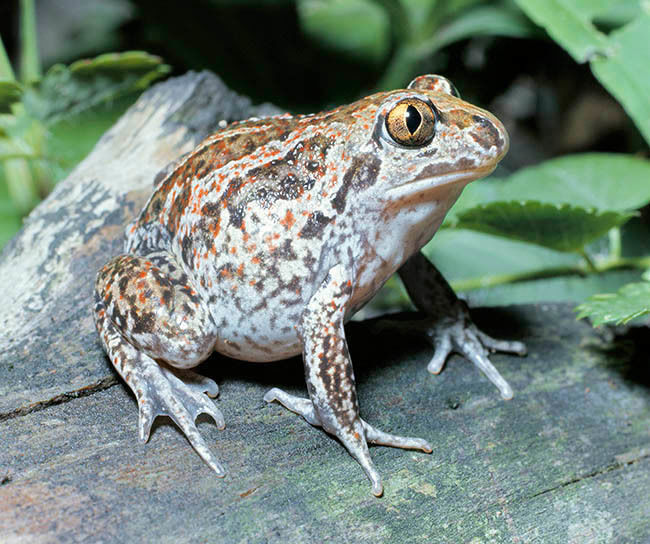
- 13Family: Monogeneric W Eurasia, NW Africa Stocky bodies and vertical pupils Deserts and arid habitats, fossorial Highly seasonal breading Sacroccygial joint fused Palatines absent Arciferal pectoral girdle Astralagus and calcaneum fused only at endsPelobatidae
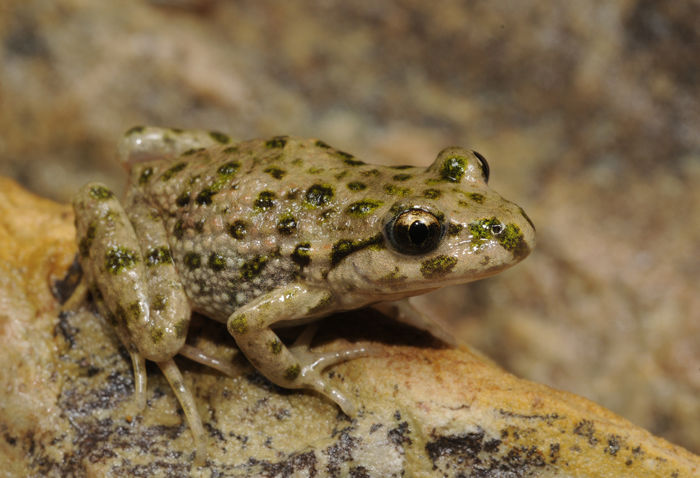
- 14Family: Monogeneric W Europe, W Asia Nocturnal, except in breeding season Terrestrial Bulging eyes Fused astralagus and calcaneum Parahyoid presentPelodytidae
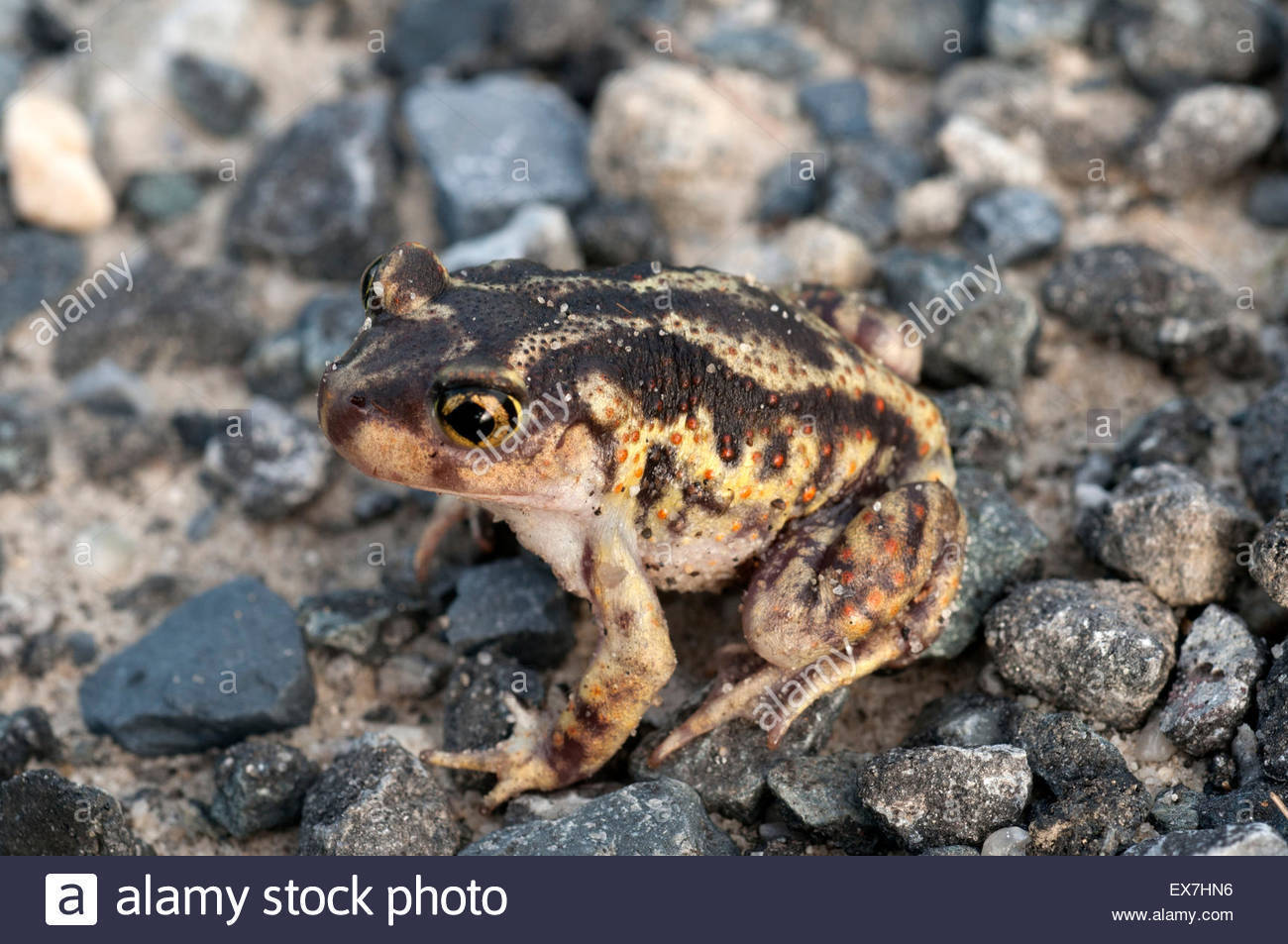
- 15(Sub)Family: NA Squat; head small short and rounded Round eyes and vertical pupils short limbs, warty skin Fossorial, use spade (keratinized metatarsal tubercle) to dig Explosive breedersScaphiopodidae (Pelobatidae)
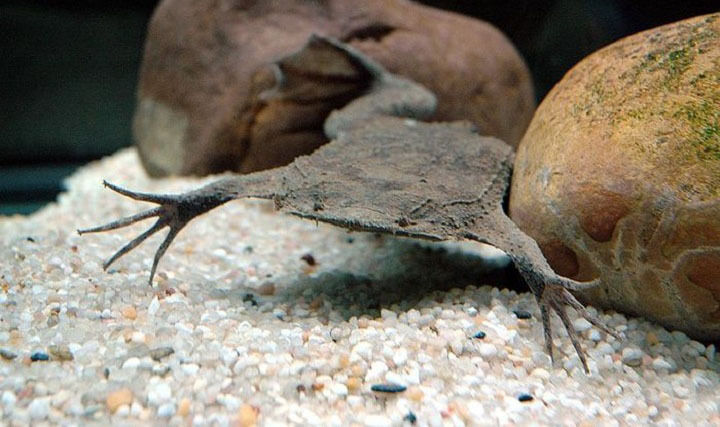
- 16Family: Disjunct dist.: Sub-S Africa, trop SA highly aquatic with fully webbed hindfeet Front toes long Extreme dorsoventral flattening, small or no eyelids Lateral line system in most sp Ear and laryngeal mods for underwater calling Lack tonguesPipidae
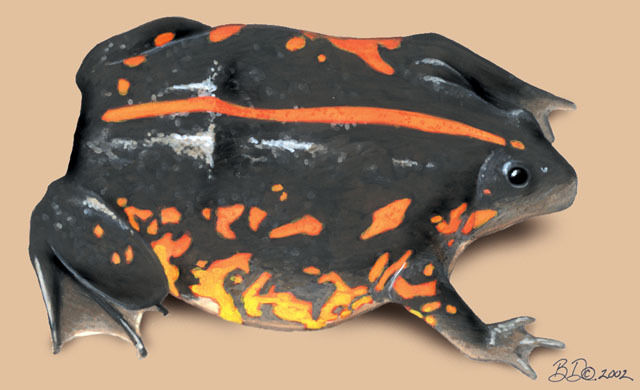
- 17Family: Monotypic family and genus S Texas to Costa Rica Tiny cone head with cornified skin at tip Short, robust limbs Hindfoot spade Feeds underground on termites and ants Tongue protrudes straight from goove in front of mouth Synapomorphy: absence of sternumRhinophrynidae
- 18What is Neobatrachia?"Advanced" frogs
Contains 95% of frog species
Composed of Bufonids and Ranoidea - 19Define bufonidsParaphyletic
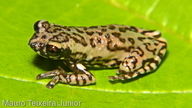
Members of neobatrachia that are not ranids (which are monophyletic) - 20Family: Monotypic family, 3 sp in one genus N SA Rainforest Large breeding aggregations, eggs deposited in water Skull has ossified cranial roof, with many bones reducedAllophrynidae
- 21Family: SE Brazil, leaf litter tropical Very small Reduced digit # (front 2-3, hind 3) Tips of phlanges are blunt to pointed Lack sternum Terrestrial eggs, assumed direct developmentBrachycephalidae
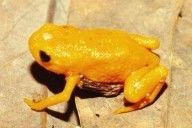
- 22Family: Cosmopolitan dist. Presence of parotid glands and 2 digging tubercles on foot distinguish from pelobatids Often have cranial crests, rear toads often webbed Synapomorphies: Bidders organ (paedomorphic) Absence of teethBufonidae
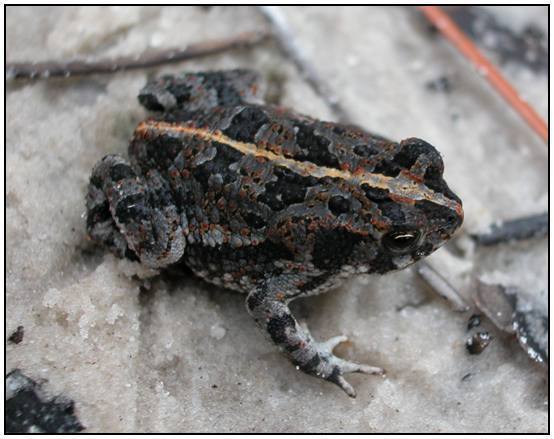
- 23Family: CA & SA Usually arboreal Transparent abdominal peritoneum and skin Expanded toe discs, T phlanges with medial process on 3rd metacarpal Astralagus and calcaneum fusedCentrolenidae
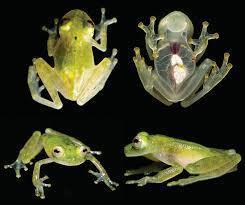
- 24Family: Cape area of S Africa Habitat specialists in swift streams Expanded digit tips Have toepads + webbed feet Tadpoles have oral discHeleophrynidae
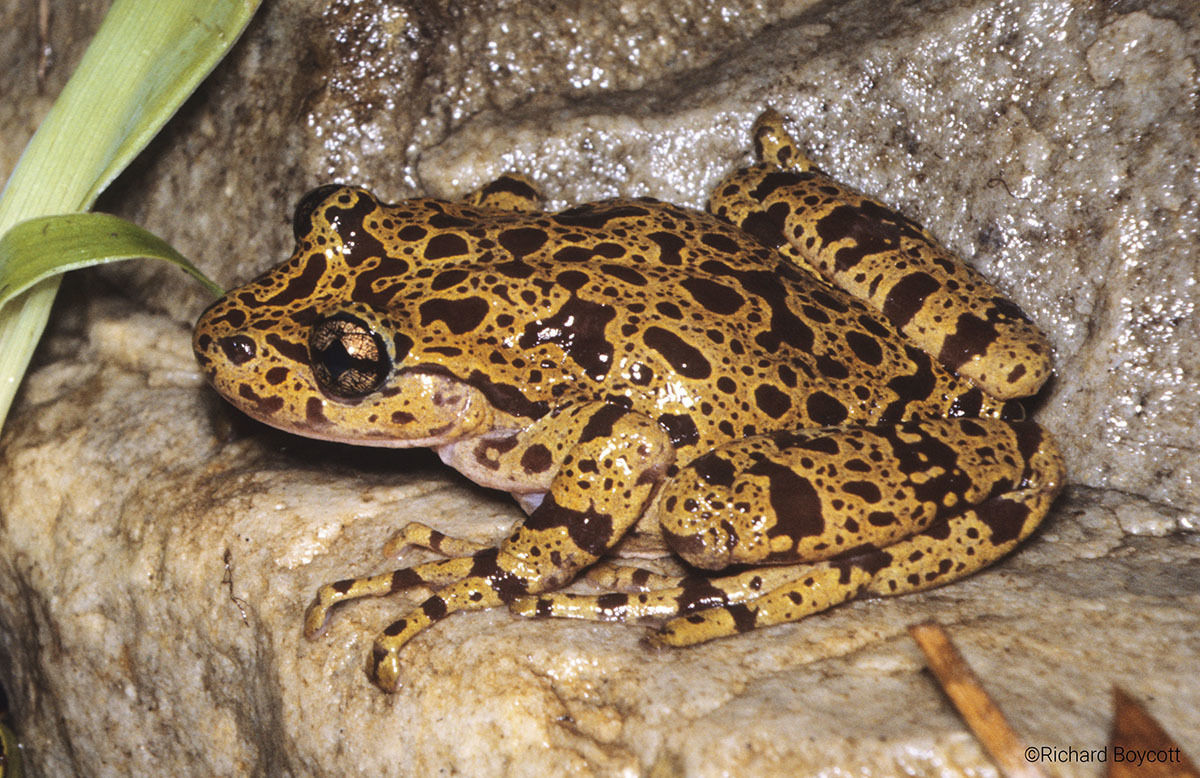
- 25Family: NA, SA, Asia, Eur, Australia distinct adhesive toe discs, contain cartilage to offset terminal phalanx Mostly arboreal Synapomorphy: Terminal phalanges claw-like instead of straightHylidae
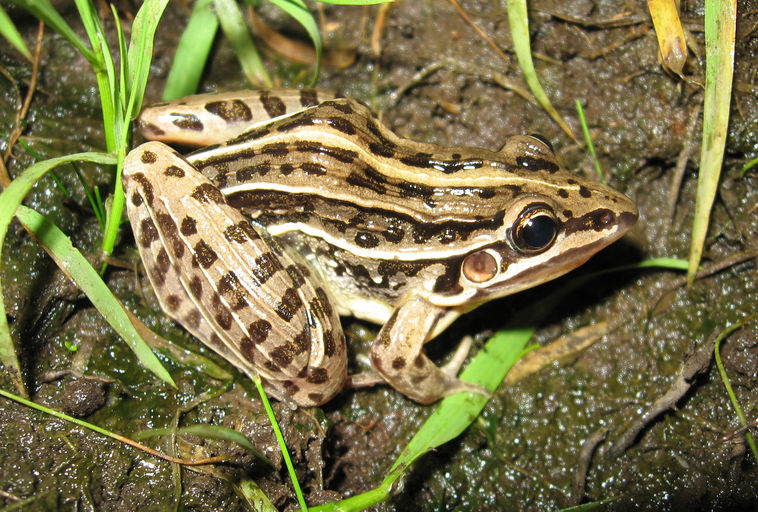
- 26Family: New World Lots of variation, but mostly terrestrial with aquatic laid eggs No known synapomorphies - paraphyletic Lacks derived characters of other bufonidsLepyodactylidae
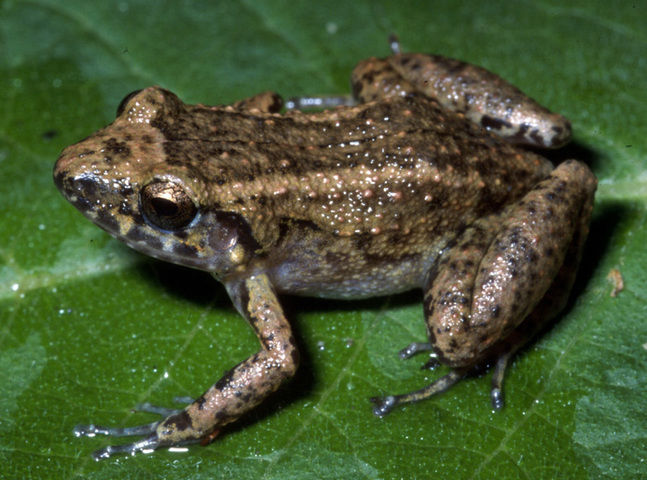
- 27Family: CA, SA, Southern NA Rainforests Terrestrial & arboreal Direct development paired frontoparietals and palatines T shaped term phalanges that usually have pads with circumferential groovesEleutherodactylidae
- 28Family: Australia & NG Primarily terrestrial, habitats varyLimnodynastidae
(Now under Myobatrachidae)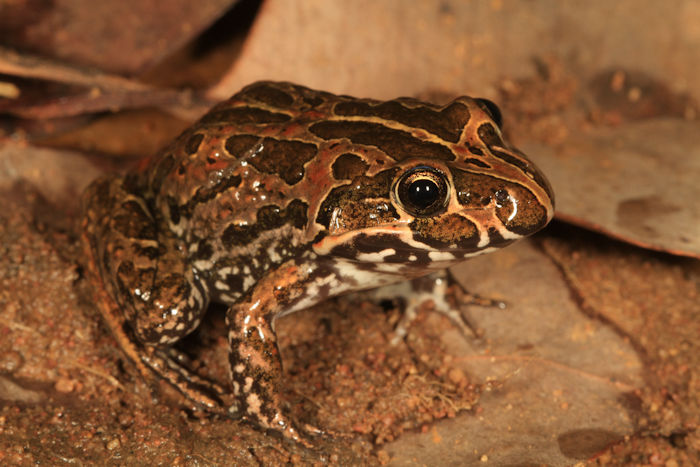
- 29Family: Australia & NG Terrestrial, habitats vary Variation in devo and exomorphs Absent or reduced toe discs First 2 presacral vertebrae not fused Periaxial sheathMyobatrachidae
- 30Family: Monogeneric S Argentina and Chile Wet temperate forest Eggs laid on land, then carried by males in vocal sacs either to water or until development done Small with fleshy proboscis on snoutRhinodermatidae
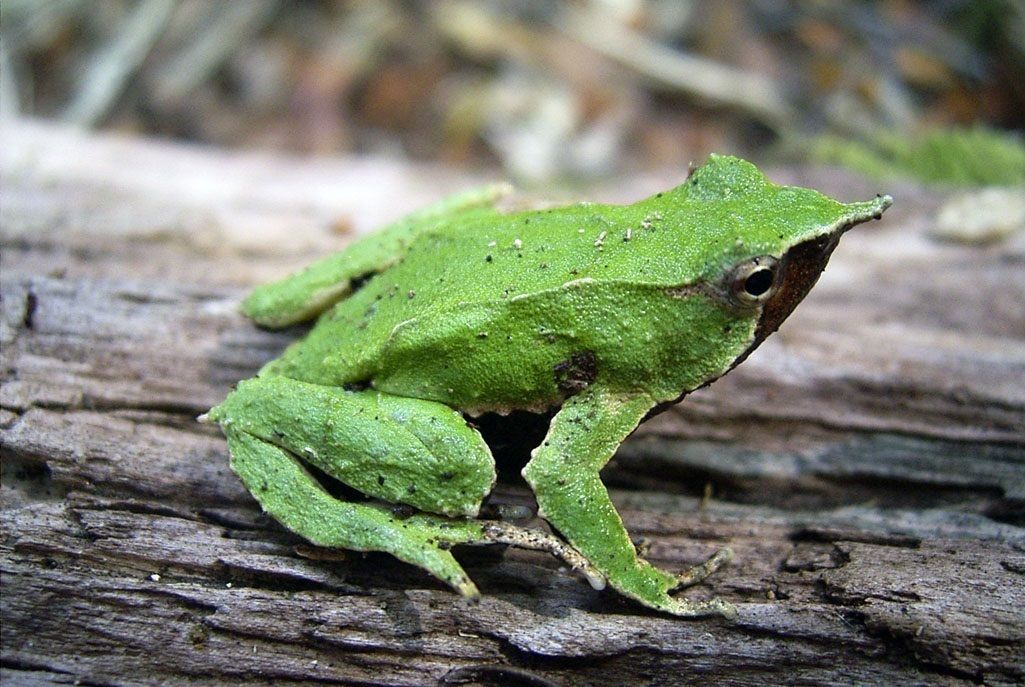
- 31Family: Ca, SA Diurnal, terrestrial Parental care Many have aposematic coloring Dupradigital scutes on dorsal fingers Cephalic amplexusDendrobatidae
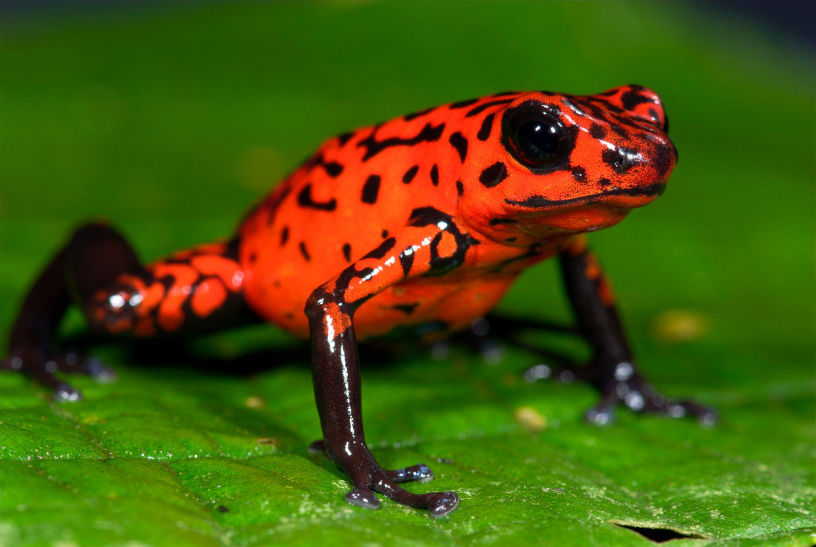
- 32Family: Large, aquatic Robust, toad-like Dist: ChileCalyptocephalellidae
Helmeted Water Toads
- 33Family: Slow-moving streams, forest leaf litter Dist: NW Brazil, Bolivia, Paraguay, Chile, ArgentinaAlsodidae
Spiny-chest Frogs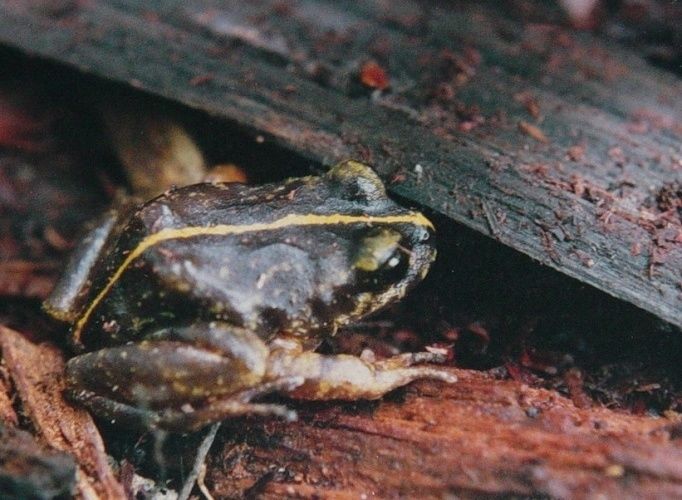
- 34Family: Cartilaginous sternum Diurnal predators Spend much of time in water All have tadpole stage Dist: NW to S BrazilHylodidae
Stream-Dwelling Frogs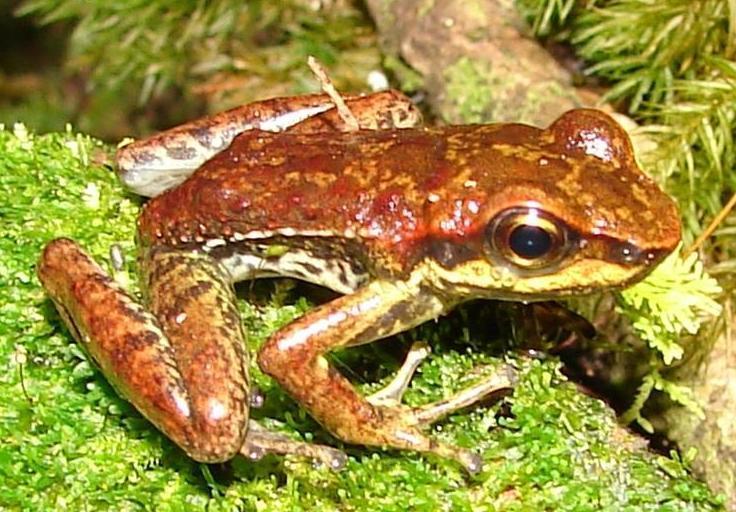
- 35Family: High elevations Dist: S SABatrachylidae
Patagonia Frogs
- 36Family: Terrestrial or semi-terrestrial forests, streams, and rocky outcrops Left and right branchial chambers fuse behind heart Dist: temperate SACycloramphidae
Bug-eyed Frogs
- 37Family: Flattened head, non-coossified skin on skull Recurved fang teeth on maxilla, premaxilla, and vomer Dist: SA (Andean)Telmatobiidae
Water Frogs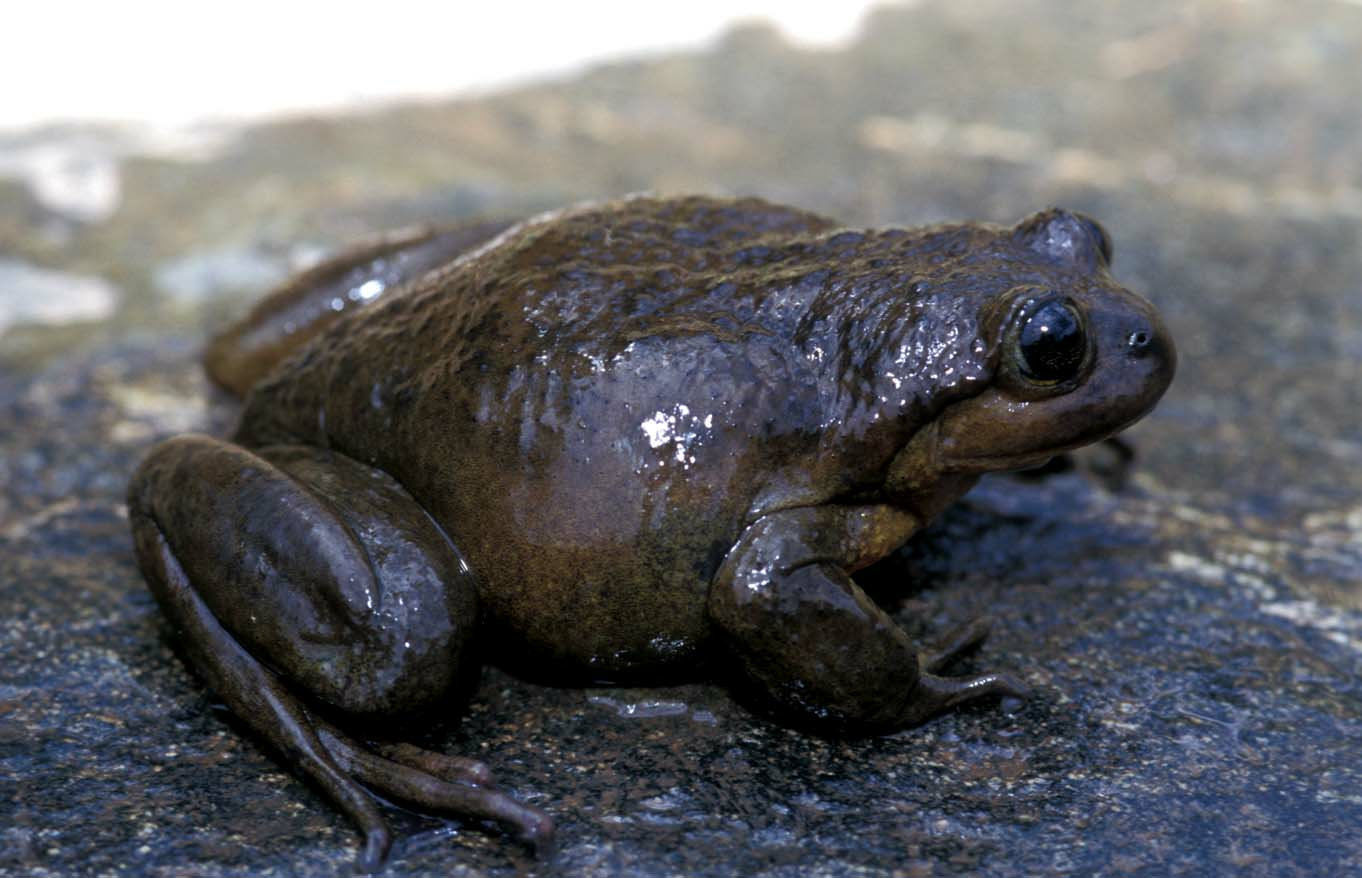
- 38Family: Terrestrial, tropical rainforests Direct development, bear eggs on back until hatch (dorsal pouch) Embryos have two pairs of bell-shaped gills Dist: SA, CAHemiphractidae
Horned/Marsupial Frogs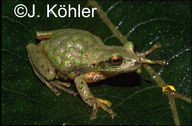
- 39Family: Robust bodies Round, wide, large heads Terrestrial, grasslands to forests Dist: S & E SAOdontophrynidae
Smooth Horned Frogs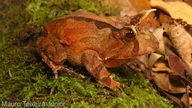
- 40Family: Montane forests and streams at high elevations Direct devo from terrestrial eggs Unpigmented eggs Dist: Guiana Shield in Guyana, Venezuela, BrazilCeuthomantidae
Emerald-Barred Frogs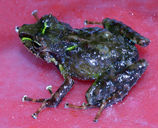
- 41Family: Leaf litter in tropical rainforests Direct development Dist: N/C A, disjunct in S BrazilCraugastoridae
Northern Rain Frogs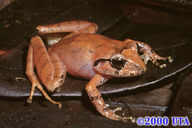
- 42Family: Terrestrial breeding, direct devo Males have singular subgular vocal sacs Dist: C & S AStrabomantidae
Rain Frogs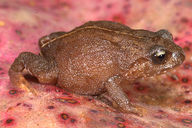
- 43Family: Restricted to Seychelles Islands Moist forests Tympanum absent Terrestrial eggs, males carry eggs on backSooglossidae
Seychelles Frogs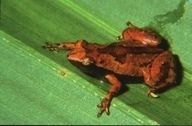
- 44Family: Recently discovered, restricted to India Lack toe disks Specialized burrowersNasikabatrachidae
Pig-nosed Frogs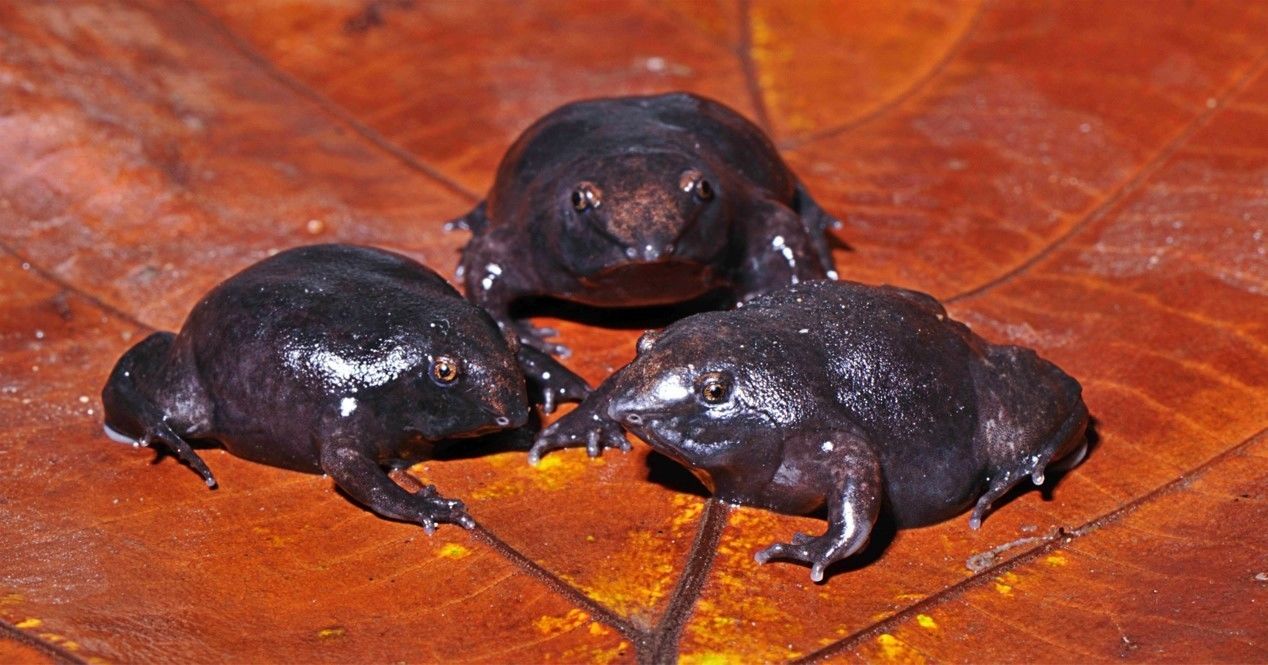
- 45Family: Many ecomorphs Transverse skin fold across back of head Small head Short snout, and small mouth Premaxillary and maxillary teeth absent Almost cosmopolitan distribution Wide variety of habitatsMicrohylidae
Narrow-mouthed Frogs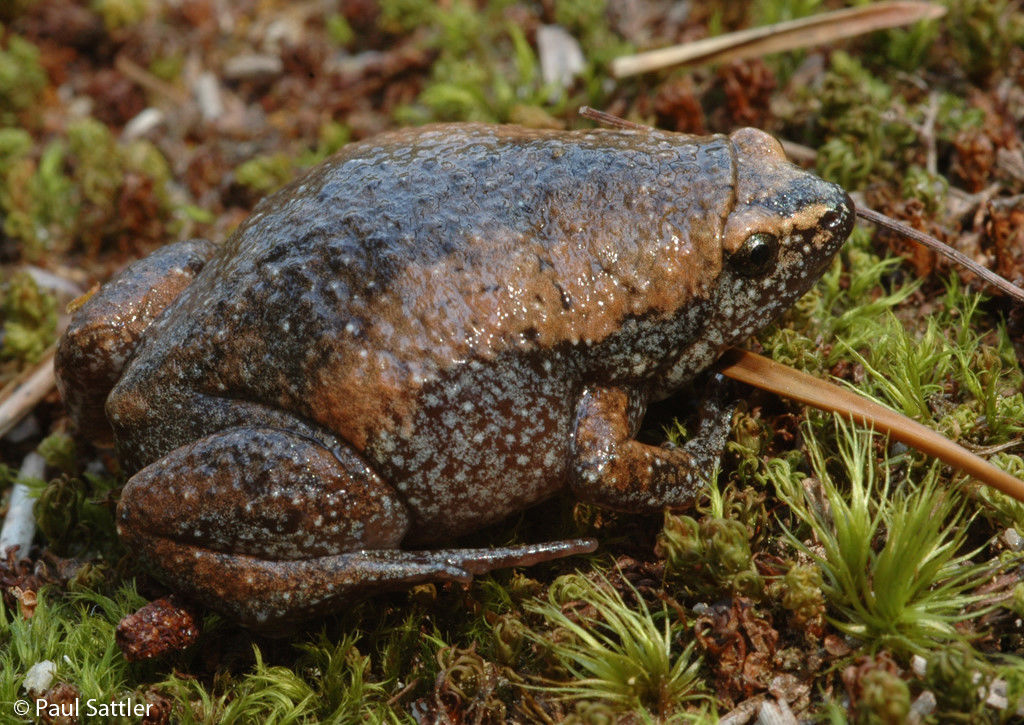
- 46Family: African, moist forests Direct development Pointed snouts Long limbs Third finger generally elongated Unwebbed feetArthroleptidae
Squeaker/Hairy frogs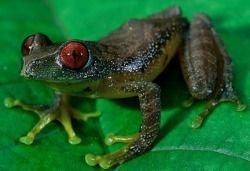
- 47Family: Sub-S Africa, Mad, Seychelles Most arboreal Sexually dimorphic bright coloring Expanded Toepads No nuptial pads Tympanum present but concealedHyperoliidae
African Reed Frogs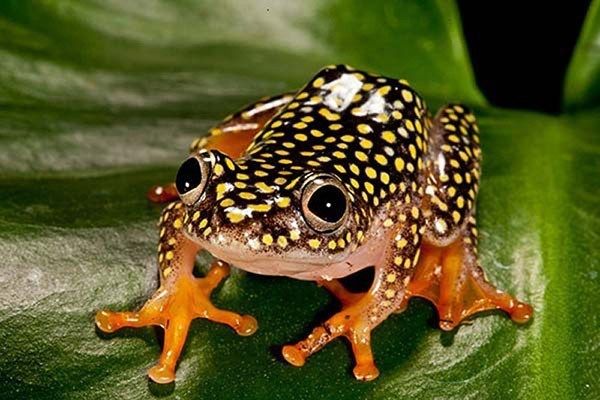
- 48Family: Sub-S Africa Backwards burrowers Dimorphic body size Many unable to amplex so use adhesive skin secretion Direct development Inflate Best frogsBrevicipitidae
Rain Frogs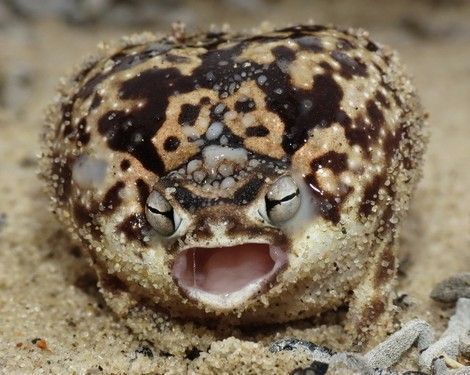
- 49Family: Sub-S Africa Fossorial Hardened and pointed snout Sternum absent Skull modified for digging, head small and pointed Parental care Skin fold on headHemisotidae
Shovel-nosed Frogs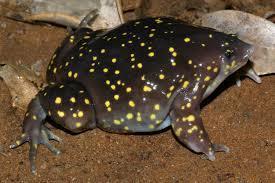
- 50Family: W Africa Fast moving streams and rivers Tusk-like odontoids on lower mandible with curved maxillary teeth Tympanum distinct Extensive webbing Granular skinOdontobatrachidae
Torrent Frogs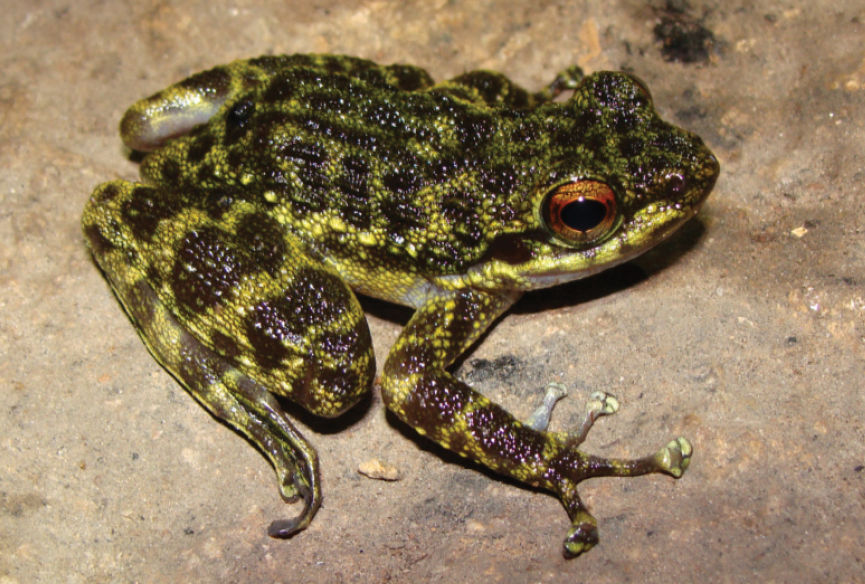
- 51Family: One genus, many species Sub-S Africa T-shaped terminal phlangesPhrynobatrachidae
Puddle Frogs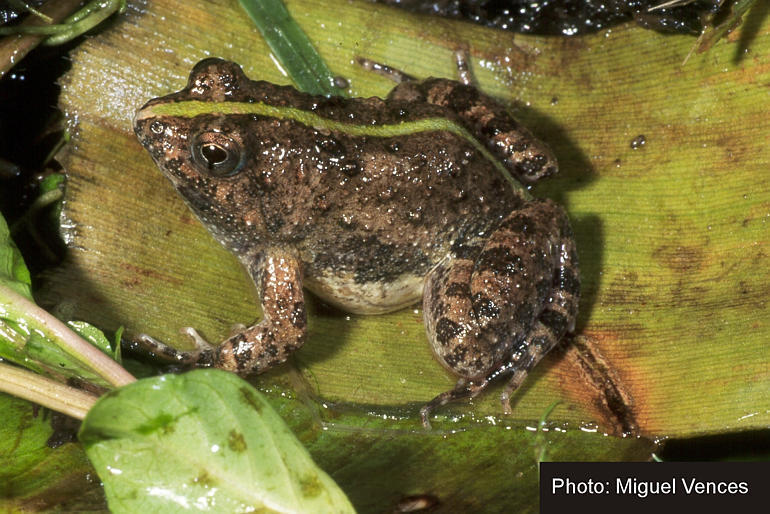
- 52Family: Sub-S Africa Longitudinal ridges/stripes Savannah and grasslandsPtychadenidae
Grassland Frogs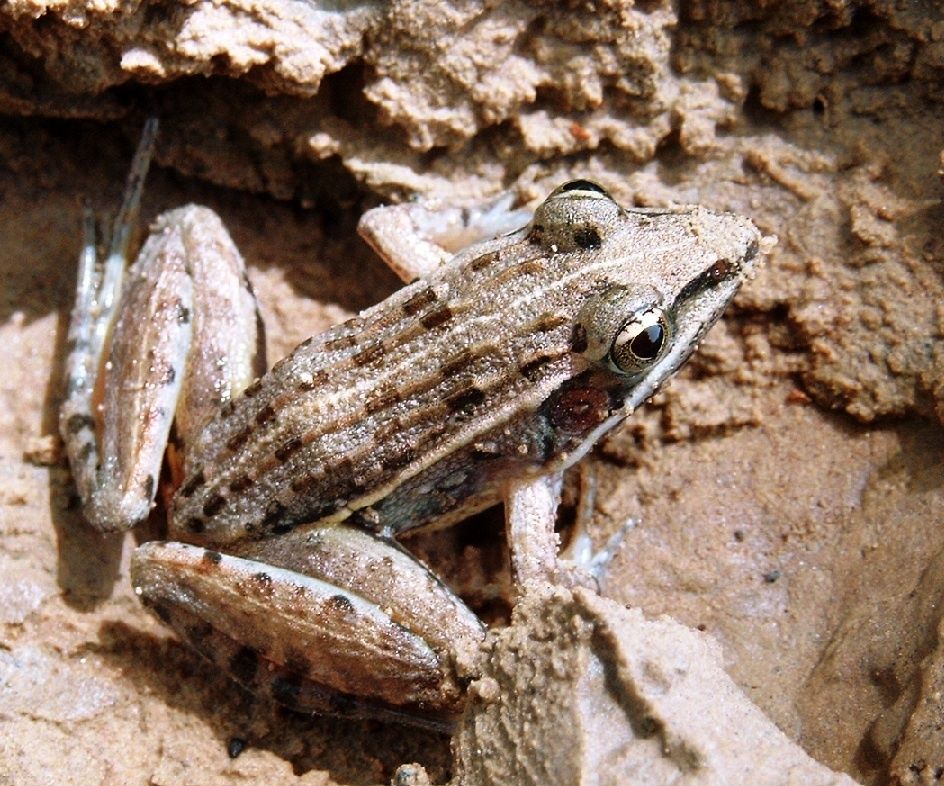
- 53Family: Disjunctly W & E Africa Riverine systems Lack vocal cordsConrauidae
Goliath Frogs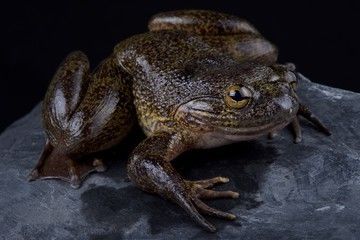
- 54Family: C & E Africa Spray zone of streams and waterfalls Sexually dimorphic Distinct tympanumPetropedetidae
Rocky River Frogs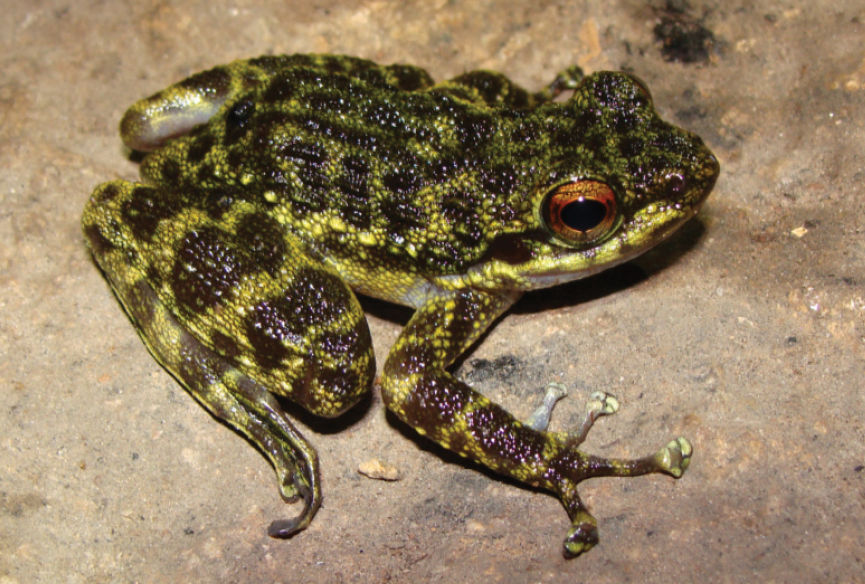
- 55Family: Sub-S Africa Explosive breeders Urostyle has bicondylar articulation with sternumPyxicephalidae
African Bullfrogs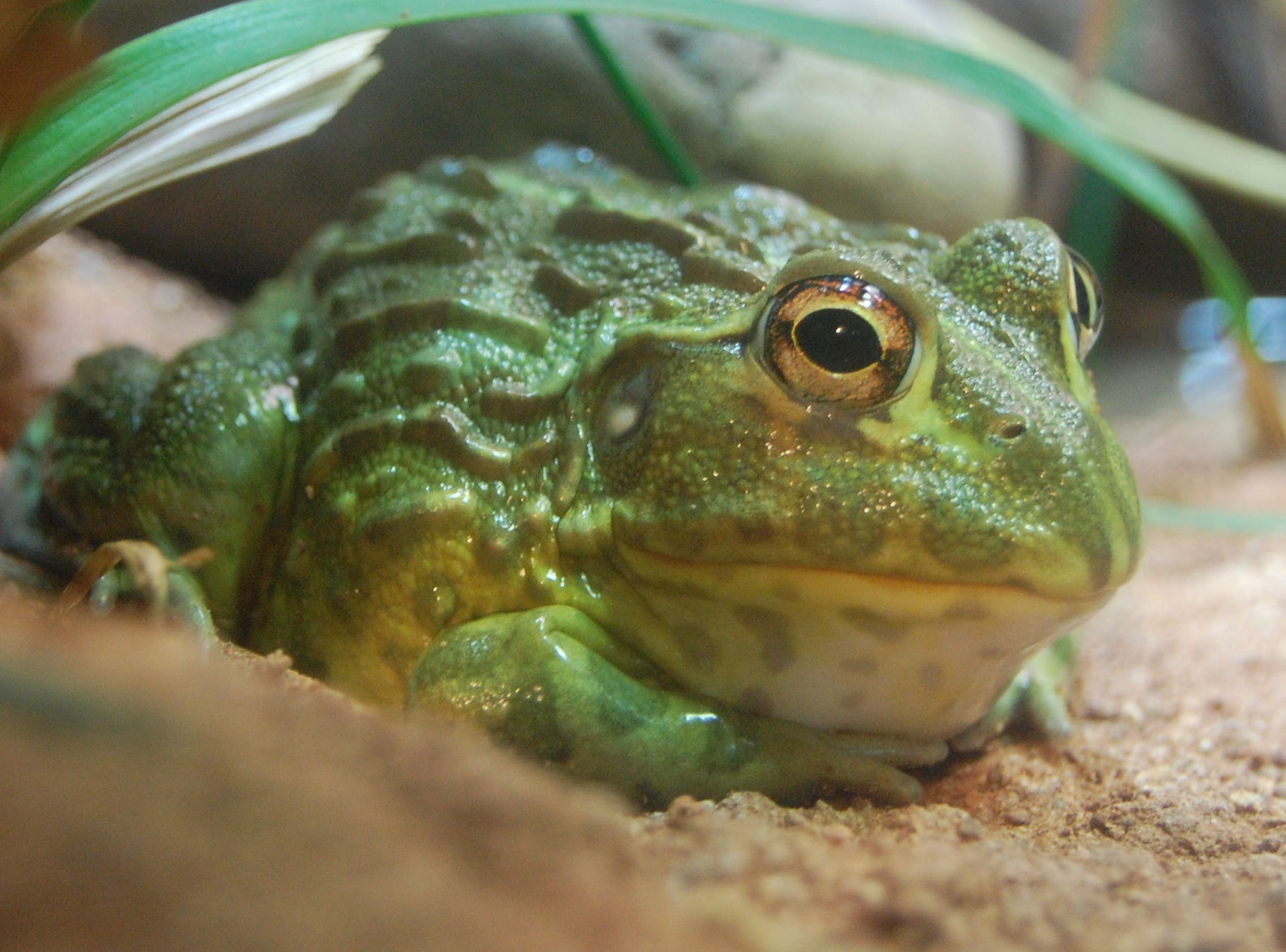
- 56Family: W Ghats of India Riparian habitats Territorial Calling and foot flaggingMicrixalidae
Tropical Frogs
- 57Family: W Ghats and Sri Lanka Concealed tympanum Dorsal straddle amplexus Wet marshy habitatNyctibatrachidae
Fanged Frogs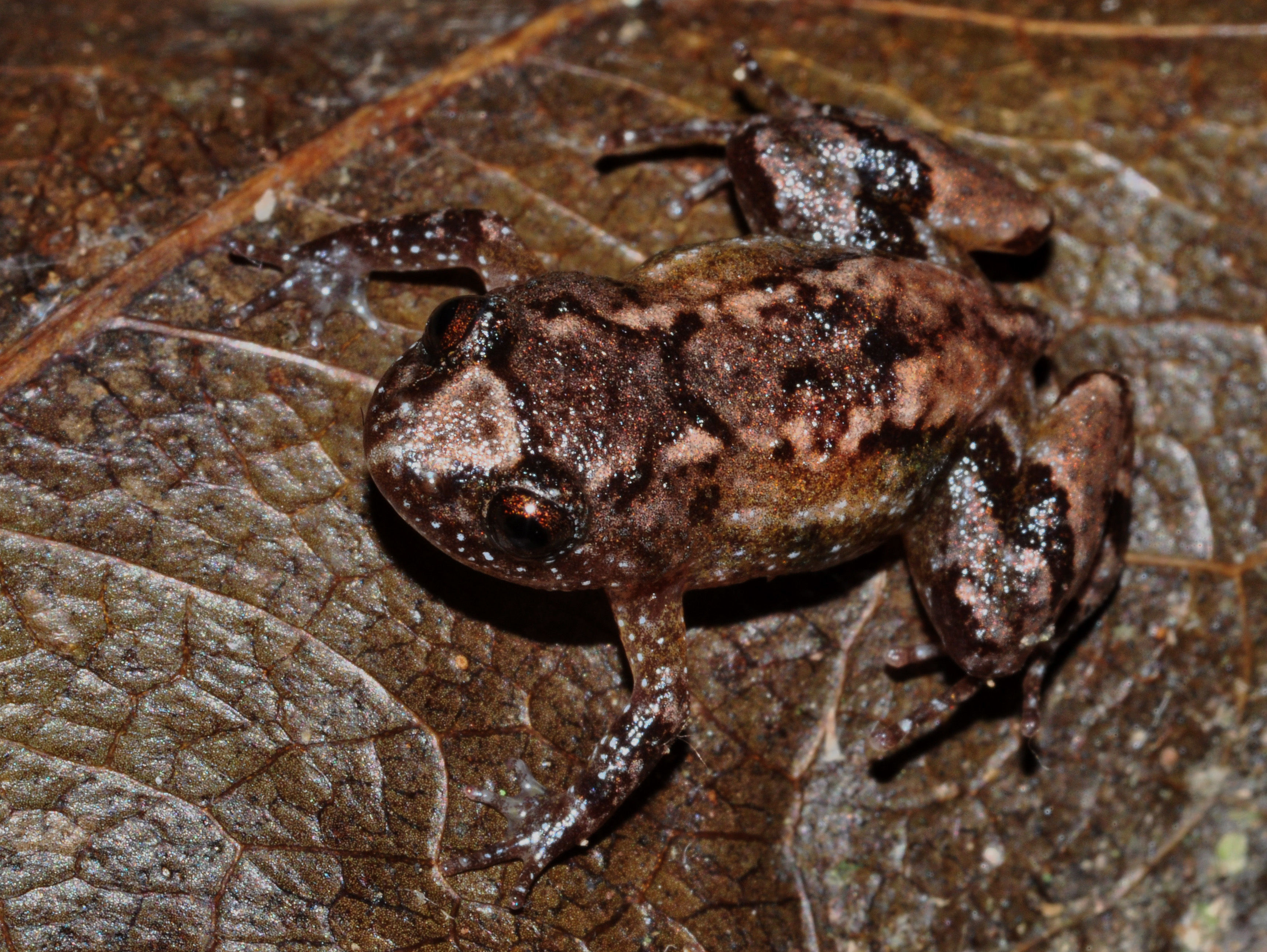
- 58Family: C/S India Leaf litter or streams Y shaped terminal phalangesRanixalidae
Indian Leaping Frogs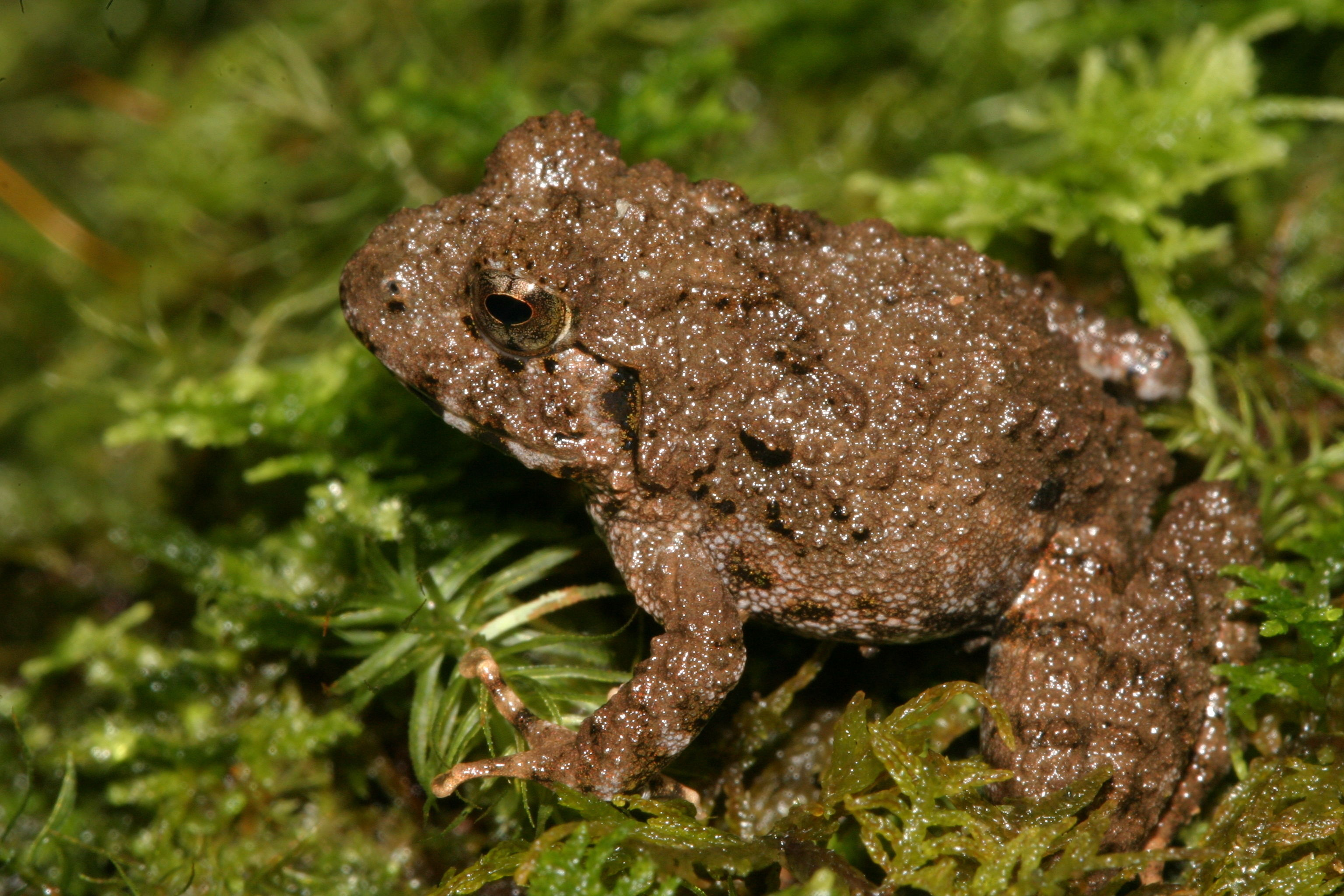
- 59Family: SE Asia Terrestrial, some arboreal Direct developmentCeratobatrachidae
Ground/Triangle Frogs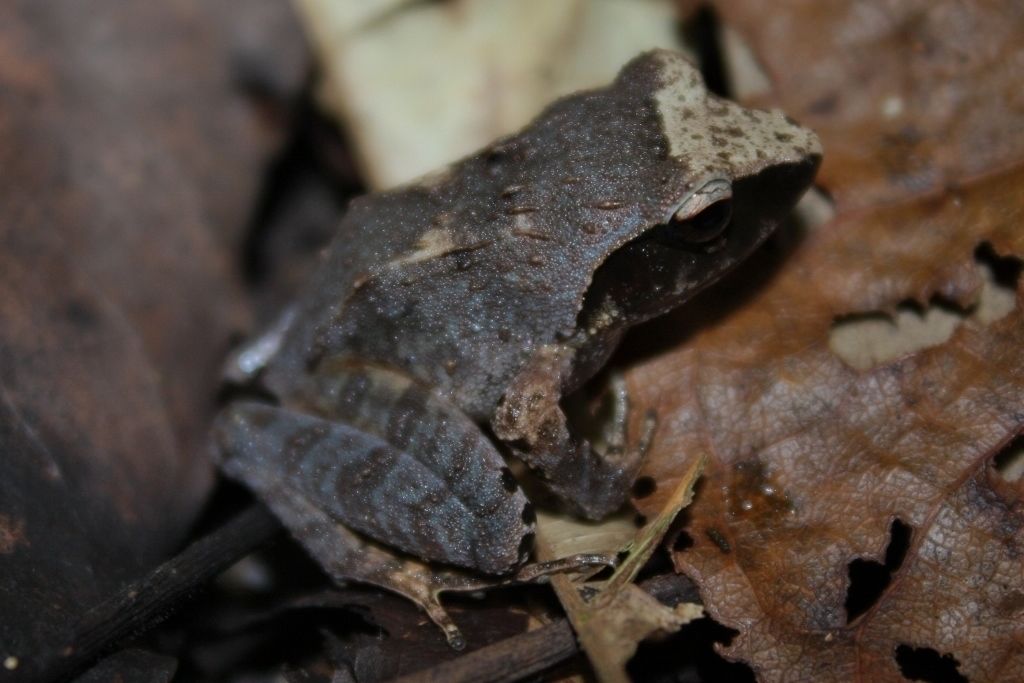
- 60Family: SubS Africa, S & E Asia Terrestrial to aquatic Diverse repro, including inguinal amplexus Tadpoles have many adaptations: algae scraping, carnivorous fangsDiscroglossidae
Fanged Frogs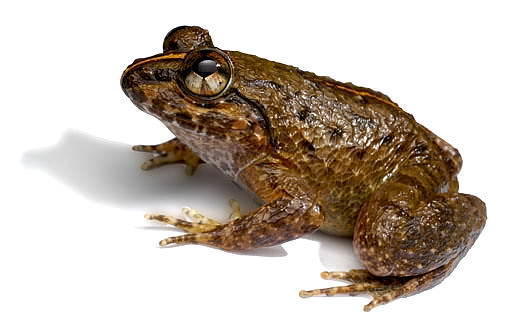
- 61Family: SubS Africa, S & SE Asia Primarily arboreal Expanded toe disks Highly webbed Some have oophagus tadpoles Front foot has two opposable toesRhacophoridae
Asian Tree Frogs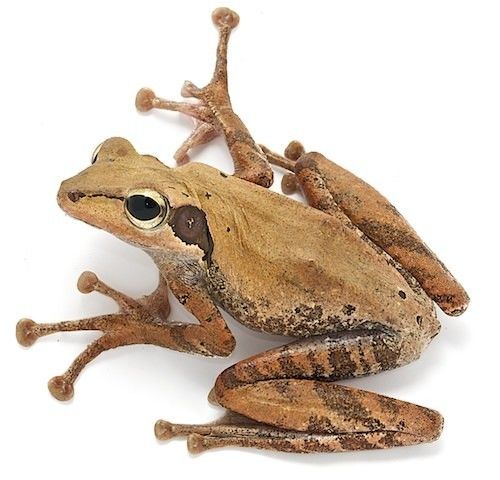
- 62Family: Worldwide (almost) No diagnostic synapomorphies Long legs and webbed feet Streamlined & large bodied Waist often thin Well developed musculatureRanidae
True Frogs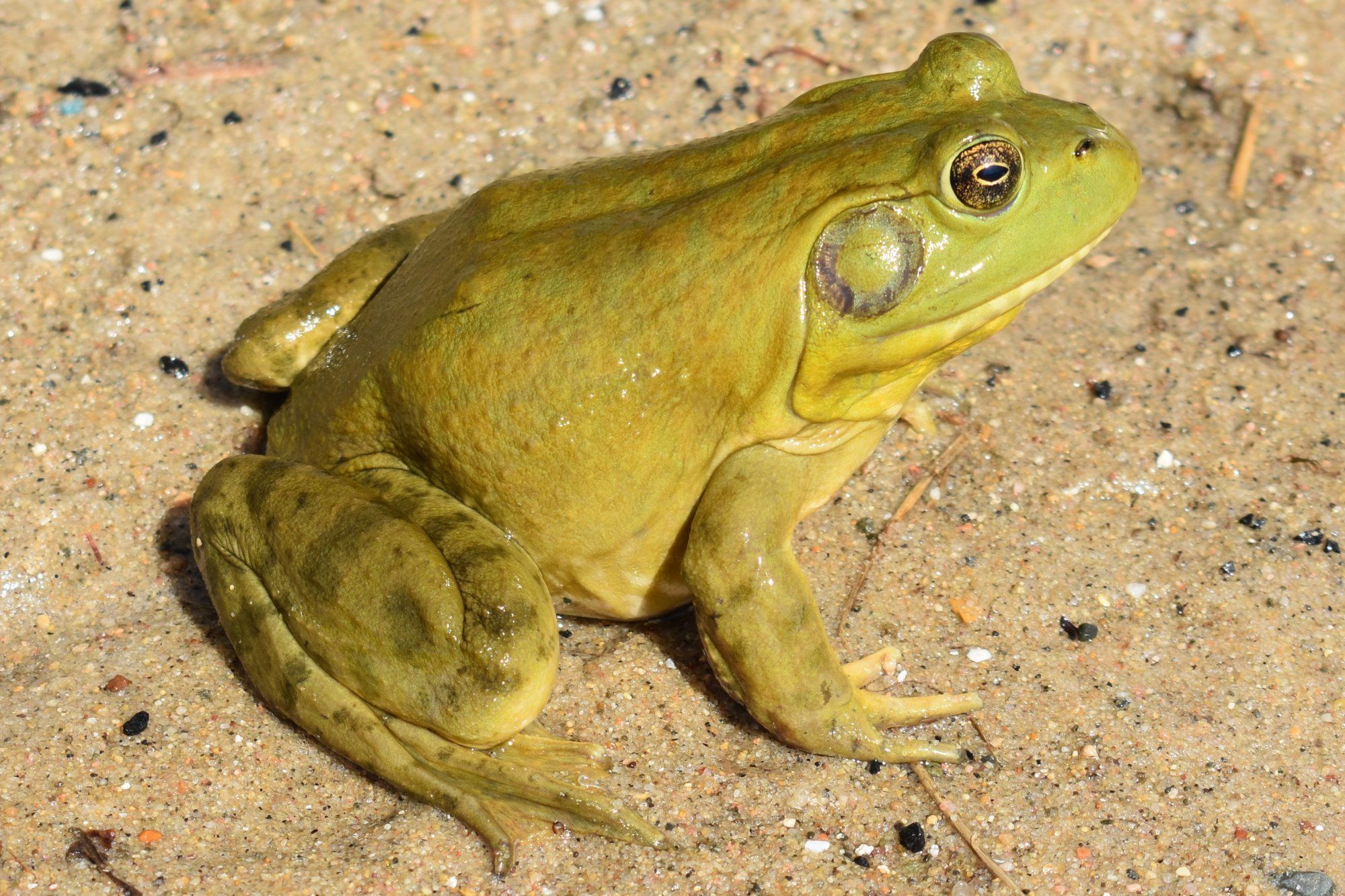
- 63Family: Madagascar Terrestrial or arboreal Axillary amplexus Terrestrial eggs and larvae drop or are swept into waterMantellidae
Malagasy Poison Frogs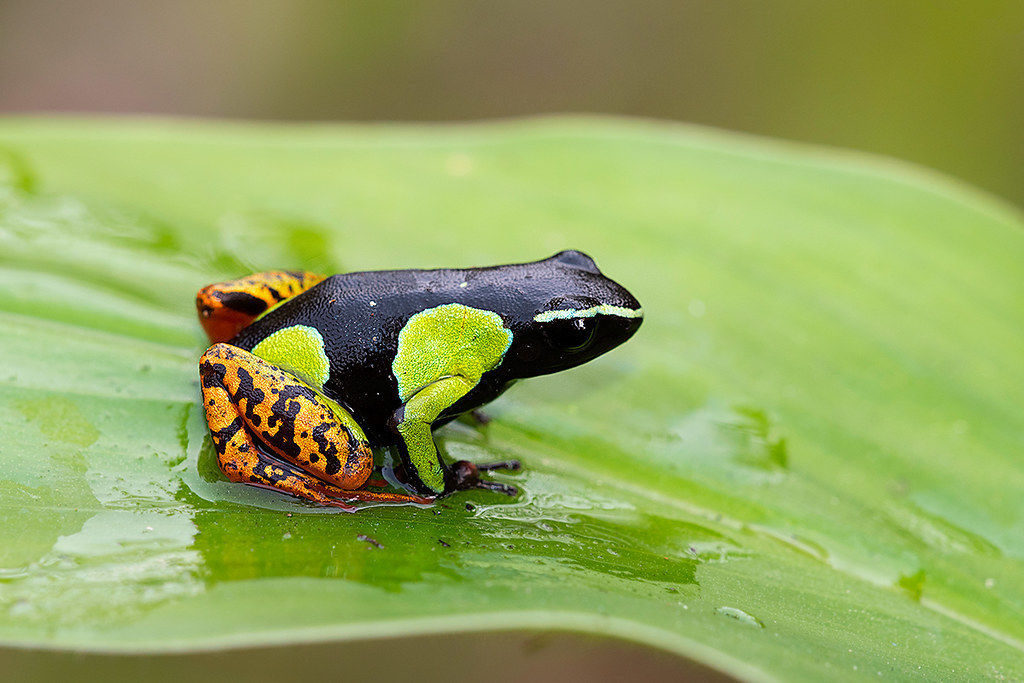
Informationen
- Beschreibung
- Der Nutzer hat seine Fachbereichs-Information gelöscht. Karteikarten am Global Anuran Families , erstellt von Gelöschter Nutzer am 04/02/2020.
- Erstellt von
- Gelöschter Nutzer · Feb 2020
- Aktualisiert
- 4 Feb 2020
- Aufrufe
- 14
- Verlauf
-
- Erstellt von Emilie Broussard · 27 Jan 2020
- Kopiert von Emilie Broussard · 4 Feb 2020
- Bewertung