
Karteikarten
Stage Lighting
Karten in diesem Stapel (55)
- 1What is the purpose of stage lighting?Illumination
Set Mood
Contribute to time/place
focus the eyes of the audience
add dimension to set pieces - 2What are the usable properties of light?INTENSITY - how bright the light is determined by the movement of the fader which alters the amount of voltage going through to the light.
COLOUR - measured by Kelvin
SHAPE - controlled by focus knobs, shutters, barn doors, gobos, donuts, top hats - 3What are the stages in a lighting design?The lighting designer has a number of phases from pre to post production involving a number of creative, design, technical and budgetary decisions
- 4STAGE 1 PLANNING The Meetings1. meeting with director, producer, technical manager and other designers
2. Venue visit
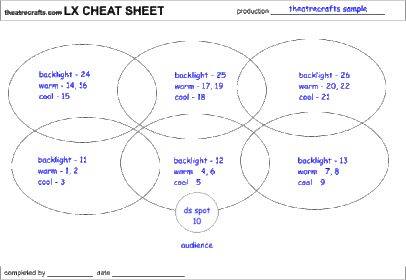
3. contacting hire companies - 5STAGE 1 PLANNING The Paperwork Lighting Cheat SheetLighting Cheat Sheet - the designer draws a rough plan of how the stage will be divided and which washes are needed
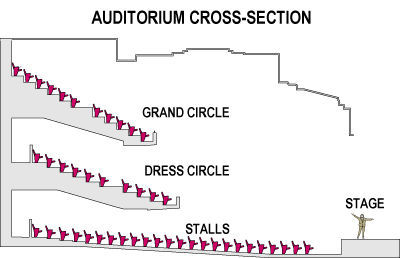
- 6SECTION DRAWING cross section of the theatre and stageAllows to check vertical site lines and relative heights of objects
- 7Lighting PlanAn overhead diagram showing:
- the placement of lights, type of lights, patching, colours, accessories, number of lights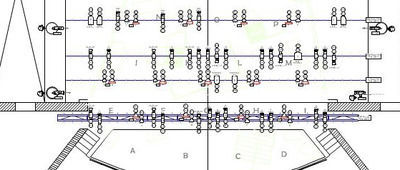
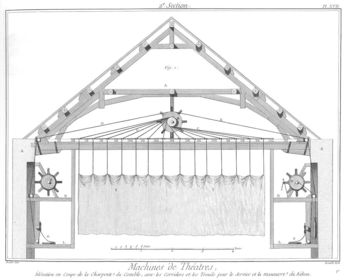
- 8ELEVATIONA drawing looking from the audience - useful to allow the director and designers to see how the stage looks, relative heights, and site lines
- 9Lantern (or instrument) ScheduleA list of each light in order of light number. This list shows:
Light number
Lantern type
focusing direction
purpose
colour
accessories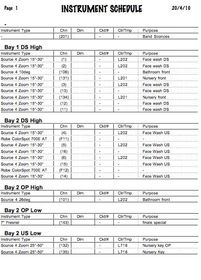
- 10Patch Scheduleshows the same information as the lantern schedule but in channel order. This makes the job of the patching team easier
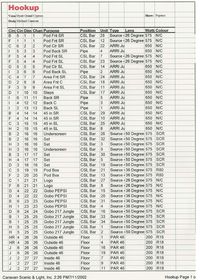
- 11Colour Call Sheetthe same information again but this time in colour gel order. This allows accurate calculation of the number of sheets of gel required.
- 12STAGE 2 BUMP INRIGGING
PATCHING
FRAMING
GELLING
FOCUSING
PROGRAMMING - 13RIGGINGthe process of hanging the lights
WHS considerations: 3 points of contact on ladder, use of harness, hard hat, rubber soled shoes, licences for scissor lifts, gloves for working with heat, not having any equipment or tools hanging - 14PATCHINGTo make electrical connections on a patch panel, i.e., hard patching, or, to assign dimmers to channels on a control console, i.e., soft patching
- 15TYPES OF PATCHING SOFT PATCHING (not permanent - can be changed during the show)SOFT PATCHING
dimmers can be assigned to any one of any number of channels during the show. This type of patch system is usually found on memory boards and computers. - 16TYPES OF PATCHING HARD PATCHING (permanent - can not be changed during the show)Patching into a dimmer rack located in the side stage area.
This cannot be changed during the show. - 17AUTOMATED LIGHTING (or patching• automated lighting, i.e. direct power and data lines required (no dimmer)
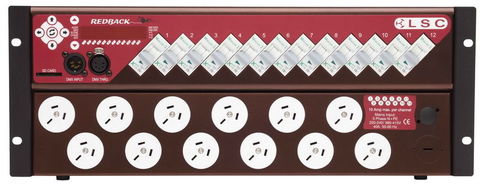
• - 18DISTRIBUTED PATCHINGdimmers located where required
- 19DISTRIBUTED PATCHINGpatch lines go from a single dimmer to lights
- 20FRAMINGControlling the shape of the lighting beam through:
shutters
focus knobs
barn doors
gobos
donuts top hats - 21PLOTTING AND PROGRAMMINGPLOTTING is the period of time when the director asks the lighting operator to bring up the lights in a particular cue to check that the desired effect is achieved.
PROGRAMMING is recording these states into the desk. - 22TYPES OF LIGHTING DESKThe type of desk selected will depend on: the scale and budget of the show
the technology available
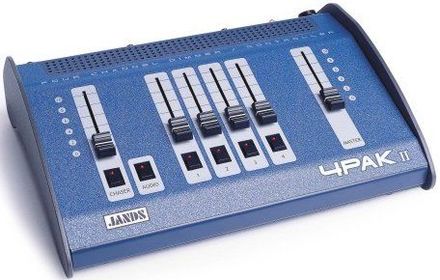
the ability of the operator to use the technology - 234-PACKSimplest form of lighting desk for conventional lights. The unit has 4 inbuilt dimmers and 4 channels.
Great for small theatres, school classrooms, domestic use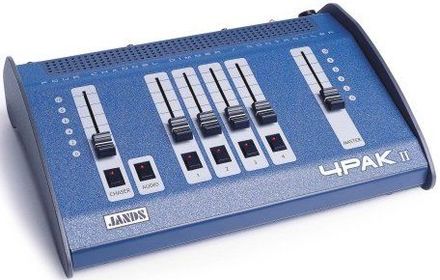
- 24LITE-PUTERSmallest operational system for LED lights. The lights are daisy chained and connected to the device through a DMX cable. This desk can control many lights but they must all be on the same colour at the same time as each LED light uses 5 channels and the liteputer only has 6 channels
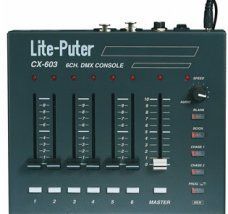
- 25PRESET BOARDS - conventional lights - operator has to create the scenes during the show according to the cue sheet- has an A and B level each with their own master
- the level is made 'active' but moving the master up
- when the level is not active it can be used to set the next scene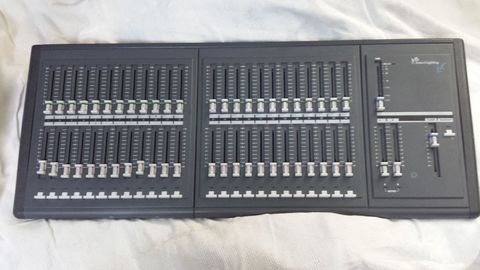
- 26MEMORY DESKS a record button at the bottom of each fader. During the show the operator brings up the sub masters1. during plotting the scene will be created
2. once the director is happy the operator will press the record button at the bottom of the channel
3. the fader for this channel then becomes a SUBMASTER which will bring up the entire lights in the cue.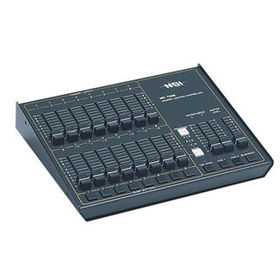
- 27COMPUTER PROGRAMMING e.g. Light Factory SoftwareCues are recorded directly into the computer and changes are made with the click of the mouse.
Both conventional and LED/Intelligent lights can be used.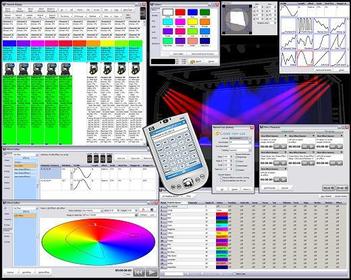
- 28BOARD OPERATION DEFINITIONSthe action by which the lighting operator changes the lighting will contribute to the overall creative effect
- 29CROSS FADEchanging the lighting stage by moving Master A and Master B in opposite directions in a slow controlled manner. One lighting state will appear and the other will disappear often without the audience noticing
- 30SNAP FADEjump from one lighting state to another
- 31BUILDincrease the intensity of a lighting cue
- 32KILLrapidly take out a lighting cue
- 33BLACK OUT -Complete absence of stage lighting. Blue working lights backstage should remain on and are not usually under the control of the board.
- 34DEAD BLACK OUT (DBO)when there is no onstage light. Exit signs and other emergency lighting must remain on at all times.
- 35ADDadding an additional light to a cue
- 36FADELowering the level of light in a scene
- 37FEATURES OF STAGE LIGHTSALL LIGHTS HAVE:
bulb (bubble)
lamp base (for the bulb to fit into)
lens
reflector
clamp for attaching to rigging
colour frame
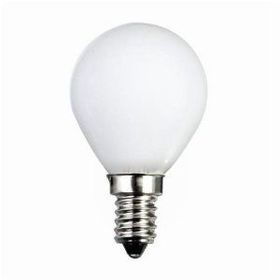
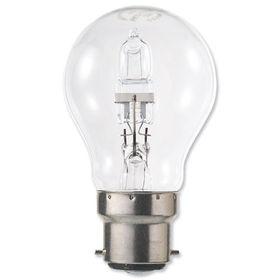
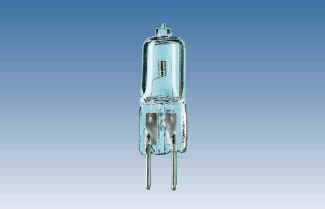
electricity - 38TYPES OF LAMP BASEThe lamp base is the structure that the lamp (bulb/bubble) attaches to inside the light. It is important to match the lamp to the lamp base of the particular light.
- 39Edison Fitting screw
- 40Bayonet Fitting Click in
- 41Bi pin Theatrical incadescent
- 42ADDITIVE COLOUR MIXING 2 lights pointed onto the same place will produce a different coloured light Each light increases the total amount of light and therefore we get to WHITE RGBRED + GREEN = AMBER
GREEN + BLUE = CYAN
BLUE + RED = MAGENTA
R+B+G = WHITE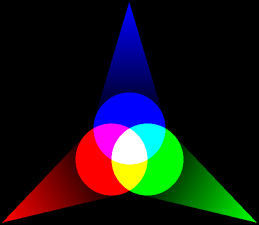
- 43SUBTRACTIVE COLOUR MIXING a. Printing b. a light pointed onto a piece of set, costumes, prop will change the colour CYMKCyan + Yellow = Green
Yellow + Magenta = Red
Magenta + Cyan = Blue
All colours = Black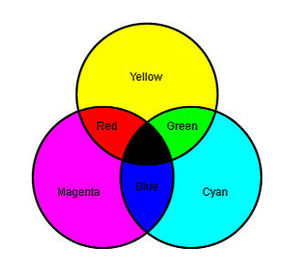
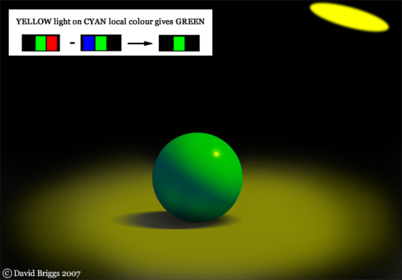
- 44LIGHTING DESIGNThe lighting designer needs to understand how to manipulate all of the tools available to them to produce a design
- 45LIGHTING DESIGN Which type of light do I use?CYC - Cyc Flood
General Wash - Par Can or Fresnel
Specials - Profile Light
LED - for pure colour due to no amber drift
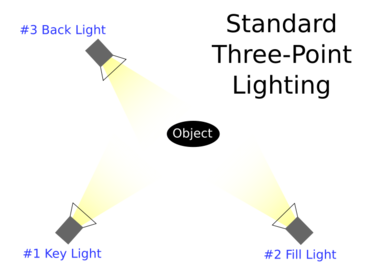
Conventional Lights - warmer colour due to amber drift - 46LIGHTING DESIGN Lighting anglesIn order to have full coverage of the stage you should light from 2 angles in front and one from behind. This gives the body dimension.
- 47LIGHTING DESIGN Lighting Angles For a natural effect you should attempt to light a face from 45 degrees.Lighting at angles other than 45 degrees will give interesting effects to the face
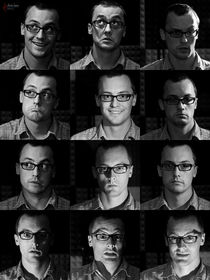
- 48LIGHTING DESIGN Lighting for dance- Lighting will be on stands from the side
- usually one placed at upper torso, one at lower torso and one at the leg
- this, in addition to front and back light, gives the dancer more dimension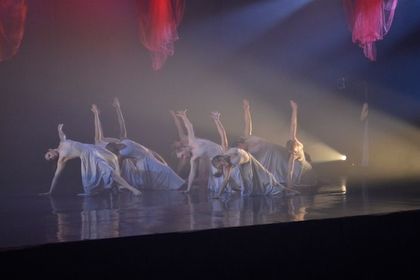
- 49LIGHTING DESIGN - the source of lightWhen designing light you need to consider the source of natural light so that you can place lights in the right directions. You need to consider:
1. the effect of the natural light on the floor surface
2. shaddows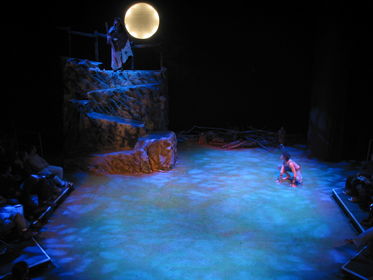
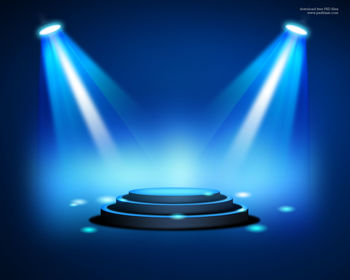
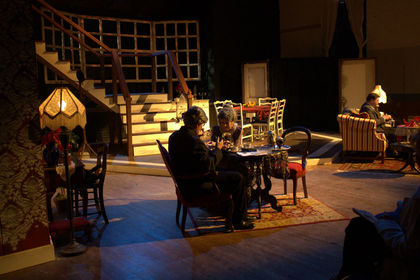
- 50LIGHTING DESIGN SpecialsA special is a light that is placed to achieve a special purpose on the stage
- 51LIGHTING DESIGN Practicals - a light that is put on the stage for the same purpose as it would be in real life e.g. lamp, fire place, street lampThe practical will be often complemented by other stage lights to amplify the effect
- 52CABELLING DMX CableDigital Multiplex Cabling
Traditionally is 5 pin but 3 pin is often used with LED lights and for digital technology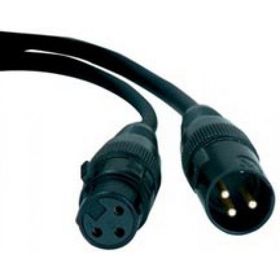
- 53DISSIPATION OF HEAT FROM LIGHTS Electrical resistance creates 2 by products: 1. Light 2. Heat10% of the electricity in an incandescent (normal) lighting is converted to light and the rest is converted to heat.
This explains why conventional lights get so hot!!! - 54EFFECT OF HEAT IN LIGHTING Conventional Lights produce radiated heat and therefore get hot1. decrease bulb life
2. decrease gel life
3. WHS issue with touching a hot light - 55EFFECT OF HEAT IN LIGHTING LED Lights DON'T produce radiated heat and therefore don't hotIn LED lights up to 60% of the electricity is turned into light and therefore these lights generate less heat energy
Informationen
- Beschreibung
- Stage Lighting revision notes
- Erstellt von
- Gelöschter Nutzer · Okt 2016
- Aktualisiert
- 5 Okt 2016
- Aufrufe
- 59
- Verlauf
-
- Erstellt von cmiller2889 · 9 Sep 2014
- Kopiert von Grace Heath · 4 Okt 2016
- Bewertung