
Introduction to Ecosystems
Folien in diesem Satz (12)
-
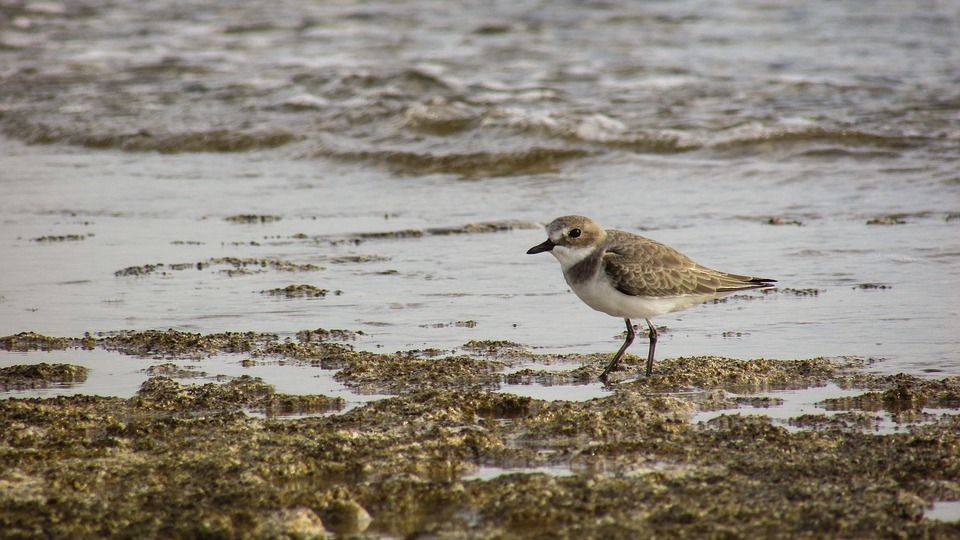
- Ecosystems are geographic regions that hold specific environments and inhabitants.
- An ecosystem is made up of plants, animals, and their surrounding physical environment.
- Ecosystems are made up of biotic (living) and abiotic (non-living) parts that have important interrelationships.
-
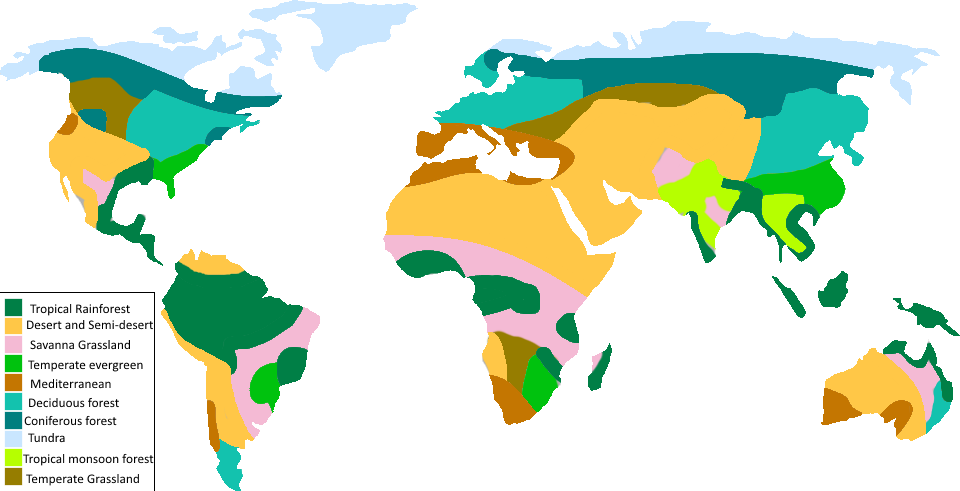
Global Distribution of Ecosystems:
-
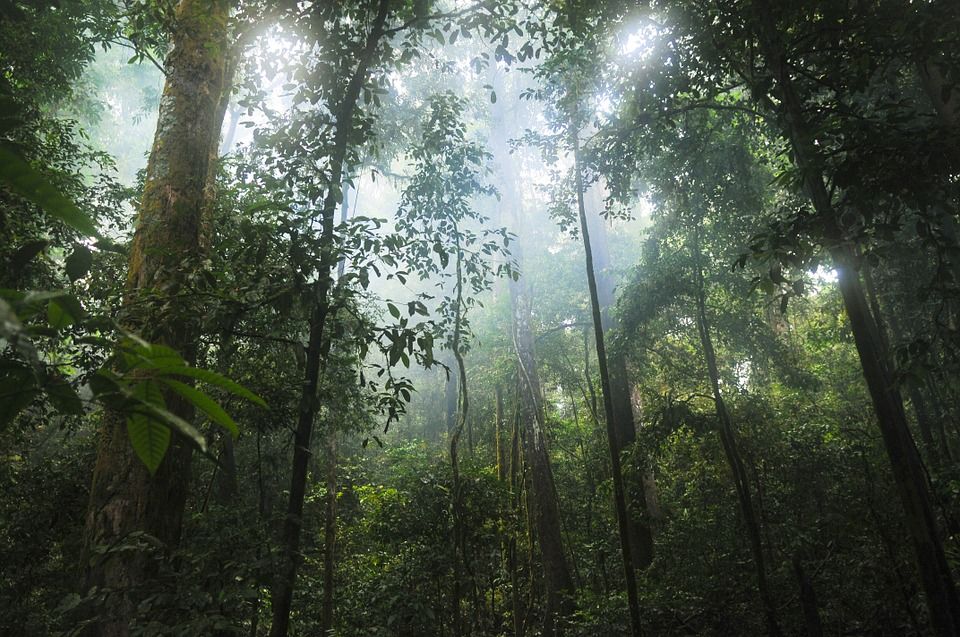
- Found in tropical regions
- High temperatures and rainfall
- Four layers of vegetation: emergents, canopy, under canopy, and forest floor
- High biodiversity
- Evergreen forest
-
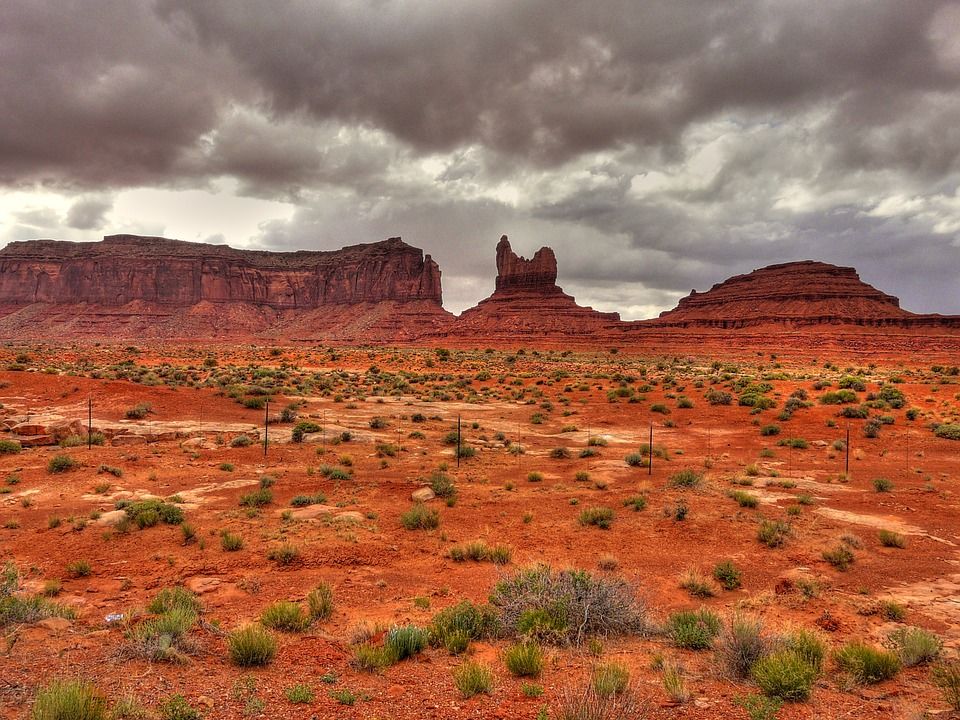
- Found near the Tropics of Cancer and Capricorn
- High temperatures and very little rainfall
- Sand or coarse soils
- Low biodiversity
- Small shrubs and cacti
-
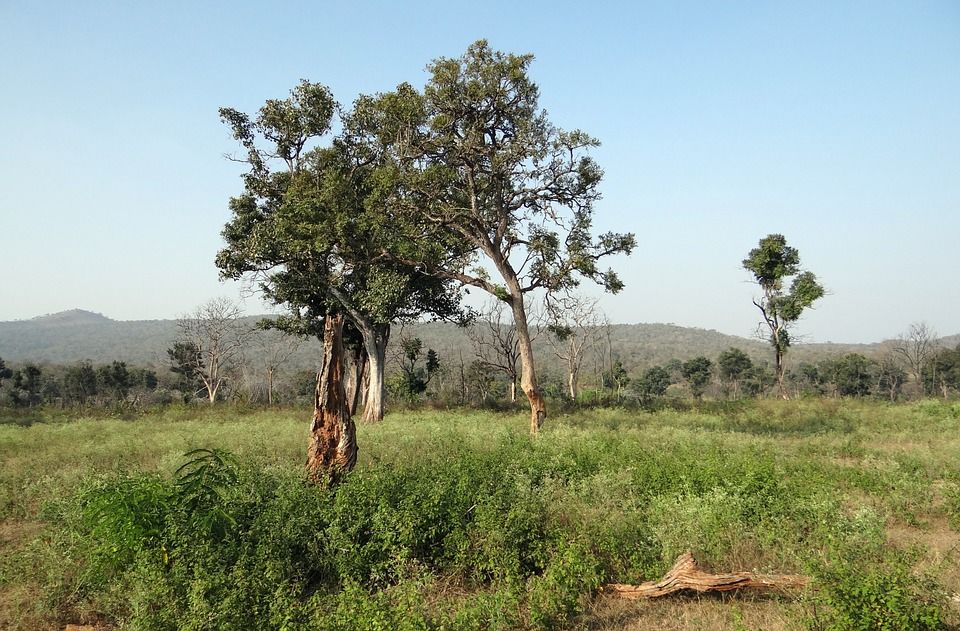
- Found in tropical regions
- High temperatures, rainfall for 6-8 months and occasional drought
- Tall grasses during wet season
- Few trees
-
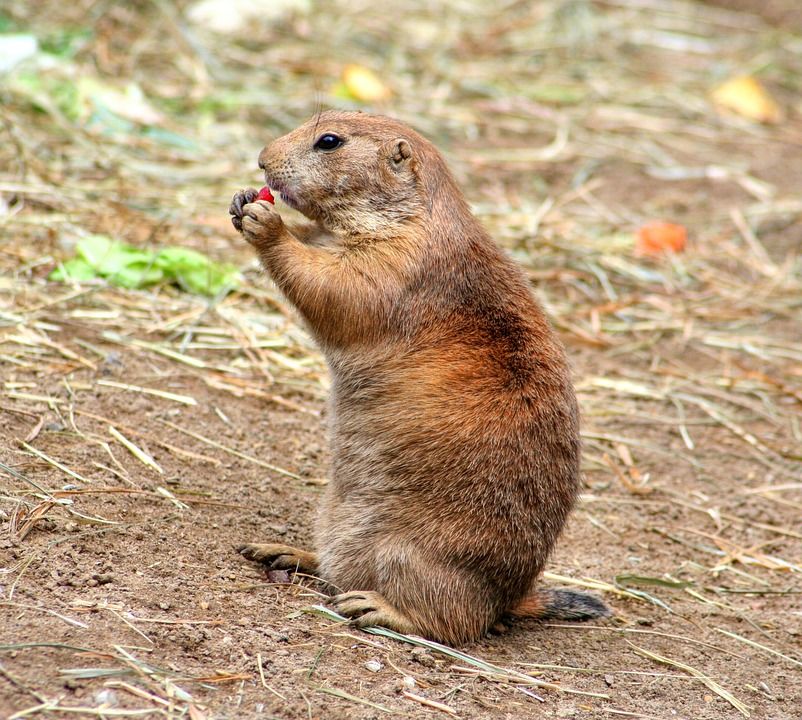
- Very few trees
- Also known as Prairies
- Purple needlegrass and Buffalo grass
-
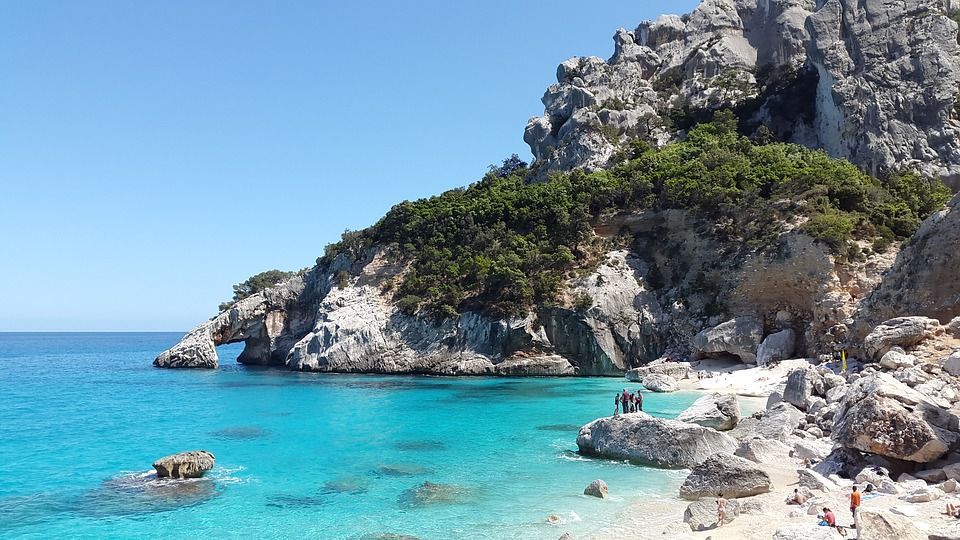
- 30-40 degrees North of the equator
- Drought-resistant small trees
- Only found on the west coast of continents
-
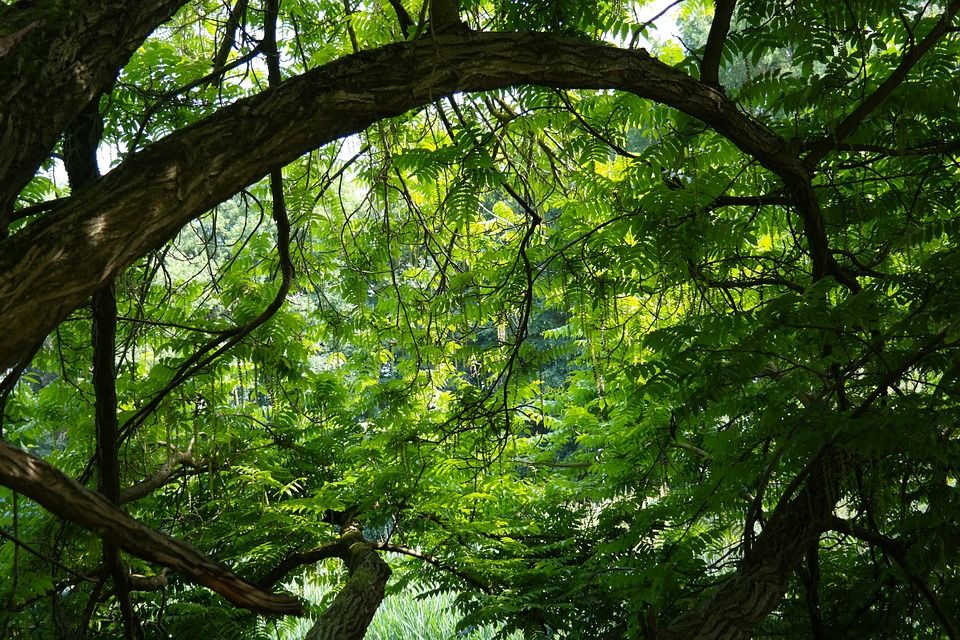
- Grow at higher altitudes
- High rainfall
- Trees lose their leaves in winter to reduce transpiration
- Vegetation in 4 layers: canopy, sub-canopy, herb, and ground
- Dominant species is Oak
-
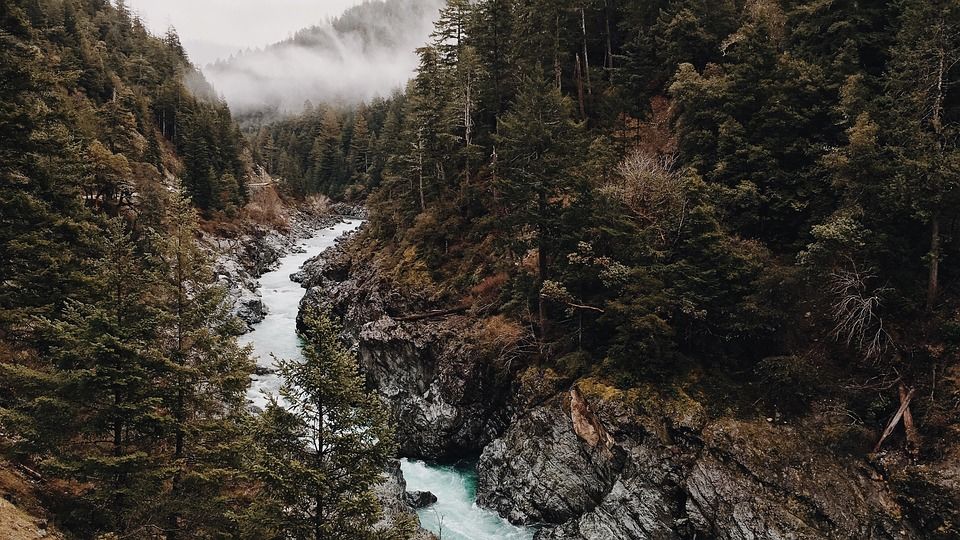
- Found at 60 degrees North of the equator
- Extremely cold winter temperatures
- Trees have thick bark to protect them from the cold
- Needle leaves reduce transpiration
- Shallow root systems because of shallow soil
-
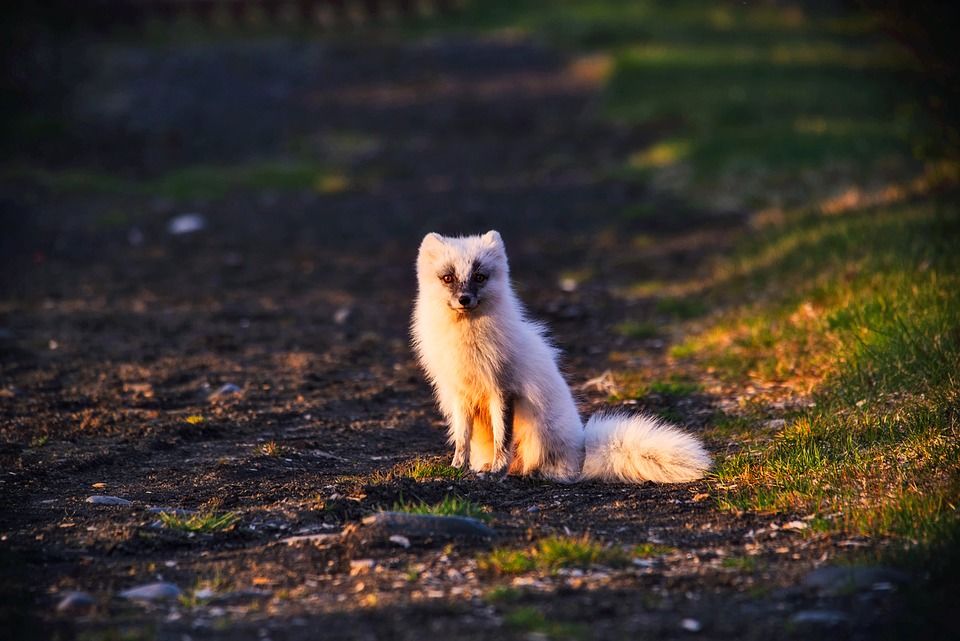
- Areas within the Arctic circle
- Extremely cold temperatures
- Only short grasses can survive
- Permafrost
- Very poor surface drainage
-
Factors that Control Ecosystems:
- Climate decides the temperatures and rainfall for ecosystems and is the most important factor in the distribution and characteristics of ecosystems.
- Latitude influences the amount of sunlight a region receives.
- Altitude influences vegetation and temperature. As altitude gets higher, temperatures drop, soils become thinner, and there is less organic matter.
- Ocean currents can affect surface temperatures and rainfall. Warm ocean currents bring warmer temperatures and cold ocean currents can sometimes bring arid conditions.
-
- Ecosystems are extremely intricate and interdependant; a small change in an ecosystem can affect the entire system.
- When an ecosystem is balanced it is in equilibrium.
- Example:
- When grey wolves were reintroduced into Yellowstone National Park, elk populations dropped by 50%.
- This meant that grasslands could recover and more trees started to grow.
- This stabilised river banks and lead to more woody debris in the rivers creating pools.
- This increased the trout population.
- More available food increased the grizzly bear population.
Informationen
- Beschreibung
- Ecosystems are geographic regions that hold specific environments and inhabitants. This slideset presents information about each of the ecosystems to help you prepare for exams.
- Erstellt von
- Antonia Blankenberg · Jun 2017
- Aktualisiert
- 1 Okt 2018
- Aufrufe
- 438
- Tags
- Bewertung