
Changing Demands for Resources in the UK
Folien in diesem Satz (8)
-
Changing Demand for Resources in the UK
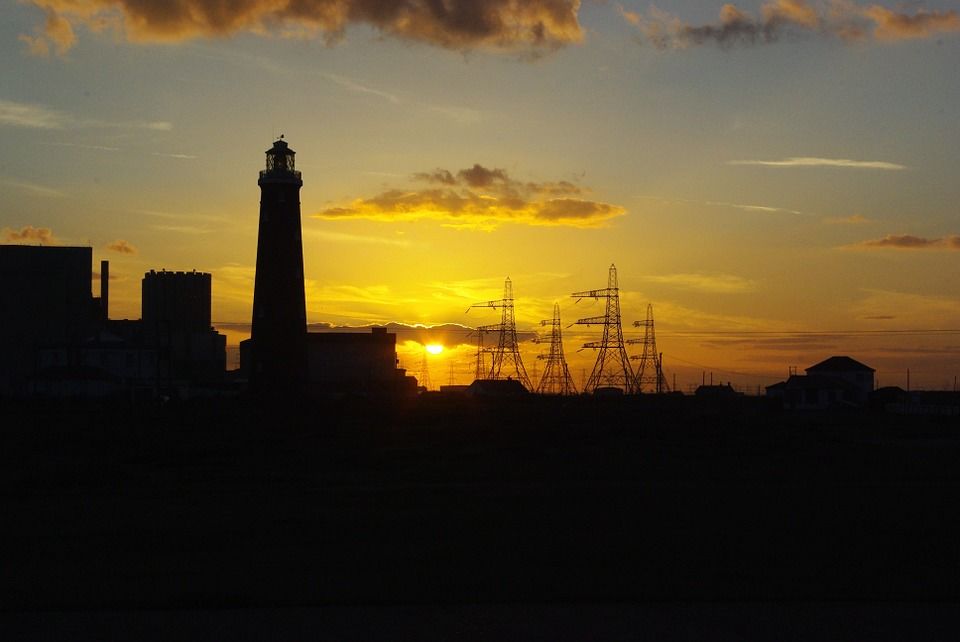
- Bildunterschrift: Kent Power Station
-
- Before supermarkets, most food eaten in the UK was local and seasonal.
- Today exotic fruits and vegetables are available year-round.
- Food that can be grown locally is still imported.
- In 2013, 47% of the UK food supply was imported.
- This means that what was once food for the local population in low-income countries is instead used for high-value exports to the UK.
- Less land becomes available in poorer countries for locals to grow their own food.
- High-value crops often need a lot of water to grow, this puts extra pressure on an already limited water supply.
- Though jobs are created, they are mostly poorly paid and people can become exposed to harmful chemicals when working.
- Taxes paid to the government can help to build schools and hospitals.
-
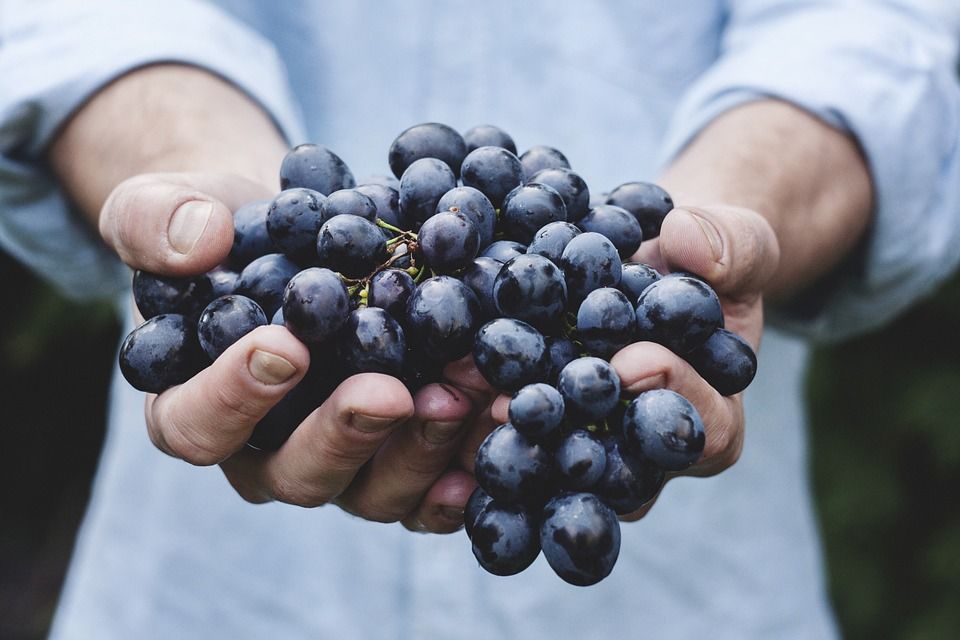
- Organic produce is grown without the use of pesticides and fertilisers.
- The demand for organic products has been steadily growing since the 1990's.
- The highest selling organic products are milk, cheese, and yoghurt.
- This switch is prompted by people being more concerned about what they eat.
-
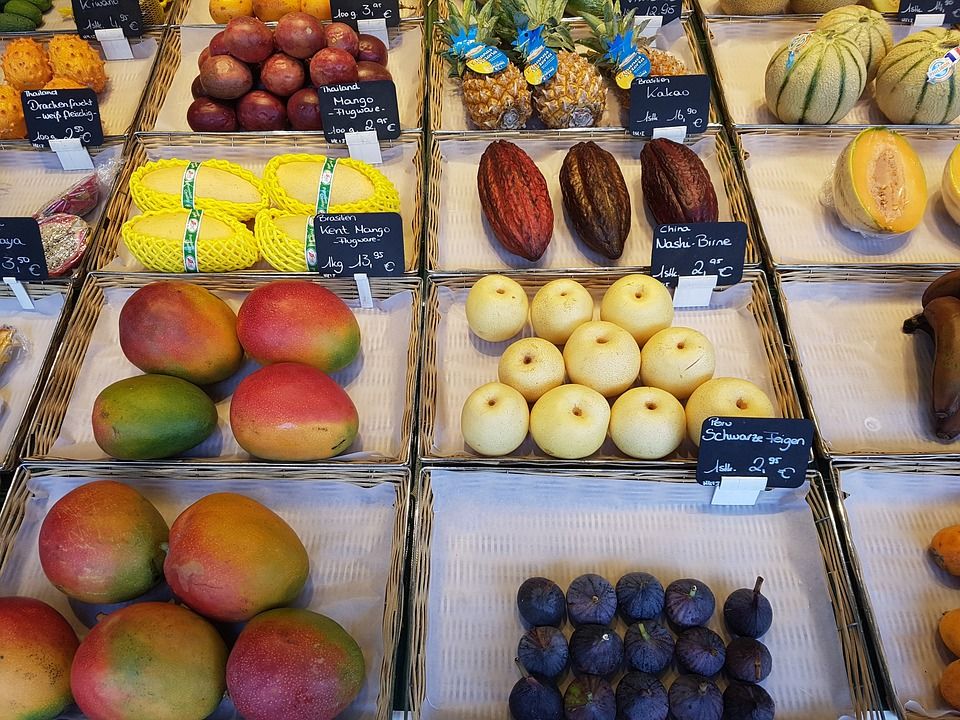
- Food miles are the distance food travels from producer to consumer.
- The transport used to import the UK's food emits over 19 million tonnes of carbon dioxide into the atmosphere every year.
- Carbon dioxide is also emitted in the harvesting of food.
- These factors contribute to a large carbon footprint for the UK population.
- To reduce emissions, there has been a push towards agribusiness in the UK.
- Agribusiness means treating farms like an industrial business; increasing farm sizes, increasing mechanisation, and using the latest and best technology to increase crop yields.
-
- Despite the UK having a short supply of water, demands for water in the average household have grown by 70% since 1985.
- This is caused by an increase in wealth, increased population, changes in personal hygiene, and demands for out-of-season foods.
- The areas of high population in the UK do not correlate with the areas with the greatest supply of water.
- The southeast is the driest part of the UK.
- Water transfer schemes operate in the UK on a small scale:
- Reservoirs in North Wales and the Lake District provide water for the populated areas of northwest England.
- The water from the Kielder Dam in Northumberland is used to supply Newcastle, Sunderland, and Middlesbrough with water.
-
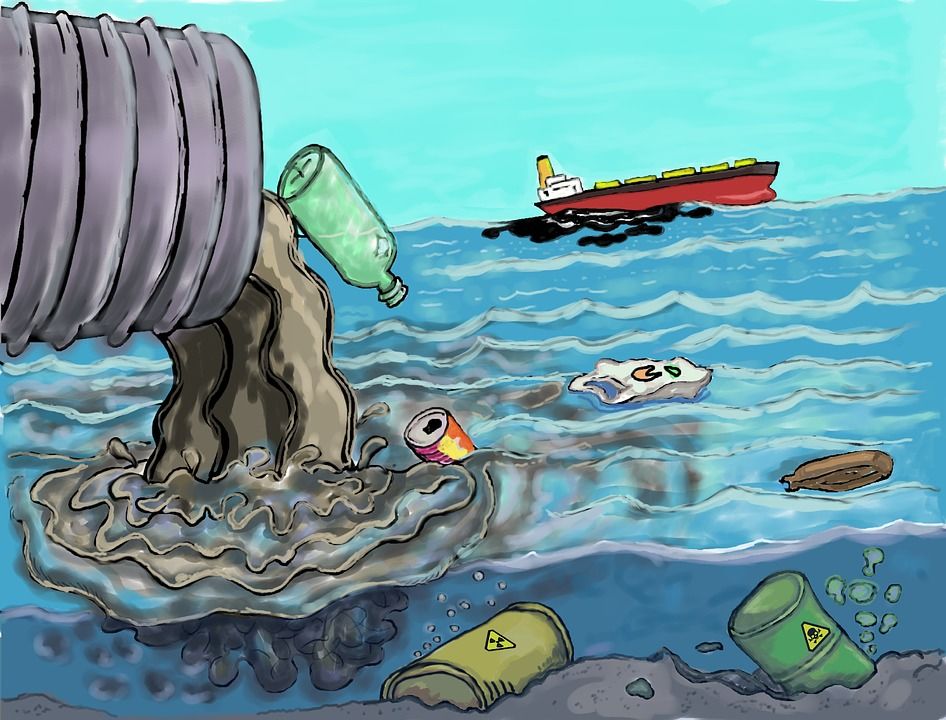
- The UK has seen an improvement in water quality since the industrial revolution.
- However, only 27% of UK water is marked as "good status" under the EU Water Framework Directive.
- Toxic waste dumping poisons wildlife and those who drink the water.
- Increased water temperatures from manufacturing can kill wildlife.
- Fertilisers cause eutrophication, decreasing oxygen supply to aquatic wildlife.
- Sewage can cause the spread of infectious disease.
-
- Legislation from the EU and UK dictate what type of farms can be established and what runoff they put into rivers.
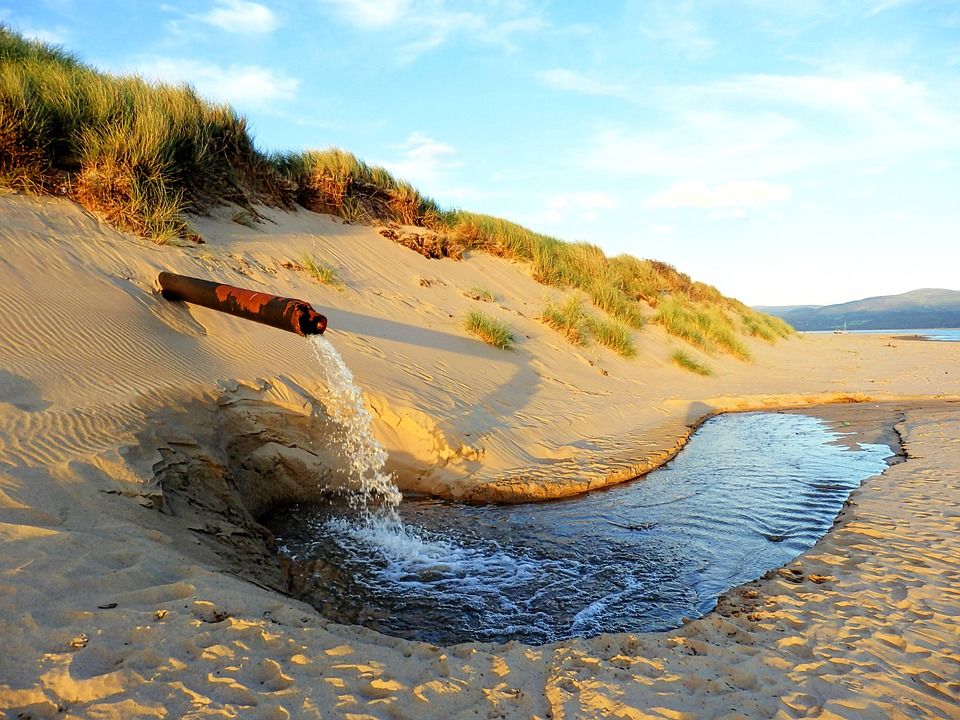
- Local waste water treatment plants can remove chemicals and sediment from water supplies so that they can be used for drinking.
- Pollution traps can be placed near rivers to filter out pollution.
- Education campaigns advise the public what not to place in waste water systems and how to dispose of these items correctly.
- New and better infrastructure can prevent waste spills and accidents.
- Green roofs can filter out the natural pollutants in rainwater and reduce the risk of flooding caused by runoff.
-
Changing Energy Demands in the UK
- Today we consume less energy than in 1975 despite the larger population.
- There has been a decrease in heavy industry but an increase in transport.
- Reduction in domestic energy consumption can be attributed to energy-efficient devices, increased awareness, and increasing costs of energy production.
- The UK's energy mix is moving away from fossil fuels due to reduced supply and new EU regulations.
- There has been an increase in the amount of renewable energy being used.
Informationen
- Beschreibung
- Der Nutzer hat seine Fachbereichs-Information gelöscht. Folienset am Changing Demands for Resources in the UK , erstellt von Gelöschter Nutzer am 29/06/2017.
- Erstellt von
- Gelöschter Nutzer · Jun 2017
- Aktualisiert
- 29 Jun 2017
- Aufrufe
- 21
- Verlauf
-
- Erstellt von Antonia Blankenberg · 23 Jun 2017
- Kopiert von Antonia Blankenberg · 29 Jun 2017
- Bewertung