
Notizen
Germany Post World War One
Inhalt der Notizen (6)
Seite 1
After World War One
The German state was very poor at this time, while the Blockade of Germany from 1914-1919 led to a lack of food and supplies. Britain intended to use its powerful navy to starve Germany and Austria-Hungary into submission
People began to starve to death
Riots also commenced throughout Germany
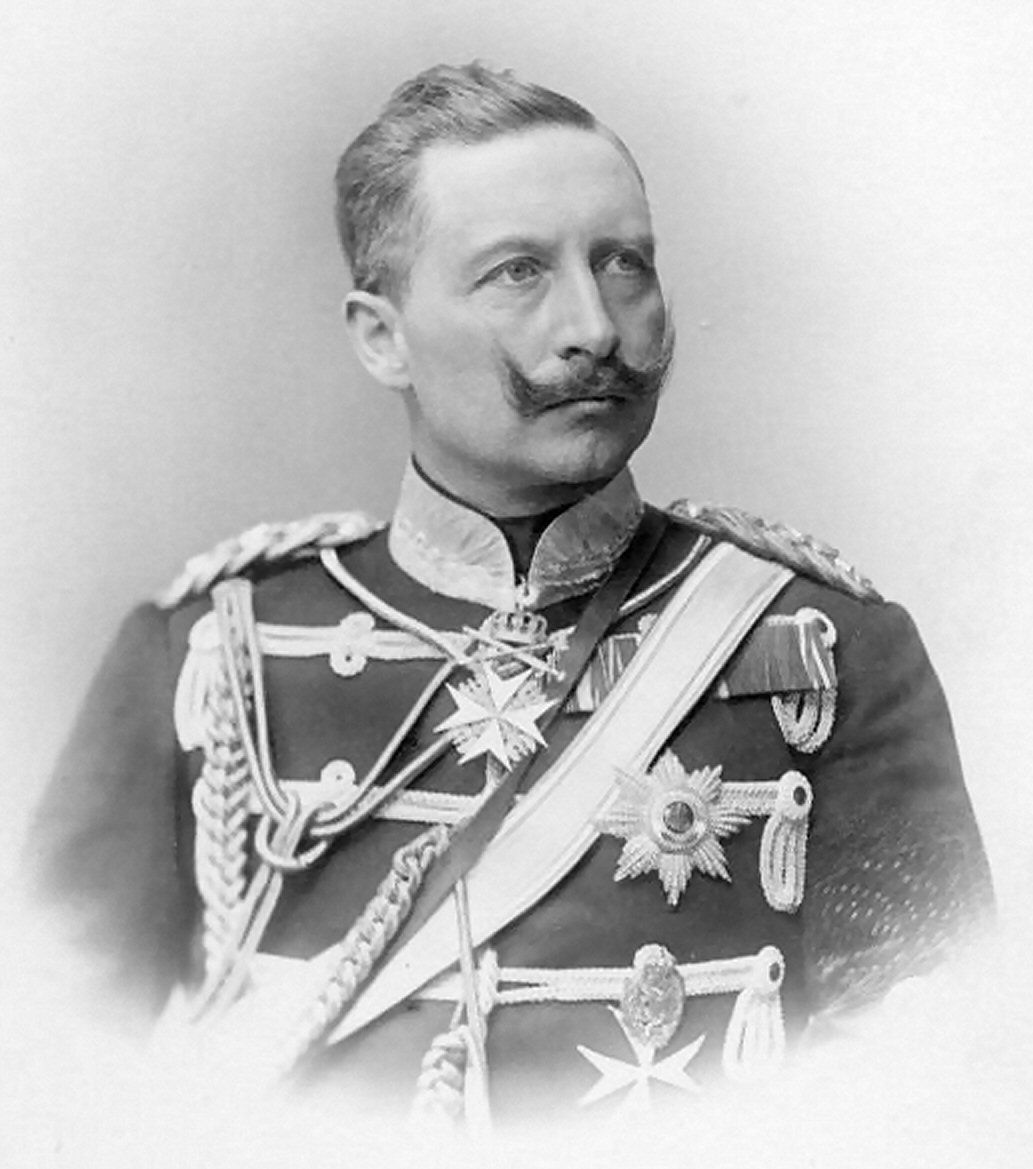
The navy then rebelled against the Kaiser Wilhelm II (Emperor of Germany)
Kaiser Wilhelm realised he could not calm the situation
He abdicated in October 1918; Germany was left without a leader
The biggest political party at the time was the Social Democrats, and their leader Friedrich Ebert, took control of Germany.
Ebert attempted to improve people's lives through promising better working conditions and freedom of speech
Seite 2
The Spartacist Revolution
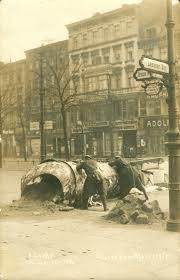
In January 1919, the Spartacists (German communist party) decided they wanted to take over from Ebert
Started a revolution on 6 January
Within a week the revolt was quashed
The Freikorps - bands of soldiers who refused to disband and formed private armies after WW1 - killed many communists, which led to the end of the rebellion
Spartacist leaders, Karl Liebnecht and Rosa Luxemburg, were killed
Ebert was no longer under threat from the Spartacists
However, he needed to rely on the Freikorps to restore order
This made Ebert look weak in the eyes of the public
Seite 3
The Weimar Constitution
In January 1919, the Social Democrats won the elections and held their first meeting as a new government in the town of Weimar. The first job of the new government was to write a new constitution for the German state.
The Weimar Constitution:
Everyone over the age of 20 could vote
People voted for MPs who would sit in the Reichstag
The Reichstag would suggest and vote on new laws
The Chancellor would be the head of the Reichstag; new one voted for every 4 years
President - choose the Chancellor and control the army; voted in every 7 years
Each German state would have its own local government
Voting would follow proportional representation (parties get the number of seats proportional to the number of votes in an election)
Article 48 gave the President powers to make emergency legislation without having to consult the Reichstag
Strengths of the Constitution:
Fair in terms of the voting process
Allowed freedom of speech
Local issues would be addressed by state governments
Chancellor and President provided a balance of power
Poor performing Chancellor or President would only be around for a short while
Weaknesses of the Constitution:
Proportional representation meant there was many parties in the Reichstag and they rarely agreed with each other
Article 48, in theory, could be abused by the President
State governments could pass laws contrary to the wants of the Reichstag
Seite 4
Treaty of Versailles 1919
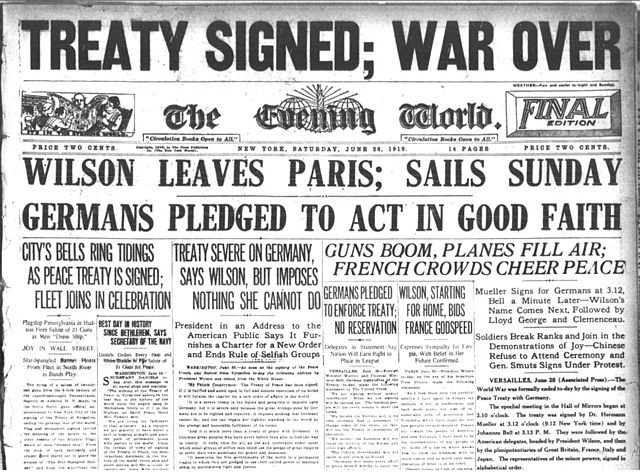
Woodrow Wilson, Georges Clemenceau and Lloyd George cooperated together to come up with a treaty to deal with Germany, although none of them were fully satisfied with the terms of the treaty. Each delegate clashed on certain matters, for example, George wanted an economically strong Germany for guaranteed reparation payments, while Clemenceau preferred the Germans remain weak for France to grow in strength. Therefore, compromises were drawn to reach the Treaty of Versailles on June 28, 1919.
For Germany, there was outrage against the Treaty of Versailles:
Many Germans believed they did not lose the war, rather they had agreed to an armistice
Germany argued the agreement was a Diktat (an order or decree imposed by someone in power without popular consent)
The War Guilt clause was unfair to blame only Germany, all countries should share the blame
Disarmament claims were unequal as no World War One victor had to reduce arms
Loss of land and people was inconsistent with Wilson's principle of self-determination:
North Schleswig given back to Denmark
Alsace-Lorraine given to France
West Prussia, Posen and Upper Silesia to Poland
Reparations would cripple the German economy (£6.6 billion)
Germans also accused the Weimar government of "stabbing them in the back"
People began to look to other politicians outside the Social Democrats
Seite 5
Further Opposition
German communists continued to create opposition even after the failed Spartacist Revolution
Freikorps went around stopping and fighting these various communist groups
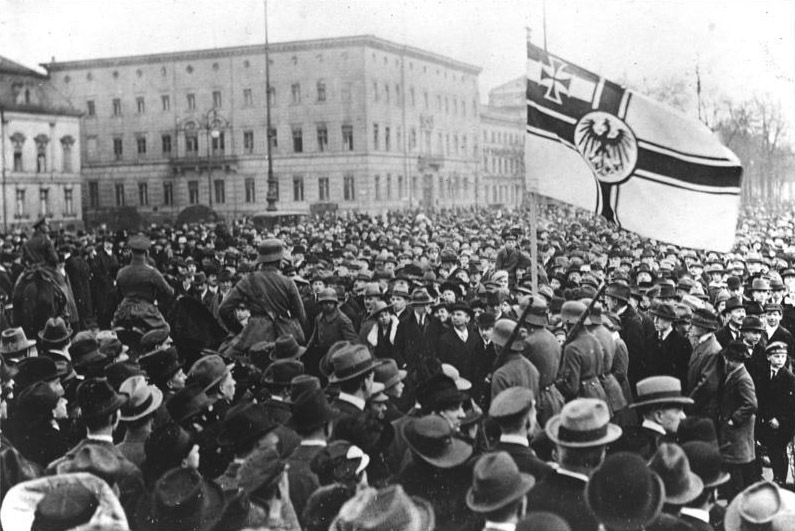
Freikorps went against Ebert in 1920, when they supported Wolfgang Kapp in his attempt to take over Germany (Kapp Putsch)
Only the workers of Berlin striking and refusing to help the Freikorps stopped the Putsch
Over 200 people between 1919-23, that were connected with the Weimar Government, were assassinated
Including Walther Rathenau, a politician who was involved in both the armistice and Treaty of Versailles
These assassinations demonstrated how much people disliked the new government
The government made a poor attempt at trying to prevent violence
Seite 6
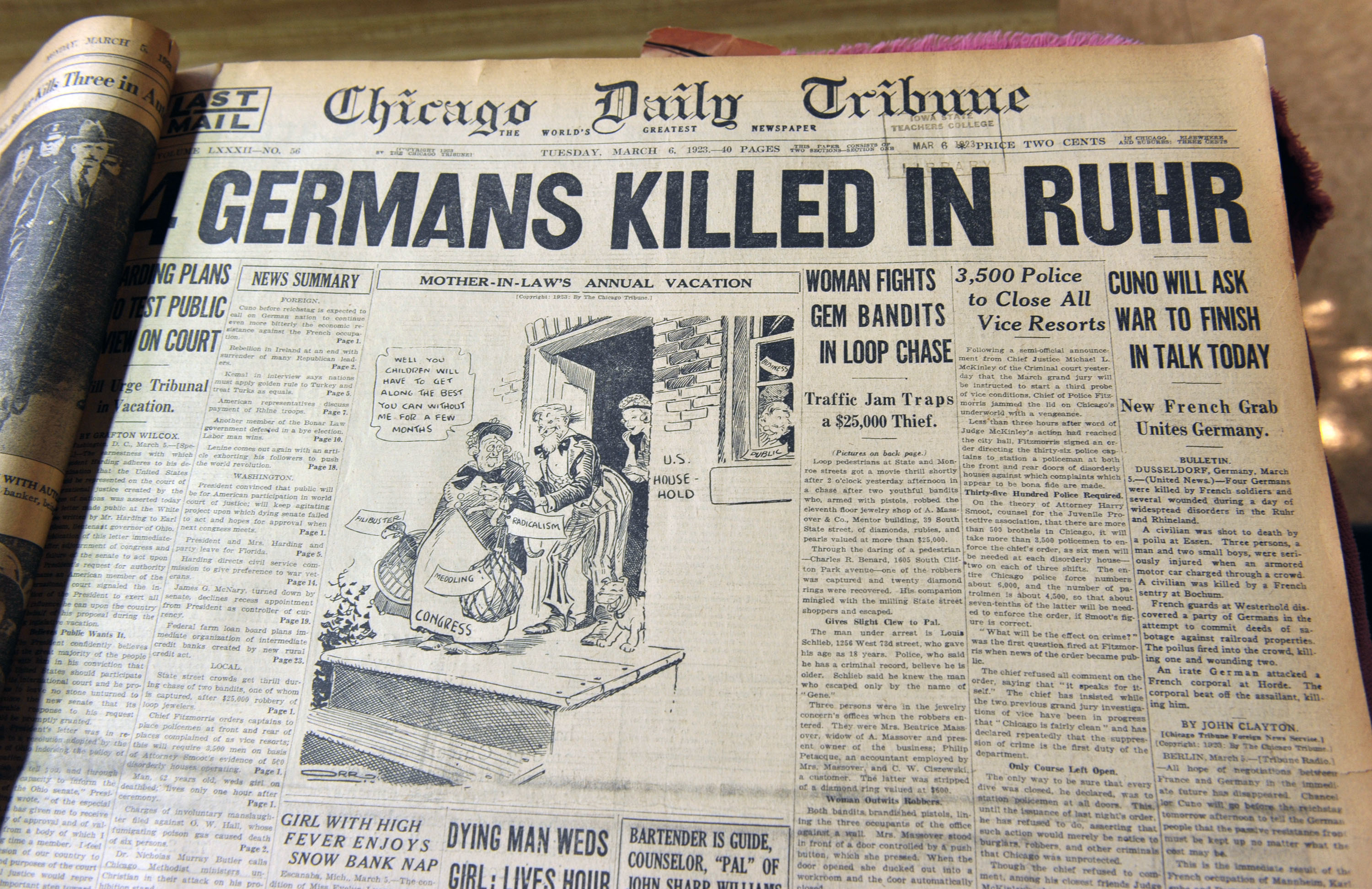
Invasion of the Ruhr
Germany paid its first reparation payment in 1921, but could not afford to pay in 1922
France and Belgium decided to invade Germany to receive payment by force
They invaded the Ruhr, which was Germany's main industrial area. to secure goods
The Germans reacted with passive resistance - they went on strike and refused to make goods for the French and Belgians
The Germans sabotaged factories and flooded some of the mines
French and Belgians react in violence, shooting some people and expelling others
The Weimar government supported the strikers by printing more money in order to pay them while on strike
Too many notes in the economy meant that prices were out of control
This led to hyperinflation in the economy; the middle classes and elderly suffered the most
Hyperinflation ended in October 1923 as Stresemann introduced the Rentenmark
Informationen
- Beschreibung
- Der Nutzer hat seine Fachbereichs-Information gelöscht. Notiz am Germany Post World War One , erstellt von Gelöschter Nutzer am 11/07/2017.
- Erstellt von
- Gelöschter Nutzer · Jul 2017
- Aktualisiert
- 11 Jul 2017
- Aufrufe
- 697
- Verlauf
-
- Erstellt von Andrew Burke · 4 Jul 2017
- Kopiert von Andrew Burke · 11 Jul 2017
- Bewertung