
Notizen
The Nazis - Workers, Farmers and Businesses
Inhalt der Notizen (4)
Seite 1
Economic Recovery and Rearmament
Hitler and the Nazis came to power because they promised to solve the country's two main problems - unemployment and the crisis in German farming. This is why they had the votes of the unemployed, farmers and businesses. The question for all these groups was; Would Hitler and the Nazi Party deliver?
Economic Recovery and Rearmament: Nazi Economic Policy (NEP)
Germans in 1933 felt a vote for the Nazi Party was worth it, particularly 6 million who were unemployed at the time
By 1933, the worst of the Depression was over, yet the Nazis acted with commitment to solve some major problems
The economist Dr Hjalmar Schacht organised the German economy to fund a huge programme to create jobs
Schacht encouraged government loans for industrialists to modernise their factories
He organised bilateral trade agreements between Germany and South American countries
These agreements were aimed at receiving raw materials in order to help Germany become an autarky (self-sufficient country)
The National Labour Service sent men on public works projects (e.g. building networks of motorways, or autobahnen)
Railways were extended or built from scratch, while there was also major programmes to build houses
Other measures brought increasing prosperity - One of Hitler's most cherished plans was rearmament
1935 - He introduced conscription for the German army
1936 - He announced a Four-Year Plan, under Goering's control, to prepare the German economy for war
Conscription reduced unemployment
The needs for weapons, equipment and uniforms created jobs in coal mines, steel and textile mills
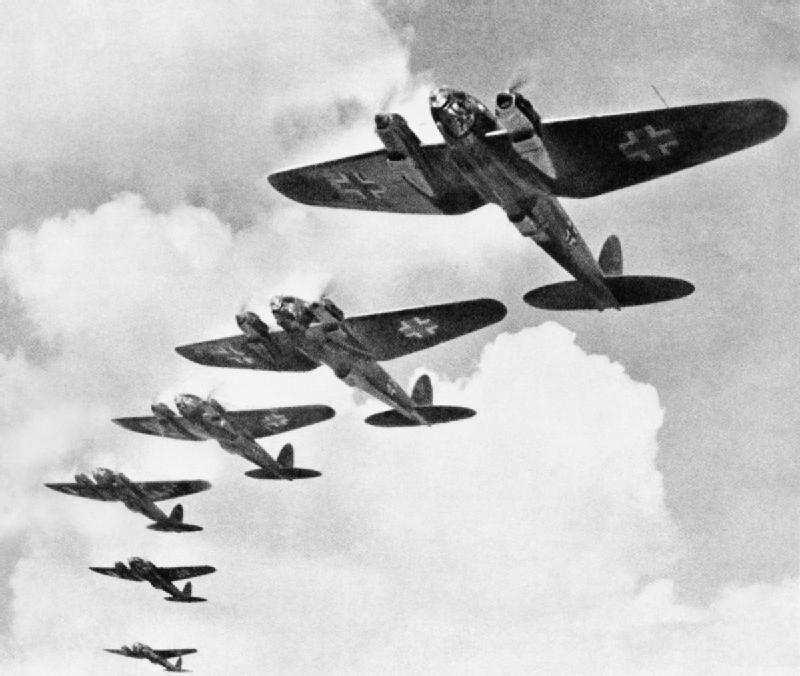
Germany began constructing its world-class air force (Luftwaffe)
These measures boosted Hitler's popularity because they boosted national pride
German's finally felt their country was emerging from the embarrassment of the Treaty of Versailles and First World War
Seite 2
The Nazis and Workers
Hitler promised and delivered in lowering unemployment, this increased his popularity amongst industrial workers. Hitler won the loyalty of industrial workers through a variety of initiatives:
Propaganda praised the workers and tried to associate them with Hitler
Schemes such as Strength Through Joy (KDF) gave them cheap theatre and cinema tickets, organised trips, sports events and holidays on luxury liners
By 1939, over 2 million Germans had been on one of KDF holiday's
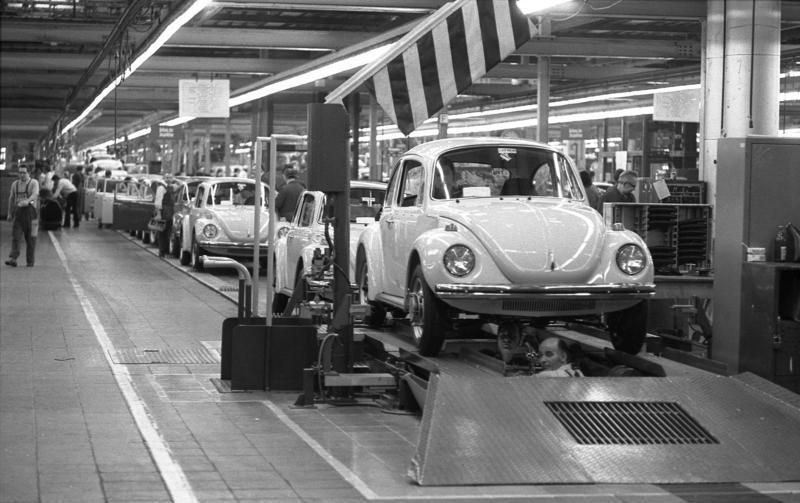
There was a state scheme to buy the Volkswagen Beetle (production halted by the war in 1939)
Beauty of Labour movement - this improved working conditions in factories and introduced washing facilities and canteens to workplaces
As a result of the Nazi Economic Policy, the workers' political party (SDP) ended and trade unions began to break up. All workers had to join the DAF (General Labour Front) run by Dr Robert Ley.
This organisation kept strict control of its workers; they could not strike for better pay and conditions
Wages remained comparatively low, and prices were strictly controlled
By the late 1930s, many workers were still dissatisfied that their standard of living was still lower than before the Depression
Seite 3
The Nazis and Farming Communities
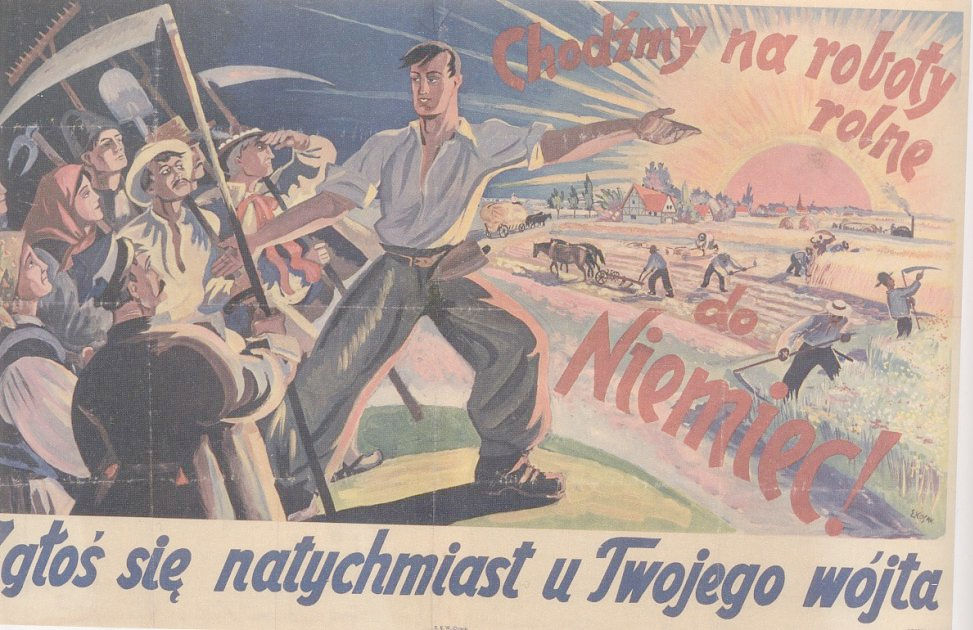
The farmers had been important factor in the Nazis rise to power. Hitler introduced a series of measures to help them.
September 1933 - He introduced the Reich Food Estate under Richard Darre
This established central boards to buy produce from farmers and distribute it across Germany
This gave the peasants a guaranteed market for their goods at guaranteed prices
Reich Entailed Farm Law - this gave the peasants state protection for their farms
Part of the Nazi philosophy was 'Blood and Soil' (the belief that peasant farmers were the basis of Germany's master race)
The Reich Food Estate meant efficient farmers were held back by having to work through the same process as less-efficient farmers
The Reich Entailed Farm Law meant banks were unwilling to led to money to farmers, this also meant the eldest child inherited the farm
Therefore, many of Germany's farmers left the land to work in industry for better pay
Rural depopulation was about 3% per year in the 1930s - this was the opposite of the Nazis' aims
Seite 4
Business and Middle Classes
The reaction amongst the German middle classes to the Nazis was mixed.
Many middle-class business people were thankful the Nazis eliminated the threat of communism to their business and properties
People did well due to rearmament programmes from 1935
Large department stores that were taking business away from smaller stores were not shut down, despite Hitler's promises
It was the big businesses that truly benefited from Nazi rule.
Big companies no longer had to worry about trade unions and strikes
Companies such as the chemical giant IG Farben received huge government contracts to make explosives, fertilisers and artificial oil
Mercedes and Volkswagen prospered under Nazi policies
Over 80% of the management were university-educated middle-class men
Informationen
- Beschreibung
- Der Nutzer hat seine Fachbereichs-Information gelöscht. Notiz am The Nazis - Workers, Farmers and Businesses, erstellt von Gelöschter Nutzer am 11/07/2017.
- Erstellt von
- Gelöschter Nutzer · Jul 2017
- Aktualisiert
- 11 Jul 2017
- Aufrufe
- 53
- Verlauf
-
- Erstellt von Andrew Burke · 5 Jul 2017
- Kopiert von Andrew Burke · 11 Jul 2017
- Bewertung