
The Nazi Police State
Folien in diesem Satz (5)
-
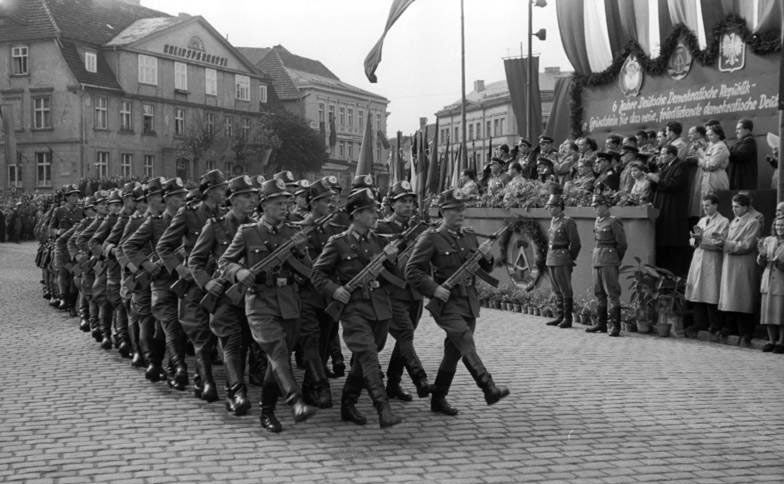
- The Nazis wanted to create a totalitarian state. In a totalitarian state there are no political rivals and no political debate. The ordinary citizen diverts all their time and attention into serving the state and the demands of their leader.
- The rest of these slides will demonstrate the various ways and means the Nazis used to control the German population.
-
- Formed in 1925 from fanatics loyal to Hitler
- Huge organisation from 1934 onwards - By 1939, 240,000 members and 1 million members by 1944
- Leader of the SS was Heinrich Himmler
- Highly trained and loyal to Hitler, the SS had primary responsibility for destroying opposition and carrying out Nazi racial policies
- SD was the internal security service of the SS
- The Death's Head units looked after the concentration camps and the transportation and eventual murder of Jews
- As it grew in power, the SS set up its own courts and carried out many activities similar to the Gestapo
- Around 200,000 Germans were sent to concentration camps by these courts
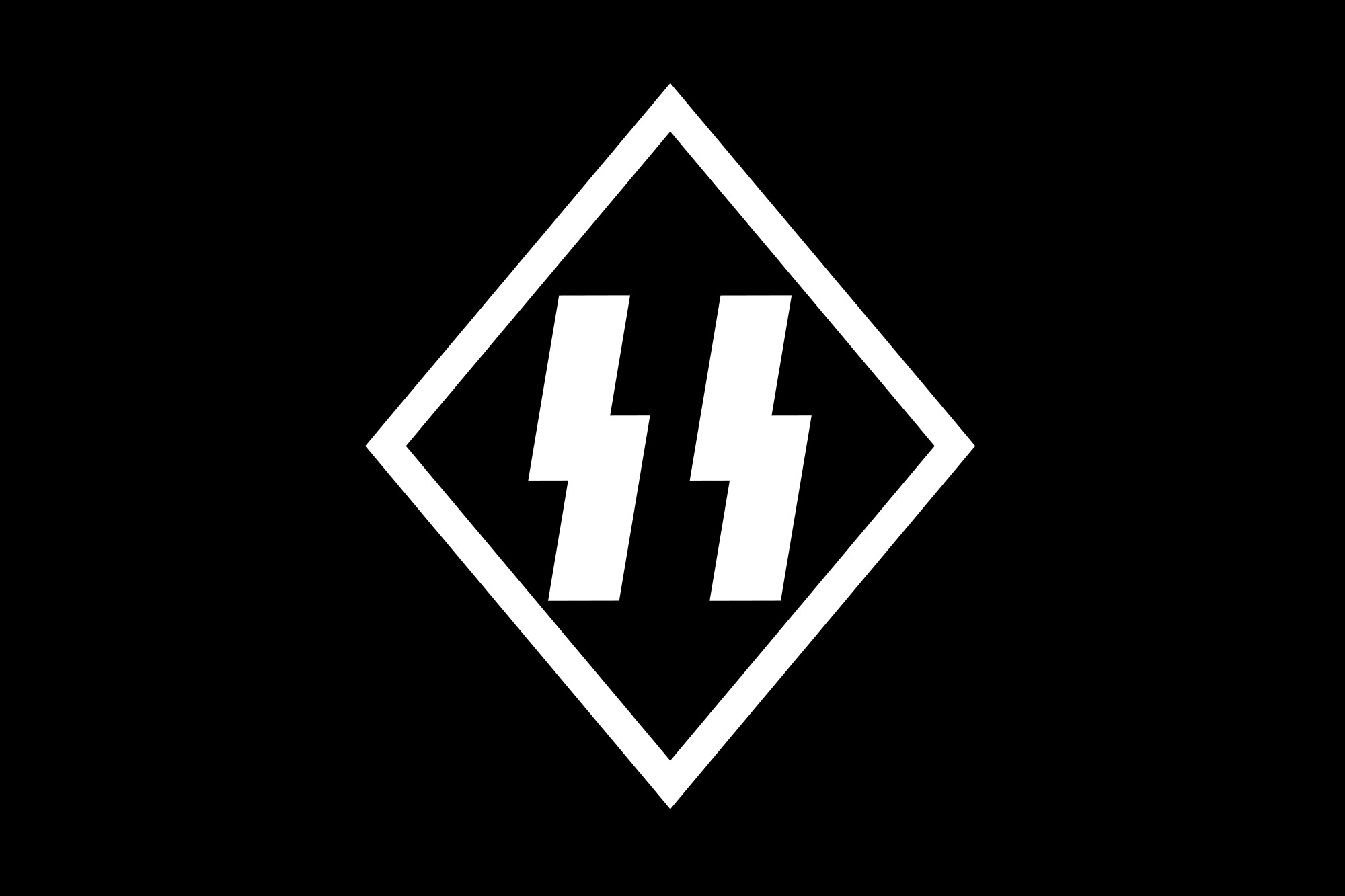
- Bildunterschrift: The SS symbol
-
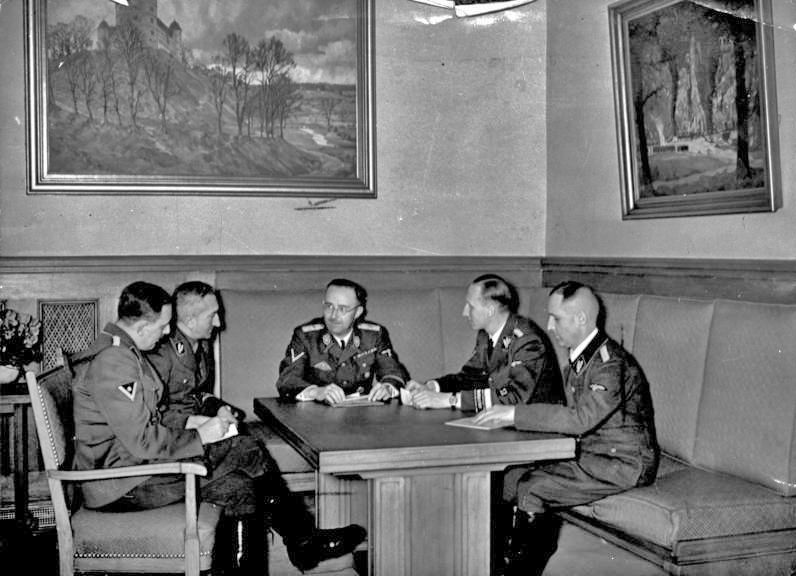
- The Gestapo were the secret state police
- Their commander was Reinhard Heydrich
- Gestapo agents had sweeping powers, which meant they could arrest and send citizens to concentration camps without trial
- Perhaps, the organisation that was most feared by ordinary citizens
-
- Top jobs in the local police force were given to high-ranking Nazis who reported to Himmler
- The police were under strict instructions to ignore crimes that were committed by Nazi agents
- The Nazis also controlled magistrates, judges and courts
- They appointed judges they approved of and sacked those that they disapproved
- Due to their influence in the magistrate, opponents of Nazism rarely received a fair trial
-
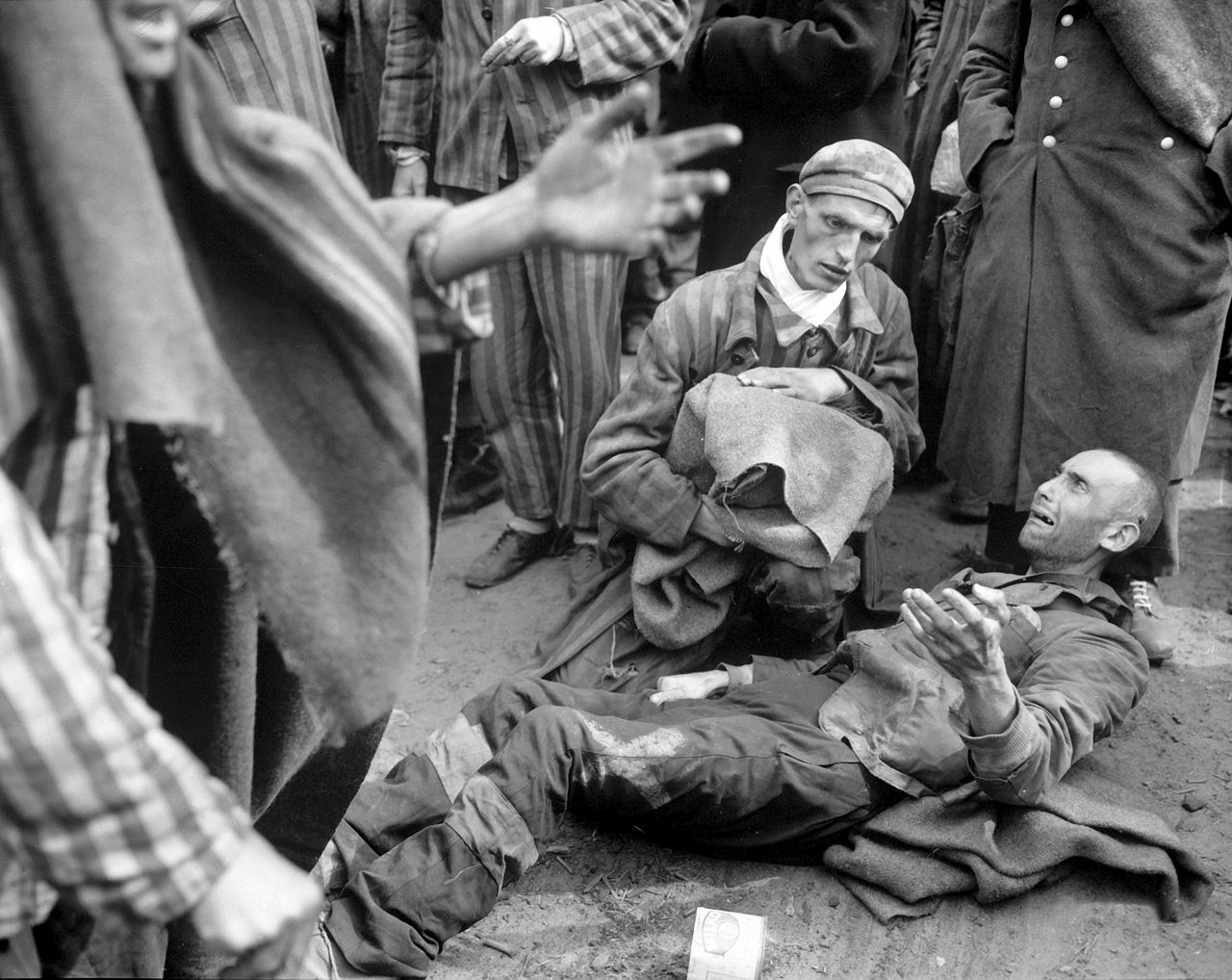
- Bildunterschrift: German concentration camp at Wobbelin
- Set up as soon as Hitler came into power
- 1933 - The first concentration camps were makeshift prisons in disused factories and warehouses
- Soon, purpose-built camps were constructed, mainly in isolated rural regions
- These were run by the SS Death's Head units
- Prisoners were forced to do hard labour
- Food was limited
- Prisoners suffered beatings, discipline and random executions
- Jews, socialists, communists, trade unionists, churchmen and anyone who criticised the Nazis end up in these camps
- Historians estimate around 1.3 million Germans spent some time in concentration camps between 1933-1939
- By the late 1930s, deaths were very common and few people came out alive from the camps
- These camps were harsh and many died, but they were not built with the purpose of killing people the same way later camps were
- The aim of these camps was to 'correct' opponents of the regime
Informationen
- Beschreibung
- Der Nutzer hat seine Fachbereichs-Information gelöscht. Folienset am The Nazi Police State, erstellt von Gelöschter Nutzer am 11/07/2017.
- Erstellt von
- Gelöschter Nutzer · Jul 2017
- Aktualisiert
- 11 Jul 2017
- Aufrufe
- 23
- Verlauf
-
- Erstellt von Andrew Burke · 5 Jul 2017
- Kopiert von Andrew Burke · 11 Jul 2017
- Bewertung