
Themes in The Merchant of Venice

Folien in diesem Satz (9)
-
- Antonio acts as a creditor to Bassanio's loan out of friendship. Later in the play he is even willing to give his life for his friend's debt.
- When Antonio is facing trial, Bassanio wants to swap places with him so that he dies instead of his friend.
- Bassanio's friendship to Antonio pushes him to give his wedding ring to the lawyer when Antonio is set free.
-

- The marriages bring romance to this romantic comedy.
- Three couples get married during the play;
- Jessica and Lorenzo
- Bassanio and Portia
- Gratiano and Nerissa
- The marriage of Jessica and Lorenzo pushes Shylock to revenge on Antonio.
- The other marriages fuel the plot around the wedding rings in the last scene.
-

- Bassanio's need for money at the beginning of the play drives the entire plot of The Merchant of Venice.
- Some characters (such as Antonio and Bassanio) only rely on money to get them by, whereas other people (such as Shylock) are greedy for money.
- The main difference between the Christian characters and Shylock appears to be that the Christian characters value human relationships over business ones, whereas Shylock is only interested in money.
-
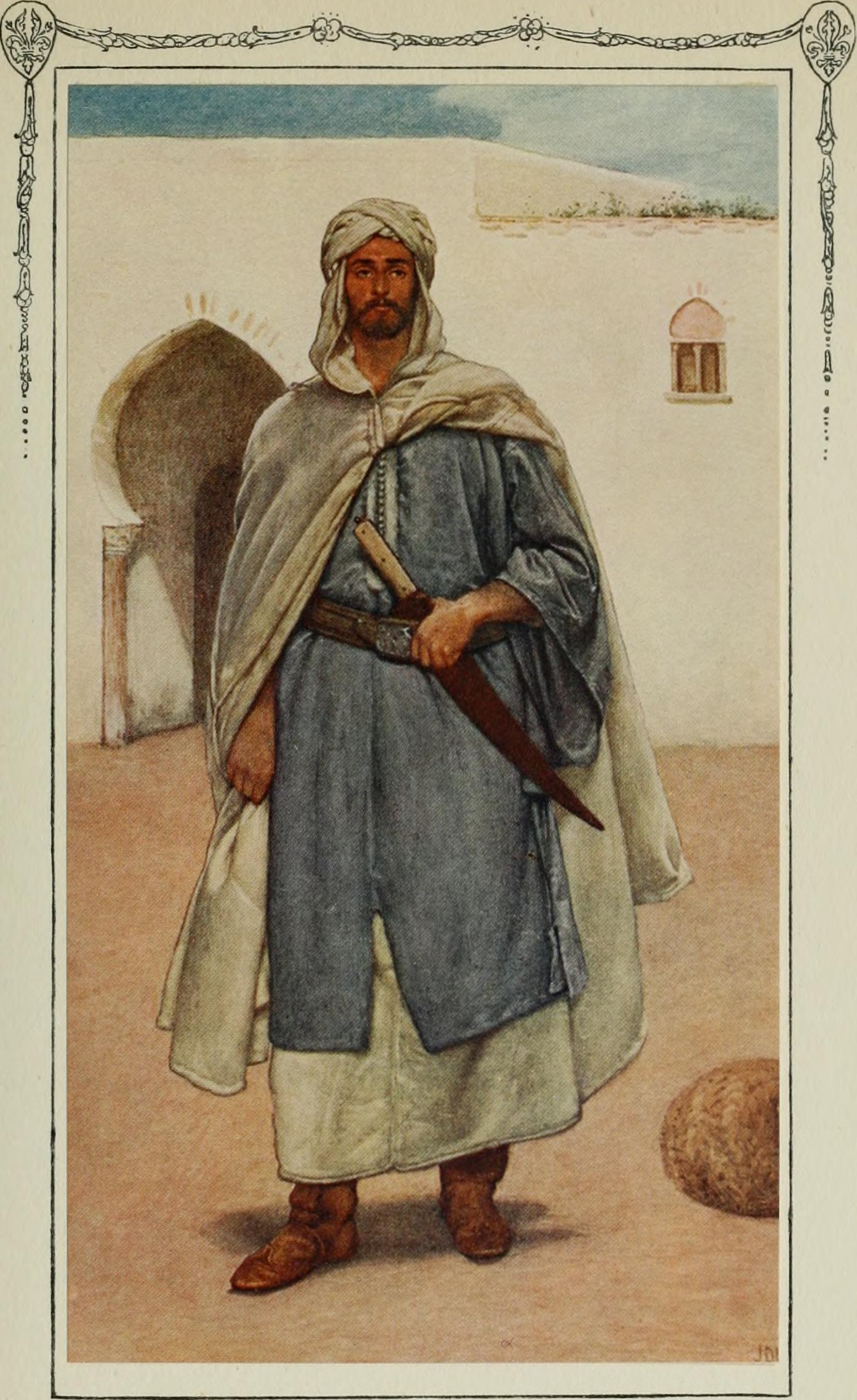
- The Prince of Morocco is clearly used to prejudice as his first words to Portia ask her not to judge him by his skin colour.
- Shylock and Jessica are judged harshly throughout the play for being Jewish in a Christian city.
- Shakespeare creates Shylock as a caricature of Jewish stereotypes.
- The constant prejudice against Shylock motivates his actions in the play.
-

- Hatred against Christians, particularly Antonio, drives Shylock throughout The Merchant of Venice.
- Shylock allows his hatred to grow to the point of wanting to kill Antonio by taking a pound of his flesh.
- Shylock's hateful nature drives Jessica to elope with Lorenzo.
-
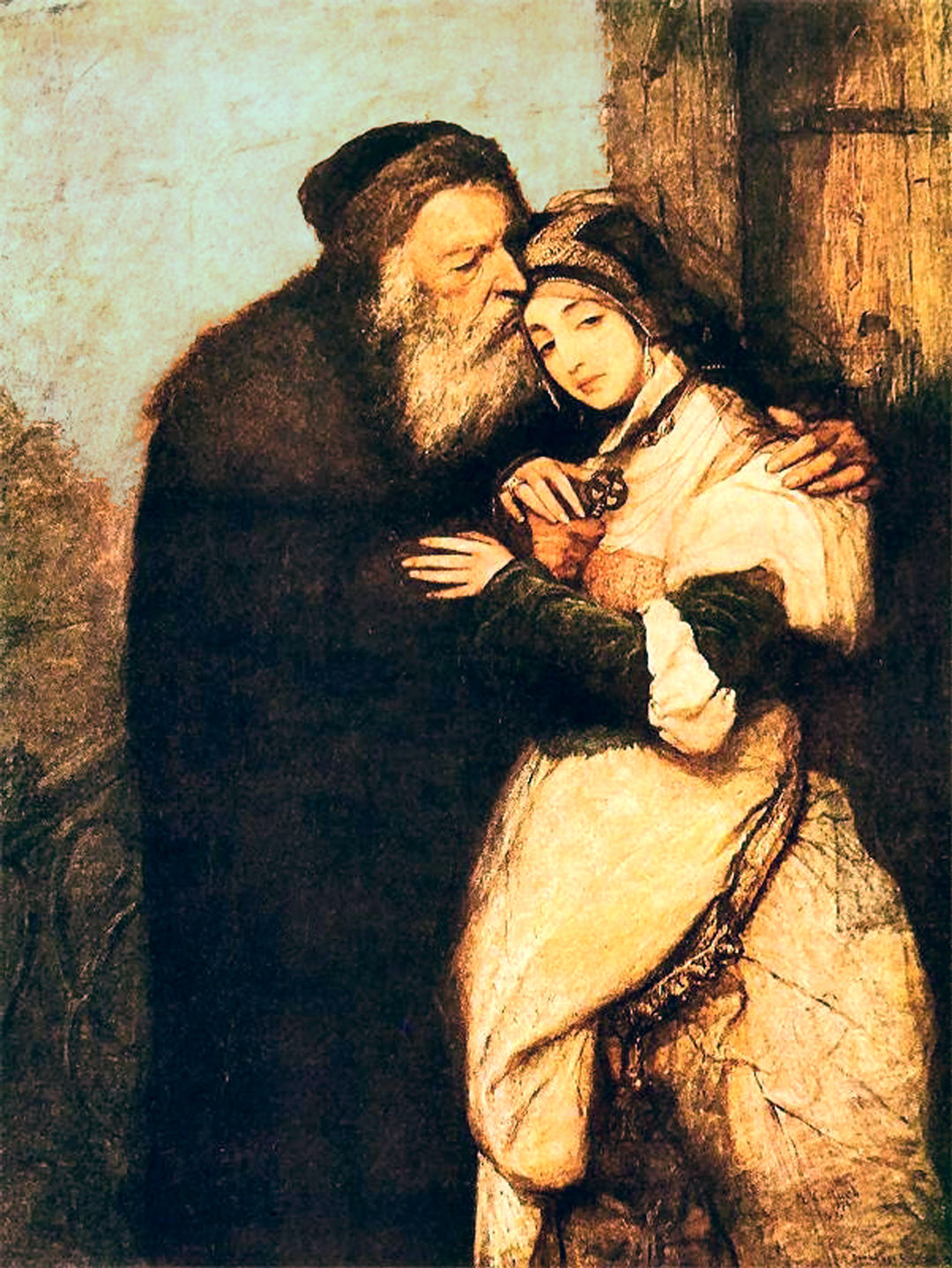
- Shylock is the only character in the play that does not want to show mercy.
- Despite this, Portia influences the others to show mercy on Shylock.
- When Shylock faces execution for his crimes, Portia persuades the Duke to pardon him.
- She then persuades Antonio to exercise mercy by not taking all of Shylock's money from him.
-

- The Merchant of Venice is structured partly on the contrast between idealistic and realistic opinions about society and relationships.
- The play tells us that love is more important than money, mercy is preferable to revenge, and love lasts forever.
- However, more cynical voices tell us that money rules the world, mercy alone cannot govern our lives, and love can evaporate after marriage.
-

- The most potent isolation in the play is caused by religious estrangement.
- Shylock is isolated because he is Jewish—his religious beliefs and cultural values remain fundamentally at odds with those of his fellow Venetians.
- Isolation is a fact of life for the characters, and it proves to be fairly insurmountable.
-

- The main example of choice in the play is the three caskets that are laid in front of Portia's suitors.
- There are more abstract choices in the play also. Antonio must choose between preserving his personal happiness as Bassanio's closest friend and enabling Bassanio to win a woman who will come between them.
- The greatest choices are often about the way people treat each other.
Informationen
- Beschreibung
- Der Nutzer hat seine Fachbereichs-Information gelöscht. Folienset am Themes in The Merchant of Venice, erstellt von Gelöschter Nutzer am 19/07/2017.
- Erstellt von
- Gelöschter Nutzer · Jul 2017
- Aktualisiert
- 19 Jul 2017
- Aufrufe
- 263
- Verlauf
-
- Erstellt von Antonia Blankenberg · 17 Jul 2017
- Kopiert von Antonia Blankenberg · 19 Jul 2017
- Bewertung