
Notizen
Medieval Prevention and Treatment
Inhalt der Notizen (4)
Seite 1
Treatment in the Medieval Era
Herbal medicines:
Often contained ingredients like honey and a concoction of plants that helped cure infections
Sometimes remedies were written in books called 'herbals'
This books gave specific details of the quantities and mixing process of these remedies
There were details of when to pick herbs too e.g. on the night of a full moon
These remedies were often closely kept family secrets
Bleeding:
This was the most favoured way of fighting illness and restore the four humours into balance
Bloodletting (or blood-letting) is the withdrawal of blood from a patient to cure or prevent illness and disease
It was done by either 'cupping' or utilising leeches
Illness was said to be caused by the body creating too much blood
Monks sometimes bled themselves eight times per year
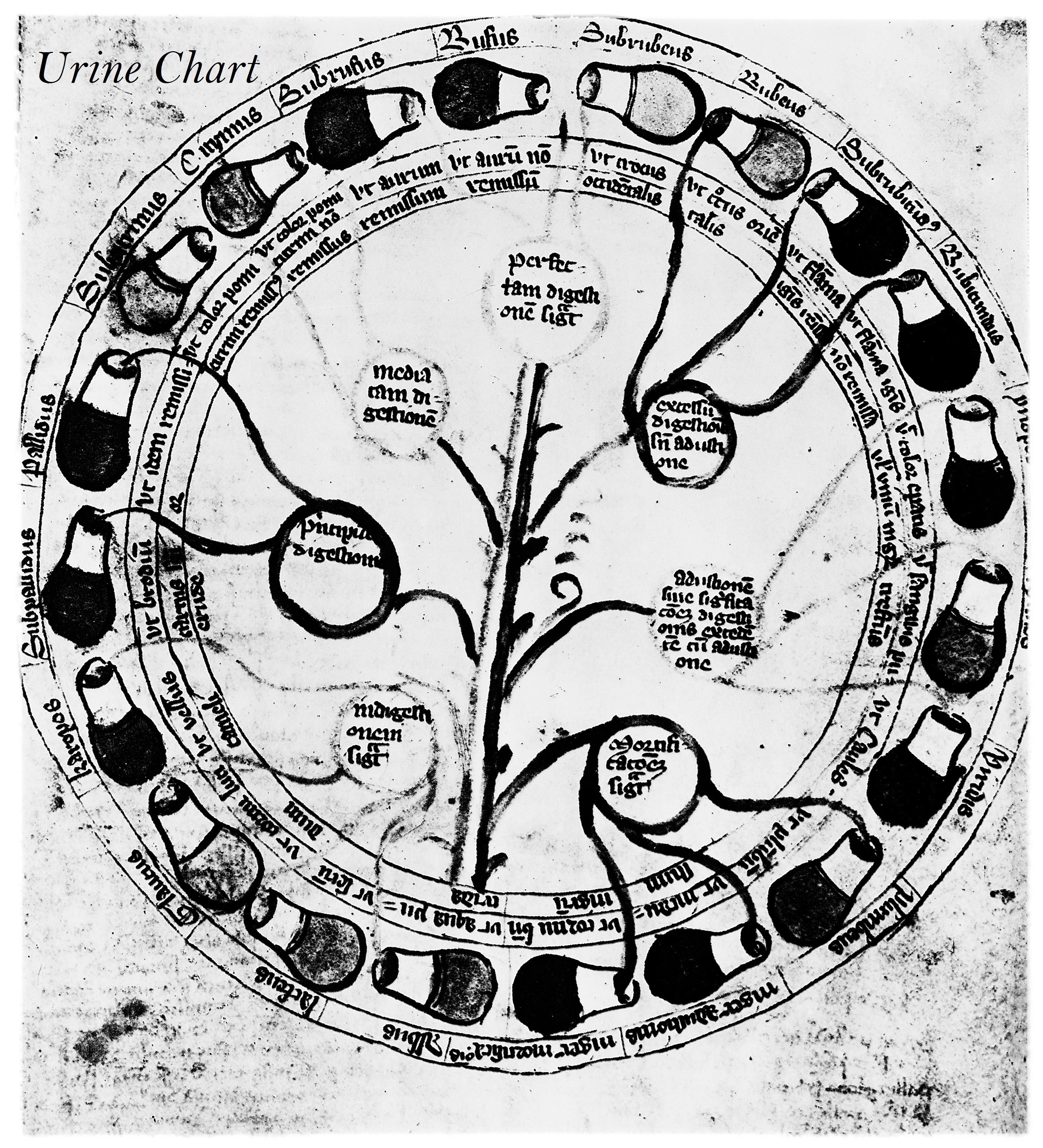
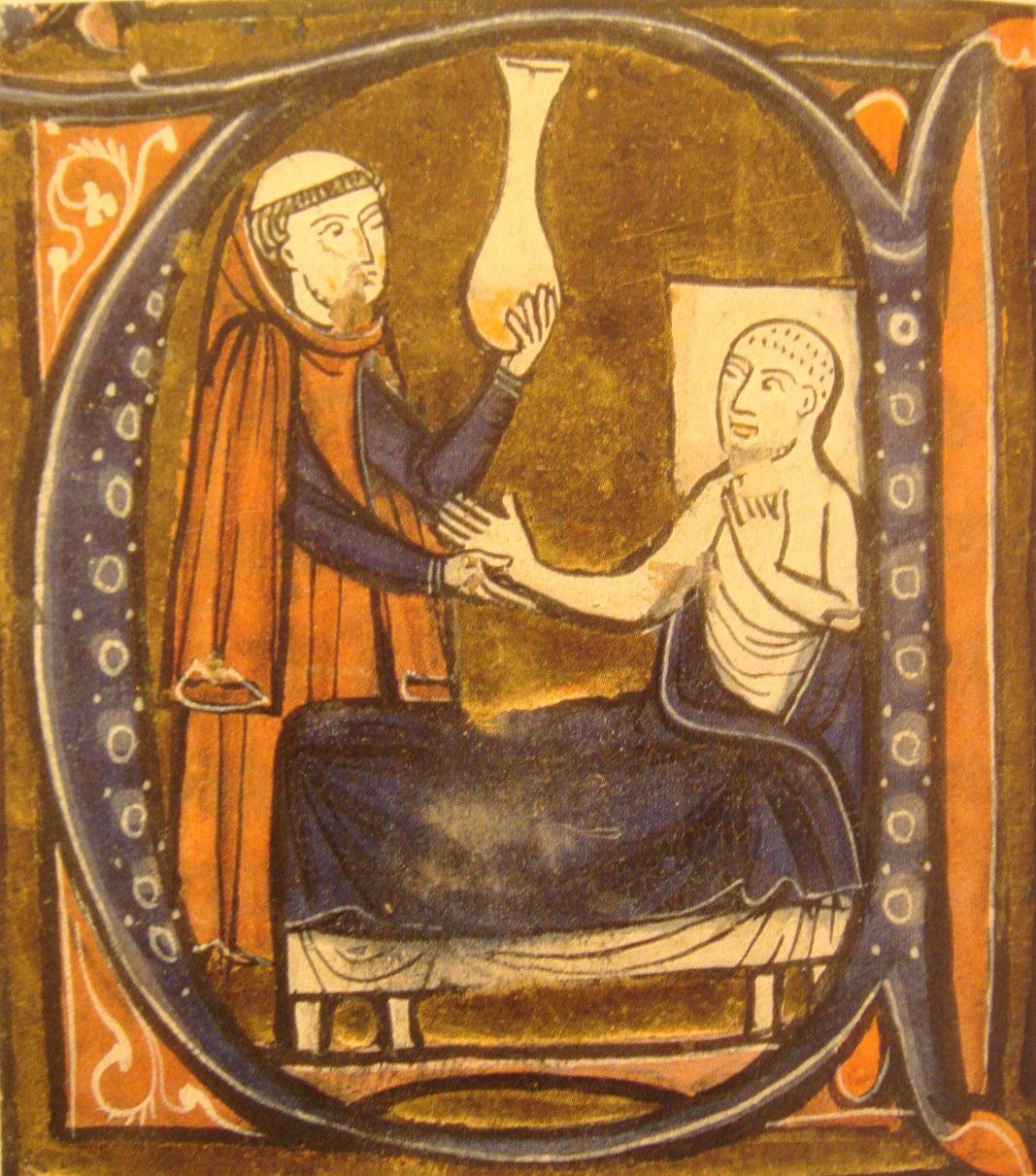
Urine in diagnosis and prescription:
A physician would look at the colour of urine and compare it to a chart
The remedy prescribed to the patient would depend on the diagnosis
Zodiac Chart:
These charts would indicate which parts of the body are linked to an astrological sign
This would then dictate the cure for a patient
The chart might also indicate the best time to carry out treatment or pick herbs for a remedy
Alchemy:
Often little difference between scientists and alchemists in medieval and early modern times
Alchemists were generally secretive about their own work, and many searched for the 'Elixir of Life'
This new medicine made from repeatedly distilling vinegar was meant to remove all impurities from the body
Sometimes medicines were made with strong poisons to make a patient violently sick, thus being seen to prevent disease
Gullible people were prepared to pay large sums of money to alchemists in order to achieve longer life
Soothsayers:
With very few qualified doctors in medieval England people often depended on a local 'wise woman'
These women would build up knowledge over generations regarding sickness and disease
They would collect plants, herbs, special stones and anything that might help to protect against evil
At the time, most people believed illness and disease was caused by evil
Seite 2
Barber Surgeons and Leeches
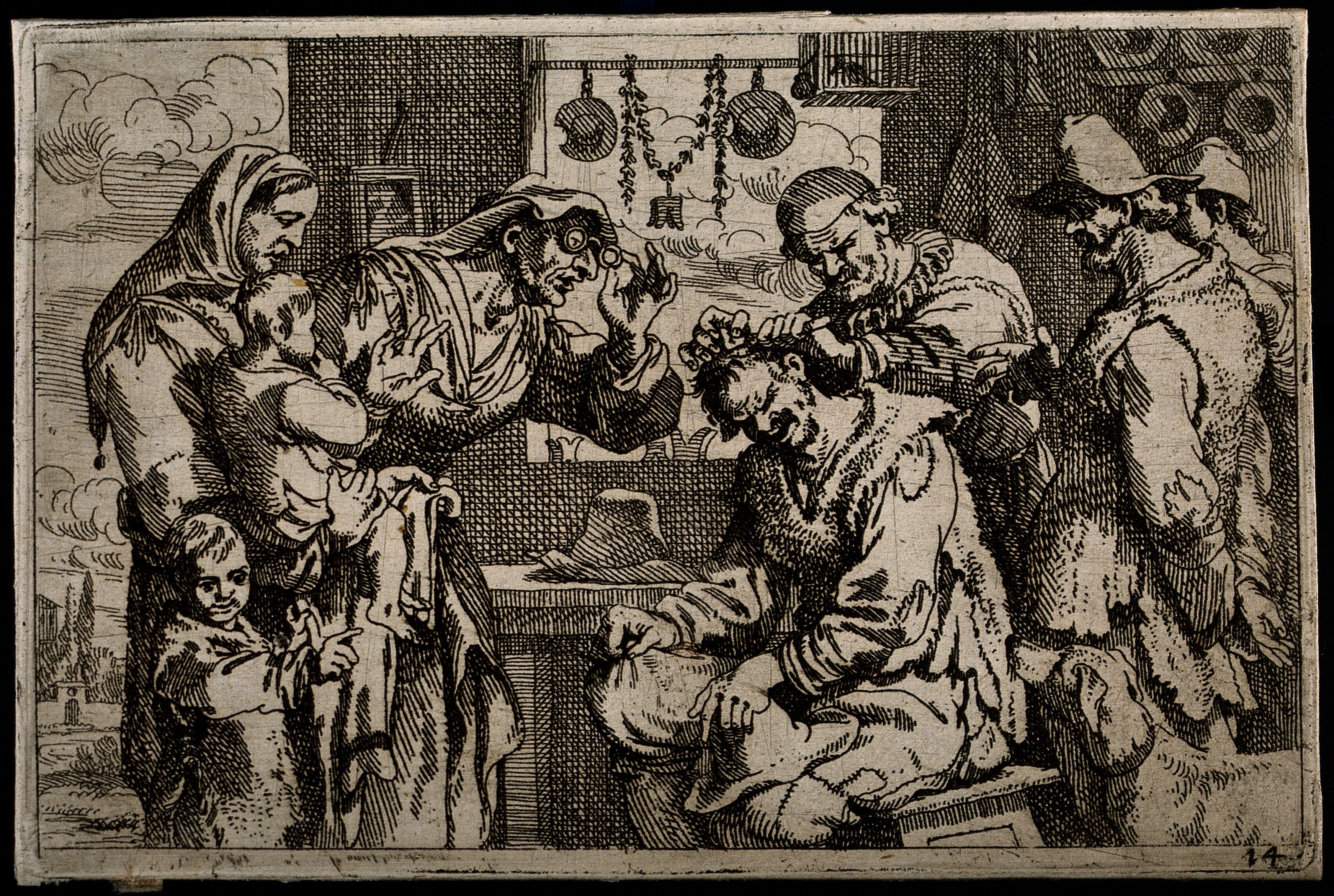
Barber-surgeon:
During the medieval period, most surgeons were barber-surgeons (little training or medical knowledge). They usually did apprenticeships and gained experience before practising. They would mend broken limbs, pull teeth, carry out bloodletting and cut hair. Sometimes they would combine their trade with apothecary. This means they would produce herbal medicines too.
Use of leeches:
Leeches have been part of medical care the last 2,500 years. They act to suck blood from the body, in a sense a natural form of bloodletting. Their saliva contains a natural anti-coagulant which acts as an anaesthetic. This helps to reduce the pain from the bite of a leech.
In the medieval era, people believed that leeches only removed 'impure' blood and left the 'good' blood behind. The use of leeches continued well into the nineteenth century where they almost went extinct. While they are still used in some procedures today.
Seite 3
Christianity: Health and Medicine
In the medieval period, hospitals were religious institutions that played a different role from what we witness today. In medieval hospitals there was a focus on the health of the soul over the body with a higher emphasis on religion and care rather than treatment and cure. Close to all medieval hospitals were run by the church and the building of monasteries in the 12th century led to a huge increase in the number of hospitals established between the 12th and 14th centuries. Monks, before Henry VIII abolished monasteries, acted as apothecaries who made their own herbal remedies to provide simple medical care in medieval times.
Throughout England and Wales over 1,100 hospitals were set up in the medieval period. These hospitals varied in size but most were small and cared for no more than a dozen patients.
Seite 4
Medieval Hospitality
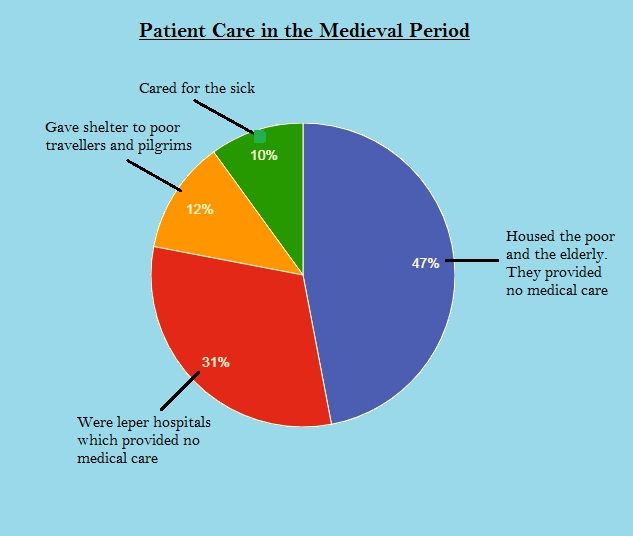
Even with the drastic growth in the amount of hospitals, only about 10% cared for the sick. These places were called hospitals because they specialised in 'hospitality', a place for rest and recuperation. For example, St Bartholomew's in London looked after destitute women who were pregnant and supported the infants of mothers who died during childbirth.
Leper hospitals:
This was an incurable and contagious disease during the medieval period
A leprosy epidemic during the 12th and 13th centuries brought a growth to specific leprosy hospitals
Leprosy caused horrible bodily deformity and lepers were forced to ring a bell as they walked
Many thought this disease was a punishment from God
Leper hospitals were built on the outskirts of the town and provided lodging and food
Almshouses:
Similar to a modern care home
Created in response to an aging population
Almshouses offered sheltered accommodation and basic nursing, but no medical treatment
Most were small; occupied by a priest and a dozen inmates
Almshouses also gave shelter to travellers and the poor
Christian hospitals:
These were established and fully funded by the church to look after the poor and sick
They did not treat sickness but aimed to make patients comfortable
People who were seriously ill and in need of constant care were often not let in, as they would distract from the main purposes of attending religious services and prayer
Basic nursing with regular meals and sometimes surgery and medicine
Staff were often brothers and sisters in religious orders but did not attempt to cure them
Doctors were very scarce e.g. St Bartholomew's which was founded in 1123 appointed its first doctor in the 16th century
Hospitals were religious institutions often referred to as the 'Houses of God'
Patients were expected to spend much of the day praying and confessing sins
It was believed these people were poor and sick because of their sin and they needed to rid themselves of this
Informationen
- Beschreibung
- Der Nutzer hat seine Fachbereichs-Information gelöscht. Notiz am Medieval Prevention and Treatment, erstellt von Gelöschter Nutzer am 19/07/2017.
- Erstellt von
- Gelöschter Nutzer · Jul 2017
- Aktualisiert
- 19 Jul 2017
- Aufrufe
- 23
- Verlauf
-
- Erstellt von Andrew Burke · 19 Jul 2017
- Kopiert von Andrew Burke · 19 Jul 2017
- Bewertung