Theorists
Folien in diesem Satz (9)
-
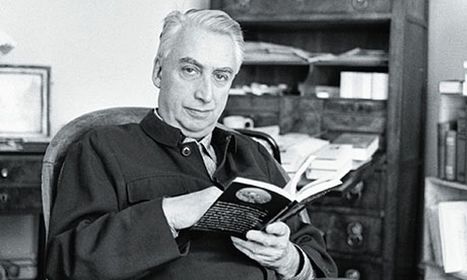
- Barthes suggested that there will be one or more of the 5 codes that describe the meaning of a text.
- Barthes said that texts may be 'open' or 'closed'.
-
- Hermeneutic / Enigma Code
- Proairetic / Action Code
- Semantic Code
- Symbolic Code
- Referential Code
-
- This code refers to mystery within a text.
- Clues are dropped, but no clear answers are given.
- Enigmas within the narrative make the audience want to know more.
- Unanswered enigmas tend to frustrate the audience.
-
- This code contains sequential elements of action in the text.
- Proairetic elements add suspense to the text.
-
- This code refers to parts within the text that suggest or refers to additional meanings.
- Elements of the semantic code are called Semes.
- The seme has a connotative function in the text.
- It has an extra layer of meaning in addition to its literal meaning.
-
- This code is about symbolism within the text
- It exercises opposites to show contrast and create greater meaning, creating tension, drama and character development.
-
- This code refers to anything in the text which refers to an external body of knowledge such as scientific, historical and cultural knowledge.
-
- Vladimir Propp developed a character theory for studying media texts and productions, which indicates that there were 7 broad character types in the 100 tales he analysed, which could be applied to other media: The villain (struggles against the hero) The donor (prepares the hero or gives the hero some magical object)
-
- Strauss argued that all narratives could be reduced down to binary opposites. For example:
- weak vs strong
- good vs evil
- Americans vs Native Americans