
Karteikarten
Biology 3.1.3 Translocation
Karten in diesem Stapel (18)
- 1What is translocation?The movement of assimilates (products from photosynthesis) up and down the plant in the phloem
- 2Where are assimilates loaded into the phloem?Sources (where they get assimilates)
- 3Where are assimilates removed from the phloem?Sinks (where assimilates are needed)
- 4In which way do assimilates flow: source to sink, or sink to sourceSource to sink
- 5Give an example of how a leaf can be a source and a sink at different timesSource - when photosynthesising, the leaves provide glucose
Sink - when growing the leaves need assimilates - 6Give an example of how roots can be a source and a sink at different timesSource - when sucrose transports sucrose to the leaves during growing season
Sink - sucrose can be stored in the roots while the plant is photosynthesising so that it has sucrose for when it can't (night) - 7Describe the term mass flowWater moves in at the source and out at the sink, creating a hydrostatic pressure difference. This forces the sap to move from source to sink via mass flow
- 8What is hydrostatic pressure?How turgid the cell is
- 9How are assimilates loaded into the source? (refer to water potential and transport processes)Sucrose is loaded into the sieve tube elements via active transport, lowering the water potential inside the sieve tube, resulting in water moving into the sieve tube via osmosis, increasing the hydrostatic pressure
- 10How are assimilates removed from the phloem at the sink? How is the hydrostatic pressure gradient maintained?Sucrose diffuses out of the sink down the concentration gradient, increasing the water potential. Therefore, water follows the sucrose out of the sieve element via osmosis, decreasing the hydrostatic pressure in the phloem, maintaining the mass flow gradient
- 11What are the two routes in which sucrose is loaded into the phloem? Describe themSymplast - sucrose moves to companion cell through he plasmodesmata
Apoplast - Sucrose passes across the cell wall into the companion cell, using the movement of H+ ions - 12In what form are assimilates transported around the plant (what substance)? Why?Sucrose - less metabolic so wont react along its way to the sink. Also is soluble so can be transported in sap
- 13What process allows sucrose molecules to pass into the phloem?Active loading
- 14Describe the process of active loadingH+ ions are pumped out of the companion cells via active transport, leading to a higher concentration of H+ outside the cell than inside. The H+ ions then go back into the companion cell down the concentration gradient via co-transporter proteins (facilitated diffusion). The H+ carry the sucrose with them against the concentration gradient
- 15What protein transports H+ ions back into the companion cell?Co-transporter proteins
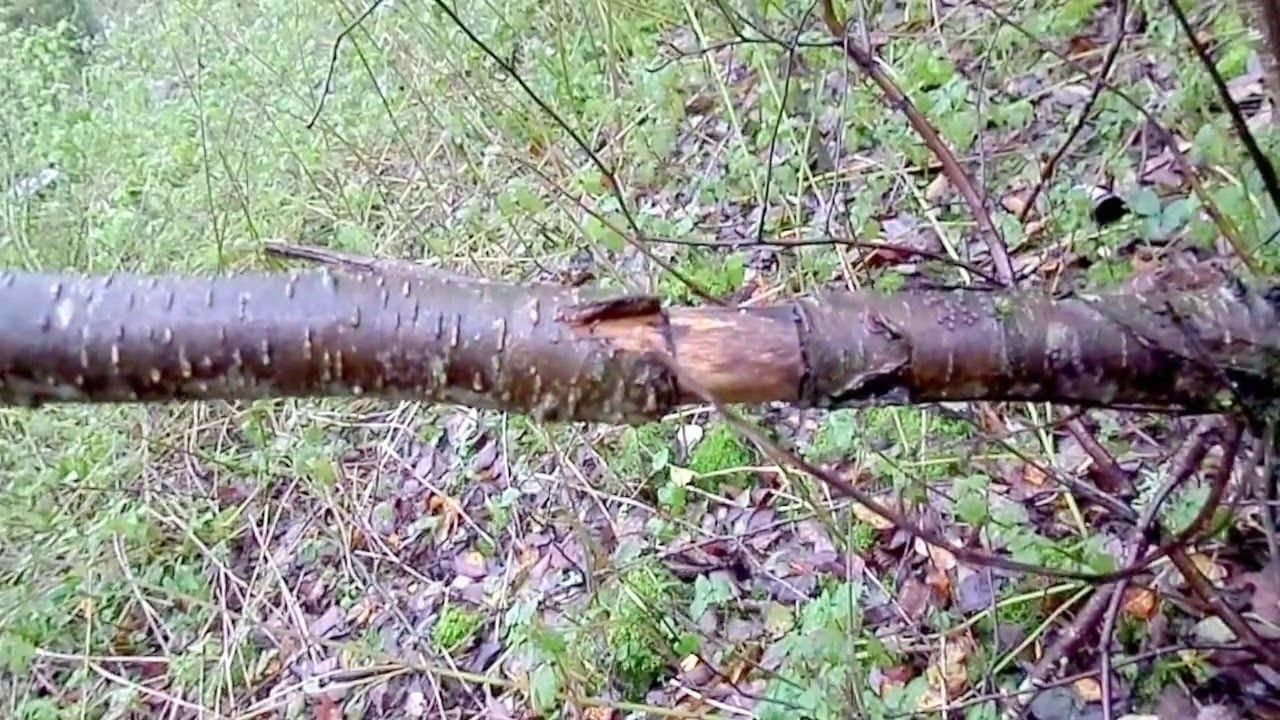
- 16What is tree ringing? What happens? How does it support the idea of phloem?When a circle of bark is cut off around a tree. As a result, a lump will form above the ring in summer as sucrose is going from the leaves to root to be stored, but is blocked, showing that an internal transport system is used to transport substances (phloem)
- 17How do we know that active loading requires energy (ATP)?Companion cells have lots of mitochondria and metabolic poisons stop it
- 18What evidence is there against the theory of translocation?Sucrose moves at the same rate across the whole plant rather than changing speeds at differing concentrations as it should
Informationen
- Beschreibung
- Der Nutzer hat seine Fachbereichs-Information gelöscht. Karteikarten am Biology 3.1.3 Translocation, erstellt von Gelöschter Nutzer am 22/04/2019.
- Erstellt von
- Gelöschter Nutzer
- Aufrufe
- 25
- Verlauf
-
- Erstellt von Sam Gunnell · 17 Apr 2019
- Kopiert von Sam Gunnell · 22 Apr 2019
- Bewertung