
13652620
Description

Flashcards by Isleworth Physics, updated more than 1 year ago
|
|
Created by Isleworth Physics
over 8 years ago
|
|
| Question | Answer |
| Draw the circuit symbols for: switch open, switch closed, cell, battery, diode, resistor, variable resistor, LED (light emitting diode), lamp, fuse, voltmeter, ammeter, thermistor, LDR | |
| What is current? | |
| What must there also be in a closed circuit for electrical charge to flow? | |
| What is another word for potential difference? |
Image:
V3 (binary/octet-stream)
|
| What is the formula that links charge, current and time? |
Image:
Qit (binary/octet-stream)
|
| What are the units for charge? |
Image:
C2 (binary/octet-stream)
|
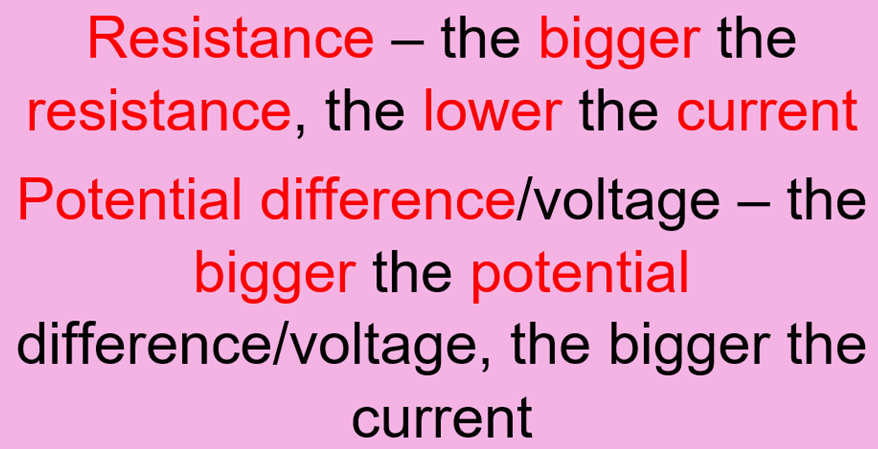
| What two things affect the size of the current flowing in a circuit? |
Image:
Rv (binary/octet-stream)
|
| What is the formula that links potential difference, current and resistance? |
Image:
Vir (binary/octet-stream)
|
| What are the units for resistance? |
Image:
Ohms (binary/octet-stream)
|
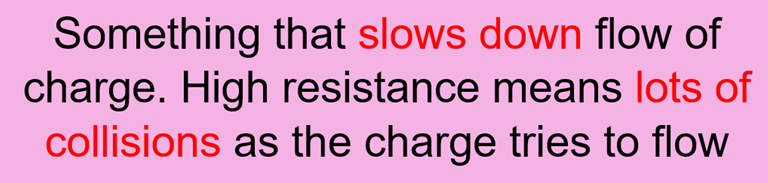
| What is resistance? |
Image:
Rrrr (binary/octet-stream)
|
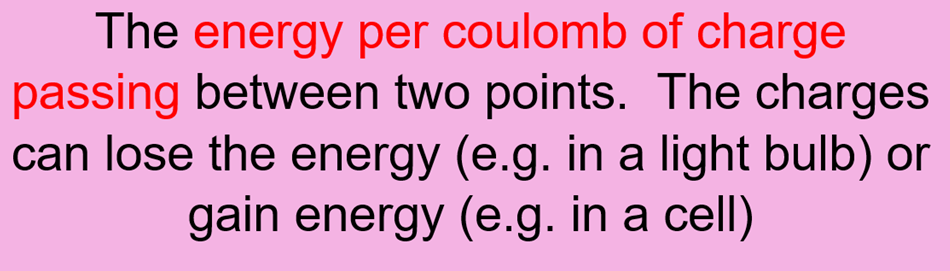
| What is potential difference? |
Image:
E (binary/octet-stream)
|
| Where in a circuit should you always put an ammeter? |
Image:
Series (binary/octet-stream)
|
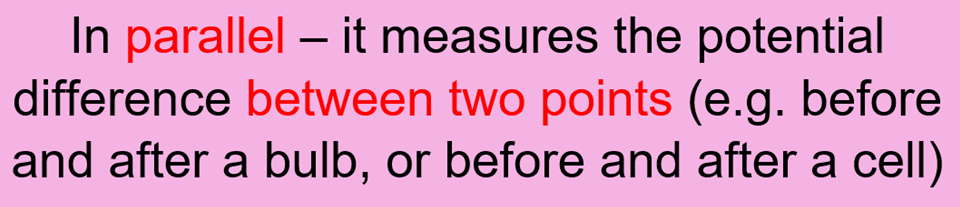
| Where in a circuit should you always put a voltmeter? |
Image:
Par (binary/octet-stream)
|
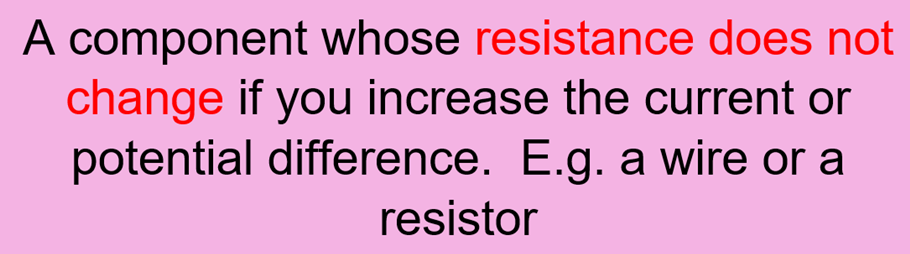
| What is an ohmic conductor? Give an example. |
Image:
Or (binary/octet-stream)
|
| What is the mathematical relationship between current and voltage for an ohmic conductor? | |
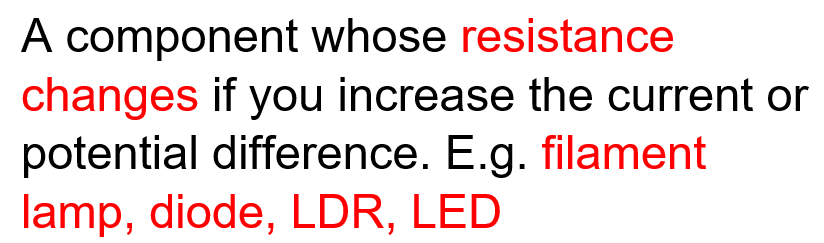
| What is a non-ohmic conductor? Give two examples | |
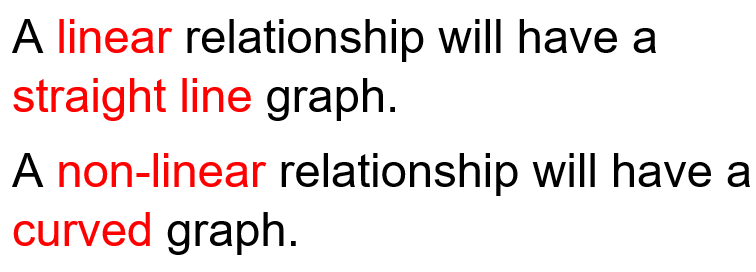
| What is the difference between a linear and non-linear relation | |
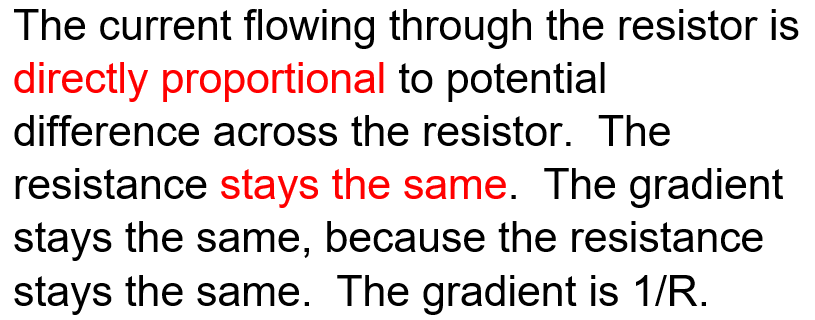
| What is the I-V (current-voltage) graph for a resistor? | |
| Why is the I-V graph for a resistor that shape? | |
| What is the mathematical relationship between I and V for the resistor graph? How do you know? | |
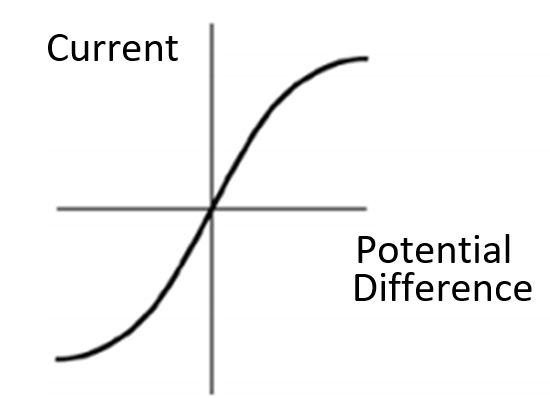
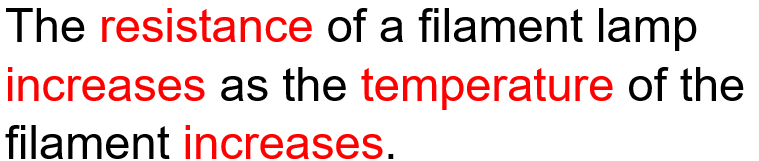
| What is the I-V graph for a filament lamp? | |
| Why is the I-V graph for a filament lamp that shape? | |
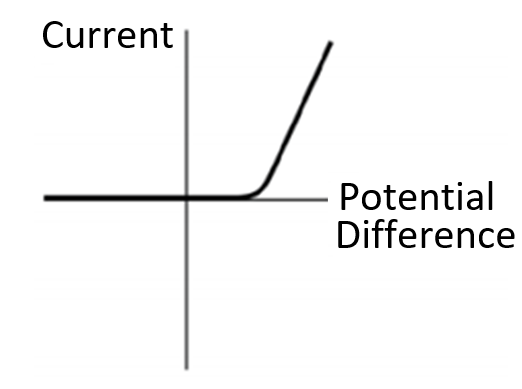
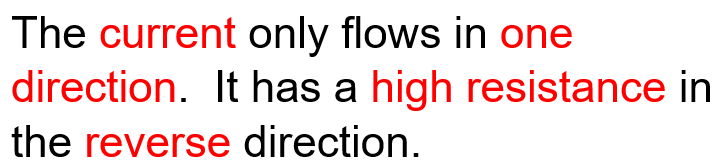
| What is the I-V (current-voltage) graph for a diode? | |
| Why is the I-V graph for a diode that shape? | |
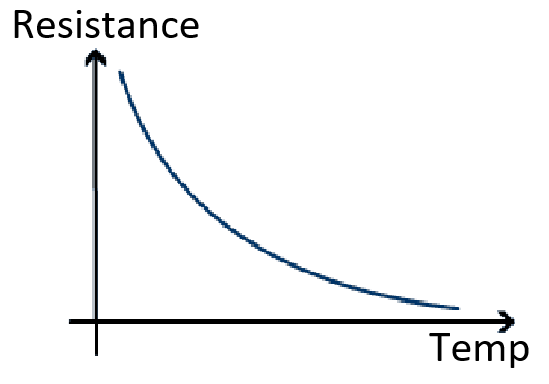
| How does the resistance of a thermistor change with temperature? | |
| Sketch a resistance-temperature graph for a thermistor | |
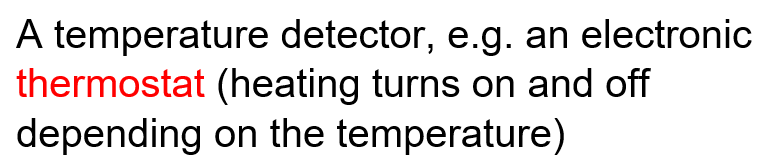
| What is a thermistor used for? | |
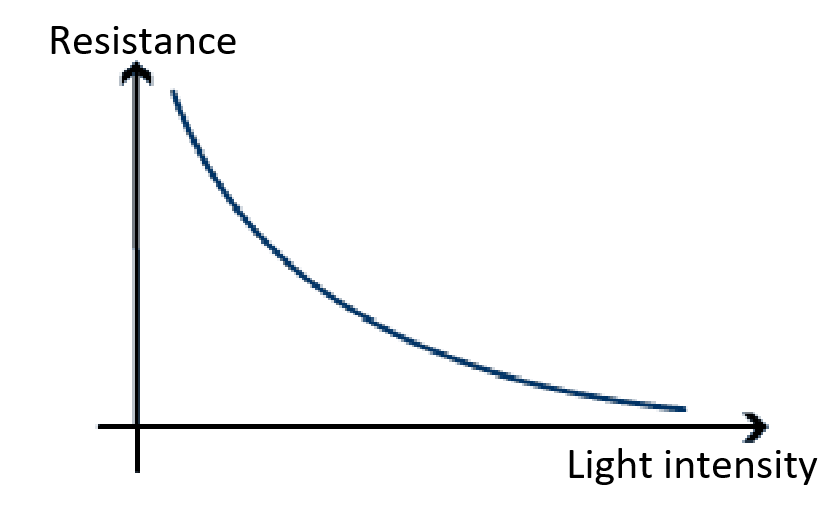
| How does the resistance of an LDR change with light intensity? | |
| Sketch a resistance-light intensity graph for an LDR | |
| What is an LDR used for? | |
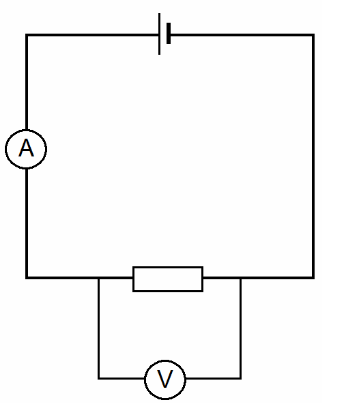
| Sketch the circuit diagram used to find the resistance of a component (by measuring the current through it and the potential difference across it) | |
| What happens if you remove a component in a series circuit? | |
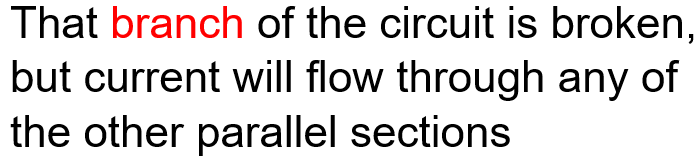
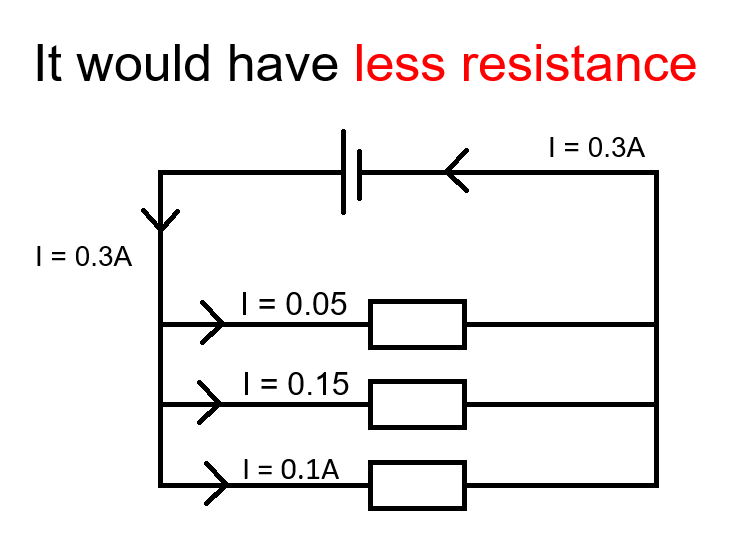
| What happens if you remove a component in a parallel circuit? | |
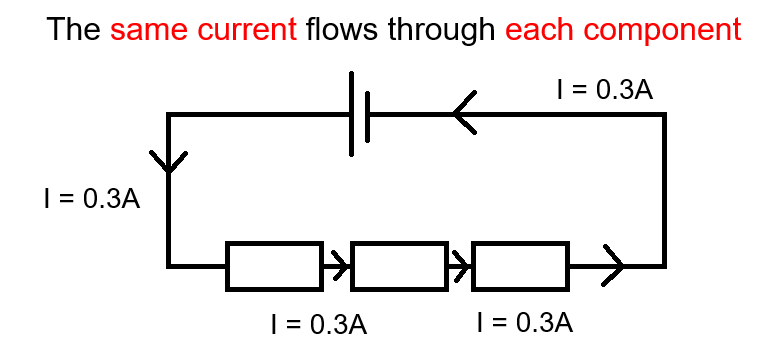
| What is the rule for current in a series circuit? | |
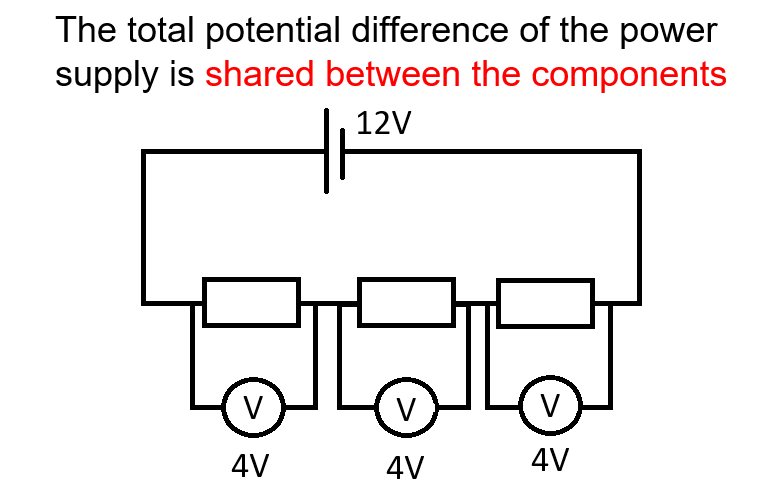
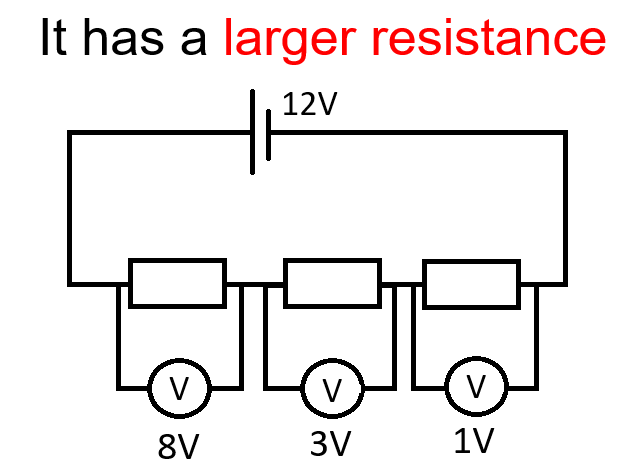
| How is the potential difference of the power supply given to components in a series circuit? | |
| What would cause one component in a series circuit to get a bigger share of the potential difference from the supply? | |
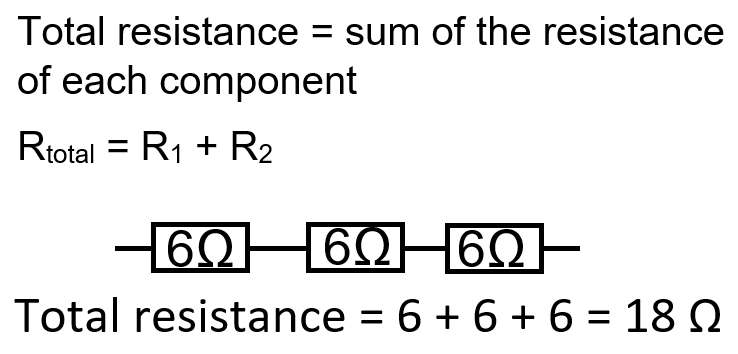
| How could you find the total resistance of components in series? | |
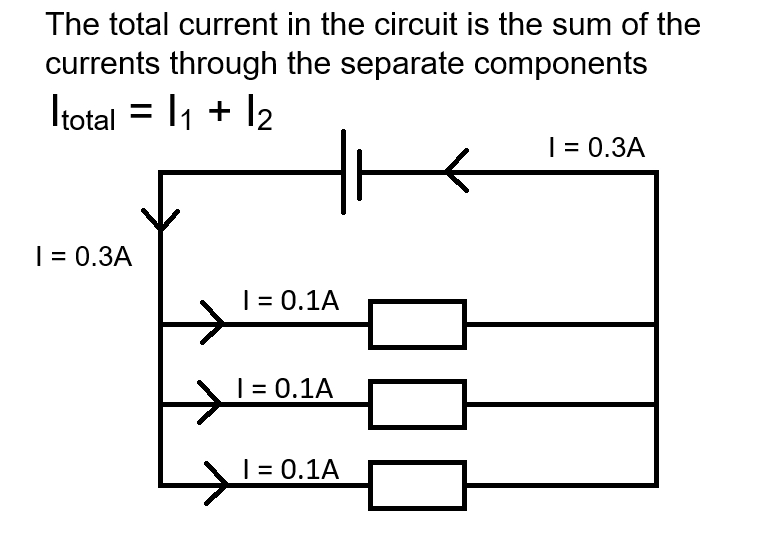
| What is the rule for current in a parallel circuit? | |
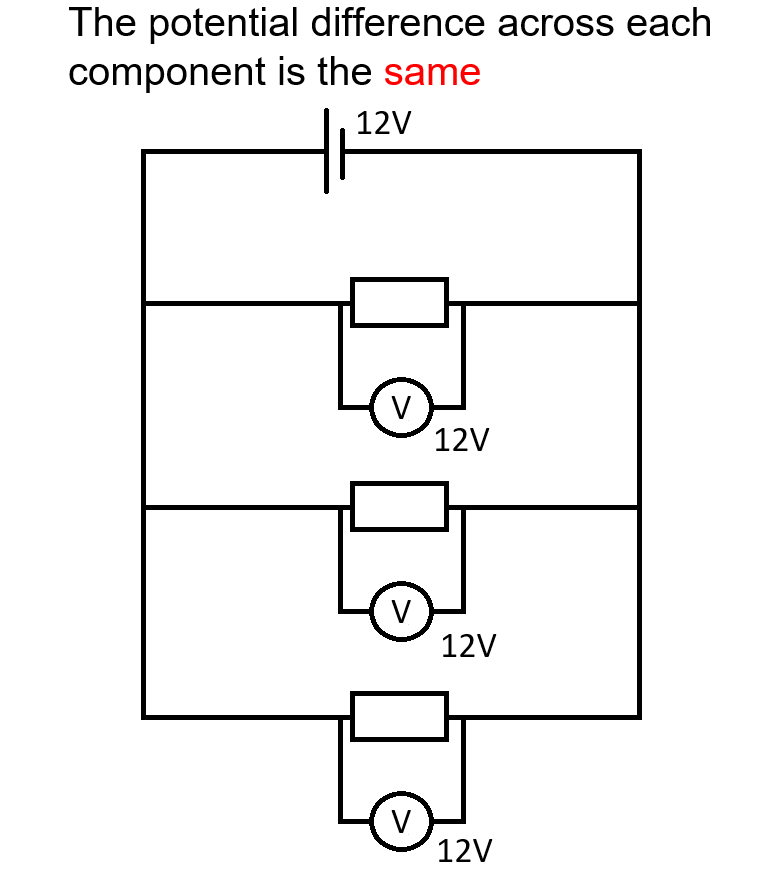
| How is the potential difference of the power supply given to components in a parallel circuit? | |
| What would cause one component in a parallel circuit to get a bigger share of the current? | |
| What is the total resistance of two resistance in a parallel circuit always less than? | |
| In the UK, the mains supply has a frequency of 50Hz. What does this mean? | |
| What is direct current (DC)? Give an example of something that provides DC? | |
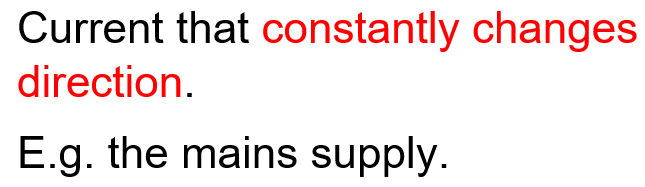
| What is alternating current (AC)? Give an example of something that provides AC? | |
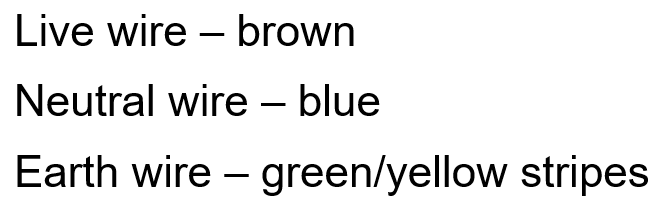
| List the names and colours of the wires inside a 3-pin plug | |
| Why are the wires in a plug made of copper? | |
| Why are the cables and the plug covered in plastic or rubber? | |
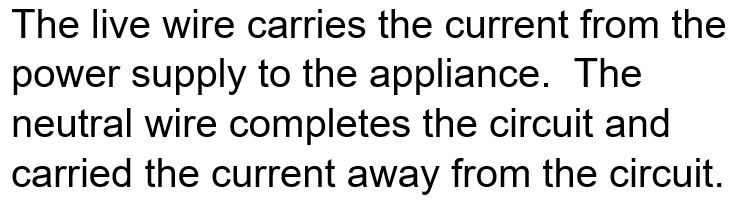
| How are the live and neutral wires connected to an appliance? | |
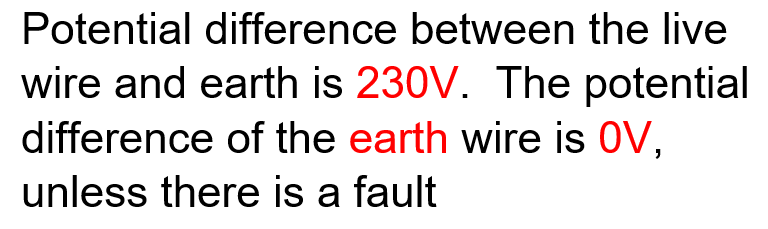
| What is the potential difference between the live wire and the earth wire? | |
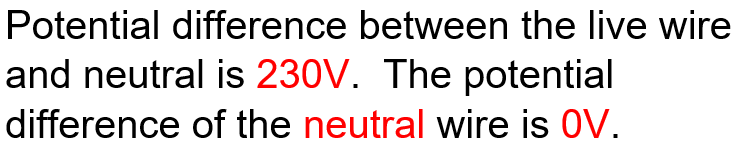
| What is the potential difference between the live wire and the neutral wire? | |
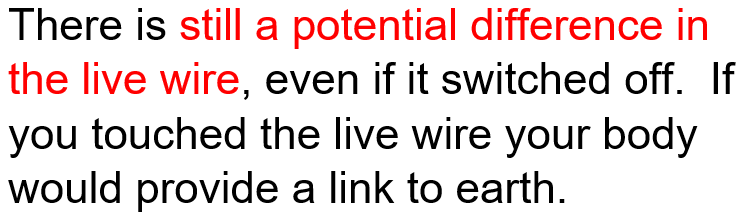
| Why is there still a danger of electric shock from a plug/light switch even if it is switched off? | |
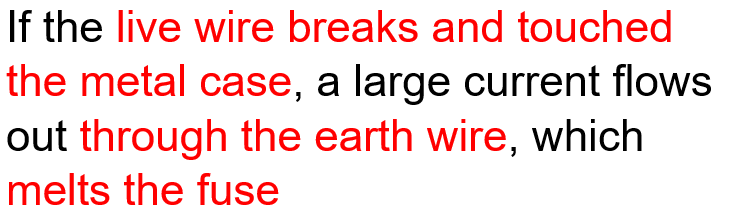
| What is the job of the earth wire? | |
| How do the earth wire and fuse work together to protect the user? | |
| When charge flows through a resistor, what energy store is the energy transferred into? | |
| When charge flows through a kettle, what energy store is the energy transferred into? | |
| What does work done mean? | |
| What two things affect the amount of energy transferred by an electrical appliance? | |
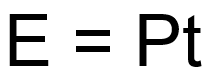
| What is the formula that links energy transferred, power and time | |
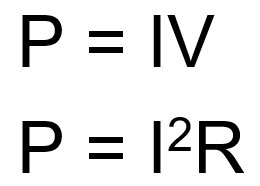
| What are the two formulae that link power, potential difference, current and resistance? | |
| If an appliance has a high power rating, what does this mean? | |
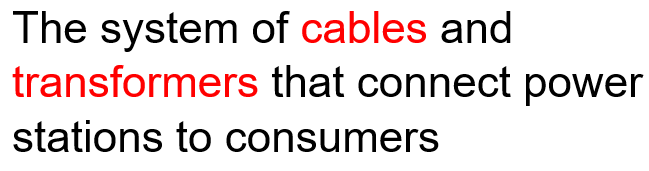
| What is the National Grid? | |
| What is a step-up transformer? | |
| What is a step-down transformer? | |
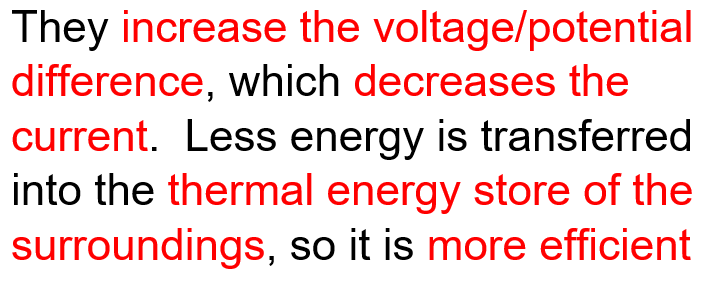
| Explain why step-up transformers are used in the national grid | |
| Explain why step-down transformers are used in the National Grid | |
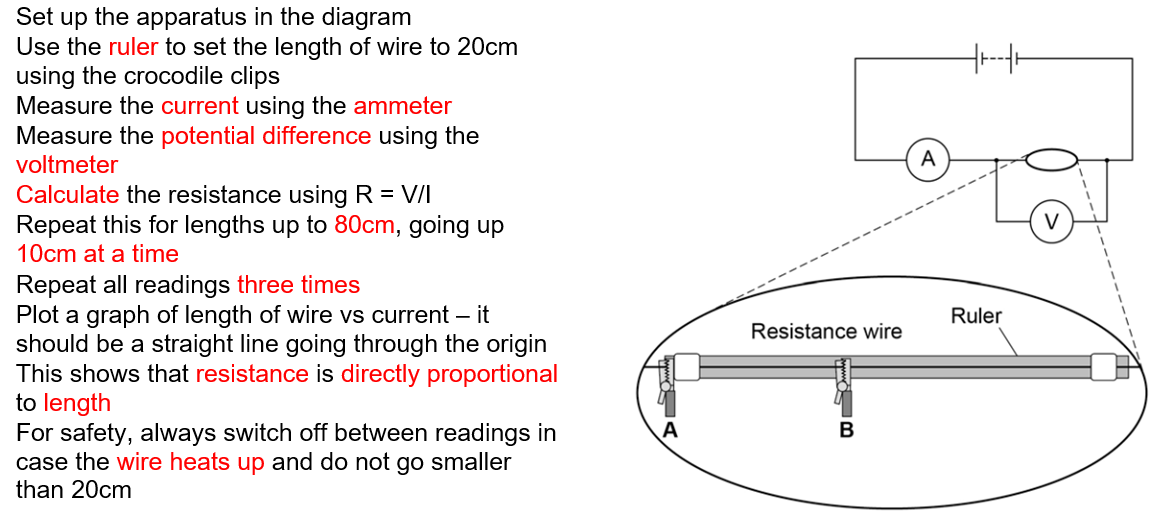
| Describe how to carry out a practical to investigate how the length of a wire affects its resistance | |
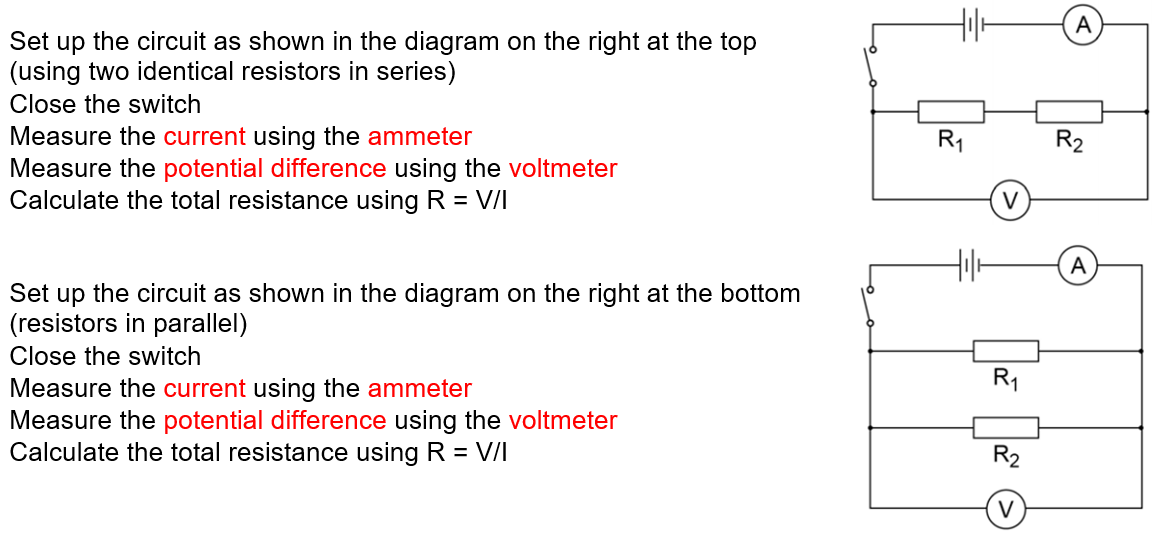
| Describe how to carry out a practical to investigate the resistance of resistors in series and parallel | |
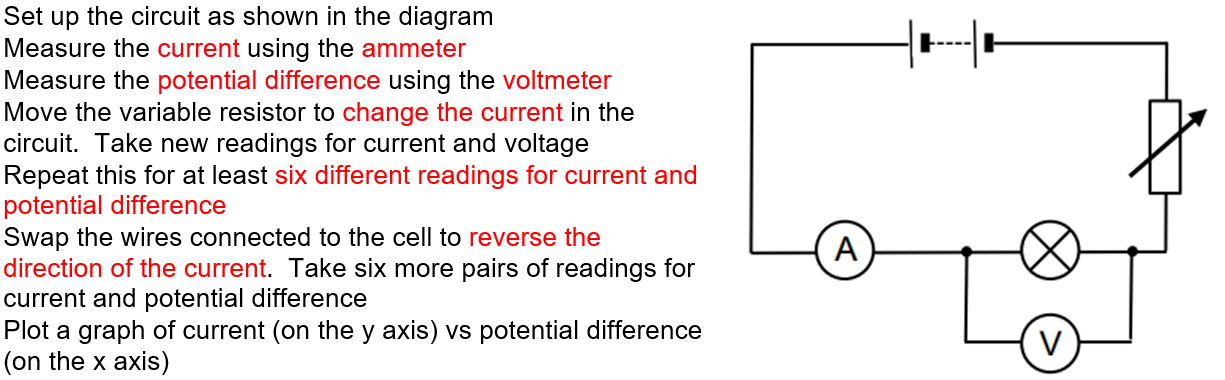
| Describe how to carry out a practical to find the I-V (current-voltage) characteristics of a component, e.g. a filament lamp, diode or resistor | |
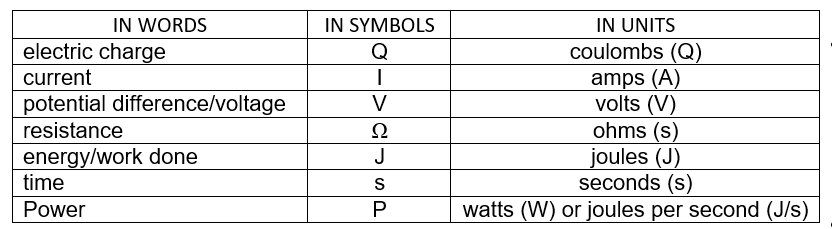
| Symbols, names and units for equations |



























Want to create your own Flashcards for free with GoConqr? Learn more.