
14329907
Description

Flashcards by Corey Smithfield, updated more than 1 year ago

|
Created by Corey Smithfield
over 7 years ago
|
|
| Question | Answer |
|
Image:
280 (binary/octet-stream)
|
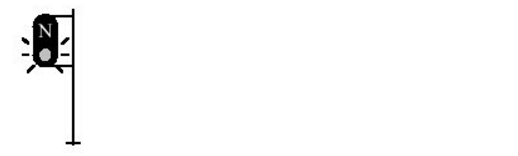
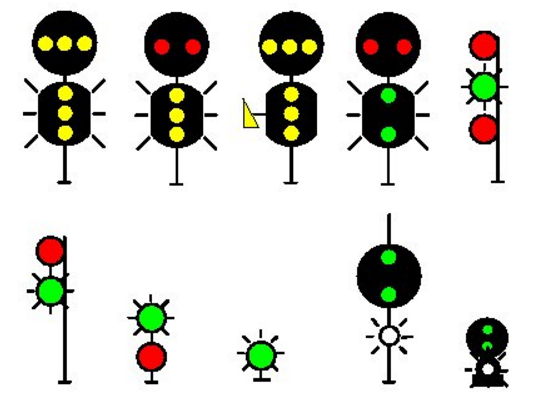
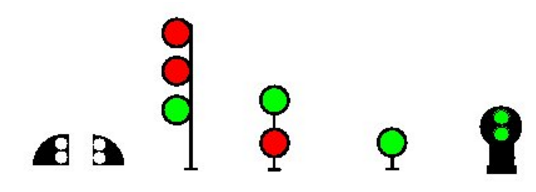
Clear to Next Interlocking Trains with inoperative cab signals, automatic train stop or speed control must proceed on fixed signal indication, (and cab signal indication, if operable) not exceeding 79 MPH. Trains with inoperative cab signals must approach the next home signal prepared to stop, unless Approach Normal (Rule 280b) is displayed on a distant signal prior to the home signal |
|
Image:
281 (binary/octet-stream)
|
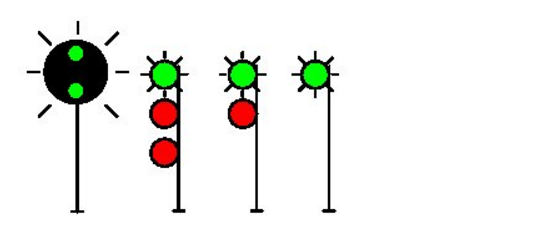
Approach Normal Trains without operative cab signals must proceed on fixed signal indication not exceeding 79 MPH. |
|
Image:
282 (binary/octet-stream)
|
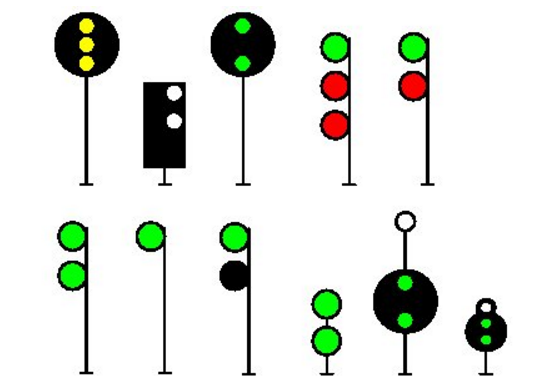
Clear Proceed not exceeding Normal Speed. |
|
Image:
283 (binary/octet-stream)
|
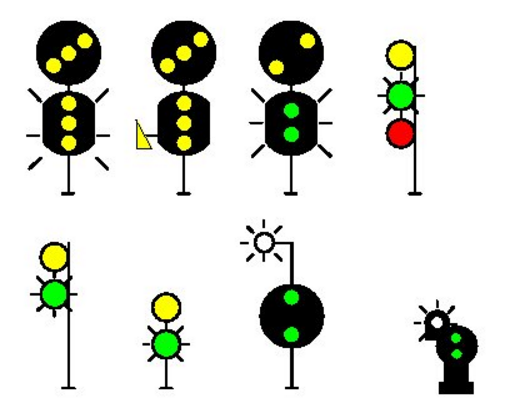
Cab Speed Proceed in accordance with cab signal indication. Reduce speed to not exceeding 60 MPH if Cab Speed cab signal is displayed without a signal speed, or if cab signals are not operative. |
|
Image:
284 (binary/octet-stream)
|
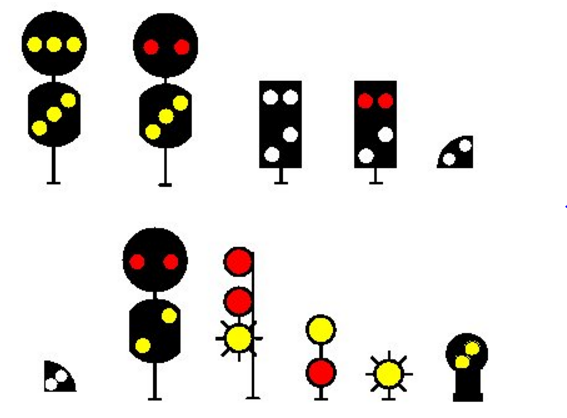
Approach Limited Proceed approaching the next signal at Limited Speed. |
|
Image:
285 (binary/octet-stream)
|
Limited Clear Proceed at Limited Speed until entire train clears all interlocking or spring switches, then proceed at Normal Speed. In CSS territory with fixed automatic block signals, trains not equipped with operative cab signals must approach the next signal at Limited Speed. |
|
Image:
286 (binary/octet-stream)
|
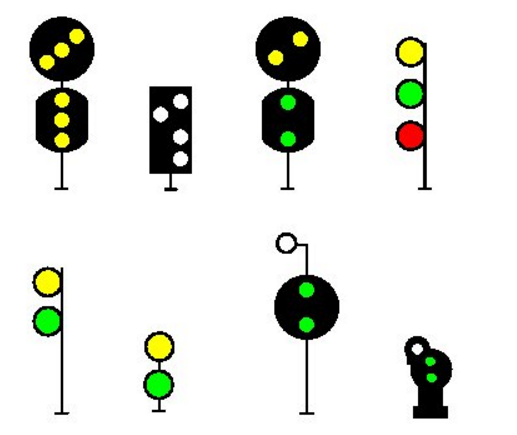
Approach Medium Proceed approaching the next signal at Medium Speed. |
|
Image:
287 (binary/octet-stream)
|
Advance Approach Proceed prepared to stop at the second signal. Trains exceeding Limited Speed must begin reduction to Limited Speed as soon as engine passes the Advance Approach signal. |
|
Image:
288 (binary/octet-stream)
|
Medium Clear Proceed at Medium Speed until entire train clears all interlocking or spring switches, then proceed at Normal Speed. In CSS territory with fixed automatic block signals, trains not equipped with operative cab signals must approach the next signal at Medium Speed. |
|
Image:
289 (binary/octet-stream)
|
Medium Approach Medium Proceed at Medium Speed until entire train clears all interlocking or spring switches, then approach the next signal at Medium Speed. Trains exceeding Medium Speed must begin reduction to Medium Speed as soon as the Medium Approach Medium signal is clearly visible. |
|
Image:
290 (binary/octet-stream)
|
Approach Slow Proceed approaching the next signal at Slow Speed. Trains exceeding Medium Speed must begin reduction to Medium Speed as soon as engine passes the Approach Slow signal. |
|
Image:
291 (binary/octet-stream)
|
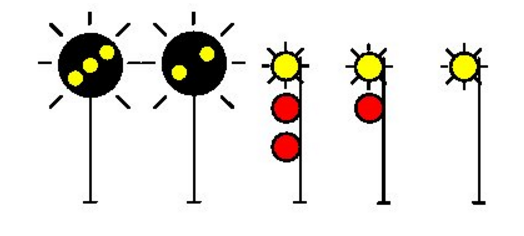
Approach Proceed prepared to stop at the next signal. Trains exceeding Medium Speed must begin reduction to Medium Speed as soon as the engine passes the Approach signal. |
|
Image:
292 (binary/octet-stream)
|
Medium Approach Proceed prepared to stop at the next signal. Trains exceeding Medium Speed must begin reduction to Medium Speed as soon as the Medium Approach Signal is clearly visible. |
|
Image:
293 (binary/octet-stream)
|
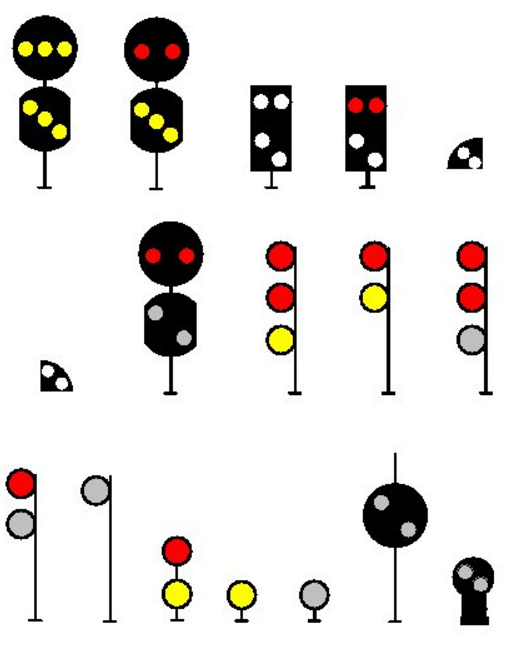
Slow Clear Proceed at Slow Speed until entire train clears all interlocking or spring switches, then proceed at Normal Speed. In CSS territory with fixed signals, trains not equipped with operative cab signals must approach the next signal at Medium Speed once they have left interlocking limits. |
|
Image:
294 (binary/octet-stream)
|
Slow Approach Proceed prepared to stop at the next signal. Slow Speed applies until entire train clears all interlocking or spring switches, then Medium Speed applies. |
|
Image:
295 (binary/octet-stream)
|
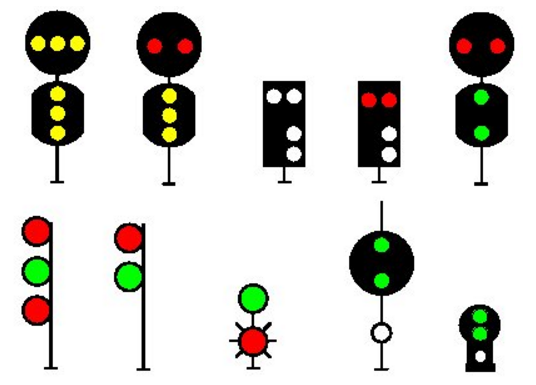
Restricting Proceed at Restricted Speed until the entire train has cleared all interlocking and spring switches (if signal is an interlocking or CP Signal) and the leading wheels have: 1. Passed a more favorable fixed signal, or 2. Entered nonsignalled DCS territory. In CSS territory, trains with operative cab signals must not increase speed until the train has run one train length or 500 feet (whichever distance is greater), past a location where a more favorable cab signal was received. |
|
Image:
296 (binary/octet-stream)
|
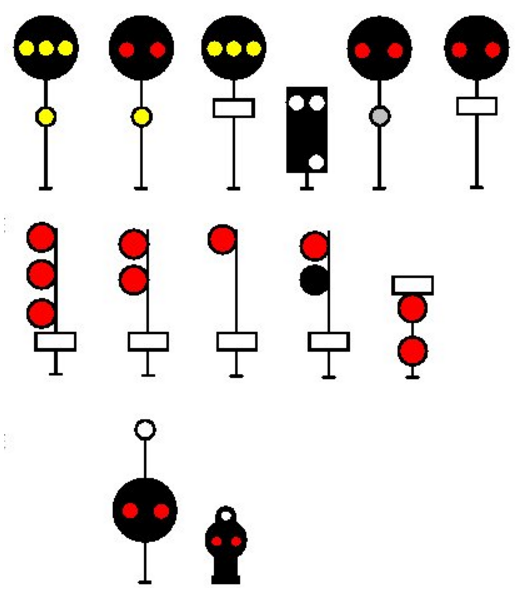
Stop and Proceed Stop, then proceed at Restricted Speed until the entire train has cleared all interlocking and spring switches (if signal is an interlocking or CP signal) and the leading wheels have: 1. Passed a more favorable fixed signal, or 2. Entered nonsignaled DCS territory. In CSS territory, trains with operative cab signals must not increase their speed until they have run one train length or 500 feet (whichever distance is greater) past a location where a more favorable cab signal was received. Where identified by special instruction, or where a letter G (grade marker) or a letter R (restricting marker) is displayed in addition to a number plate as part of these aspects, freight trains may observe the signal as though Restricting, Rule 290, were displayed. |
|
Image:
297 (binary/octet-stream)
|
Stop Signal Stop. |

Want to create your own Flashcards for free with GoConqr? Learn more.