
28389634
Description

Flashcards by Roberto André Briere Pierri, updated more than 1 year ago

|
Created by Roberto André Briere Pierri
almost 5 years ago
|
|
| Question | Answer |
| Adaptation | Are behavior that help an organism survive and reproduce in a particular enviroment. |
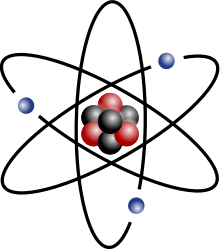
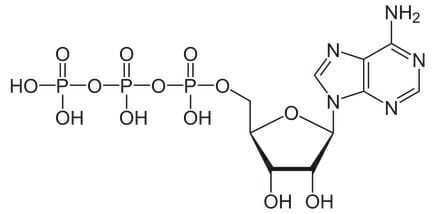
| Atom |
Is the smallest particle of an element that retains all the properties of that element.
Image:
Atom (binary/octet-stream)
|
| Autotroph | an organism that is able to form nutritional organic substances from simple inorganic substances such as carbon dioxide. |
| Binomial system | biologists used to provide a unique scientific name for each formof life, which consists of the genus and species. |
| Biology | The study of life. |
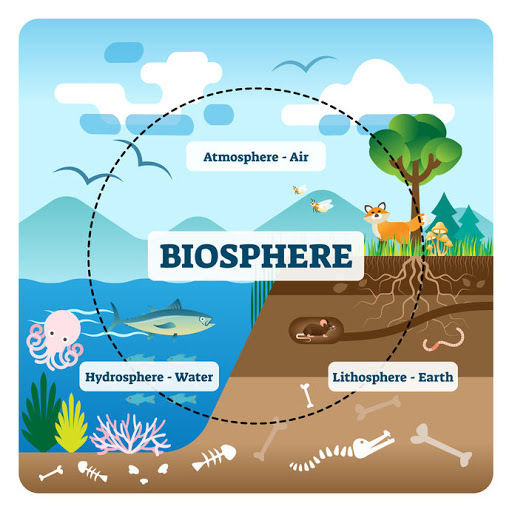
| Biosphere | includes all life on Earth and the nonliving portions of Earth that support life. |
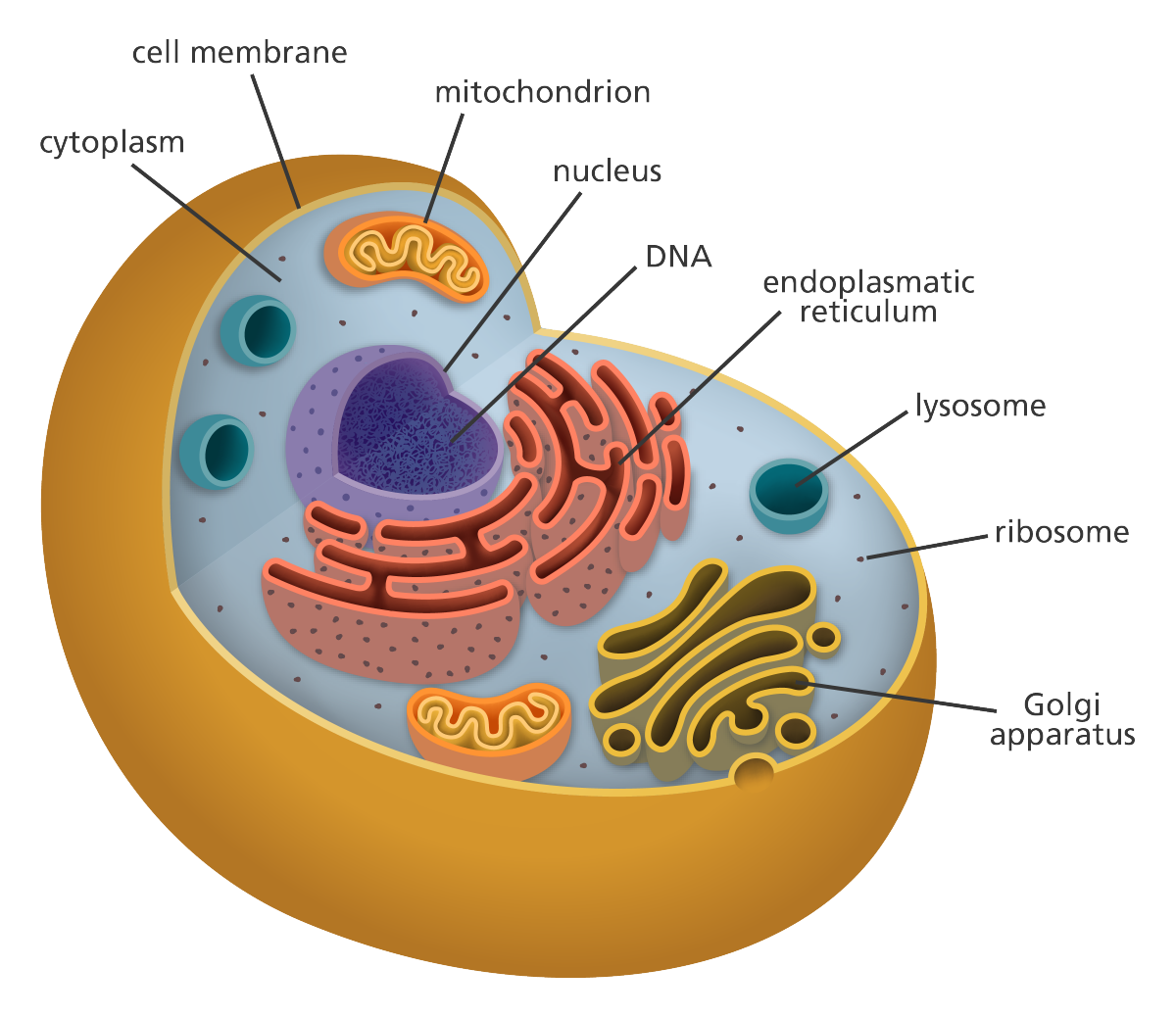
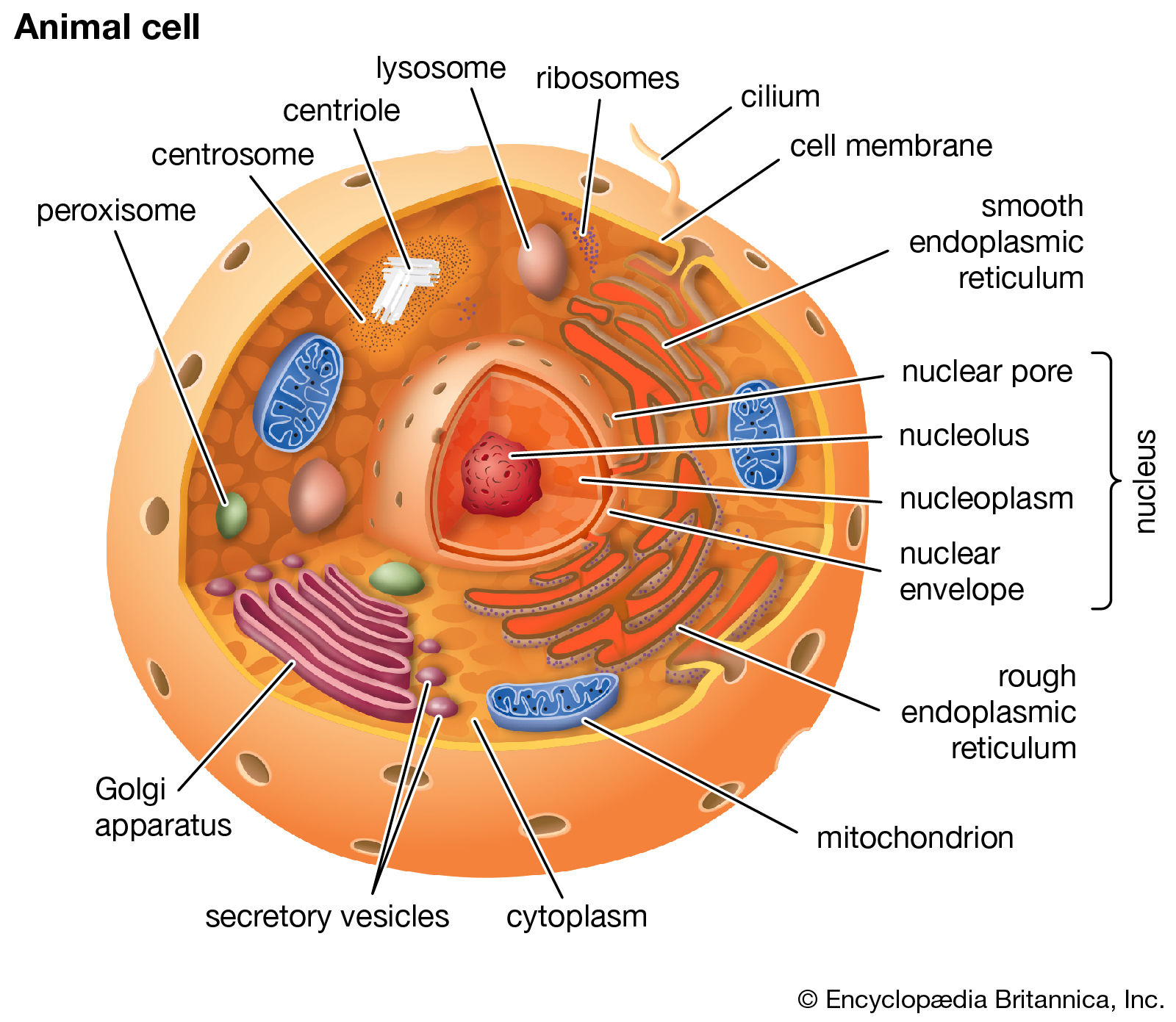
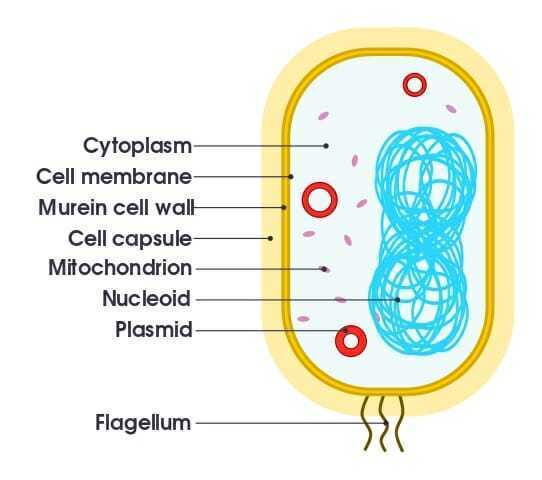
| Cell |
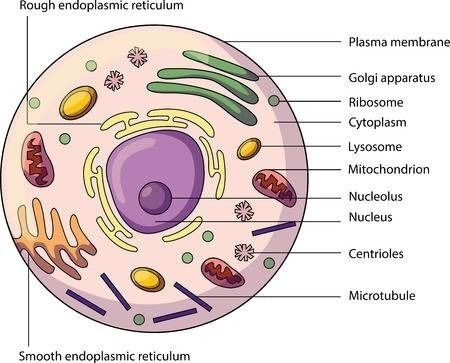
is the basic unit of life.
Image:
Cell (binary/octet-stream)
|
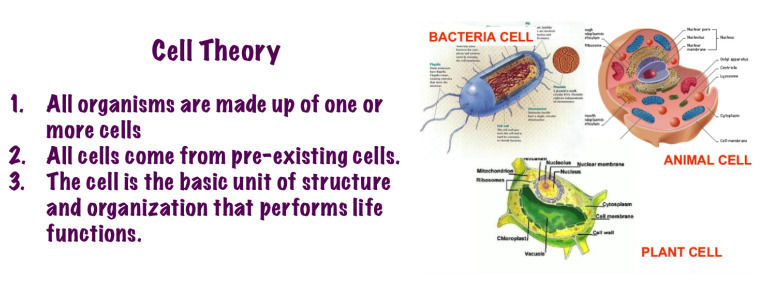
| Cell theory | states that all living organisms are compossed of cells and are fundamental to the study of biology. |
| Community | Is formed by populations of different species that live in the same area and interact with one another. |
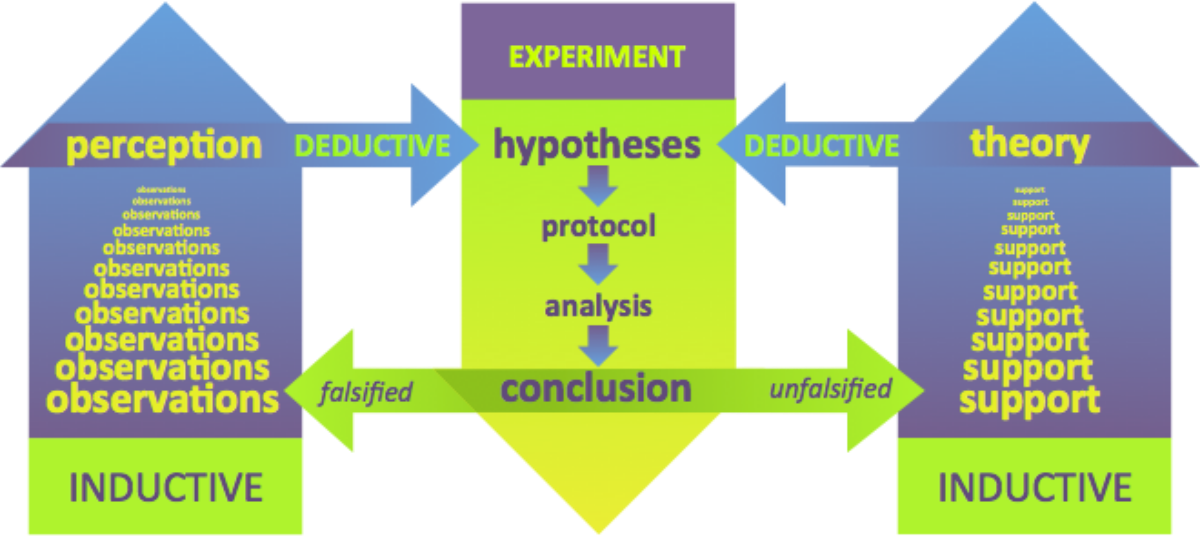
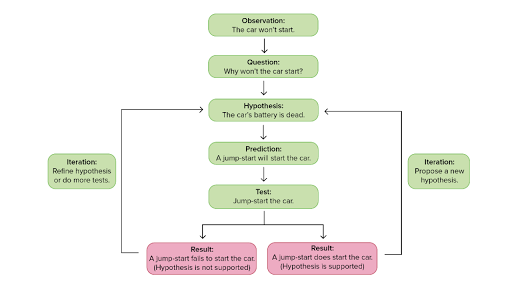
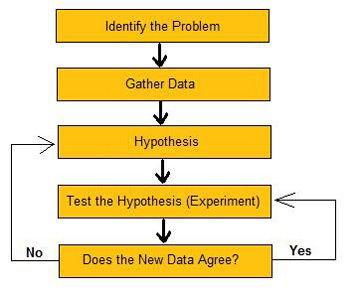
| Conclusion | Experiments produce results that either support or refute the hypothesis, reach a conclusion about the hypothesis is valid or not. |
| Control | All possible variables are held constant. |
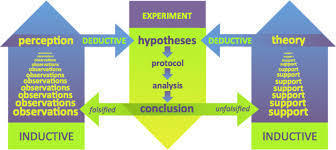
| Deductive reasoning | Starts with a well-supported generalization such as a scientific theory and uses it to generate hypotheses about how a specific experiment or observation will turn out. |
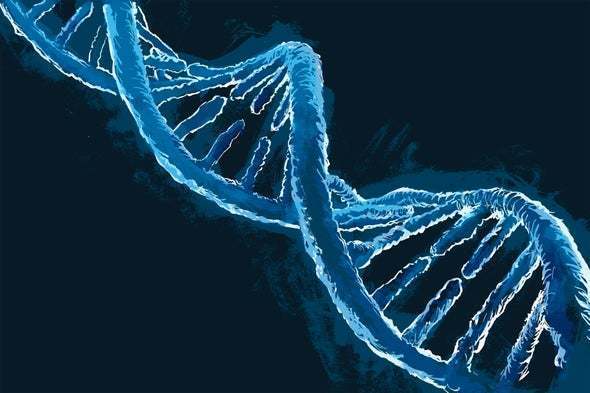
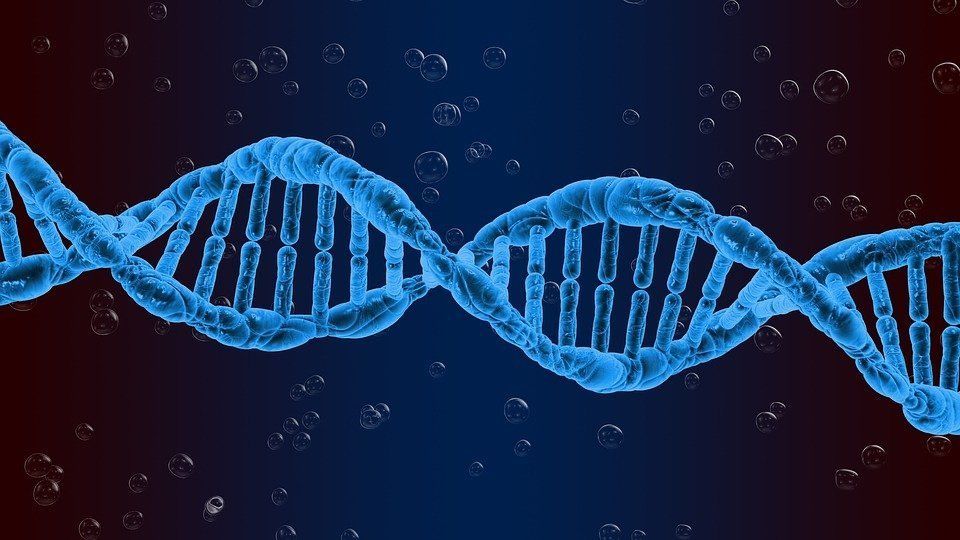
| Deoxyribonucleic acid, or DNA |
Molecules contained in each cell of organism can be compared to an architectural blueprint or a detailed instruction manual for lfe.
Image:
Dna (binary/octet-stream)
|
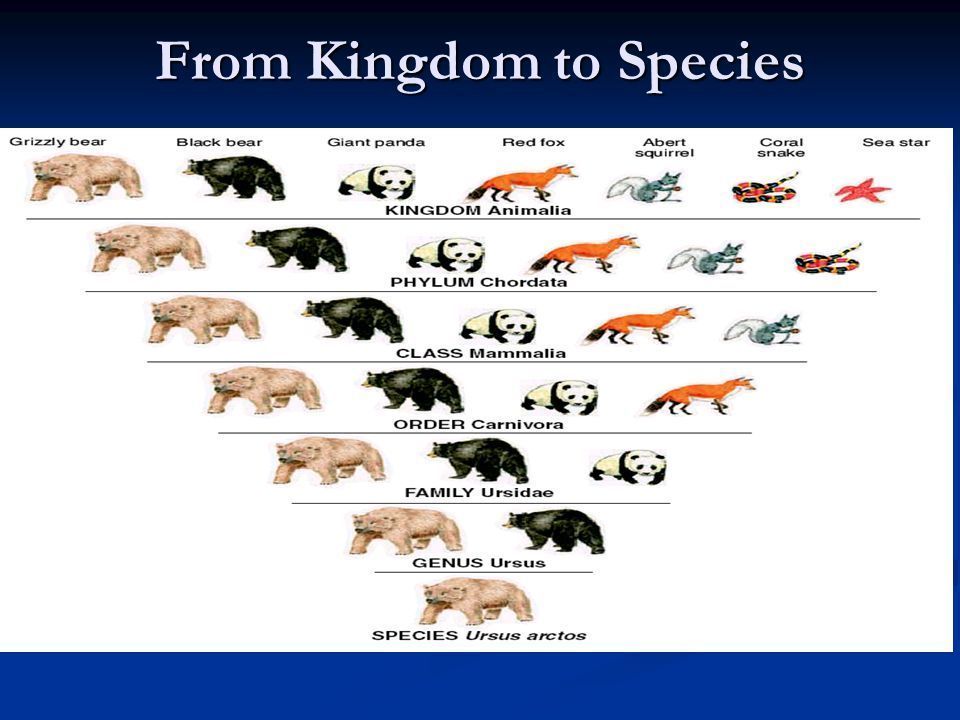
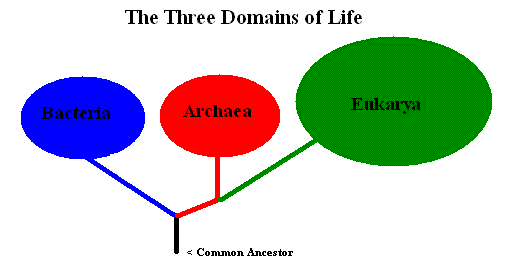
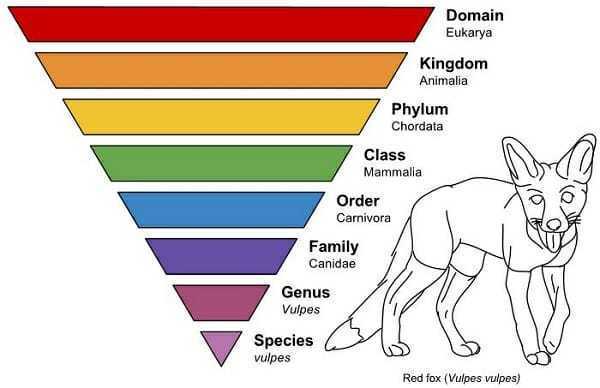
| Domain |
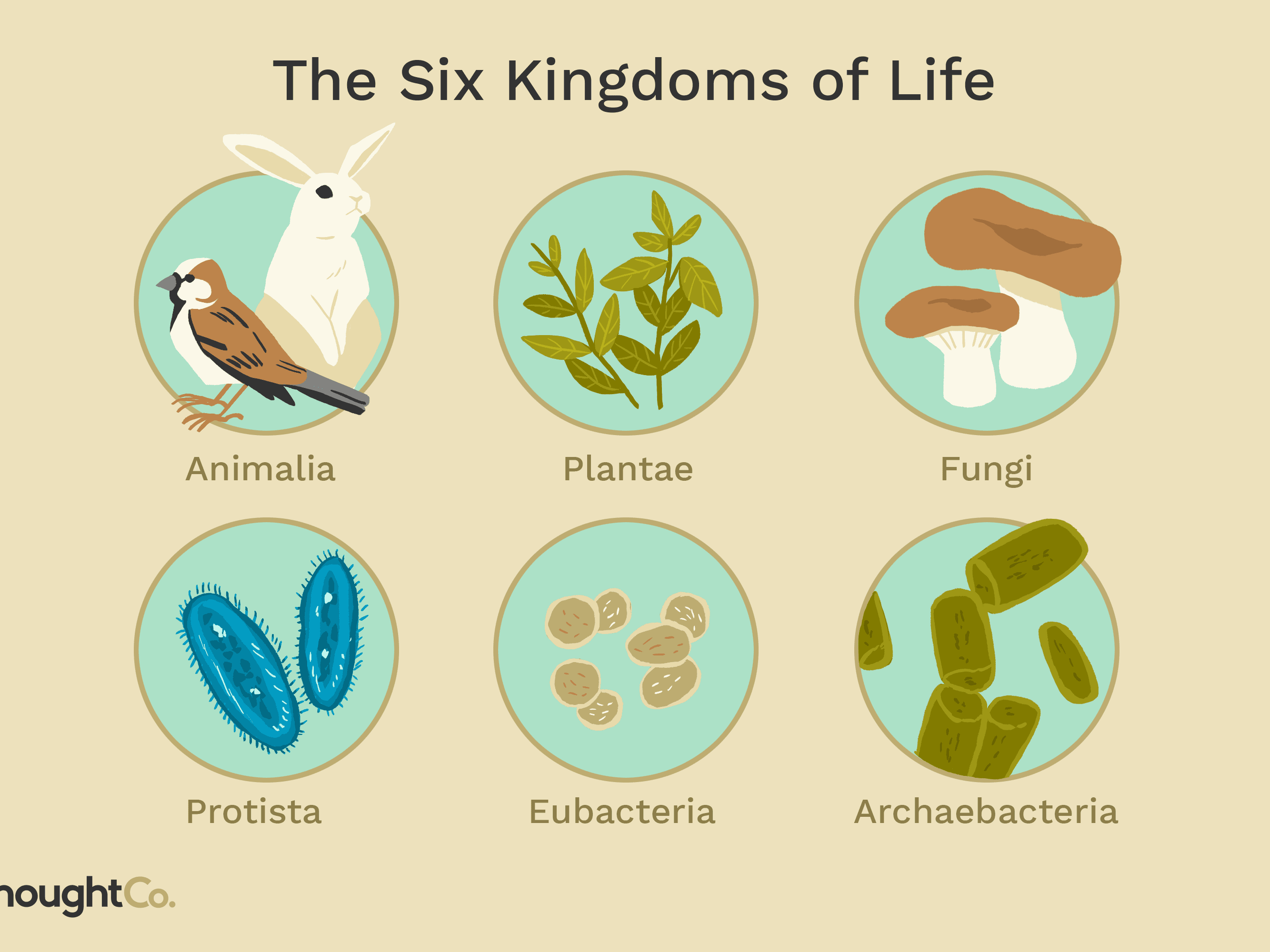
Bacteria, Archaea and Eukarya.
Image:
Domain (binary/octet-stream)
|
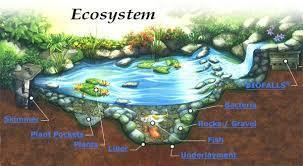
| Ecosystem | Consists of a community and the nonliving environment that sorrounds it. |
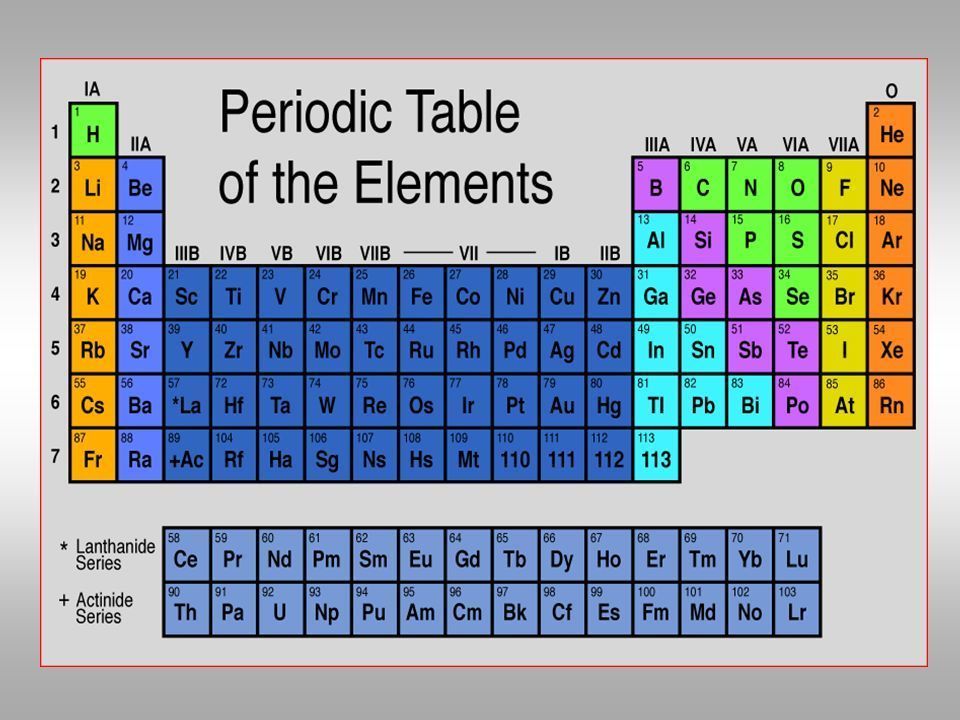
| Element | Substances that cannot be broken down or converted to a simpler substance. |
| Eukayortic | Cells are extremely complex and contain a variety of organelles, many of which are sorrounded by membranes. |
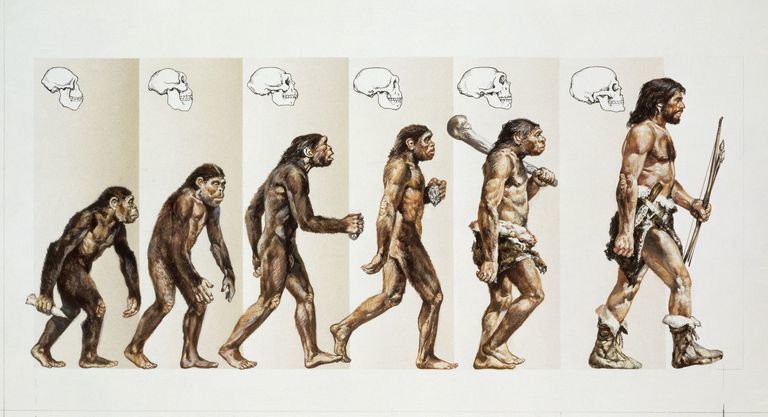
| Evolution | Is the process by which modern organisms have descended from earlier and different forms of life. |
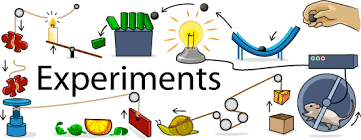
| Experiment | The prediction is tested by carefully designed additional observations or carefull controlled manipulations. |
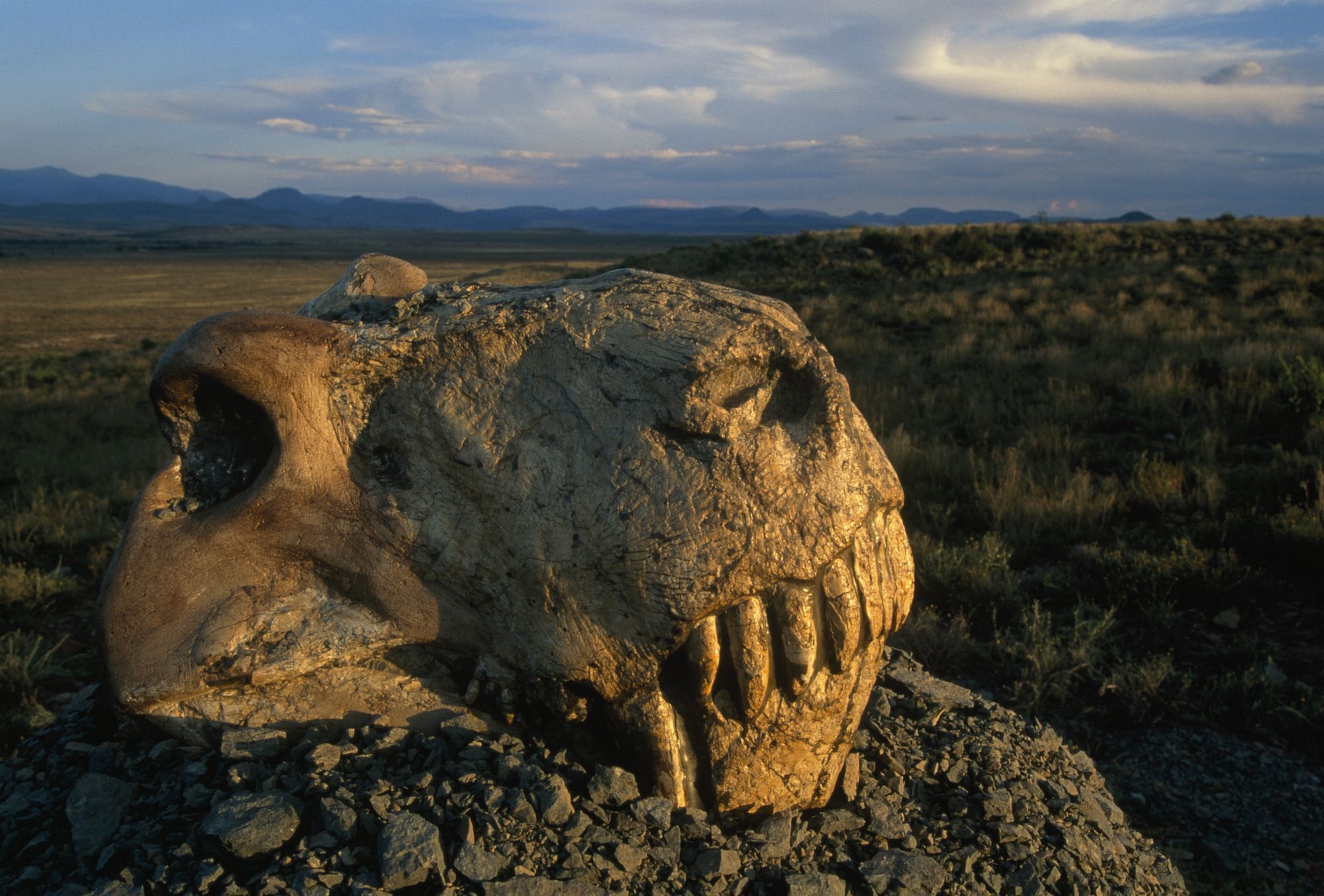
| Extinction | The complete elimination of forms of life. |
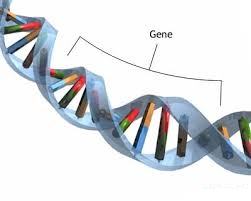
| Gene |
Which are the segments of DNA, are the basic units of heredity.
Image:
Gene (binary/octet-stream)
|
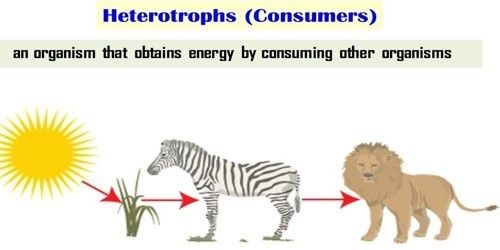
| Heterotroph | Cannot photosynthesize and so they rely on the bodies of other organisms for food. |
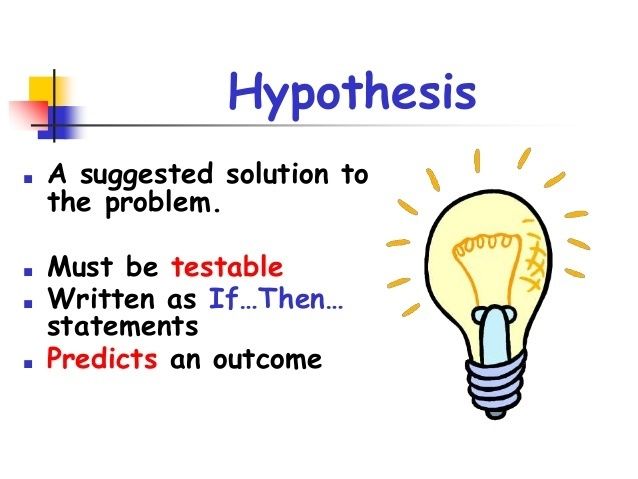
| Hypothesis | Is a proposed explanation for the phenomenon, often based on limited evidence. |
| Inductive reasoning | The process of creating a broad generalization based on many observations that support it and none that contradict it. |
| Kingdom | Three major subdivisions, which are fungi, plants, and animals. |
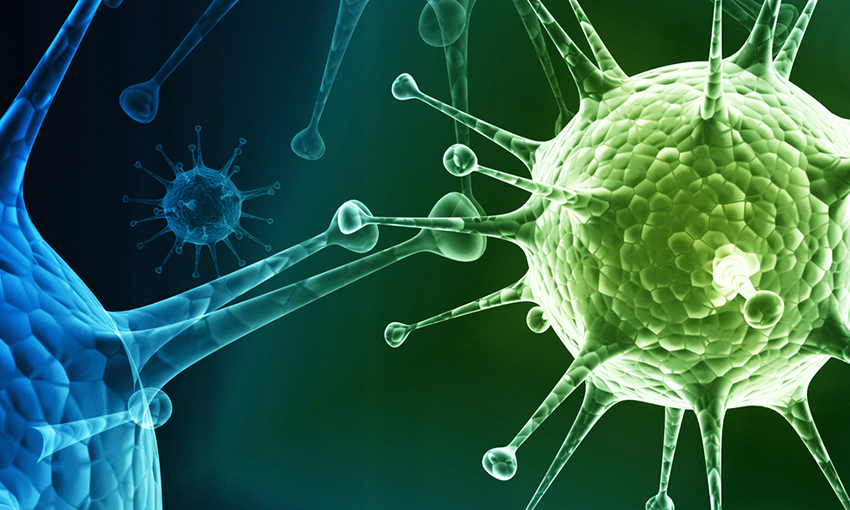
| Molecule | Atoms may combine in specific ways. |
| Multicellular | Composed of many cells. |
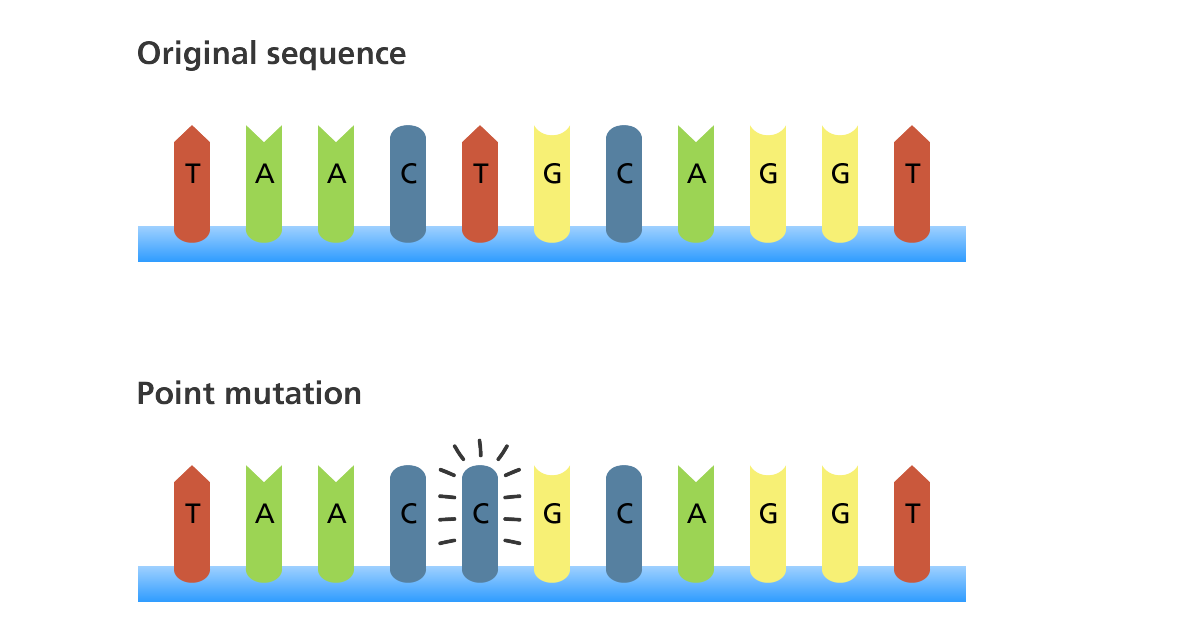
| Mutation | Changes in genes, such as those caused by these rando copying errors, can aslo result from damage to DNA. |
| Natural law | A basic principle derrived from the study of nature that has never been disproven by scientific inquiry. |
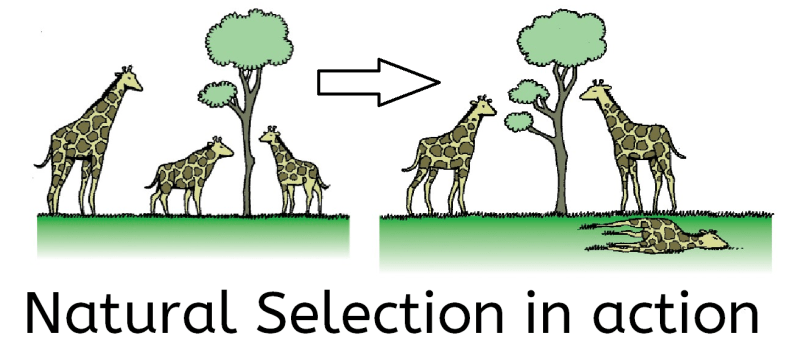
| Natural selection | Is the process by which organisms with certain inherited traits survive and reproduce better than others in a given enviroment. |
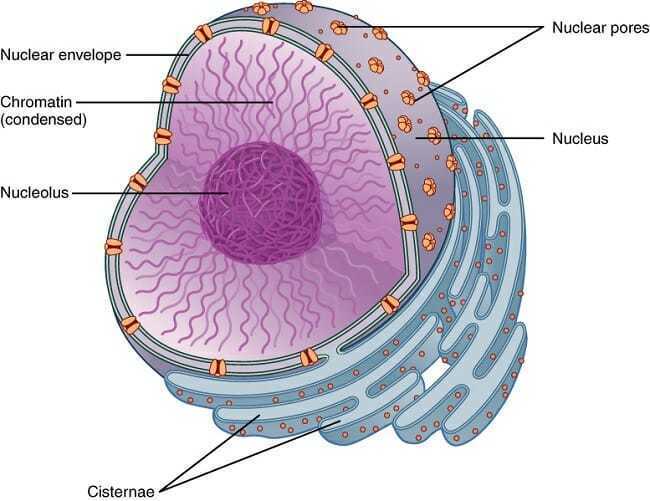
| Nucleus | A membrane-enclosed organelle that contains the cell's DNA. |
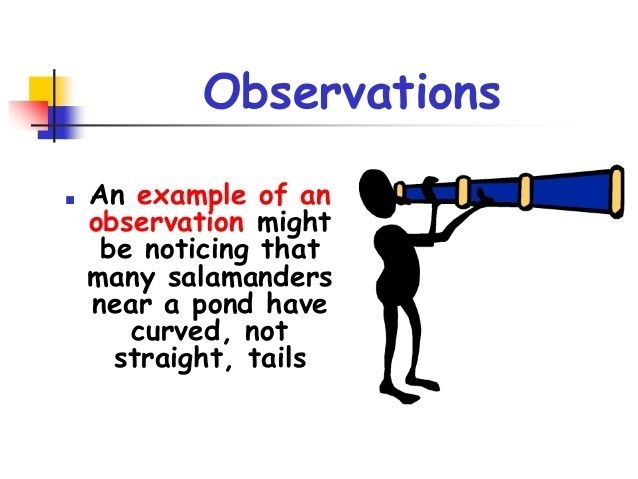
| Observation | Scientific inquiry begins with an observation of a specific phenomenon. |
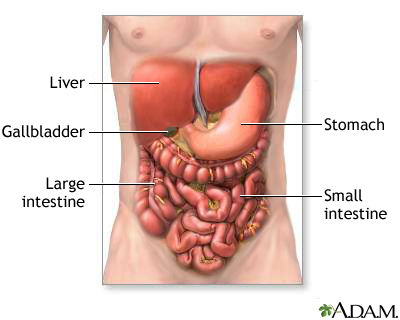
| Organ |
Different types of tissues, in turn, unite to form functional units, such as the entire stomach.
Image:
Organ (binary/octet-stream)
|
| Organ system |
The grouping of two or more organs that work together to perform a specific body functions.
Image:
Organ (binary/octet-stream)
|
| Organelle | Structures specialized to carry out specific functions such as helping to synthesize large molecules, disgesting food molecules, or obtain energy. |
| Organism | an individual animal, plant, or single-celled life form. |
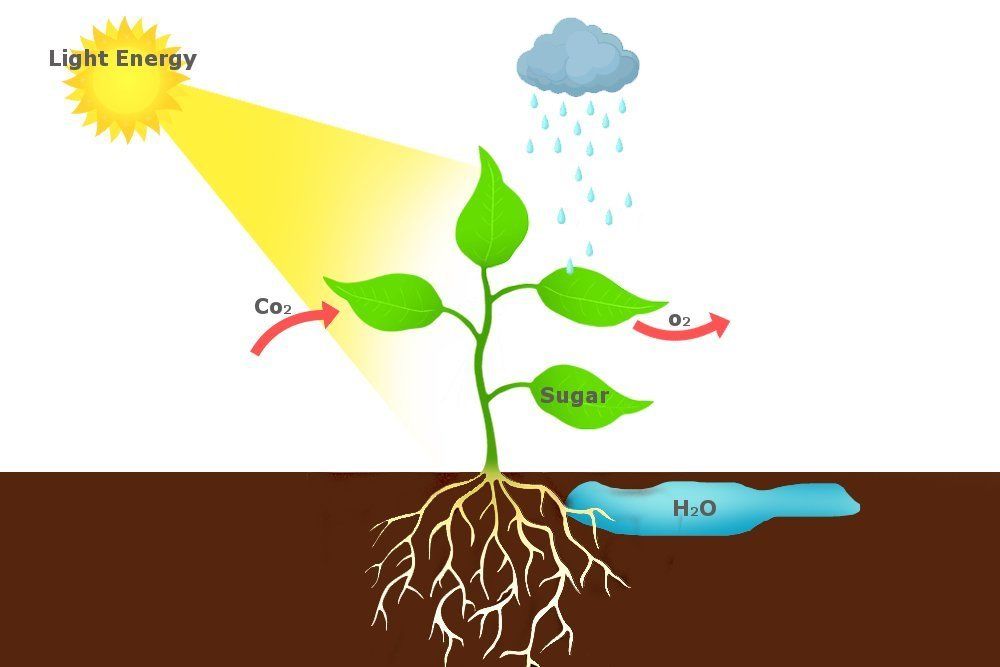
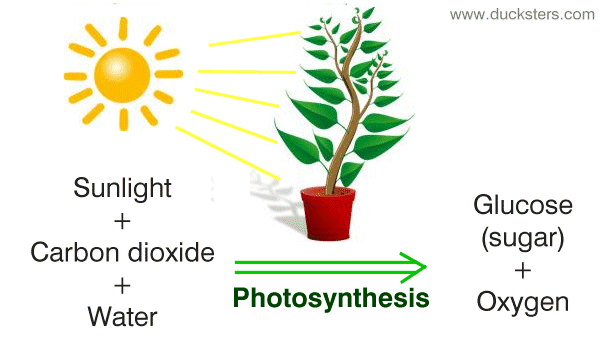
| Photosynthesis | Certain organisms directly capture and store solar energy using a process. |
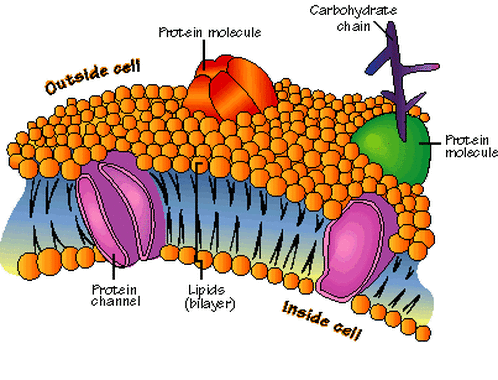
| Plasma membrane | All cells are sorrounded by a thin sheet of molecules. |
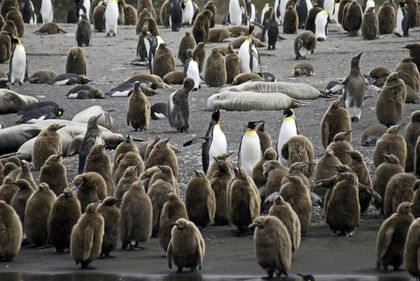
| Population | A group of the same type of organism inhabiting the same area. |
| Prediction | Is the expectd outcome of testing if the hypothesis is correct. |
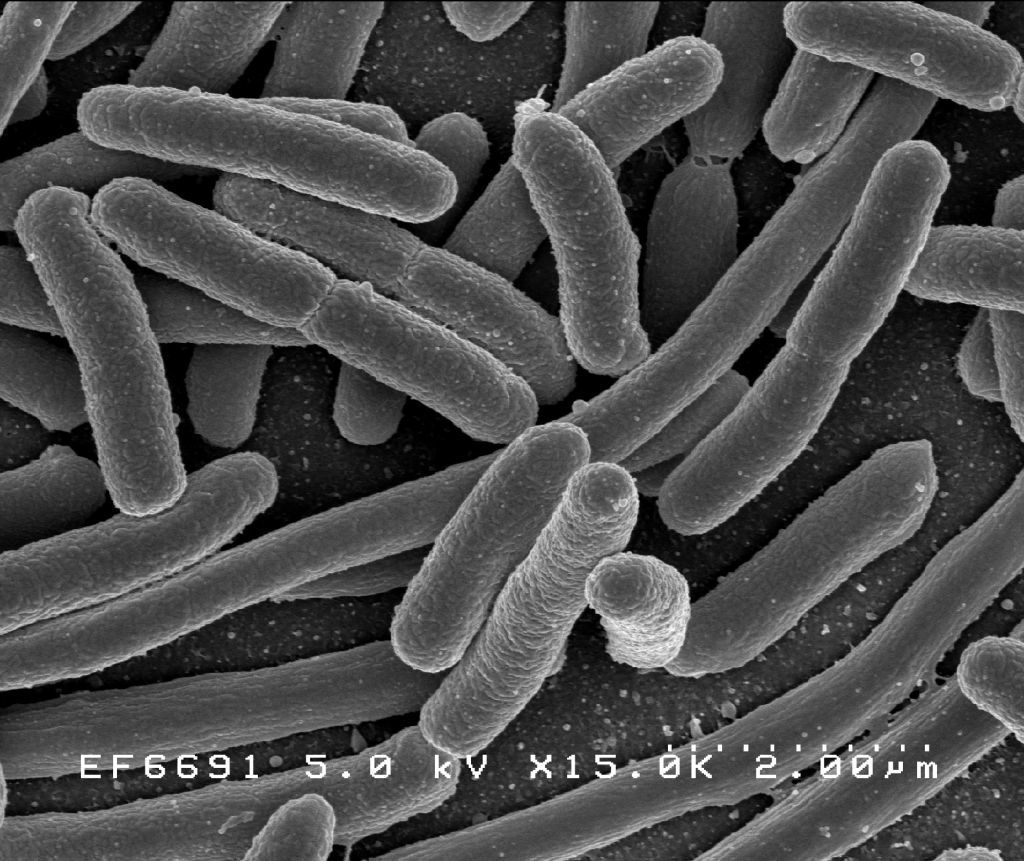
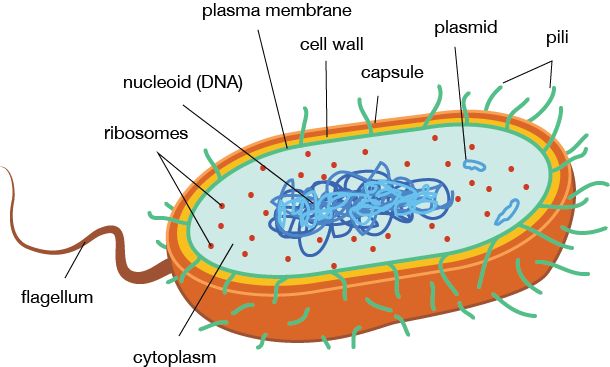
| Prokaryotic | Cells are far simpler and generally much smaller than eukaryotic cells, and they lack organelles enclosed by membranes. |
| Question | After careful study of earlier investigations, conversations with colleauges, and often after long, hard thought, a hypothesis is formed. |
| Science | As the systematic inquiry-through observation and experiment-into the origins, structure, and behavior of our living and nonliving surroundings. |
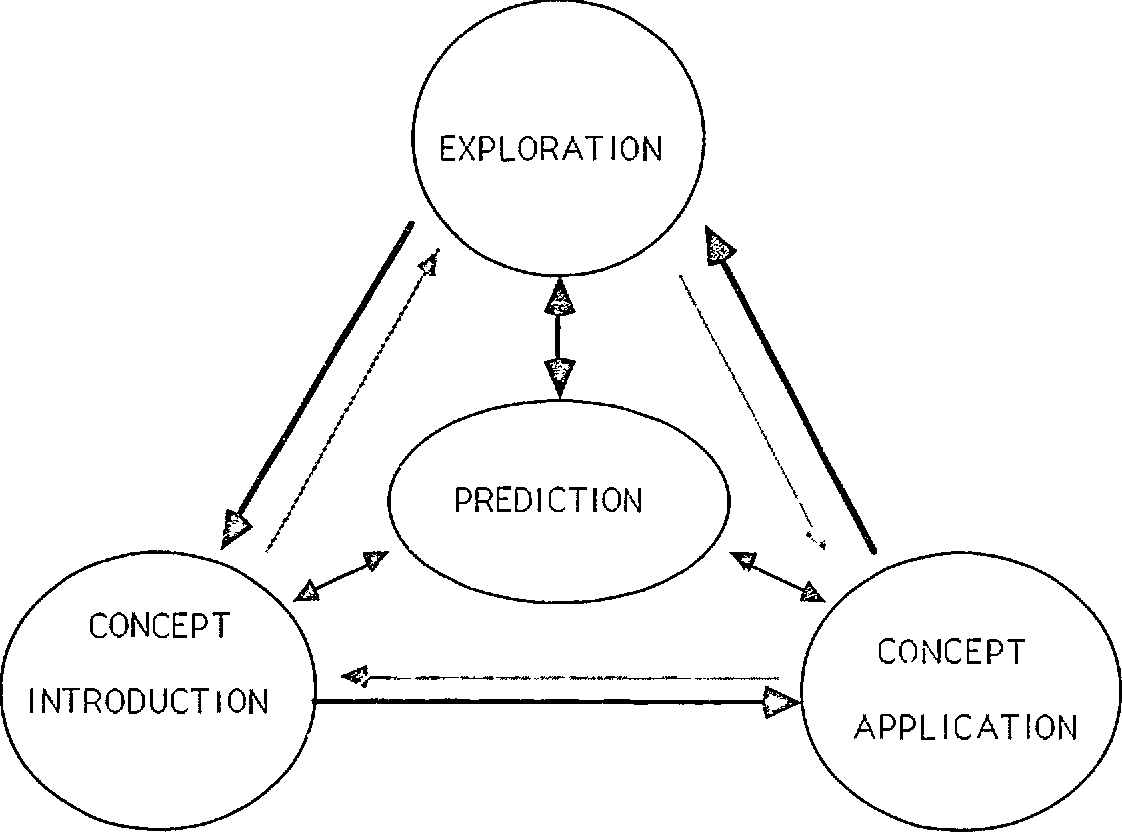
| Scientific method | This consists of six interrelated elements: observation, question, hypothesis, prediction, experiment and conclusion. |
| Scientific theory | Is a general and reliable explanation of important natural phenomena that has been developed through extensive and reproducible observations and experiments. |
| Species | Consists of all organisms that are similar enough to interbreed, no matter where they are found. |
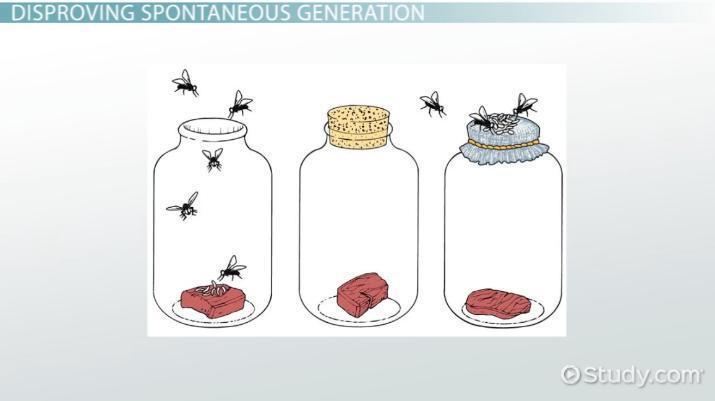
| Spontaneous generation | The emerge of life from nonliving matter. |
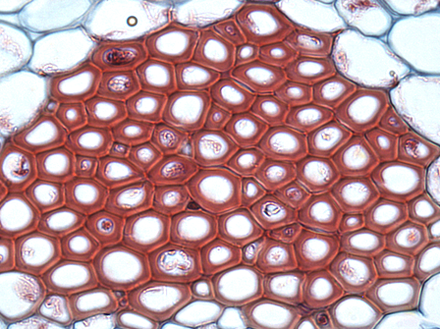
| Tissue |
Cells of a similar type combine.
Image:
Tissue (binary/octet-stream)
|
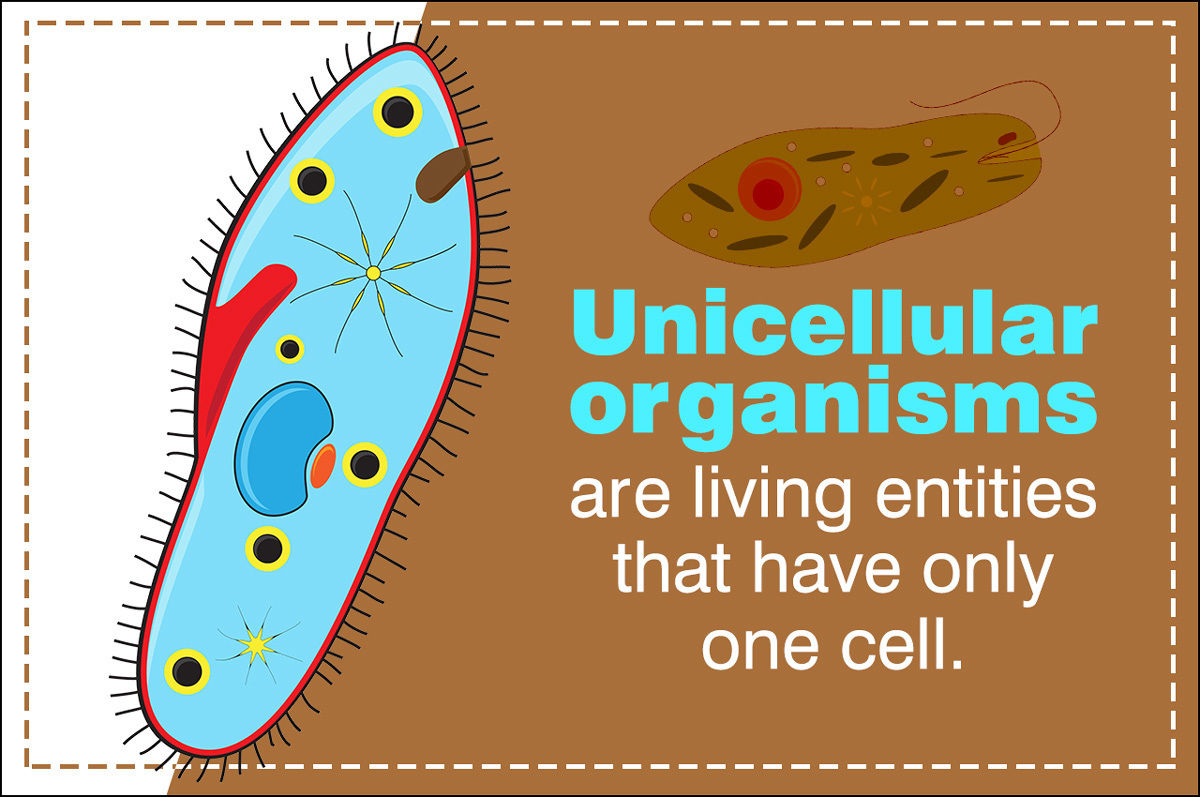
| Unicellular | A single cell. |
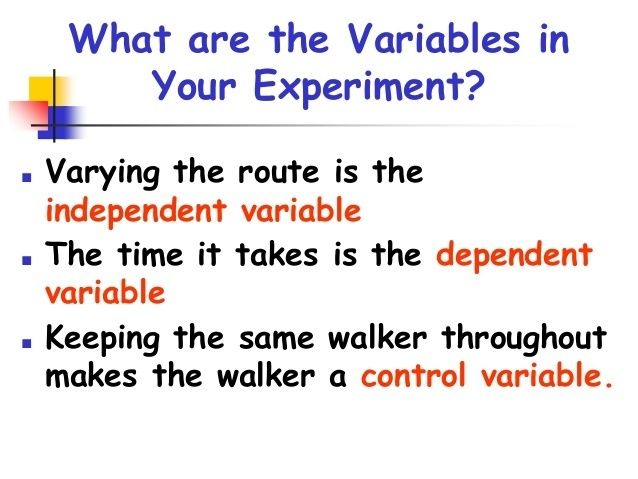
| Variable | Is manipulated to test the hypothesis that this variable is the cause of an observation. |
Want to create your own Flashcards for free with GoConqr? Learn more.