
29809157
Description

Flashcards by ELISA RAFAELA PEÑALOZA MARTINEZ , updated more than 1 year ago

|
Created by ELISA RAFAELA PEÑALOZA MARTINEZ
almost 5 years ago
|
|
| Question | Answer |
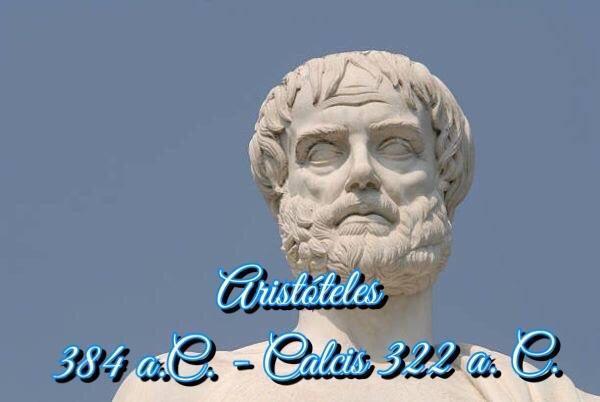
| Aristotle upheld what is today called an ethic of virtues. According to Aristotle, the most important virtues are the virtues of the soul, mainly those that refer to the rational part of man. | |
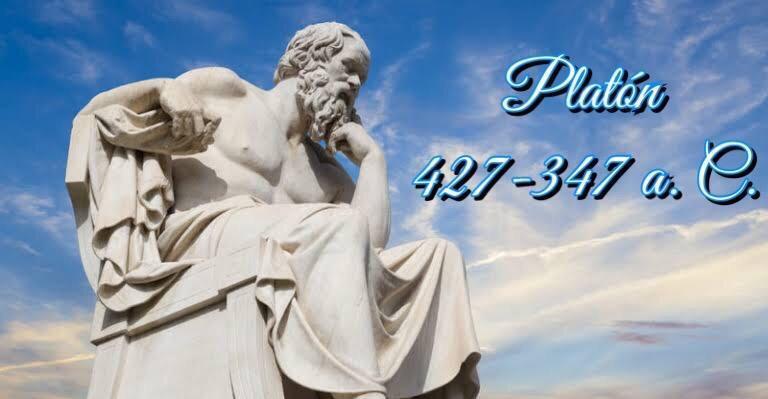
| Plato's ethical theory is based on virtue, which is the habit of doing well, by the constant disposition of the soul or conforming actions or the moral law. | |
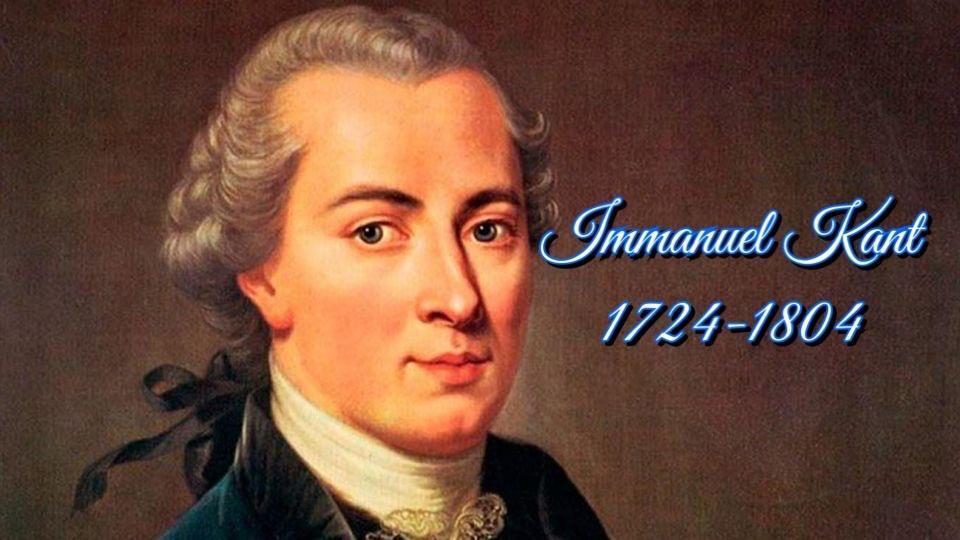
| Kantian ethics is a deontological ethical theory formulated by the philosopher Immanuel Kant. Developed as a product of enlightened rationalism, it is based on the view that the only intrinsically good thing is good will. | |
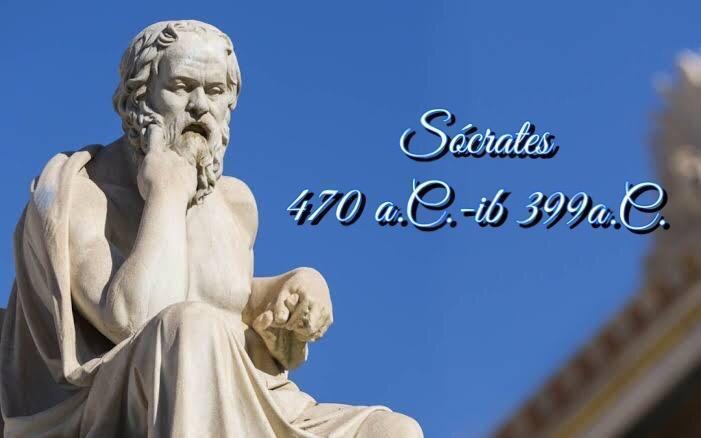
| Socratic ethics is one that is born from the development of virtue as an essential pillar of correct action. Socrates explains how the practice of good perfects the human being, on the contrary, the practice of evil corrupts his nature. The author's ethics is, above all, practical. | |
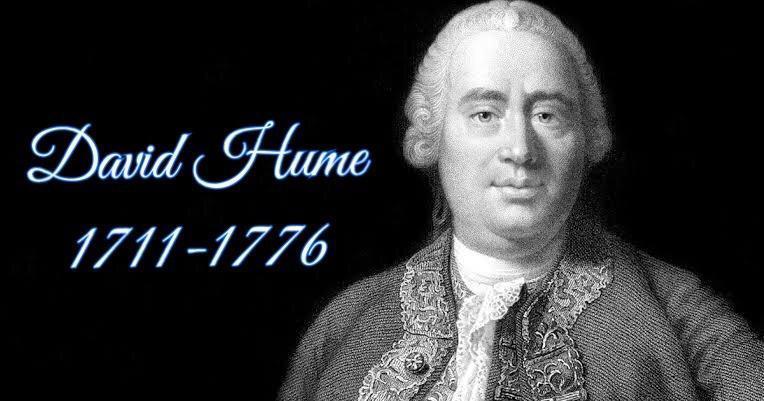
| Feeling of approval or disapproval of people's actions and qualities. For Hume it is the foundation of moral evaluation. The most characteristic ethical thesis of Hume's philosophy consists in affirming that the foundation of morality is not in reason but in feelings. | |
| Thomas Aquinas agrees with Aristotle by considering virtues as habits, good actions aimed at living correctly. And following Aristotle he also lists the fundamental virtues that according to him develop the individual in a rational way. | |
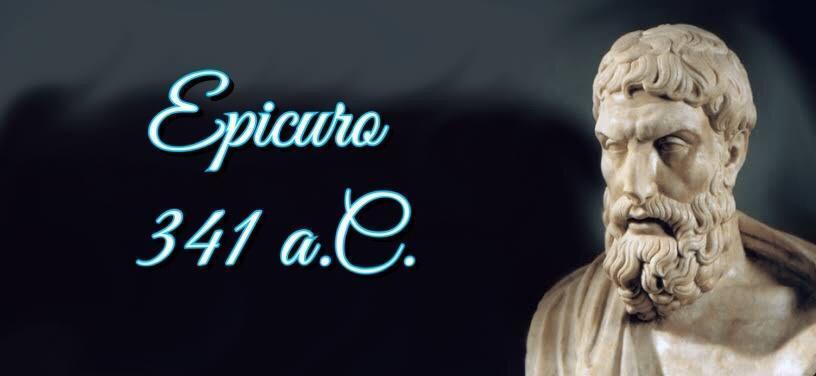
| The basis of Epicurus' ethics is that good is everything that produces pleasure. According to Epicurus, pleasure is an inherent good of our nature, and we are destined to seek pleasure.That is why we say that pleasure is the beginning and the end of happy life. | |
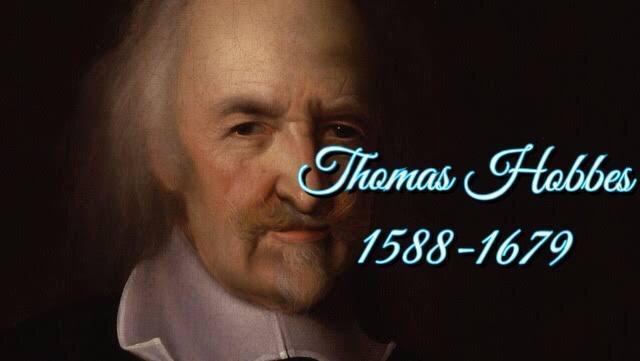
| The philosophical thought of Hobbes is defined by being framed within the mechanistic materialism, current that says that there is only a “body” and denies the existence of the soul. He also says that man is governed by the laws of the Universe. | |
| Morality, according to Hegel, is not the result of a social contract, but a natural growth that arises in the family and culminates, on a historical and political level. | |
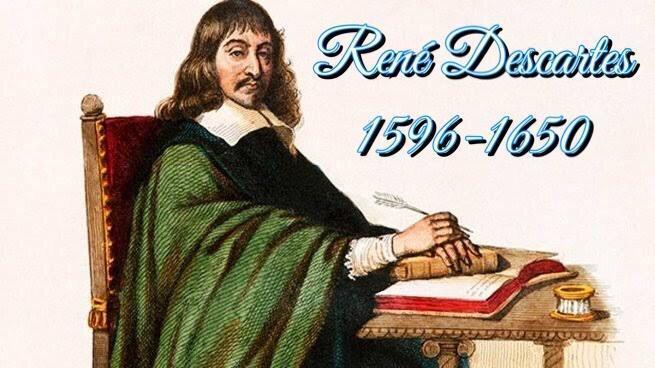
| He had an overwhelming desire to learn to distinguish the true from the false, in order to see clearly in actions and walk confidently through life. | |
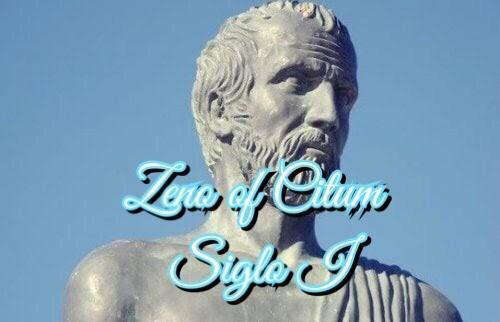
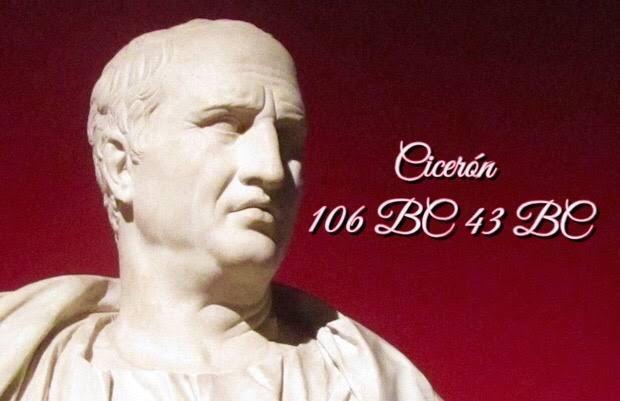
| It is an ethic of fatality: logic makes us understand intrinsic norms, physics describes the divinity that is part of matter, and ethics makes us agree with divinity, opposing constant resistance to harmful passions or feelings. | |
| He supposes that we have prior knowledge (as an inherent quality of the human being), to establish what is "good" and what is "bad" and to choose certain actions. | |
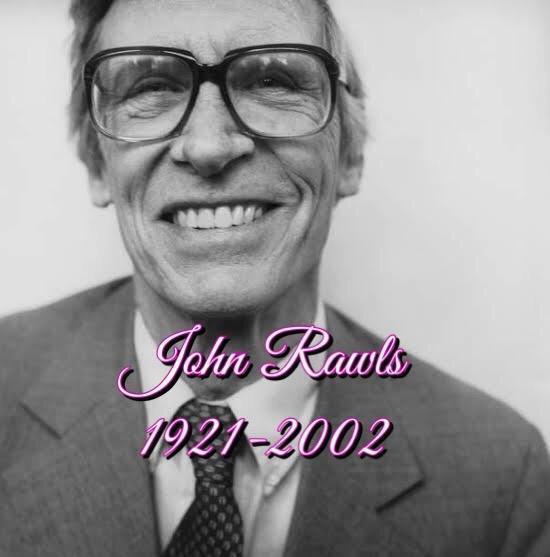
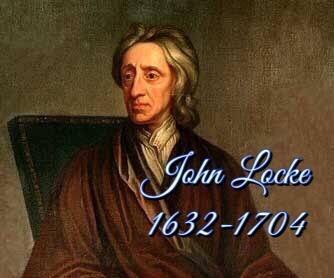
| Have the ability to develop, review and rationally pursue a conception of the rational advantage or the good. | |
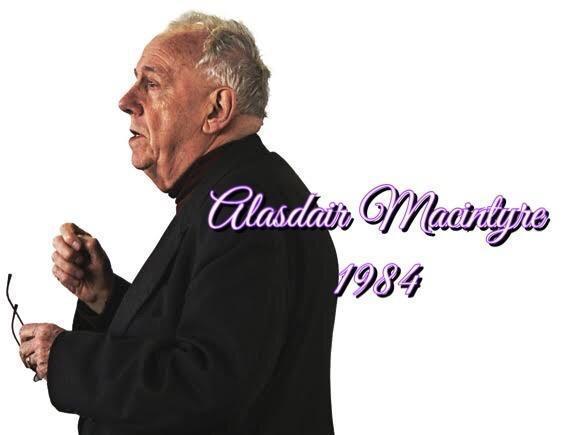
| Habits of virtues, and the knowledge of how the individual achieves a good life, in which all aspects of human life find fulfillment. | |
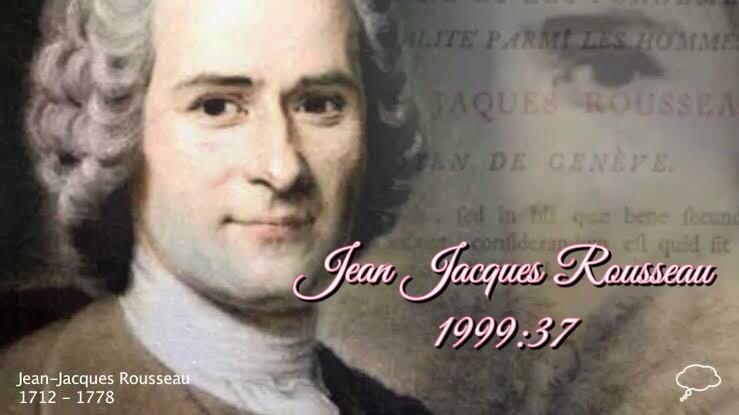
| Finding a form of association that defends and protects with common force the person and property of each member, and by which each one, joining everyone, obeys only himself and remains as free as before. | |
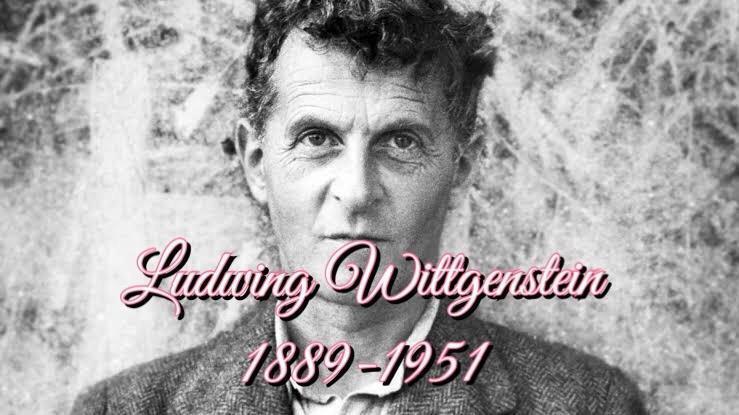
| Ethics are not about the world. Ethics must be a condition of the world, like logic. Not like logic insofar as a logical proposition itself shows the meaning, but like logic insofar as it tries to manifest a meaning to the facts of the world. | |
| Ethics is a personal attitude aimed at valuing and facing our social duties. | |
| Truth and justice will become part of the values that make up the structure of human nature; the truth, as a result of the intelligence in its construction of knowledge and this aiming at the search for truth. | |
| Living ethically is the foundation of living and doing well. Ethics, applied to existence, founds both a positive relationship with oneself, as well as a positive relationship with others. | |
| The ethics lived is in acting and that it is about demonstrating above the act of preaching. | |
| Moral values are in perpetual reconstruction, as knowledge develops in the individual and as social changes take place. Religion has ties to ethics and is also interpreted biosocially. | |
| Defined ethics as a kind of philosophical reflection on morality that was actually lived. In this sense, ethics would be something like a philosophical theory of human action. | |
| Rorty focused on questioning the philosophy based on metaphysics that seems obsessed with putting itself in a privileged position from which to submit and limit all reality under the sovereign judgment of an omnipotent reason | |
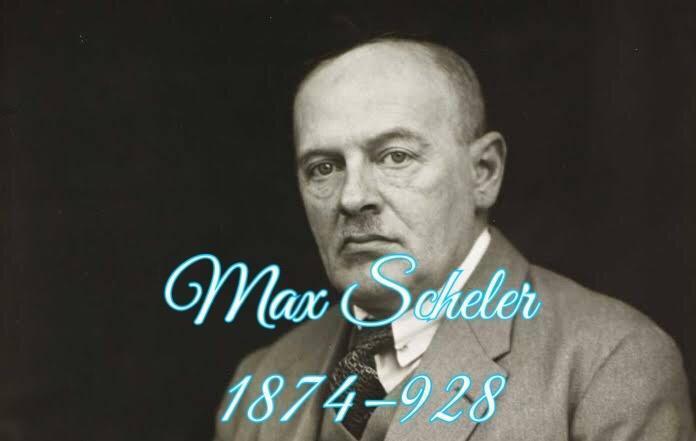
| Ethics is a science establishes that the purpose of it is the search for true propositions about virtuous and vicious behavior, they establish indicators that serve to qualify the behaviors, falls into the most absolute relativistic subjectivism. | |
| Spoke of ethics, necessary to lead a good life "No one can be ethical for one, no one can be ethical by force, it is something that you have to do yourself reflecting on your freedom" | |
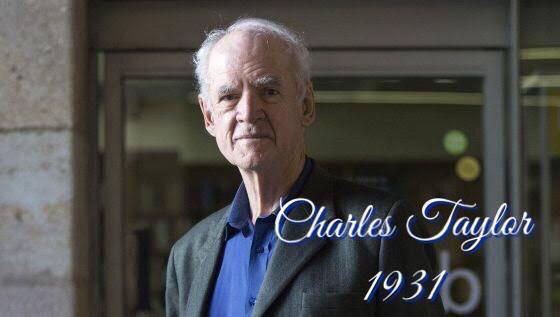
| Proposes an ethic that reconciles two paradigms usually considered incompatible: an ethic of virtues, with guiding norms and ideals of excellence, and an ethic with universal rules that apply in all cases without exception. | |
| He says that the general rule is that we must seek good and avoid or separate ourselves from evil. The good is what is pleasant, what is useful and what causes pleasure; evil on the other hand is unpleasant and painful. | |
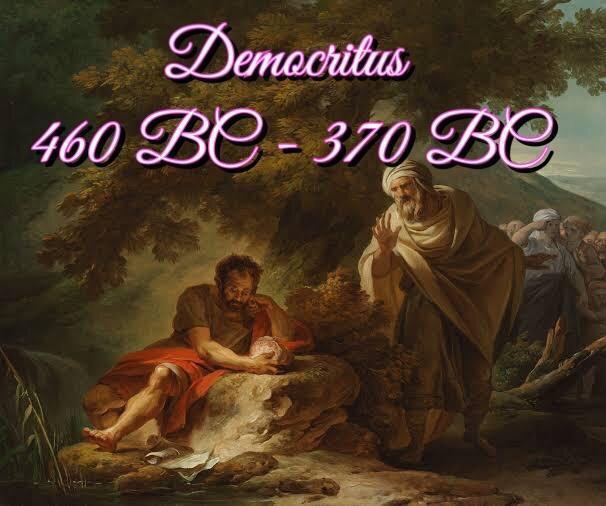
| The ethics of Democritus, to put it in terms of the time, is directed to the interiority of our soul in search of a well-being and conformity with what is and one has, but far from searching in this internalization of the soul for universalizable truths. | |
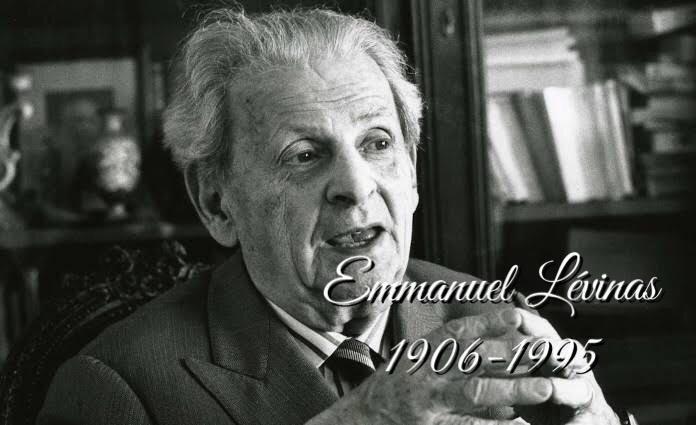
| Conceives ethics as the first philosophy, a new thought where responsibility for the other is considered and its reception in openness, as a way to know oneself and affirm oneself as an individual in the world | |
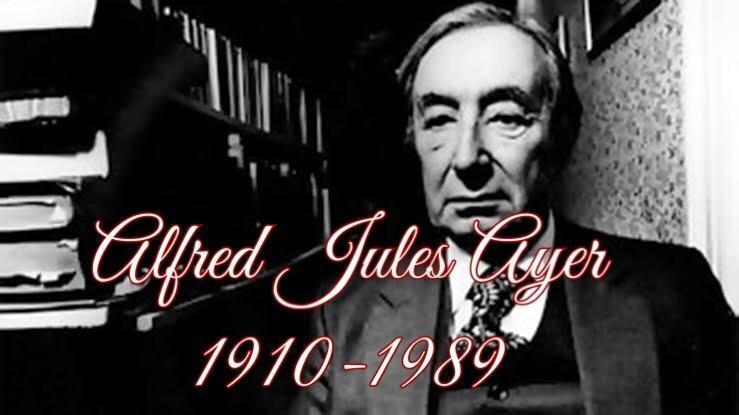
| Ethics allows us to observe what it is that men do when they make moral judgments, which "is not in itself moralizing." | |
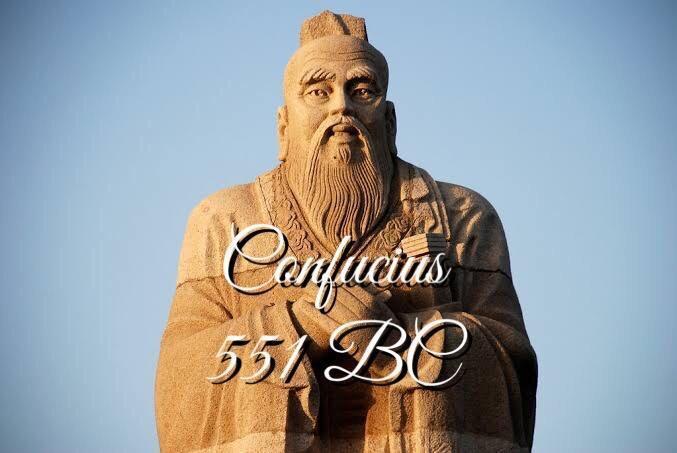
| Confucian ethics is mainly reflected in their concepts of ren and li. Ren and li are the two central concepts of Confucian doctrine on human beings. This is the main interpretation of Confucius regarding ren Love for men means universal love. | |
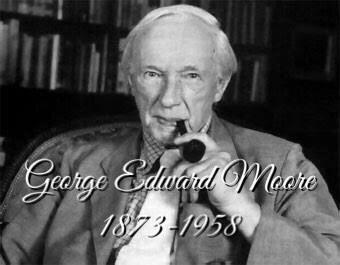
| Moore's ethics is based on the recognition of good and evil as indefinable concepts. | |
| Ethics must tend towards universality ”, great ethical values“ should be so for everyone, they should be universal. "If we don't trust that a bit, if we don't wait on our ability to improve, ethics don't make any sense". | |
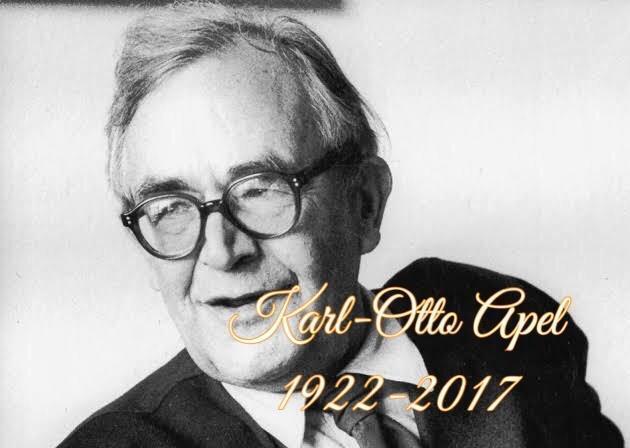
| The ethics of discourse or communicative ethics is an ethical theory that allows the foundation of moral norms. | |
| Defended an ethic in which the individual is true to himself and chooses his own way of life. | |
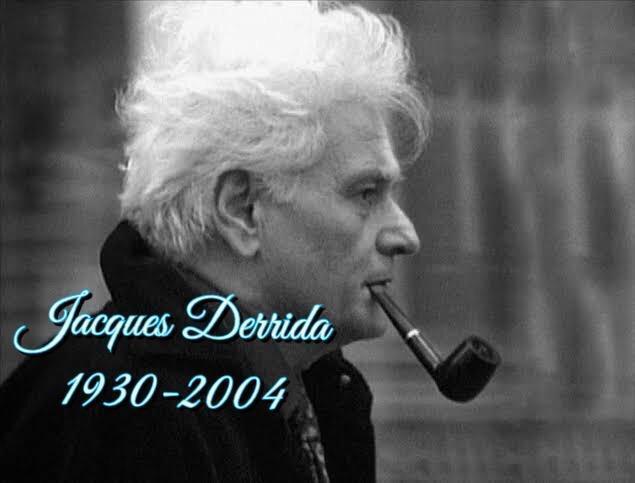
| The ethical aspects of Jacques Derrida's thought without starting from the idea of “deconstruction”; word whose luck has been extremely happy and versatile, to the point that it is no longer surprising to find it in the middle of a newspaper article about cinema or any other daily activity, far removed from the speculative heights from which it emerged. | |
| Ethics, as a science or as a philosophical discipline, was started by Socrates, who was the first to theorize about the basic moral concepts: good and virtue, Socrates was surrounded by the sophists whose doctrine had skepticism, relativism and subjectivism as characteristics. | |
| https://www.timetoast.com/timelines/historia-de-la-etica-4e78e1fb-2057-44dd-a19f-907f226a295e https://www.mindomo.com/es/mindmap/linea-del-tiempo-etica-d6c294977fee4c3c81a75a782b464512 | https://www.pinterest.com.mx/pin/851602610765883451/?amp_client_id=CLIENT_ID(_)&mweb_unauth_id=122fca24&simplified=true&_url=https%3A%2F%2Fwww.pinterest.com.mx%2Famp%2Fpin%2F851602610765883451%2F https://es.scribd.com/document/285289317/Linea-de-Tiempo-Etica |




Want to create your own Flashcards for free with GoConqr? Learn more.