
40903927
Description

Created by Oliver Balay

|
Created by Oliver Balay
7 months ago
|
|
| Question | Answer |
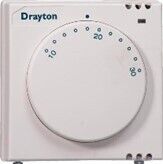
| What is the primary purpose of a thermostat in a heating system? | To sense and maintain the system's temperature near a desired set point by controlling heating or cooling devices. |
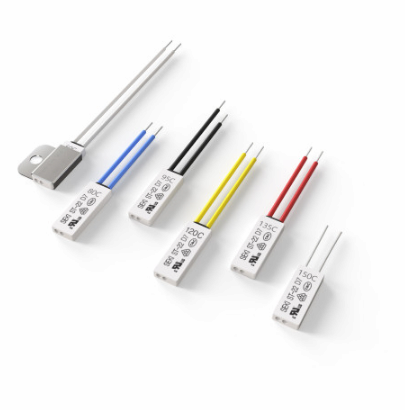
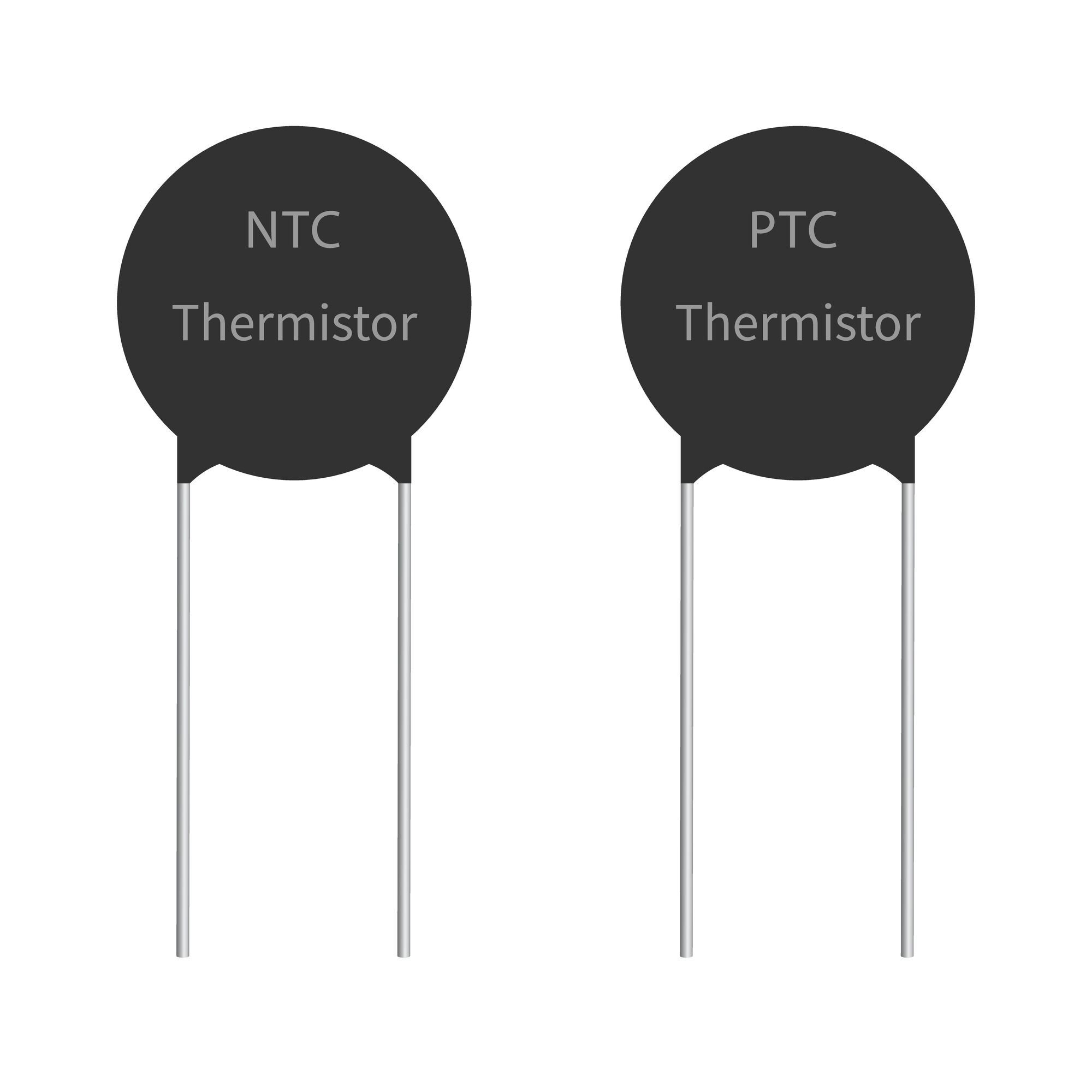
| Name two common sensor technologies used in thermostats. | Bimetallic sensors and electronic thermistors. |
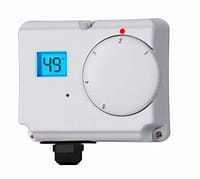
| What temperature is usually adequate for a room thermostat in space heating systems? | 20°C (68°F) |
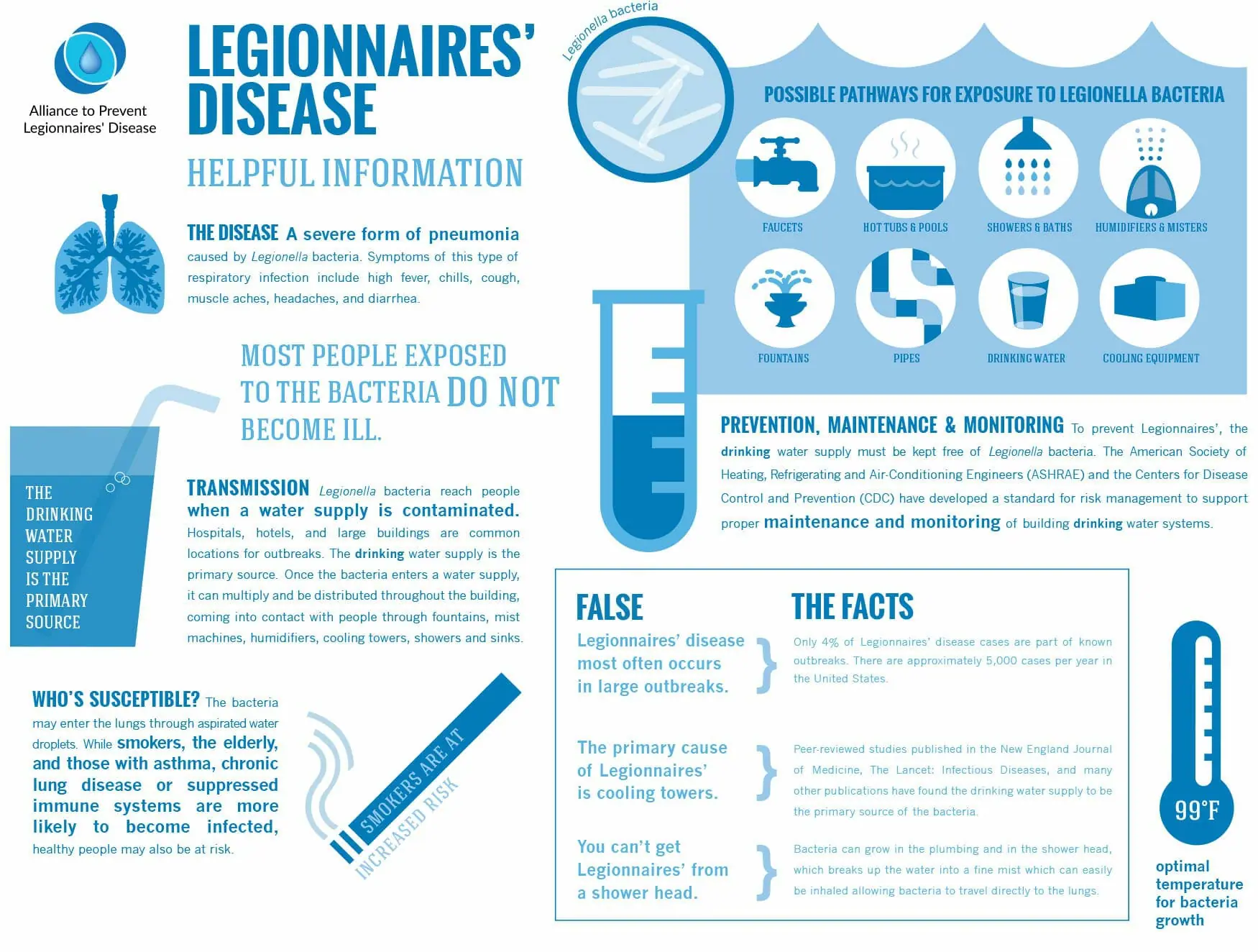
| What is the recommended storage temperature for hot water to prevent legionella bacteria? | 60°C (140°F). |
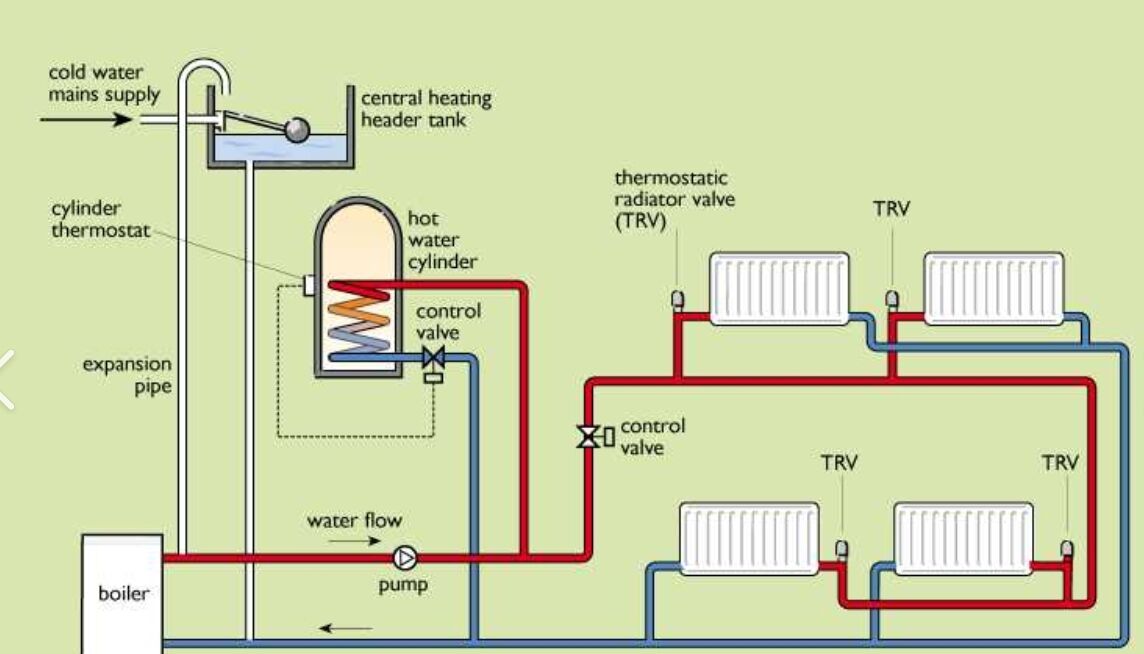
| What is the function of a cylinder thermostat? | To detect the temperature of water in the cylinder and control the heating accordingly. |
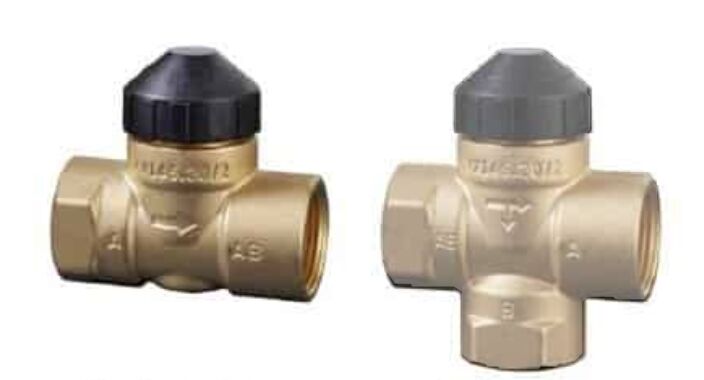
| What is the key difference between a zone valve and a three-port valve? | A zone valve controls water flow through a single pipe, while a three-port valve directs water to one of two outlets or both. |
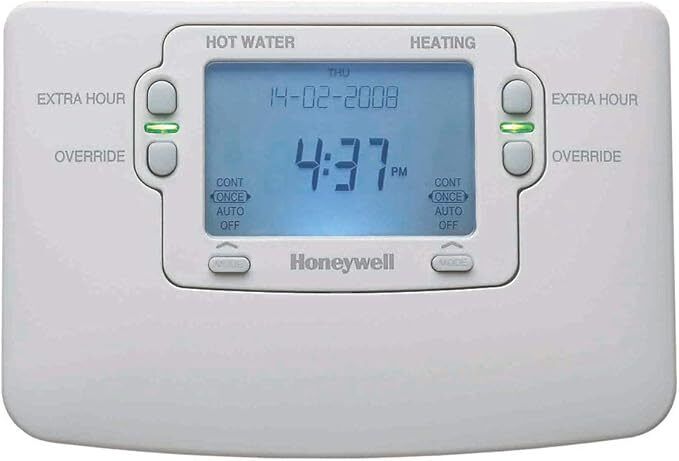
| What is the advantage of a seven-day timer for heating systems? | It allows for custom heating patterns for weekdays and weekends, optimising energy usage. |
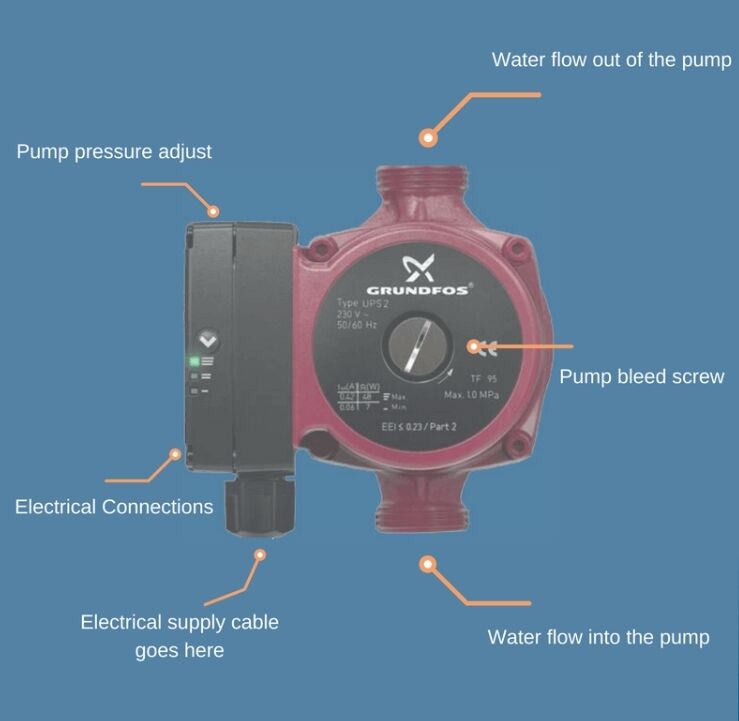
| What is the role of an electrically operated pump in central heating systems? | To circulate hot water through heat emitters such as radiators or underfloor heating. |
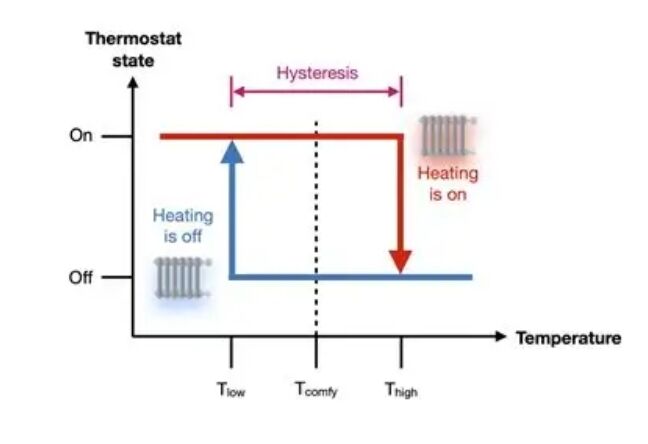
| What is hysteresis in the context of thermostats? | The temperature difference between switching on and off to avoid frequent cycling of equipment. |
| What is the purpose of contacts in zone or three-port valves? | To indicate the position of the valve and control associated equipment like pumps. |
Want to create your own Flashcards for free with GoConqr? Learn more.