
23160715
Description

Mind Map by Ainhoa Linde MartÃnez, updated more than 1 year ago

|
Created by Ainhoa Linde MartÃnez
over 6 years ago
|
|
UNITAT 7 - L’ENLLAÇ QUÍMIC
- L'ENLLAÇ QUÍMIC
- La TEORIA DE L’ENLLAÇ intenta donar
explicació a aquestes qüestions.
- Anomenem ENLLAÇ QUÍMIC a la
unió entre àtoms, molècules o
ions.
- La TEORIA DE L’ENLLAÇ intenta donar
explicació a aquestes qüestions.
- REGLA DE L’OCTET
- Els àtoms volen tenir 8 electrons a l’ultima capa, en funció del grup on
estan els elements tenen un nombre d’electrons a la capa de valència
- 2 Posibilitats
- Enllaç covalent
- COMPARTIR e- (no-METALL + no-METALL)
- COMPARTIR e- (no-METALL + no-METALL)
- Enllaç iònic
- CEDIR/CAPTAR e- (METALL+no-METALL)
- CEDIR/CAPTAR e- (METALL+no-METALL)
- Enllaç covalent
- Els àtoms volen tenir 8 electrons a l’ultima capa, en funció del grup on
estan els elements tenen un nombre d’electrons a la capa de valència
- UNIÓ DELS ÀTOMS
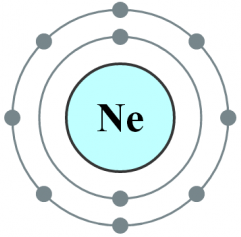
- Els gasos nobles són dels pocs elements que
podem trobar en forma d’àtoms independents
- És habitual trobar els àtoms
enllaçats formant elements o
compostos
- Els àtoms s’uneixen perquè així es tornen
més estables
- Els gasos nobles són dels pocs elements que
podem trobar en forma d’àtoms independents
- ELEMENTS
- Tots els àtoms
són iguals
- Es troben a la natura formant:
- Àtoms sols
- Agrupacions
petites d’àtoms
- Agrupacions
petites d’àtoms
- Molècules
- Agrupacions petites d’àtoms
- Agrupacions petites d’àtoms
- Estructures gegants
- Agrupacions de molts
àtoms units entre ells
fent una xarxa
tridimensional
- Agrupacions de molts
àtoms units entre ells
fent una xarxa
tridimensional
- Àtoms sols
- Tots els àtoms
són iguals
- ENLLAÇ METÀL·LIC
- Enllaç entre àtoms metàl·lics idèntics que
cedeixen els electrons per completar
l’octet
- Els electrons formen un núvol
electrònic o gas electrònic en què es
troben immersos els cations
- Els electrons poden
circular lliurement
entre els nuclis i són
compartits per tots
ells
- Els cations formen
XARXES
TRIDIMENSIONALS
- ELEMENTS METÀL·LICS
- Sòlids excepte el mercuri
- Bons conductors de la
calor i l’electricitat
- Són dúctils i
mal·leables
- Amb lluïssor metàl·lica
- Sòlids excepte el mercuri
- Enllaç entre àtoms metàl·lics idèntics que
cedeixen els electrons per completar
l’octet
- ENLLAÇ COVALENT
- Compartició d’electrons entre
un no-METALL i un altre
no-METALL
- Poden formar ELEMENTS
o COMPOSTOS
- SUBSTÀNCIES
MOLECULARS
- Petites
agrupacions
d’àtoms
- Punts de fusió i
ebullició baixos
- No conductors
- Poc solubles en aigua
- Petites
agrupacions
d’àtoms
- CRISTALLS
COVALENTS
- Sòlids amb punts de fusió alts
- Durs i fràgils
- No conductors
- Insolubles en dissolvents habituals
- Poc reactius amb substàncies habituals
- Sòlids amb punts de fusió alts
- Compartició d’electrons entre
un no-METALL i un altre
no-METALL
- ENLLAÇ IÒNIC
- Transferència d’electrons entre un METALL i un
no-METALL
- Els no-metalls guanyen electrons: ANIONS
Els metalls perden electrons: CATIONS
- Els no-metalls guanyen electrons: ANIONS
Els metalls perden electrons: CATIONS
- Els ions formats, amb càrregues oposades s’uneixen
per forces elèctriques
- Té lloc simultàniament en milions d’àtoms formant una
estructura ordenada anomenada XARXA O CRISTALL IÒNIC
- No formen molècules sinó estructures gegants (CRISTALLS IÒNICS)
- CRISTALLS IÒNICS
- Sòlids a temperatura ambient (NO CONDUCTORS)
- Punts de fusió elevats
- Solubles en aigua
- Fosos o en dissolució
(CONDUCTORS DE CORRENT
ELÈCTRIC)
- Sòlids a temperatura ambient (NO CONDUCTORS)
- Transferència d’electrons entre un METALL i un
no-METALL
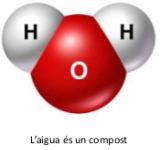
- COMPOSTOS
- Unió d’àtoms diferents en
una proporció fixa (fórmula
química)
- Es troben a la natura formant:
- Molècules
- Agrupacions petites d’àtoms
- Agrupacions petites d’àtoms
- Estructures gegants
- Agrupacions de molts àtoms units entre ells
fent una xarxa tridimensional
- Agrupacions de molts àtoms units entre ells
fent una xarxa tridimensional
- Molècules
- Unió d’àtoms diferents en
una proporció fixa (fórmula
química)
Media attachments
Want to create your own Mind Maps for free with GoConqr? Learn more.