
35138699
Description

Mind Map by Sofia Giron Torres, updated more than 1 year ago

|
Created by Sofia Giron Torres
almost 5 years ago
|
|
Properties of Ionic Compounds
- 8. Solubility
Annotations:
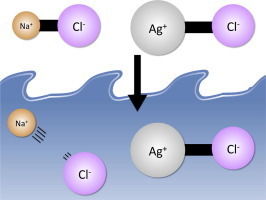
- Ionic compounds are generally soluble in polar solvents such as water whereas solubility tends to decrease in non-polar solvents such as petrol, gasoline, etc.
- 6. Texture and
hardness
Annotations:
- Ionic crystals are hard because the positive and negative ions are strongly attracted to each other and difficult to separate, however, when pressure is applied to an ionic crystal then ions of like charge may be forced closer to each other. The electrostatic repulsion can be enough to split the crystal, which is why ionic solids also are brittle.
- 10. Usual state
of matter
Annotations:
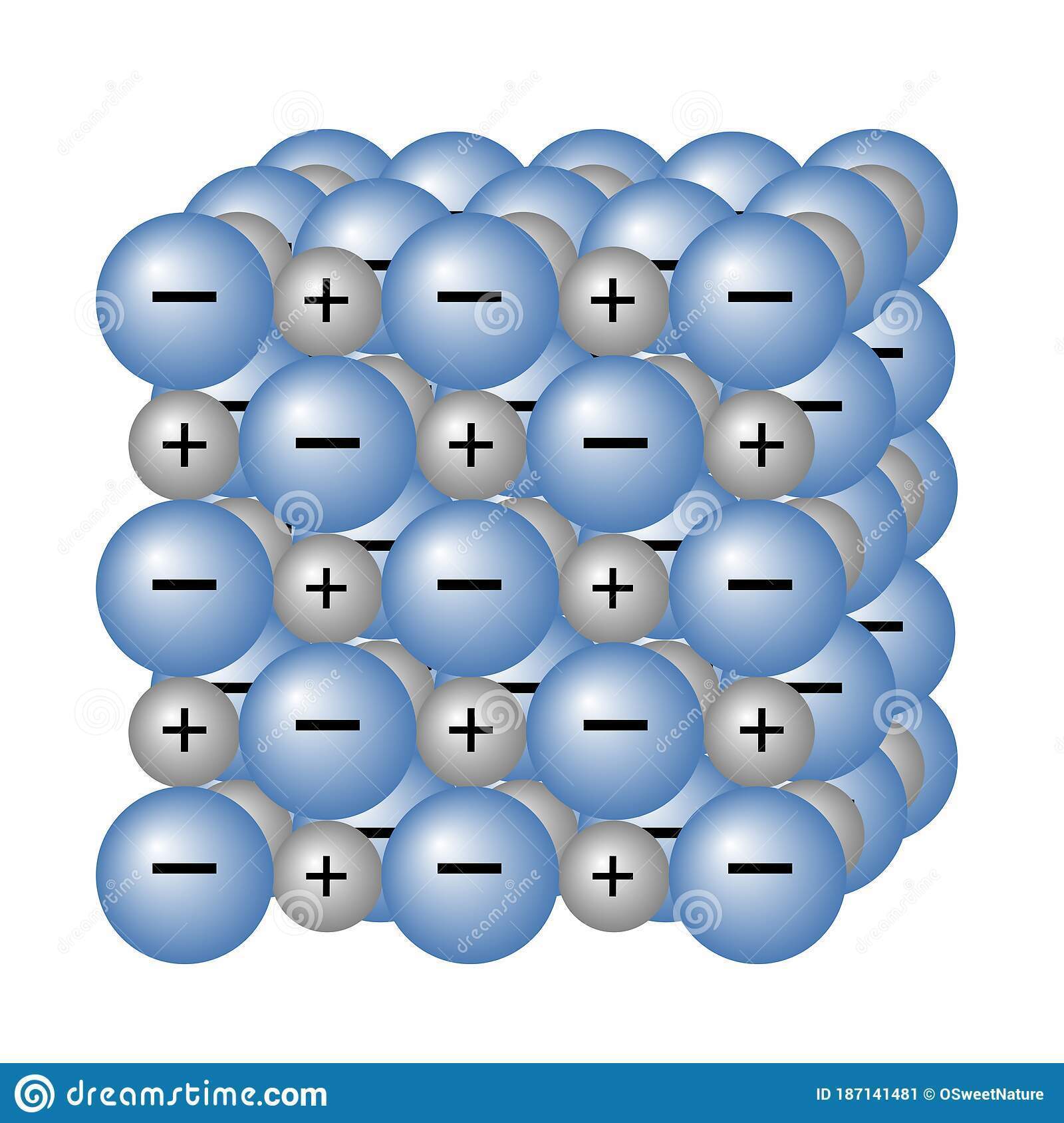
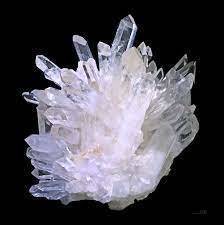
- Ionic compounds typically are solids at room temperature. They form a crystal lattice structure when more than one molecule is present. These types of compounds will tend to dissolve in water. When the water molecules surround an ionic crystal, the positive and negative charges of the ionic compound are able to separate and move freely throughout the water.
- 7. Conductivity
Annotations:
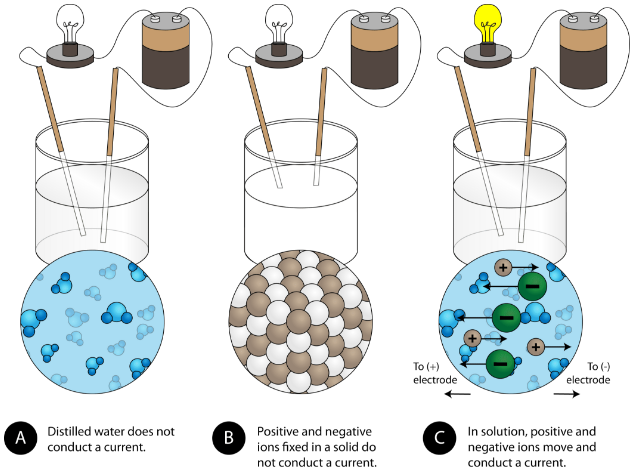
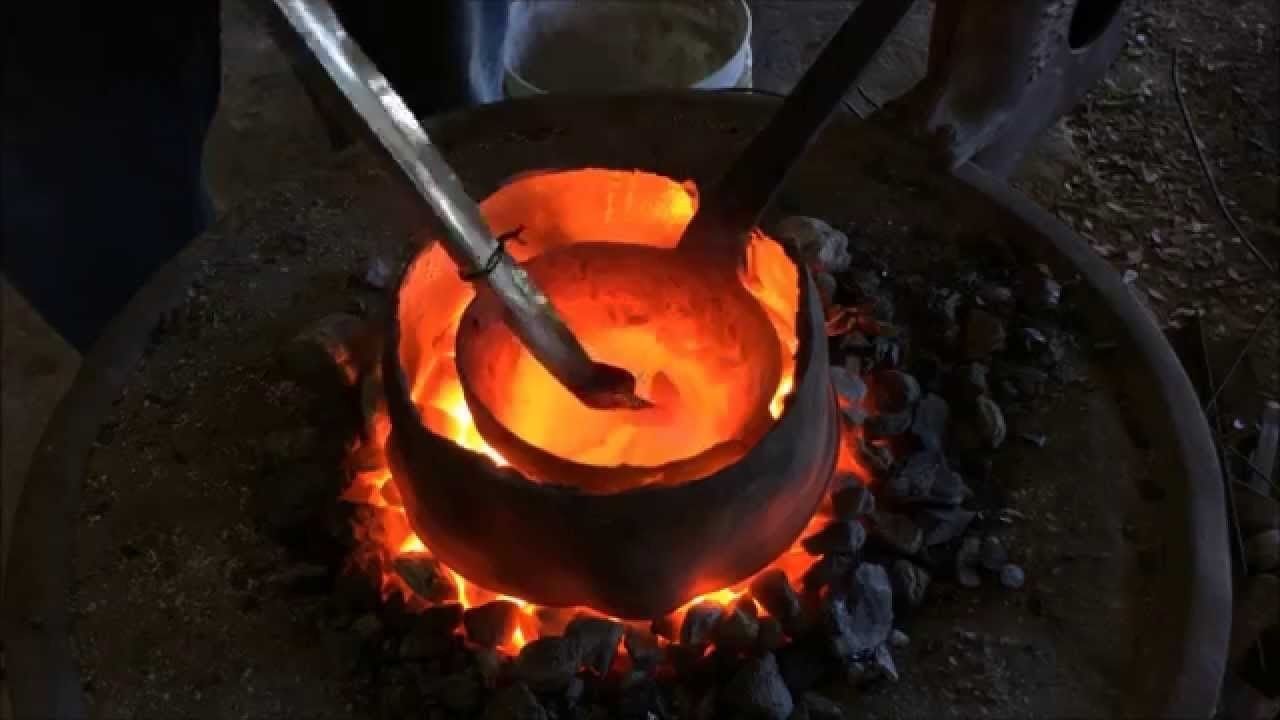
- When ionic compounds are dissolved in water the dissociated ions are free to conduct electric charge through the solution. Molten ionic compounds (molten salts) also conduct electricity.
- 4. Melting
and boiling
point
Annotations:
- High temperatures are required to overcome the attraction between the positive and negative ions in ionic compounds. Therefore, a lot of energy is required to melt ionic compounds or cause them to boil.
- 2. Description of
the bond
Annotations:
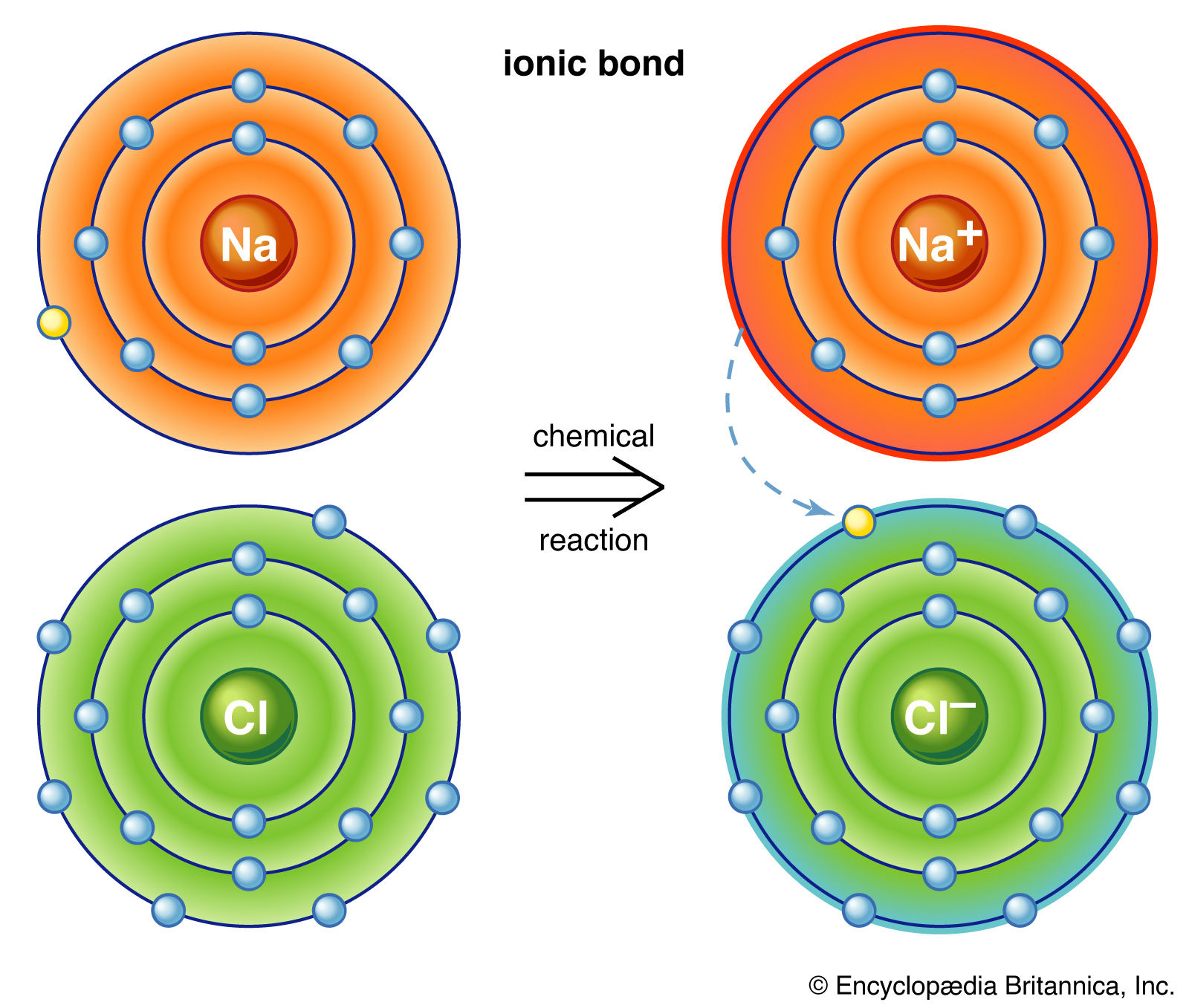
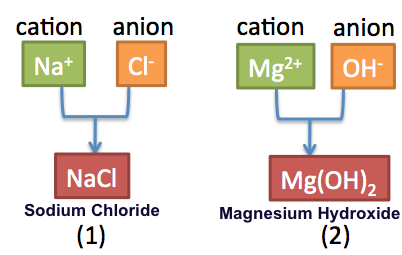
- Ionic bonding is the complete transfer of valence electron(s) between atoms. It is a type of chemical bond that generates two oppositely charged ions. In ionic bonds, the metal loses electrons to become a positively charged cation, whereas the nonmetal accepts those electrons to become a negatively charged anion.
- 1. Elements
they contain
Annotations:
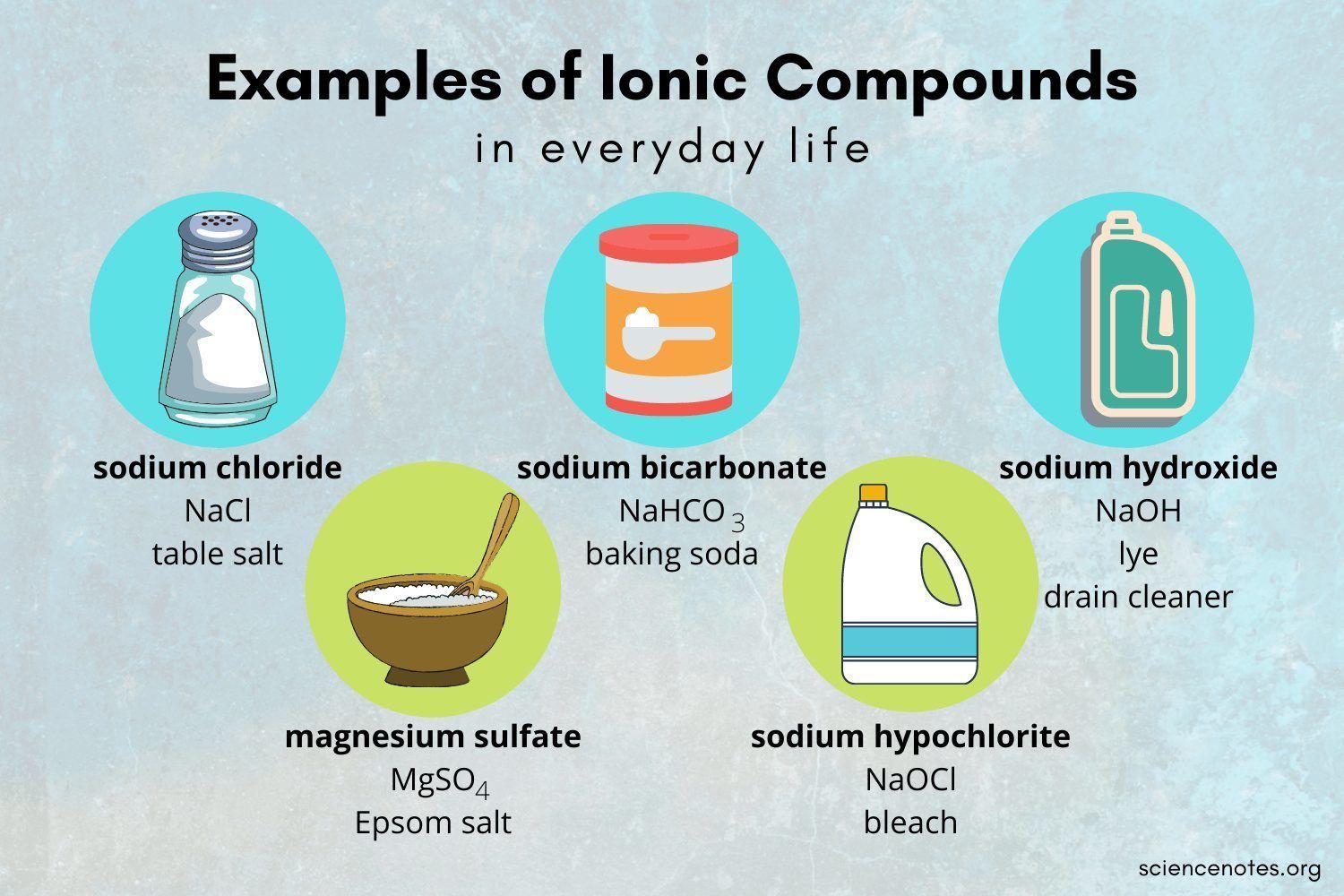
- Ionic compounds generally form between elements that are metals and elements that are nonmetals. For example, the metal calcium (Ca) and the nonmetal chlorine (Cl) form the ionic compound calcium chloride (CaCl2). In this compound, there are two negative chloride ions for each positive calcium ion. Table salt or sodium chloride (NaCl) Sodium hydroxide (NaOH) Chlorine bleach or sodium hypochlorite (NaOCl)
- 3. Structure
Annotations:
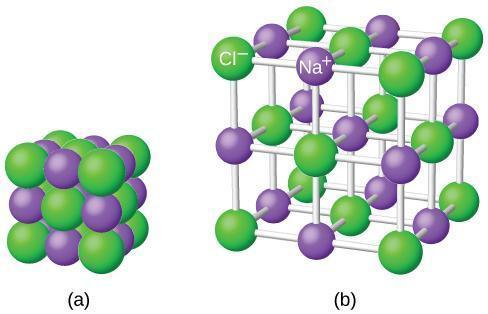
- The structure of an ionic compound depends on the relative sizes of the cations and anions. Ionic compounds include salts, oxides, hydroxides, sulphides, and the majority of inorganic compounds. Ionic solids are held together by the electrostatic attraction between the positive and negative ions.
- 9. How are
they called?
Annotations:
- All ionic compounds are salts, so ionic compounds are also known as saltlike compounds. Thus, ionic compounds are also called electrovalent compounds, salt-like compounds and saline compounds.
- 5. Description
of the bond
Media attachments
Want to create your own Mind Maps for free with GoConqr? Learn more.