
39767809
Description

Mind Map by Luis David Guanga Chavez, updated more than 1 year ago

|
Created by Luis David Guanga Chavez
over 1 year ago
|
|
Big Data.
- Evolution of Big Data
- Origins (1960-2000)
- Technological Evolution: The first data processing systems, such as punched cards,
allowed the management of large volumes of information in government and business
projects.
- Digital Data Growth: The Emergence of Databases relational databases (RDBMS)
and the development of the World Wide Web increased data generation and storage.
- Technological Evolution: The first data processing systems, such as punched cards,
allowed the management of large volumes of information in government and business
projects.
- Development (2000-2010)
- Exponential Data Increase: The rise of the internet and social networks, such
as Facebook and Twitter generated a massive amount of digital data.
- Big Data Technologies: Technologies such as Hadoop were
developed to manage and process large volumes of data efficiently.
- Exponential Data Increase: The rise of the internet and social networks, such
as Facebook and Twitter generated a massive amount of digital data.
- Big Data Era (2010 to present)
- Machine Learning Integration: Companies began to use algorithms advanced and
machine learning techniques to extract valuable information from large data sets.
- Applications in Key Sectors: Big Data became essential for the
decision making in sectors such as health, finance and marketing
- Machine Learning Integration: Companies began to use algorithms advanced and
machine learning techniques to extract valuable information from large data sets.
- Big Data in e future
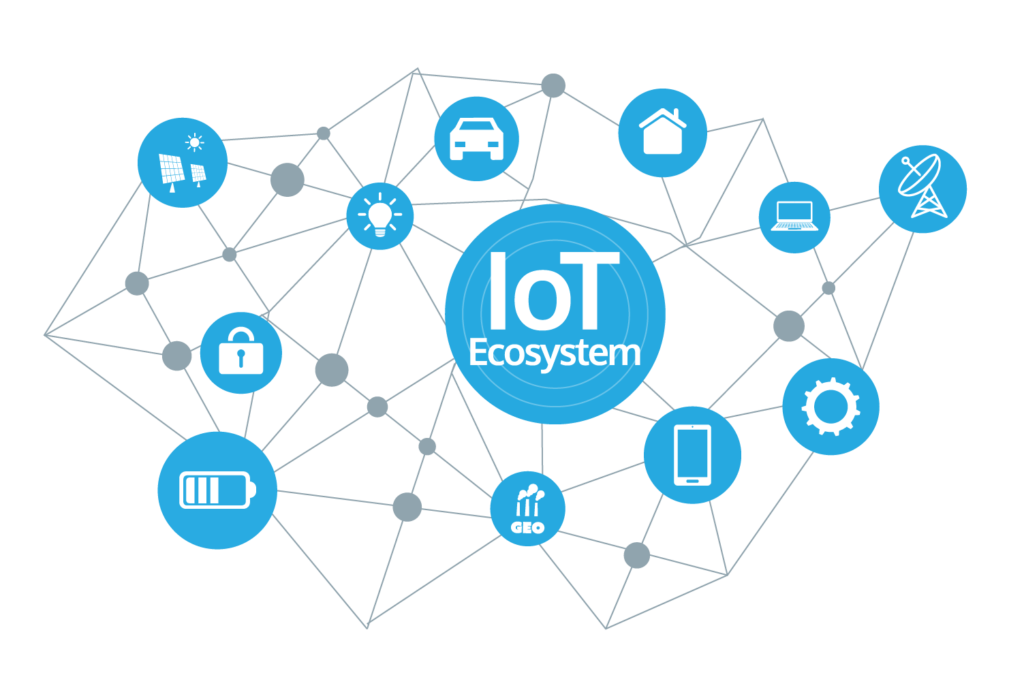
- Integration with IoT and Edge Computing: Real-time data collection and analysis
from Connected devices will improve efficiency and instant decision making.
- Ethics and Data Privacy: Organizations must implement policies and technologies to protect sensitive
information and ensure the ethical use of data.
- Integration with IoT and Edge Computing: Real-time data collection and analysis
from Connected devices will improve efficiency and instant decision making.
- Origins (1960-2000)
- Implications of Big Data
- Business
- Marketing y Ventas: Análisis de datos de clientes para personalizar
campañas y mejorar la segmentación de mercado.
- Data analysis tools such as Google Analytics and CRM (Customer Relationship
Management) to analyze the customer behavior and personalize campaigns.
- Data analysis tools such as Google Analytics and CRM (Customer Relationship
Management) to analyze the customer behavior and personalize campaigns.
- Supply chain management: Inventory and logistics
optimization by analyzing data in real time
- Programs such as SAP and Oracle allow inventory
optimization and Logistics through real-time data analysis.
- Programs such as SAP and Oracle allow inventory
optimization and Logistics through real-time data analysis.
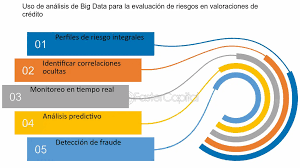
- Finance: Fraud detection and financial risk analysis.
- Predictive analysis tools such as SAS and machine algorithms
learning to detect fraud and evaluate financial risks.
- Predictive analysis tools such as SAS and machine algorithms
learning to detect fraud and evaluate financial risks.
- Marketing y Ventas: Análisis de datos de clientes para personalizar
campañas y mejorar la segmentación de mercado.
- Health
- Diagnosis and Treatment: Analysis of large volumes of data
physicians to identify patterns and improve diagnoses.
- Medical data analysis software such as IBM Watson Health Helps
identify patterns and improve diagnoses.nd improve diagnoses.
- Medical data analysis software such as IBM Watson Health Helps
identify patterns and improve diagnoses.nd improve diagnoses.
- Medical Research: Using data to discover new therapies and medications.
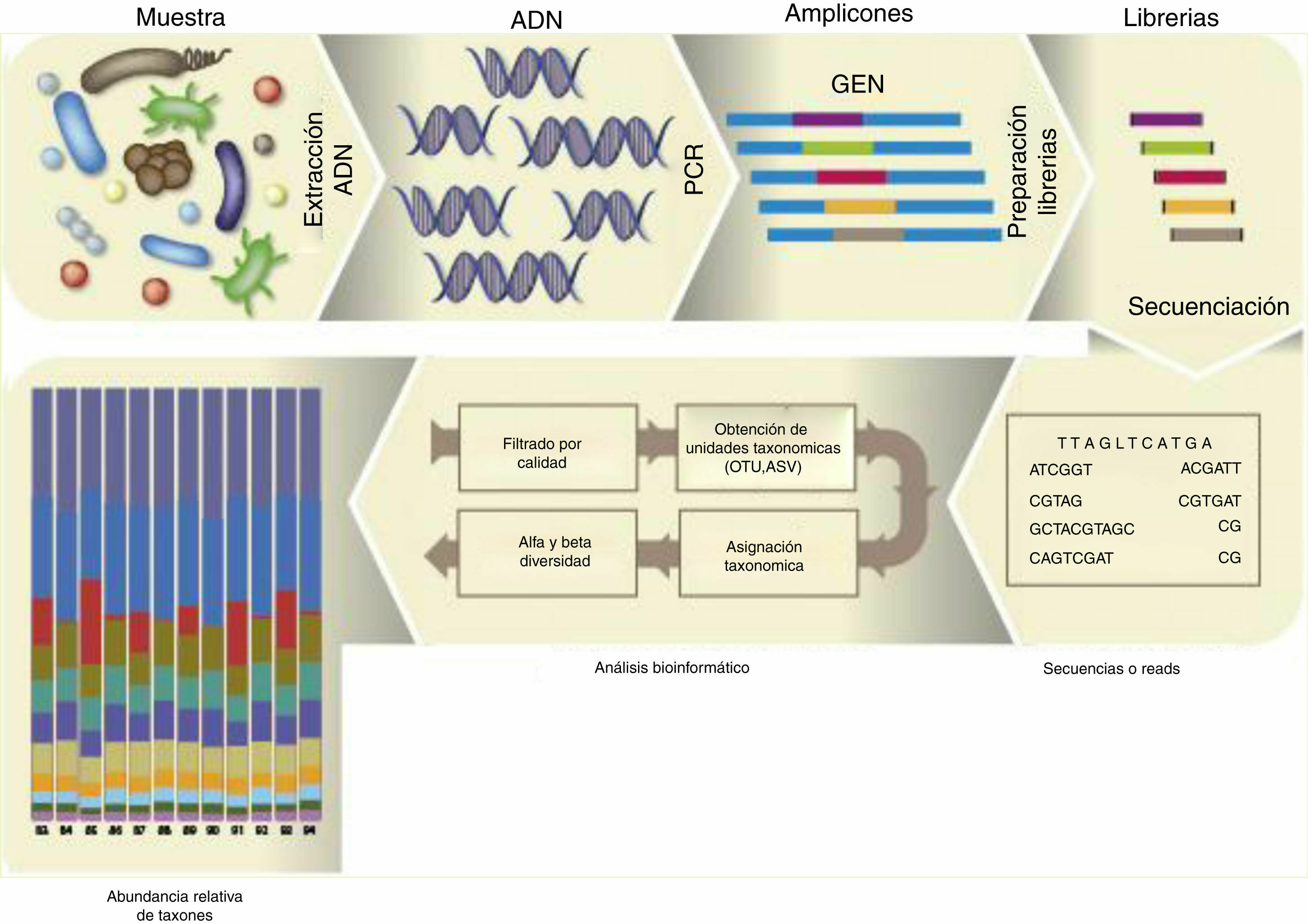
- Platforms such as Bioinformatics and analysis tools
genomics to discover new therapies and drugs.
- Platforms such as Bioinformatics and analysis tools
genomics to discover new therapies and drugs.
- Hospital Management: Optimization of resources and improvement
in patient care through operational data analysis.
- Hospital Information Systems (HIS) and Operational Data
Analysis to optimize resources and improve patient care.
- Hospital Information Systems (HIS) and Operational Data
Analysis to optimize resources and improve patient care.
- Diagnosis and Treatment: Analysis of large volumes of data
physicians to identify patterns and improve diagnoses.
- Government
- Public Policies: Data analysis to design more effective and evidence-based policies.
- Data analysis tools like Tableau and Power BI to
design evidence-based policies.
- Data analysis tools like Tableau and Power BI to
design evidence-based policies.
- Resource Management: Monitoring and optimization of the use of public
resources.
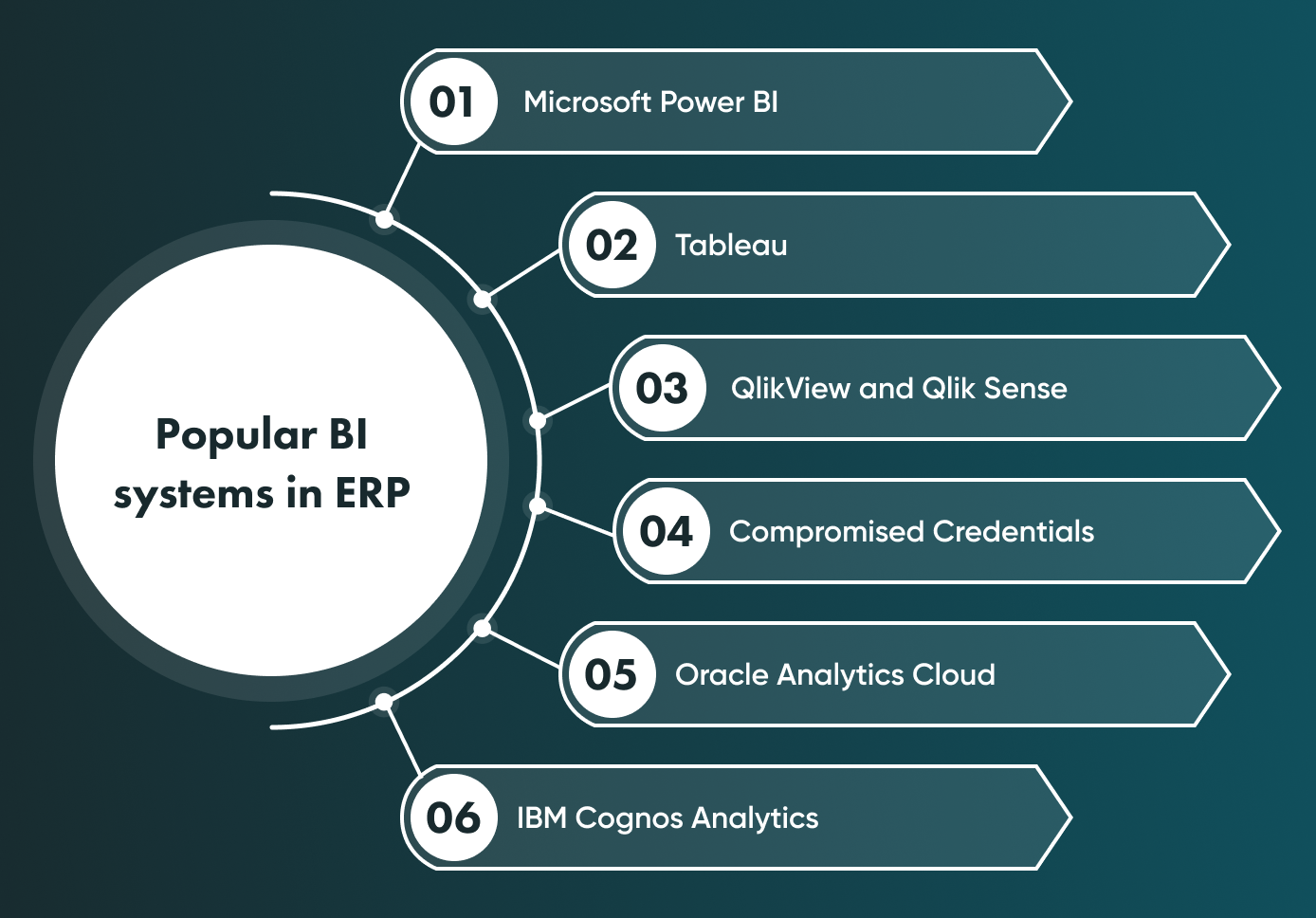
- Resource management systems (ERP) for monitor
and optimize the use of public resources.
- Resource management systems (ERP) for monitor
and optimize the use of public resources.
- Public Safety: Using data to prevent crime and improve emergency response.
- Predictive analytics software and surveillance systems for
prevent crime and improve emergency response
- Predictive analytics software and surveillance systems for
prevent crime and improve emergency response
- Public Policies: Data analysis to design more effective and evidence-based policies.
- Security
- Cybersecurity: Detection of threats and vulnerabilities through the analysis of data patterns.
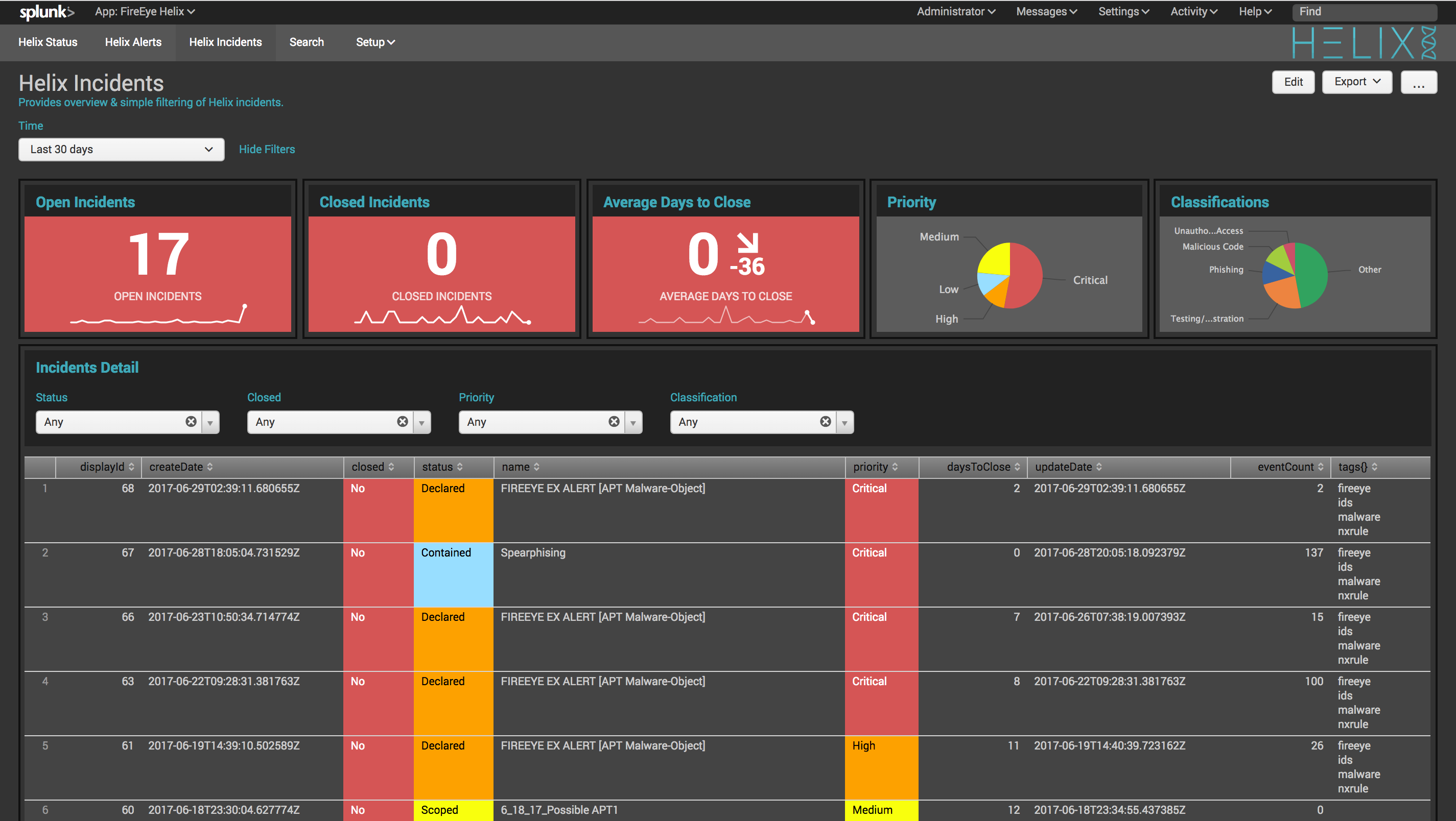
- Security platforms like Splunk and FireEye to detect threats and
vulnerabilities by analyzing data patterns.
- Security platforms like Splunk and FireEye to detect threats and
vulnerabilities by analyzing data patterns.
- Data Protection: Implementation of measures to ensure the privacy and security of information.
- Encryption technologies and data management programs for
ensure the privacy and security of information.
- Encryption technologies and data management programs for
ensure the privacy and security of information.
- Fraud: Identification and prevention of fraudulent activities in real time.
- Machine learning algorithms and real-time analysis to identify and prevent fraudulent activities.
- Machine learning algorithms and real-time analysis to identify and prevent fraudulent activities.
- Cybersecurity: Detection of threats and vulnerabilities through the analysis of data patterns.
- Privacy
- Regulatory Compliance: Ensure that safety practices Data
handling complies with privacy regulations.
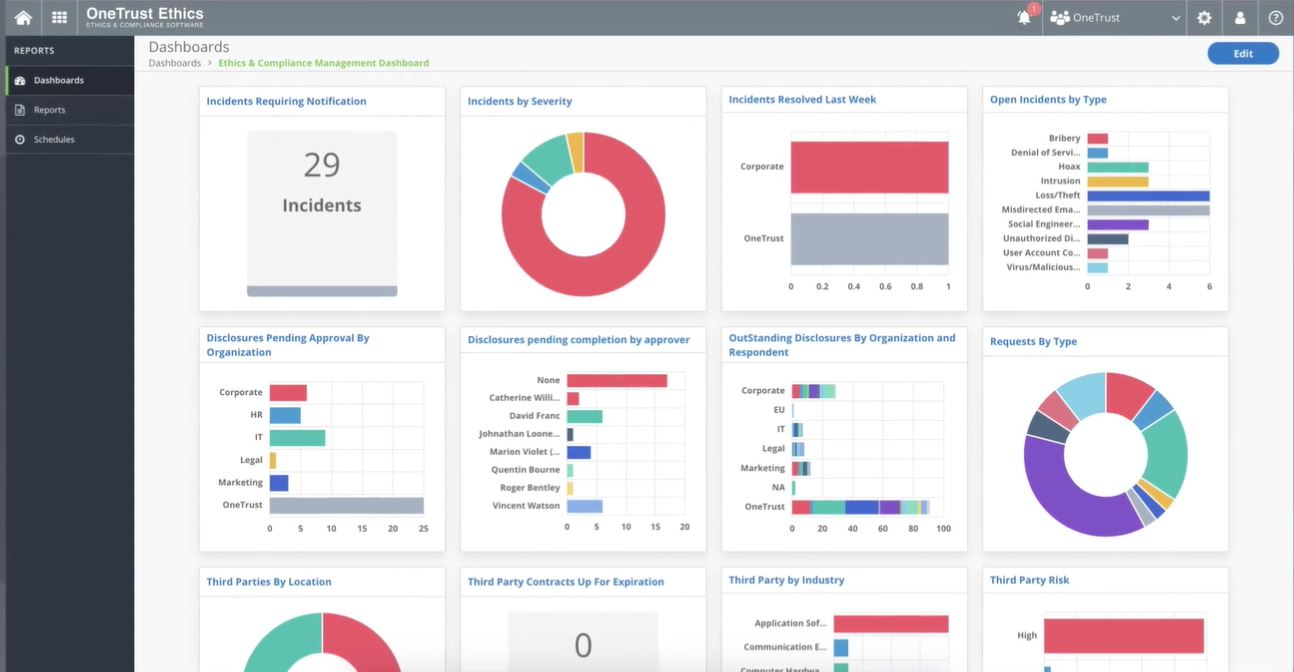
- Compliance management tools like OneTrust to ensure that Data
handling practices comply with privacy regulations.
- Compliance management tools like OneTrust to ensure that Data
handling practices comply with privacy regulations.
- Transparency: Ensure that users understand how their data is used.
- Consent management programs and communication platforms
for ensure that users understand how their data is used.
- Consent management programs and communication platforms
for ensure that users understand how their data is used.
- Protection of Personal Data: Implementation of technologies
and policies to protect sensitive information.
- Encryption technologies and security policies to protect sensitive information.
- Encryption technologies and security policies to protect sensitive information.
- Regulatory Compliance: Ensure that safety practices Data
handling complies with privacy regulations.
- Business
- Main Definitions of Big Data
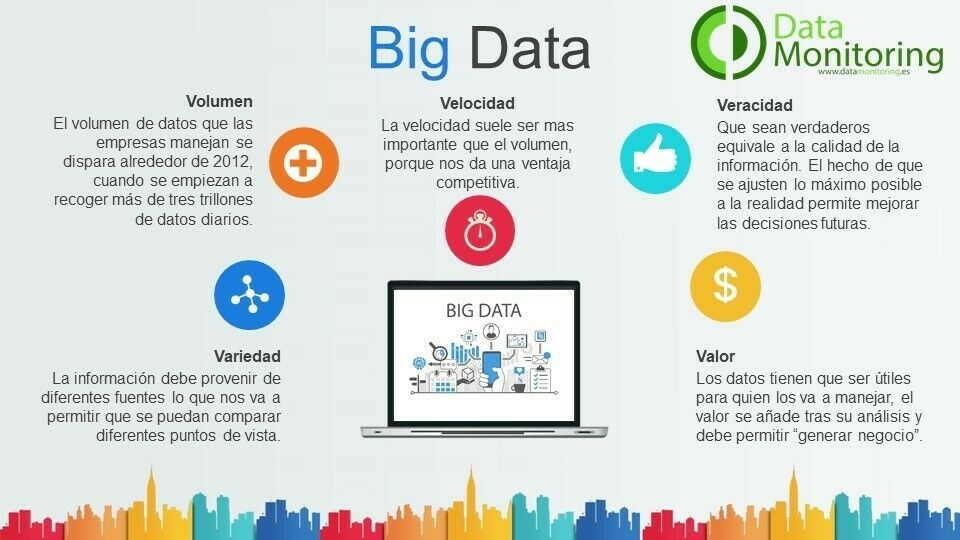
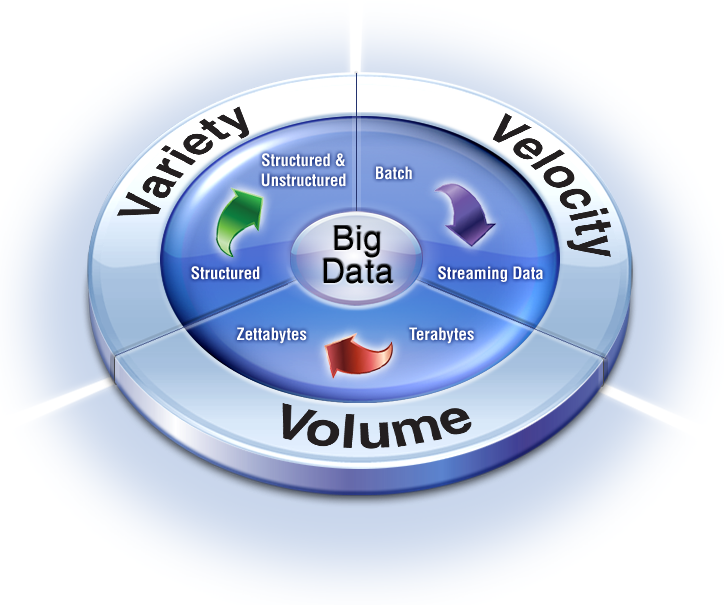
- Speed
- The speed with which data is generated and processed. This includes the
real-time analysis of data from IoT sensors and financial transactions.
- The speed with which data is generated and processed. This includes the
real-time analysis of data from IoT sensors and financial transactions.
- Volume
- It refers to the enormous amount of data generated and stored. Examples include
social media data, electronic transactions, and transaction records. sensors.
- It refers to the enormous amount of data generated and stored. Examples include
social media data, electronic transactions, and transaction records. sensors.
- Variety
- Diversity of data types, such as structured data (databases), not
structured (images, videos) and semi-structured (XML, JSON).
- Diversity of data types, such as structured data (databases), not
structured (images, videos) and semi-structured (XML, JSON).
- Veracity
- Data quality and accuracy. It is crucial to ensure that the data is reliable
and accurate to obtain valid results in the analysis.
- Data quality and accuracy. It is crucial to ensure that the data is reliable
and accurate to obtain valid results in the analysis.
- Worth
- Useful information obtained from data analysis. The goal is to transform large
volumes of data into valuable insights for decision making.
- Useful information obtained from data analysis. The goal is to transform large
volumes of data into valuable insights for decision making.
- Speed
- Motivations of Big Data
- Competitiveness
- Improved Decision Making: Companies use Big Data to analyze large volumes of information and make more
informed and faster decisions, which gives them a competitive advantage in the market
- Improved Decision Making: Companies use Big Data to analyze large volumes of information and make more
informed and faster decisions, which gives them a competitive advantage in the market
- Innovation
- Development of New Products and Services: Data analysis allows us to identify new market
opportunities and needs, facilitating the creation of products and services innovative.
- Development of New Products and Services: Data analysis allows us to identify new market
opportunities and needs, facilitating the creation of products and services innovative.
- Efficiency
- Process Optimization: Big Data helps identify inefficiencies and optimize operational
processes, which can reduce costs and improve productivity.
- Process Optimization: Big Data helps identify inefficiencies and optimize operational
processes, which can reduce costs and improve productivity.
- Personalization
- Personalized Experiences: Companies can use data to offer personalized
experiences for your customers, improving satisfaction and loyalty.
- Personalized Experiences: Companies can use data to offer personalized
experiences for your customers, improving satisfaction and loyalty.
- Strategic Decision Making
- Risk and Opportunity Assessment: Big Data analysis allows you to evaluate risks and
opportunities more accurately, supporting long-term strategic decision making term.
- Risk and Opportunity Assessment: Big Data analysis allows you to evaluate risks and
opportunities more accurately, supporting long-term strategic decision making term.
- Competitiveness
Media attachments









Want to create your own Mind Maps for free with GoConqr? Learn more.