
26527022
Description

Quiz by mekila nevens, updated more than 1 year ago

|
Created by mekila nevens
about 6 years ago
|
|
Question 1
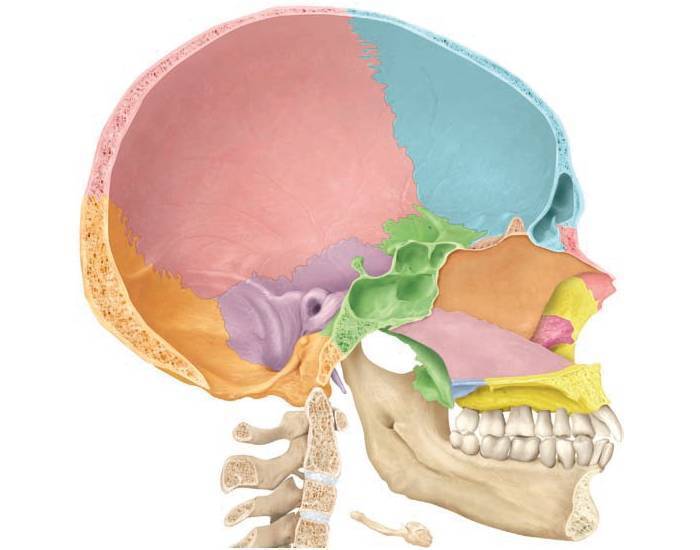
Answer
-
Medial
Question 2
Question
What is Medial View?
Answer
-
Towards the back
-
Towards the front
-
Towards the midline
-
Towards the tail
Question 3
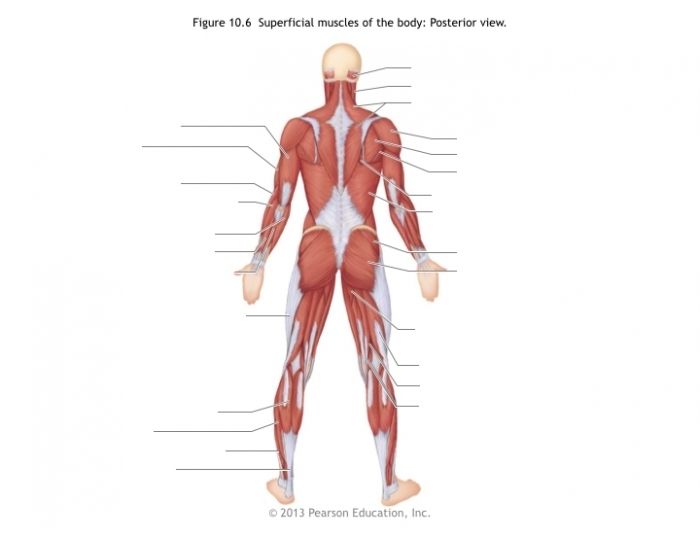
Answer
-
Posterior
Question 4
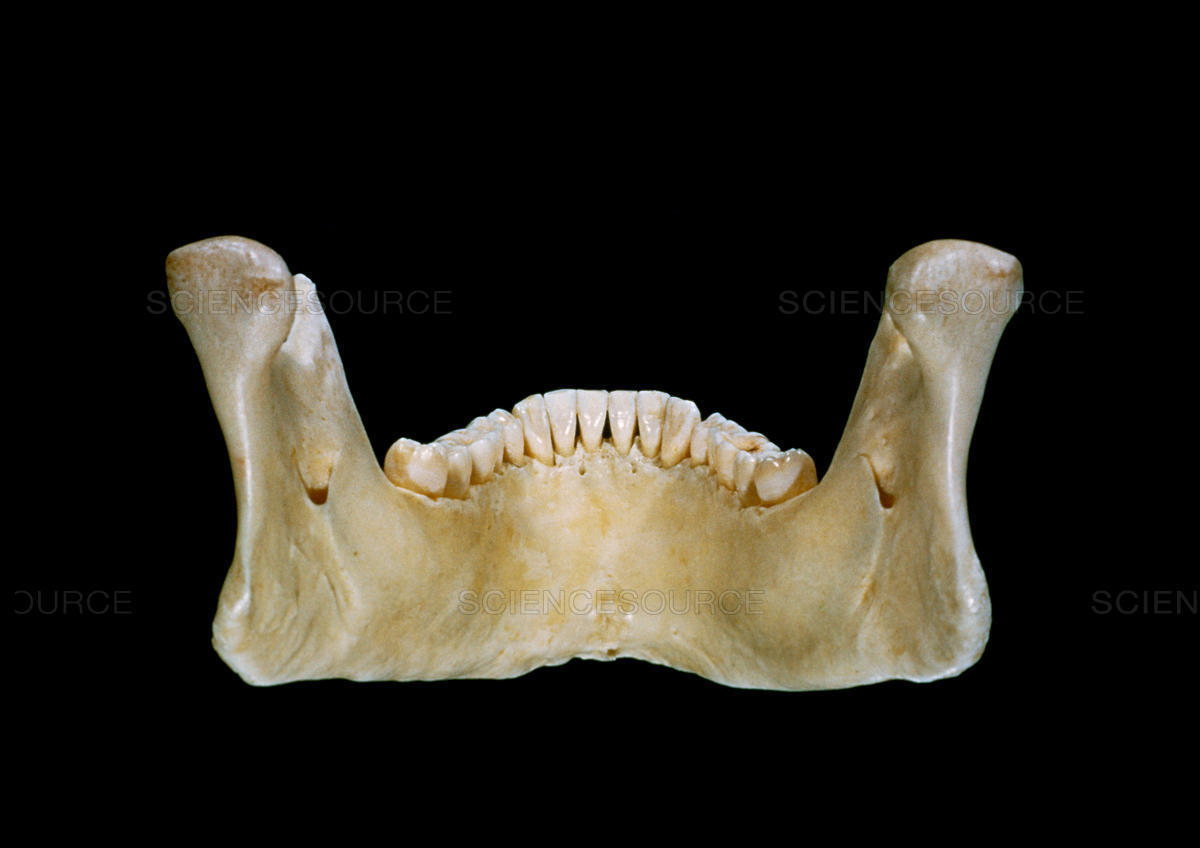
Answer
-
Posterior
-
Anterior
-
Lateral
-
Endocranial
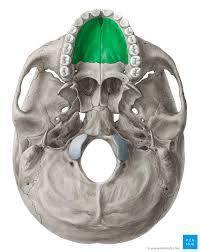
Question 5
Question
Chose the inferior view
Answer
-
Image:Ps (binary/octet-stream)
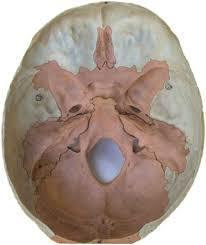
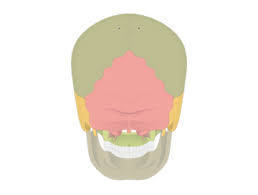
Question 6
Question
What is inferior view?
Answer
-
Body parts away from the head
-
Body parts away from the midline
-
Body parts towards the tail
-
Body parts farthest from the axial skeleton
Question 7
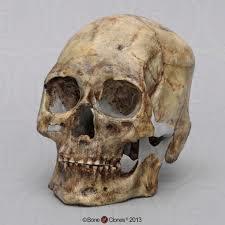
Answer
-
Kennewick Man
Question 8
Question
A [blank_start]Superior[blank_end] View, is also known as a bird's eye view of the skull.
Answer
-
Superior
Question 9
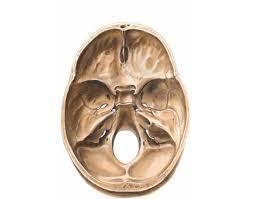
Answer
-
Superior
Question 10
Question
Anterior view is towards the back of the hominid body?
Answer
- True
- False
Question 11
Question
The breastbone, or sternum is located [blank_start]anterior[blank_end] to the backbone, or vertebral column.
Answer
-
anterior
Question 12
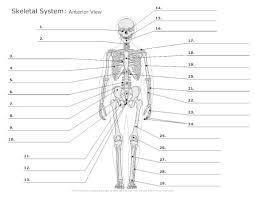
Answer
-
anterior
Question 13
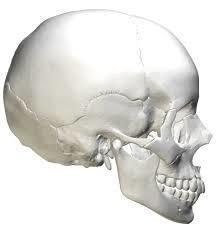
Answer
-
Lateral
Question 14
Question
Which are an example of Lateral View?
Answer
-
Image:As (binary/octet-stream)
-
Image:Lvs (binary/octet-stream)

Question 15
Question
Proximal is furthest from the axial skeleton
Answer
- True
- False
Question 16
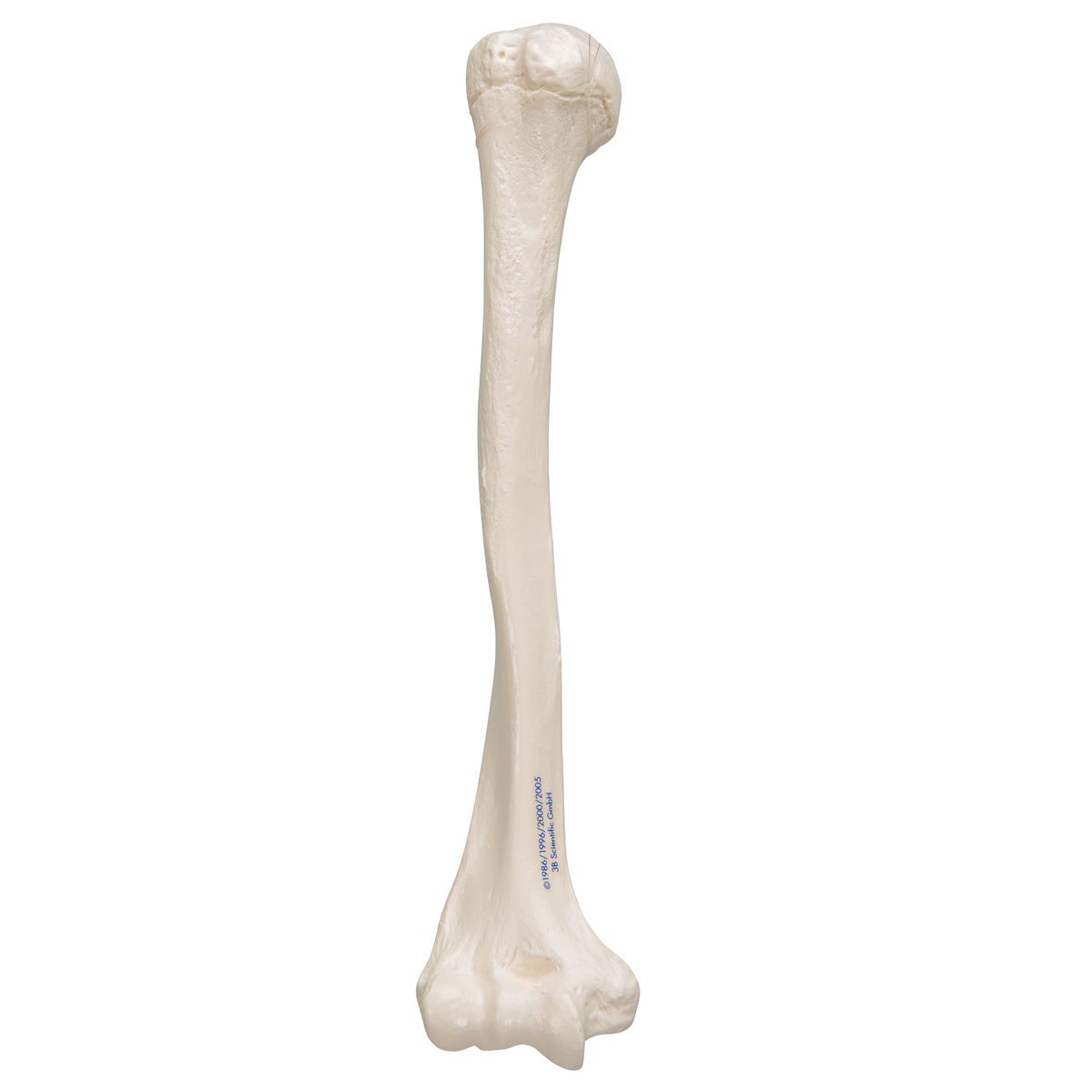
Answer
-
Proximal
Question 17
Answer
-
Distal
Question 18
Question
Distal is farthest from the axial skeleton
Answer
- True
- False
Question 19
Answer
-
ectocranial
Question 20
Question
Ectocranial view is the [blank_start]outer[blank_end] surface of the cranial vault
Answer
-
outer
Question 21
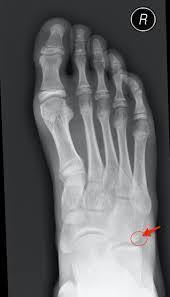
Answer
-
Dorsal
Question 22
Question
Which surface of the hand and foot often bear hair?
Answer
-
Dorsal
-
Palmar
-
plantar
-
Distal
Question 23
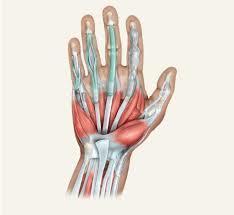
Answer
- True
- False
Question 24
Question
The bottom side of the hand is called the [blank_start]palmar[blank_end] surface
Answer
-
palmar
Question 25
Question
The sole of the foot is also known as the [blank_start]plantar[blank_end] surface
Answer
-
plantar
Question 26
Answer
-
Sagittal
Question 27
Question
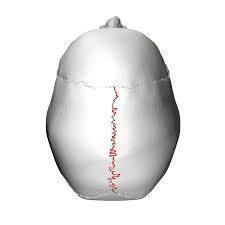
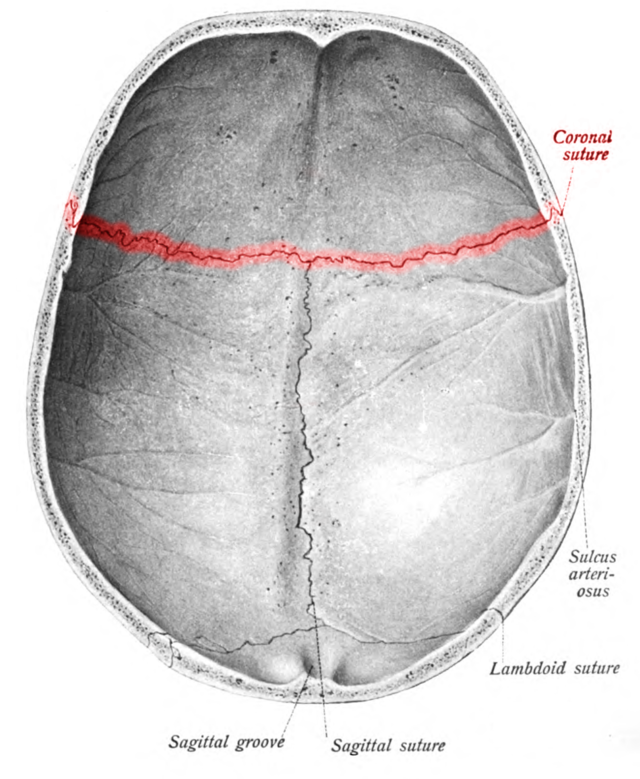
The [blank_start]sagittal[blank_end] suture separates the skull from left and right
Answer
-
sagittal
Question 28
Question
The [blank_start]coronal[blank_end] suture separates the skull from front to back
Answer
-
coronal
Question 29
Answer
-
coronal
Question 30
Question
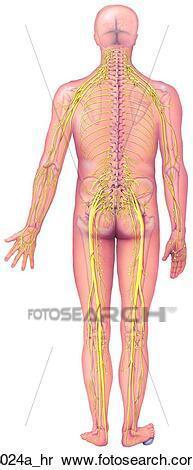
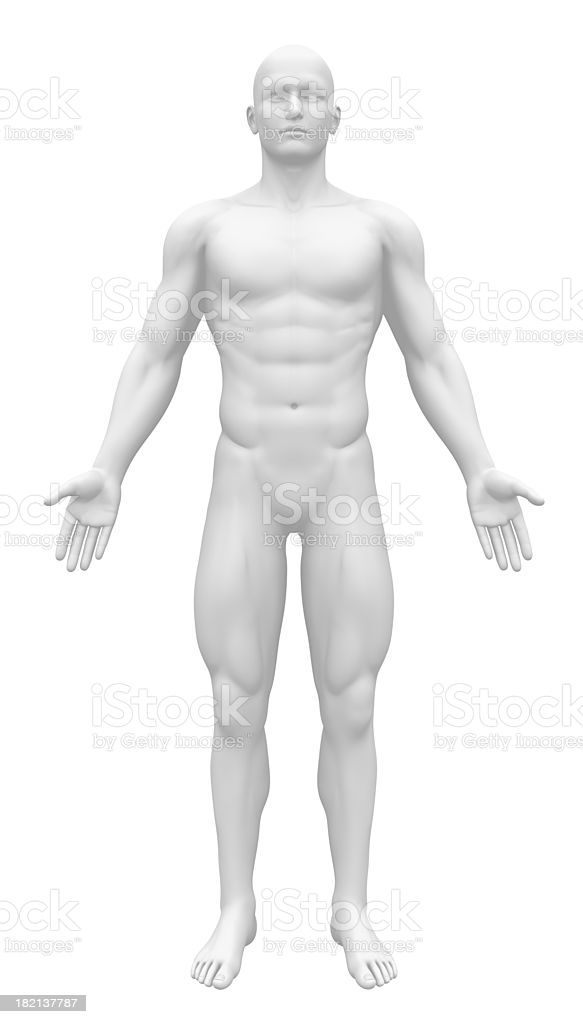
Which is in anatomical position?
Answer
-
Image:Lvs (binary/octet-stream)
-
Image:Ap (binary/octet-stream)
Question 31
Question
[blank_start]cranial[blank_end] refers to the skull
Answer
-
cranial
Question 32
Question
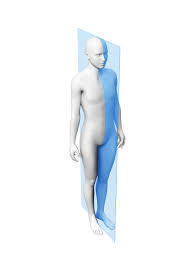
[blank_start]Sagittal plane[blank_end] divides body into left and right
Answer
-
Sagittal plane
Question 33
Answer
-
sagittal
Question 34
Answer
-
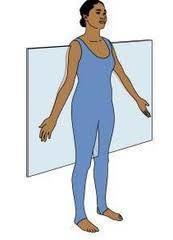
coronal
Question 35
Question
Coronal plane separates the body between anterior and posterior
Answer
- True
- False
Question 36
Answer
-
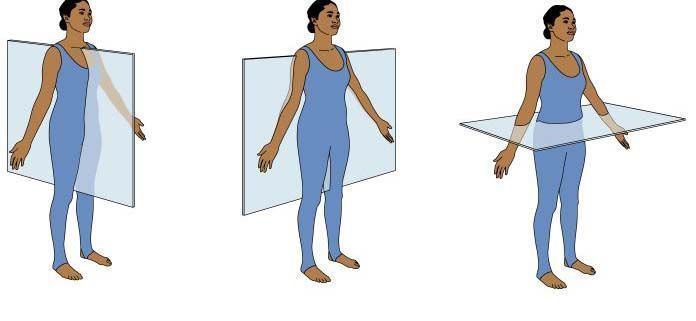
transverse
Question 37
Question
Which plane separates the body into top and bottom?
Answer
-
Sagittal Plane
-
Transverse Plane
-
Coronal Plane
Question 38
Question
On an animal, what do you call the position towards the tail?
Answer
-
Caudal
-
Ventral
-
Distal
-
Posterior
Question 39
Question
The [blank_start]ventral[blank_end] is the belly side of the body
Answer
-
ventral
Question 40
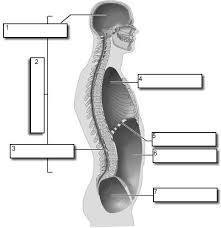
Answer
-
ventral
Question 41
Question
NAGPRA stands for...
Answer
-
Native American Guardian Protection and Reparation Act
-
Native American Grave Prevention and Reparation Act
-
Native American Grave Protection and Reparation Assistance
-
Native American Grave Protection and Reparation Act
Question 42
Question
What CAN we tell from looking at a skeleton?
Answer
-
Sex
-
Gender
-
Height
-
Age
-
Intelligence
-
Cause of death(sometimes, but rarely)
Question 43
Question
What CAN'T we tell from looking at a skeleton
Answer
-
Intelligence
-
Sex
-
Gender
-
Sexual Orientation
-
Chronic Pain(rarely)
Question 44
Question
Bioarcheology deals with modern human remains
Answer
- True
- False
Question 45
Question
[blank_start]Forensic Anthropology[blank_end] deals with modern human remains
Answer
-
Forensic Anthropology
Question 46
Question
Selective Mortality
Answer
-
The samples being studied are only of the dead people of specific ages. (e.g., we can't study a living 15-year-old from an ancient population, but only the 15-year-olds who died when they were 15).
-
We cannot discern the underlying vulnerabilities / frailty of an intermingled skeletal population
-
Populations aren't static. Regarding age-at-death, populations are not affected by changes in mortality rates, but by birth rate/fertility changes and more revealing of them
Question 47
Question
Demographic Nonstationarity
Answer
-
We cannot discern the underlying vulnerabilities / frailty of an intermingled skeletal population
-
Populations aren't static. Regarding age-at-death, populations are not affected by changes in mortality rates, but by birth rate/fertility changes and more revealing of them
-
The samples being studied are only of the dead people of specific ages. (e.g., we can't study a living 15-year-old from an ancient population, but only the 15-year-olds who died when they were 15).
Question 48
Question
Hidden Heterogeneity in disease Risks
Answer
-
We cannot discern the underlying vulnerabilities / frailty of an intermingled skeletal population
-
Populations aren't static. Regarding age-at-death, populations are not affected by changes in mortality rates, but by birth rate/fertility changes and more revealing of them.
-
The samples being studied are only of the dead people of specific ages. (e.g., we can't study a living 15-year-old from an ancient population, but only the 15-year-olds who died when they were 15).
Question 49
Question
According to the Osteological Paradox which one died first?
Answer
-
Image:Op (binary/octet-stream)
-
Image:Opf (binary/octet-stream)
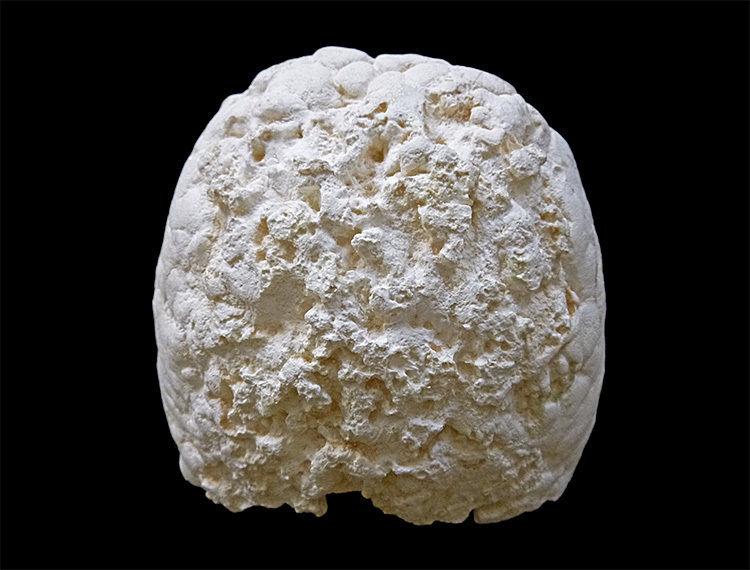
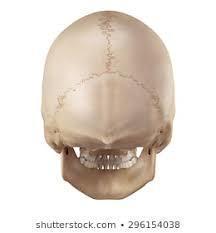
Question 50
Question
According to the [blank_start]Osteological Paradox[blank_end] someone who lived longer with a disease will show lesions on their bones. Whereas someone who died instantly from a disease will not show signs of a disease of their bones.
Answer
-
Osteological Paradox
Want to create your own Quizzes for free with GoConqr? Learn more.