
Apuntes
Developments in Patient Care
Contenido del apunte (4)
Página 1
Christianity: Health and Medicine
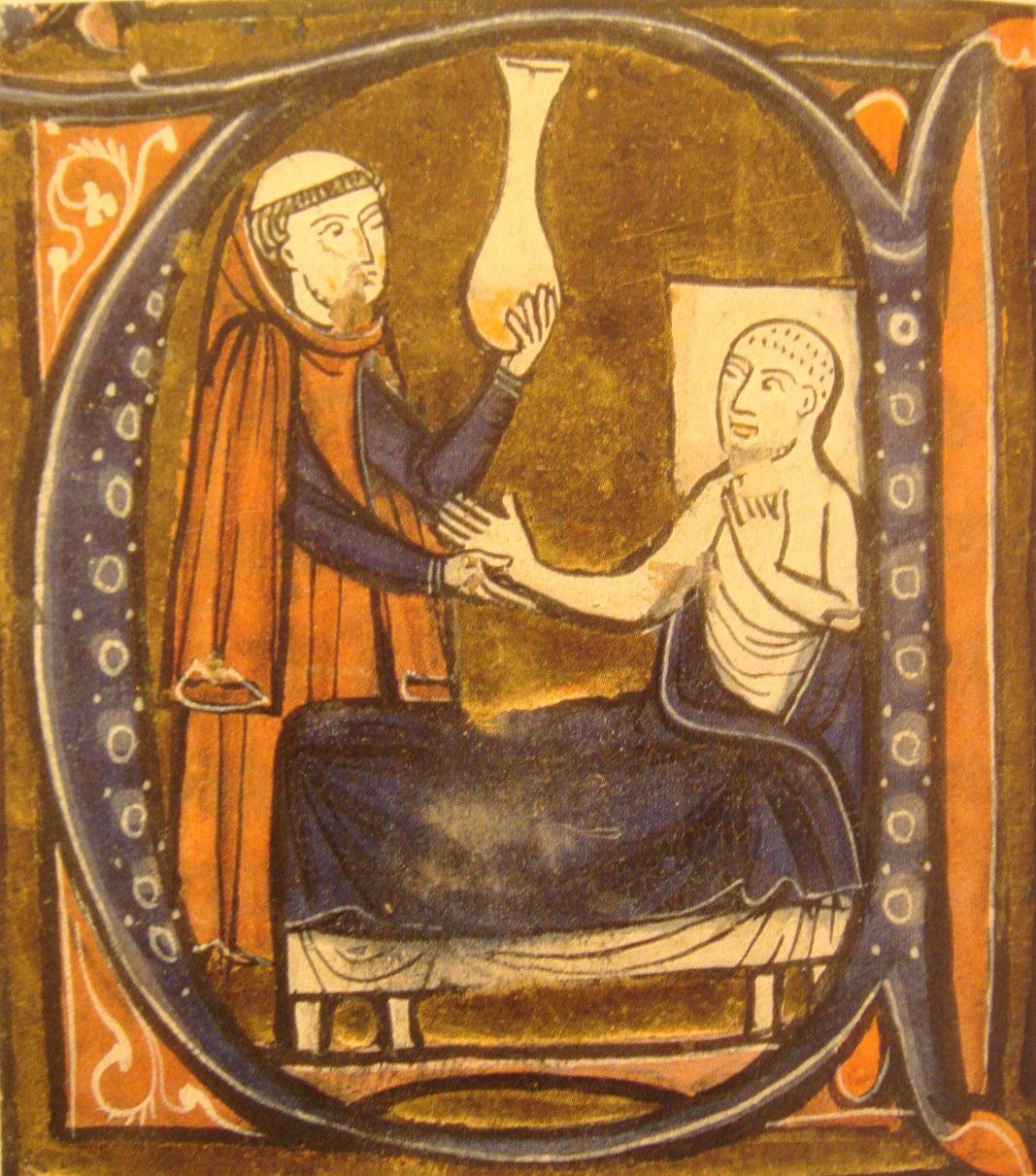
In the medieval period, hospitals were religious institutions that played a different role from what we witness today. In medieval hospitals there was a focus on the health of the soul over the body with a higher emphasis on religion and care rather than treatment and cure. Close to all medieval hospitals were run by the church and the building of monasteries in the 12th century led to a huge increase in the number of hospitals established between the 12th and 14th centuries.
Throughout England and Wales over 1,100 hospitals were set up in the medieval period. These hospitals varied in size but most were small and cared for no more than a dozen patients.
Página 2
Types of Hospitals in Medieval Times
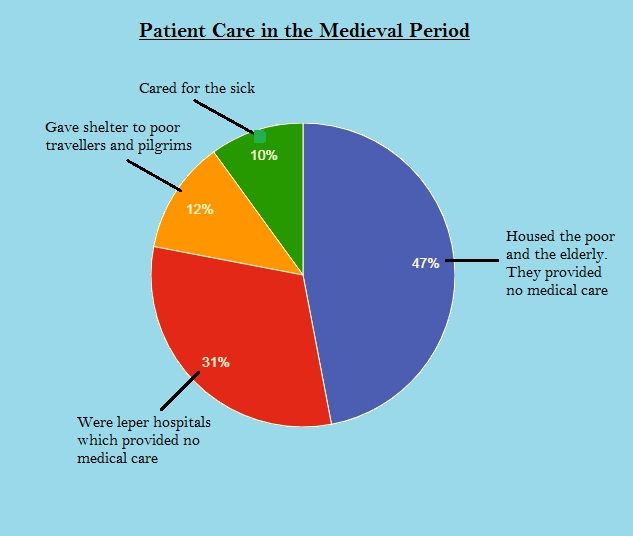
Even with the drastic growth in the amount of hospitals, only about 10% cared for the sick. These places were called hospitals because they specialised in 'hospitality', a place for rest and recuperation. For example, St Bartholomew's in London looked after destitute women who were pregnant and supported the infants of mothers who died during childbirth.
Leper hospitals:
This was an incurable and contagious disease during the medieval period
A leprosy epidemic during the 12th and 13th centuries brought a growth to specific leprosy hospitals
Leprosy caused horrible bodily deformity and lepers were forced to ring a bell as they walked
Many thought this disease was a punishment from God
Leper hospitals were built on the outskirts of the town and provided lodging and food
Almshouses:
Similar to a modern care home
Created in response to an aging population
Almshouses offered sheltered accommodation and basic nursing, but no medical treatment
Most were small; occupied by a priest and a dozen inmates
Almshouses also gave shelter to travellers and the poor
Christian hospitals:
These were established and fully funded by the church to look after the poor and sick
They did not treat sickness but aimed to make patients comfortable
People who were seriously ill and in need of constant care were often not let in, as they would distract from the main purposes of attending religious services and prayer
Basic nursing with regular meals and sometimes surgery and medicine
Staff were often brothers and sisters in religious orders but did not attempt to cure them
Doctors were very scarce e.g. St Bartholomew's which was founded in 1123 appointed its first doctor in the 16th century
Hospitals were religious institutions often referred to as the 'Houses of God'
Patients were expected to spend much of the day praying and confessing sins
It was believed these people were poor and sick because of their sin and they needed to rid themselves of this
Página 3
Mid-Sixteenth Century Onwards
The mid-sixteenth century saw a decline in the role of the church in offering patient care and the development of voluntary charities to take on the responsibilities of caring for the sick and poor.
When Henry VIII ordered the dissolution of monasteries in the 1530s many hospitals were shutdown and patient care was badly impacted. The church was no longer a supporter of hospitals and this role had to be taken on by voluntary charities. In some cases, town or city councils took over the running of almshouses. While in London, authorities petitioned the crown to offer funds to endow hospitals in order that they might continue to provide services for their communities. This was the first occasion when secular support was provided for medical establishments.
Página 4
'Royal Hospitals' in London
Five hospitals across London received an endowment of royal funds during the mid-16th century and allowed them to continue caring for the sick and poor in the capital. The endowment usually consisted of the granting of land, which could then be rented in order to provide the institution with a steady income.
St Bartholomew's Hospital:
Dissolution of monasteries took away their income
To keep the hospital open the city authorities petitioned the king
December 1546 - the institution was granted and endowed with properties, land and other incomes
St Mary Bethlehem (including Bethlem):
Dissolved in the late 1530s
1546 - the Lord Mayor of London petitioned the crown to grant both institutions in the city
1547 - a royal charter was granted; the site concentrated on caring for the mentally insane
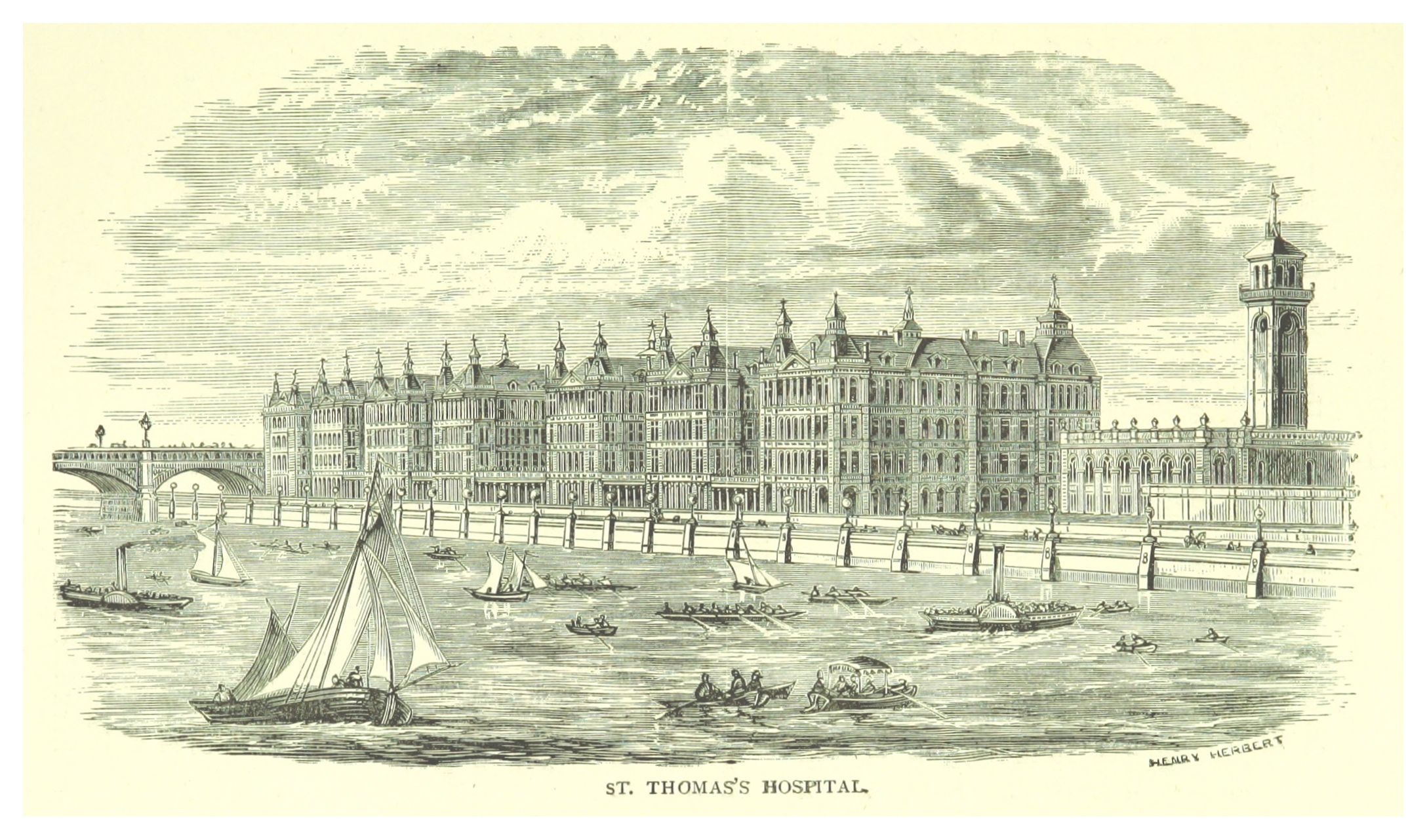
St Thomas' Hospital:
Originally founded in c.1100 by Augustinian monks and nuns
Monastery was dissolved in 1539 and the hospital closed
City of London authorities petitioned the crown and in 1551 King Edward VI granted the site by royal charter and the site reopened that year
Became a hospital for the sick poor and also treating patients suffering from venereal disease
Christ's Hospital:
Founded in 1553 by Edward VI
Offered shelter, clothing and food to fatherless children, alongside basic education
Bridewell hospital:
This was the fifth 'royal hospital'
It housed homeless children
Also, punished the disorderly poor
Voluntary hospitals were not just a phenomenon specific to London, towns across the country had local councils that organised endowments to keep their hospitals open.
During the 16th century, hospitals moved from religious institutions to hospitals that began to employ medical staff for the first time. Medical care began to have a focus on patients.
Información
- Descripción
- El usuario ha eliminado su información de asignaturas Apunte sobre Developments in Patient Care, creado por Usuario eliminado el 18/07/2017.
- Creado por
- Usuario eliminado
- Visitas
- 43
- Historial
-
- Creado por Andrew Burke · 17 jul 2017
- Copiado por Andrew Burke · 18 jul 2017
- Valoración