
Test
USA Prosthetics Exam 3
Este test tiene tipos de pregunta que se abren en el reproductor de siempre.
Preguntas del test (46)
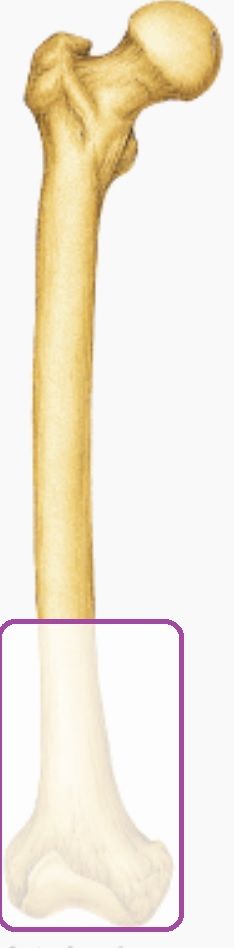
1Following a transfemoral amputation, if the amputation site is in the Distal 1/4 to 1/3 of the femur (i.e. Femur Length), what is the percentage of strength reduction? Select only the most correct answer(s).
- A35% of all movements
- B25% of all movements
- C45% of all movements
- D55% of extensors and abductors
- E65% of flexors and adductors
- F75% of extensors and abductors
- G85% of flexors and adductors
- H65% of extensors and abductors
- I85% of extensors and abductors
- J75% of flexors and adductors
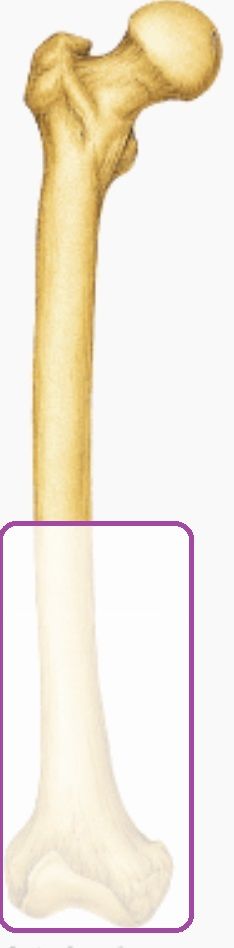
2Following a transfemoral amputation, if the amputation site is in the Distal 1/3 to 1/2 of the femur (i.e. Femur Length), what is the percentage of strength reduction? Select only the most correct answer(s).
- A35% of all movements
- B25% of all movements
- C45% of all movements
- D55% of extensors and abductors
- E65% of extensors and abductors
- F75% of extensors and abductors
- G85% of extensors and abductors
- H65% of flexors and adductors
- I75% of flexors and adductors
- J85% of flexors and adductors
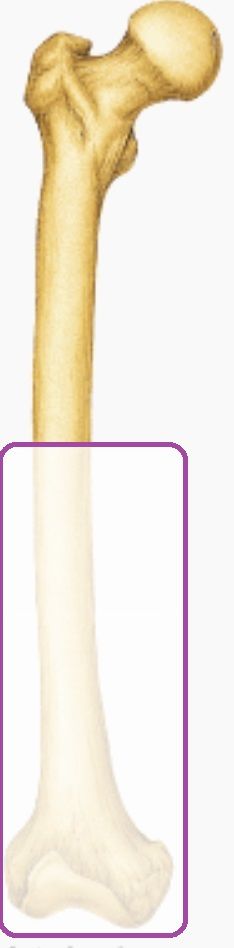
3Following a transfemoral amputation, if the amputation site is in the Mid Femur Region (i.e. Femur Length), what is the percentage of strength reduction? Select only the most correct answer(s).
- A35% of all movements
- B45% of all movements
- C25% of all movements
- D55% of extensors and abductors
- E65% of extensors and abductors
- F75% of extensors and abductors
- G85% of extensors and abductors
- H65% of flexors and adductors
- I75% of flexors and adductors
- J85% of flexors and adductors
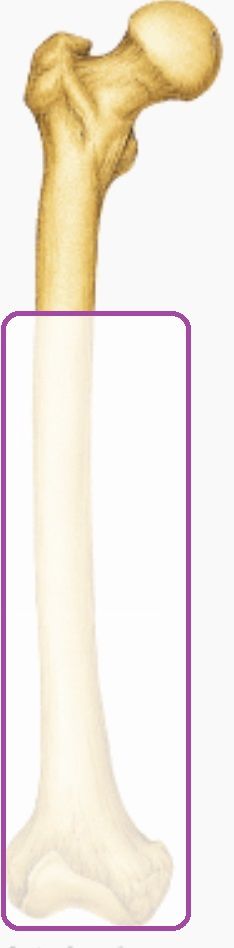
4Following a transfemoral amputation, if the amputation site is in the Proximal 1/3 of the femur (i.e. Femur Length), what is the percentage of strength reduction? Select only the most correct answer(s).
- A35% of all movements
- B25% of all movements
- C45% of all movements
- D55% of extensors and abductors
- E65% of extensors and abductors
- F75% of extensors and abductors
- G85% of extensors and abductors
- H65% of flexors and adductors
- I75% of flexors and adductors
- J85% of flexors and adductors
5Which of the following are the ADVANTAGES of a SOFT DRESSING?
- AAbility to inspect wound easily
- BProvide alternative wound environment, as needed
- CGood support to the surgical site, improved wound environment.
- DAmputees demonstrate greater confidence with movement with less chance of injury to healing tissue
- EPsychological benefits of ambulation
- FShorter hospital stay
- GReduced severity of phantom pain
6Which of the following are the ADVANTAGES of a SEMI-RIGID DRESSING?
- AAbility to inspect wound easily
- BProvide alternative wound environment as needed
- CGood support to the surgical site, improved wound environment
- DAmputees demonstrate greater confidence with movement with less chance of injury to healing tissue
- EPsychological benefits of ambulation
- FShorter hospital stay
- GReduced severity of phantom pain
7Which of the following are the ADVANTAGES of a RIGID DRESSING?
- AAbility to inspect wound easily
- BProvide alternative wound environment as needed
- CGood support to the surgical site, improved wound environment
- DAmputees demonstrate greater confidence with movement with less chance of injury to healing tissue
- EPsychological benefits of ambulation
- FShorter hospital stay
- GReduced severity of phantom pain
8Which of the following are the ADVANTAGES of an IPOP DRESSING?
- AAbility to inspect wound easily
- BProvide alternative wound environment as needed
- CGood support to the surgical site, improved wound environment
- DAmputees demonstrate greater confidence with movement with less chance of injury to healing tissue
- EPsychological benefits of ambulation
- FShorter hospital stay
- GReduced severity of phantom pain
9Which of the following are the DIS-ADVANTAGES of an IPOP DRESSING?
- ADifficult to monitor moisture, temperature, sterility of wound surface under the dressing.
- BApplication of the dressing may create tourniquet effect or varied pressure to the limb.
- CSlippage of the dressing frequently occurs.
- DMovement of the dressing over underlying wound and soft tissue can create pain and apprehension.
- EFrequently the elderly and more pain sensitive amputees will restrict movement and activity to avoid further discomfort.
- FImproper application of the dressing fails to promote adequate circulation.
- GLimited access to the wound to monitor healing.
- HAmbulation could be permitted too soon.
- IThe ability to access the wound to monitor healing is a little more difficult.
10Which of the following are the DIS-ADVANTAGES of a RIGID DRESSING?
- ADifficult to monitor moisture, temperature, sterility of wound surface under the dressing.
- BApplication of the dressing may create tourniquet effect or varied pressure to the limb.
- CSlippage of the dressing frequently occurs.
- DMovement of the dressing over underlying wound and soft tissue can create pain and apprehension.
- EFrequently the elderly and more pain sensitive amputees will restrict movement and activity to avoid further discomfort.
- FImproper application of the dressing fails to promote adequate circulation.
- GLimited access to the wound to monitor healing.
- HAmbulation could be permitted too soon.
- IThe ability to access the wound to monitor healing is a little more difficult.
11Which of the following are the DIS-ADVANTAGES of a SEMI-RIGID DRESSING?
- ADifficult to monitor moisture, temperature, sterility of wound surface under the dressing.
- BApplication of the dressing may create tourniquet effect or varied pressure to the limb.
- CSlippage of the dressing frequently occurs.
- DMovement of the dressing over underlying wound and soft tissue can create pain and apprehension.
- EFrequently the elderly and more pain sensitive amputees will restrict movement and activity to avoid further discomfort.
- FImproper application of the dressing fails to promote adequate circulation.
- GLimited access to the wound to monitor healing.
- HAmbulation could be permitted too soon.
- IThe ability to access the wound to monitor healing is a little more difficult.
12Which of the following are the DIS-ADVANTAGES of a SOFT DRESSING?
- ADifficult to monitor moisture, temperature, sterility of wound surface under the dressing.
- BApplication of the dressing may create tourniquet effect or varied pressure to the limb.
- CSlippage of the dressing frequently occurs.
- DMovement of the dressing over underlying wound and soft tissue can create pain and apprehension.
- EFrequently the elderly and more pain sensitive amputees will restrict movement and activity to avoid further discomfort.
- FImproper application of the dressing fails to promote adequate circulation.
- GLimited access to the wound to monitor healing.
- HAmbulation could be permitted too soon.
- IThe ability to access the wound to monitor healing is a little more difficult.
13There are some basic similarities between the goals of post-operative treatment and those of pre-prosthetic treatment.
Which of the following are unique to Post-Operative Treatment?- AReduce edema
- BPrevent loss of motion
- CAssist with the limb loss adjustment
- DIncrease cardiac, pulmonary and other organ system function
- EIncrease activity
- FImprove balance
- GStimulate proprioception
14Which of the following activities are appropriate for Post-Op Day 1?
- ABed mobility
- BPositioning
- CA/PROM to uninvolved joints
- DNon-amputated limb exercises
- ETransfer skills
- FSitting to tolerance (15-20 min)
- GPROM and AROM to involved joint
- HGluteal and quad sets
15Which of the following activities are appropriate for Post-Op Day 2?
- ATransfer skills
- BSitting to tolerance (15-20 min)
- CAROM to uninvolved joints
- DGluteal and quad sets
- ENon-amputated limb exercises
- FPre-prosthetic ambulation with walker
- GPROM and AROM to involved joint
- HDressing education
- IContracture and precaution exercises
16Which of the following activities are appropriate for Post-Op Day 3?
- APre-prosthetic ambulation with walker
- BSitting endurance
- CPROM and AROM to involved joint
- DGluteal and quad sets
- ENon-amputated limb exercises
- FDressing education
- GSound side exercises
- HContracture and precaution exercises
- IHEP
17Which of the following activities are appropriate for Post-Op Day 4?
- APre-prosthetic ambulation with walker
- BSitting endurance
- CAROM to all joints (involve family)
- DGluteal and Quad sets (Home Exercise Program - HEP)
- ESound side exercises
- FContracture and precaution exercises
- GBed mobility
- HTransfer skills
- IPatient education and reinforcement
18Which of the following activities are appropriate for Post-Op Day 5?
- APre-prosthetic ambulation with walker
- BSitting endurance
- CHEP
- DPatient education and reinforcement
- EDischarge
- FBed mobility
- GPositioning
- HTransfer skills
19Prosthetic Gait Training occurs during a follow-up visit.
Which of the following is the EARLIEST week in which we should consider it?- AWeek 3
- BWeek 4
- CWeek 6
- DWeek 7
- EWeek 8
- FWeek 9
- GWeek 10
- HWeek 11
- IWeek 12
- JWeek 2
20When preparing a HEP, you recall from your Prosthetics Lessons that you should include no more than __#__ exercises, in order to maximize patient compliance.
- A2
- B3
- C4
- D5
21If possible – lower extremity amputees should lie __(position)___ with a small towel roll promoting slight __(motion)__ for __(##)__ minutes per day.
- Aposition = PRONE
- Bposition = SUPINE
- Cposition = IN SIDELYING
- Dmotion = HIP EXTENSION
- Emotion = HIP FLEXION
- F## = 30
- G## = 45
22Which of the following are part of the Essential Home Exercise Program (Basic Four)?
- ASupine AROM alternating hip and knee flexion
- BSupine AROM hip abduction and adduction
- CSidelying AROM hip flexion and extension
- DSitting AROM knee flexion and extension
- EQuad Setting
- FProne AROM Hip extension
- GManual resistance exercise to hip
- HPROM and AROM to all joints of the lower extremity
23What is the proper order for a prosthetic fitting process?
[blank_start]Diagnostic[blank_end] prosthesis
[blank_start]Temporary[blank_end] prosthesis
[blank_start]Definitive[blank_end] prosthesis- ADiagnostic
- BTemporary
- CDefinitive
- DFinal
- ETrial
- FLoaner
24Which prosthesis is worn only for evaluation?
- ADiagnostic prosthesis
- BTemporary prosthesis
- CDefinitive prosthesis
- DEvaluation prosthesis
25Which prosthesis is worn during prosthetic training?
- ADiagnostic prosthesis
- BTemporary prosthesis
- CDefinitive prosthesis
- DTraining prosthesis
26Which of the following BEST describes the differences between the Home-Wearing Schedule for a Transtibial (TTA) prosthesis in weeks 2-3 versus that for a Transfemoral (TFA)?
- AWith TTA, the prosthesis is worn for SHORTER periods of time, MORE times per day than a TFA prosthesis.
- BWith TTA, the prosthesis is worn for LONGER periods of time, MORE times per day than a TFA prosthesis.
- CWith TTA, the prosthesis is worn for SHORTER periods of time, LESS times per day than a TFA prosthesis.
- DWith TTA, the prosthesis is worn for LONGER periods of time, LESS times per day than a TFA prosthesis.
- EThere is no difference between the Home-Wearing Schedules for TTA and TFA.
27When donning socks, which of the following is correct?
- AThe sock seam (if it has one) should be PARALLEL to the suture line
- BThe sock seam (if it has one) should be PERPENDICULAR to the suture line
28socks are commonly made out of which of the following materials (as listed in our course notes).
- AWool
- BCotton
- CLycra
- DAngora
- EMineral oil gel
- FSilicone
- GUrethane
29If a patient notices a small wound on their stump, it is okay for them to apply a small bandage/dressing and then apply their sock as normal.
- AVerdadero
- BFalso
30While instructing your patient in proper skin care, the presence of which of the following on the residual limb would be considered a warning sign?
- ASwelling
- BErythema lasting longer than 15 minutes
- CBlisters
- DCallusses
- EDry cracks
- FSweat
- GHeat
- HPale skin (pallor)
- ISigns of inflammation
31Select the Principles of Compression
- ADiagonal turns, when possible
- BPressure should be decreased distal to proximal
- CPressure should be evenly distributed
- DResidual limb should be totally enclosed
- ENo folds or wrinkles in wrap
- F90-degree turns, when possible
- GPressure should be increased distal to proximal
- HPressure should be increased medial to lateral
32A guiding principle in the management of pain is that prevention is more effective than reduction.
- AVerdadero
- BFalso
33What percentage of amputees experience phantom sensations or pain?
- A50%
- B20%
- C85%
- D95%
34The duration of phantom limb sensation is a significant predictor of phantom pain intensity.
- AVerdadero
- BFalso
35According to our lesson notes, which of the following are true regarding phantom pain/sensation?
- A85% of all amputees experience phantom sensations and pain
- B33% of employed amputees reported phantom pain interferes with work
- C82% stated that phantom pain interfered with sleep
- DTypically, back pain is more bothersome than phantom pain
- ESynonymous with residual limb pain
- FPhantom pain is more likely to interfere with work than with sleep.
- GPhantom sensation can take the form of a feeling of the limb moving, without willful control.
- H50% stated that phantom pain interferes with sleep
- I25% of all amputees experience phantom sensations and pain
- JPhantom pain, if present, always interferes with work.
36Which of the following are examples of Kinesthetic Sensation (Phantom Sensation)?
- APosture
- BLength
- CVolume
- DWilled movements
- ESpontaneous Movements
- FAssociated Movements
- GTouch
- HPressure
- ITemperature
37Which of the following are examples of Kinetic Sensation (Phantom Sensation)?
- AWilled movements
- BSpontaneous Movements
- CAssociated Movements
- DPosture
- ELength
- FVolume
- GTouch
- HTemperature
- IPressure
38Which of the following are examples of Extroceptive Sensation (Phantom Sensation)?
- APressure
- BTemperature
- CTouch
- DPosture
- ELength
- FVolume
- GWilled movements
- HSpontaneous Movements
- IAssociated Movements
39Which of the following stimuli are likely to PROVOKE pain?
- AEmotional stress
- BExposure to cold
- CLocal irritants to the stump
- DAuriculotherapy
- Eprosthetic ambulation
- FStroking the stump
- GHeat
- HDistraction
40Which of the following stimuli are likely to RELIEVE pain?
- Aprosthetic ambulation
- BStroking the stump
- CHeat
- DDistraction
- EAuriculotherapy
- FEmotional stress
- GExposure to cold
- HLocal irritants to the stump
41According to a study by Jensen, Krebs, and Nielson (1985), stump pain is rather common shortly after amputation, but generally disappears over the course of the next two-years.
- AVerdadero
- BFalso
42According to a study by Jensen, Krebs, and Nielson (1985), stump pain is rather common shortly after amputation, but generally disappears within one year.
- AVerdadero
- BFalso
43Phantom Sensation may take the form of a feeling that insects are crawling all over the skin of the missing limb.
- AVerdadero
- BFalso
44A feeling of coldness in the missing limb is a type of phantom sensation, but a feeling of burning in the missing limb is a type of phantom pain.
- AVerdadero
- BFalso
45According to some study vaguely cited in our lesson notes, what percentage of amputees benefit from pain management treatment?
- A7%
- B27%
- C57%
- D77%
- E97%
46Analgesics may be effective in the treatment of residual limb pain, but, as the limb doesn't actually exist, they are not effective for treating phantom pain.
- AVerdadero
- BFalso
Información
- Descripción
- USA - Prosthetics Test sobre USA Prosthetics Exam 3, creado por Ben Williams el 13/11/2017.
- Autor
- Ben Williams
- Idioma
- English
- Visitas
- 98
- Etiquetas
- Valoración
- Aún sin valoraciones Valora este test