
Test
Practice ATP Interview #4
Crea una cuenta gratis para terminar este test
Guarda tu progreso y consulta tu resultado final.
¿Ya tienes cuenta? Inicia sesión
Preguntas del test (50)
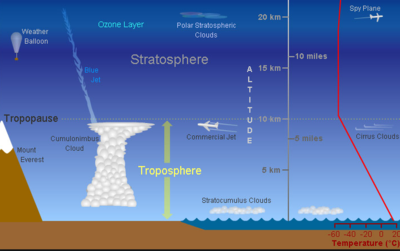
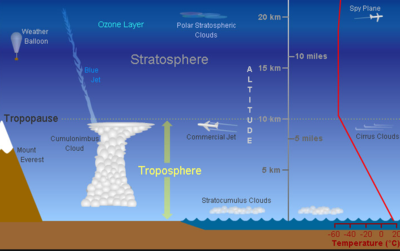
1What is a characteristic of the troposphere?
- AIt contains all the moisture of the atmosphere
- BThere is an overall decrease of temperature with an increase of altitude
- CThe average altitude of the top of the troposphere is about 6 miles
2What is the primary cause of all changes in the Earth's weather?
- AVariations of solar energy at the Earth's surface
- BChanges in air pressure over the Earth's surface
- CMovement of air masses from moist areas to dry areas
3What characterizes a ground-based inversion?
- AConvection currents at the surface
- BCold temperatures
- CPoor visibility
4What feature is associated with a temperature inversion?
- AA stable layer of air
- BAn unstable layer of air
- CAir mass thunderstorms
5When does minimum temperature normally occur during a 24-hour period?
- AAfter sunrise
- BAbout 1 hour before sunrise
- CAt midnight
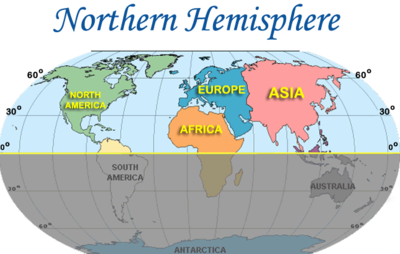
6Which area or areas of the Northern Hemisphere experience a generally east to west movement of weather systems?
- AArtic only
- BArtic and subtropical
- CSubtropical only
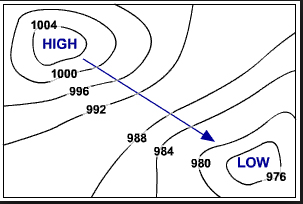
7At lower levels of the atmosphere, friction causes the wind to flow across isobars into a low because the friction:
- ADecreases windspeed and Coriolis force
- BDecreases pressure gradient force
- CCreates air turbulence and raises atmospheric pressure
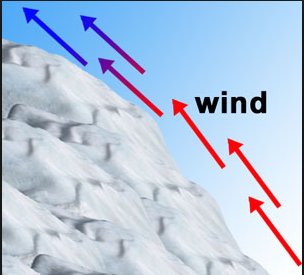
8Which type wind flows down slope becoming warmer and dryer?
- ALand breeze
- BValley wind
- CKatabatic wind
9What is a feature of air movement in a high pressure area?
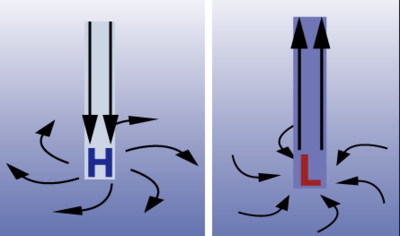
- AAscending from the surface high to lower pressure at higher altitudes
- BDescending to the surface and then outward
- CMoving outward from the high at high altitudes and into the high at the surface
10Where is the usual location of a thermal low?
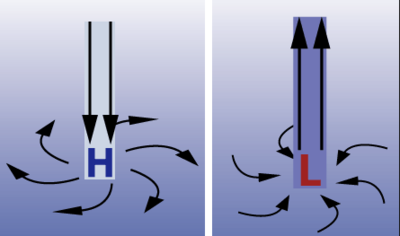
- AOver the artic region
- BOver the eye of a hurricane
- COver the surface of a dry, sunny region
11Freezing rain encountered during a climb is normally evidence that:
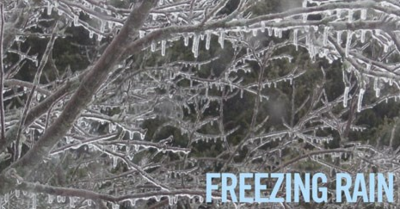
- AA climb can be made to a higher altitude without encountering more than light icing
- BA layer of warmer air exists above
- CIce pellets at higher altitudes have changed to rain in the warmer air below
12What temperature condition is indicated if precipitation in the form of wet snow occurs during flight?
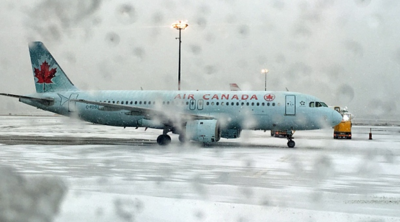
- AThe temperature is above freezing at flight altitude
- BThe temperature is above freezing at higher altitudes
- CThere is an inversion with colder air below
13What term describes an elongated area of low pressure?
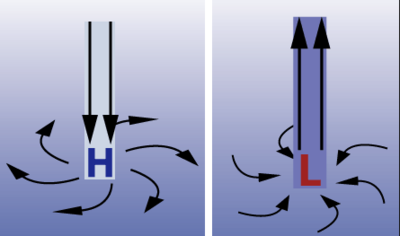
- ATrough
- BRidge
- CHurricane or typhon
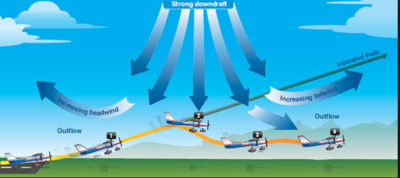
14What is an important characteristic of wind shear?
- AIt is primarily associated with the lateral vortices generated by thunderstorms
- BIt usually exist only in the vicinity of thunderstorms, but may be found near a strong temperature inversion
- CIt may be associated with either a wind shift or a wind speed gradient at any level in the atmosphere
15What information from the control tower is indicated by the following transmission?
"SOUTH BOUNDARY WIND ONE SIX ZERO AT TWO FIVE, WEST BOUNDARY WIND TWO FOUR ZERO AT THREE FIVE"
- AA downburst is located at the center of the airport
- BWake turbulence exists on the west side of the active runway
- CThere is a possibility of wind shear over or near the airport
16Where is a common location for an inversion?

- AAt the tropopause
- BIn the stratosphere
- CAt the base of cumulus clouds
17What condition produces the most frequent type of ground or surface based temperature inversion?

- AThe movement of colder air under warm air or the movement of warm air over cold air
- BWidespread sinking of air within a thick layer aloft resulting in heating by compression
- CTerrestrial radiation on a clear, relatively calm night
18Which term applies when the temperature of the air changes by compression or expansion with no heat added or removed?

- AKatabatic
- BAdvection
- CAdiabatic
19What is the approximate rate unsaturated air will cool flowing upslope?

- A3 degrees per 1,000 feet
- B2 degrees per 1,000 feet
- C4 degrees per 1,000 feet
20Isobars on a surface weather chart represent lines of equal pressure:

- AAt the surface
- BReduced to sea level
- CAt a given atmospheric pressure altitude
21At which location does Coriolis force have the least effect on wind direction?

- AAt the poles
- BMiddle latitudes
- CAt the equator
22How does Coriolis force affect wind direction in the Southern Hemisphere?

- ACauses clockwise rotation around a low
- BCauses wind to flow out of a low toward a high
- CHas exactly the same effect as in the Northern Hemisphere
23Which conditions result in the formation of frost?

- AThe temperature of the collecting surface is at or below freezing and small droplets of moisture are falling
- BDew collects on the surface and then freezes because the surface temperature is lower than the air temperature
- CTemperature of the collecting surface is below the dewpoint and the dewpoint is also below freezing
24When will frost most likely form on aircraft surfaces?
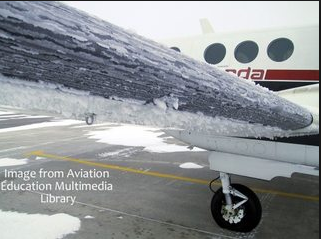
- AOn clear nights with stable air and light winds
- BOn overcast nights with freezing drizzle precipitation
- COn clear night with convective action and a small temperature / dewpoint spread
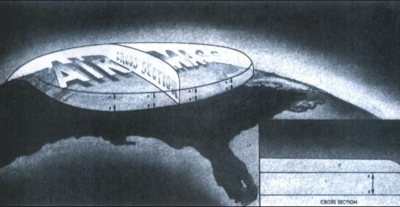
25What is indicated about an air mass if the temperature remains unchanged or decreases slightly as altitude is increase?
- AThe air is unstable
- BA temperature inversion exists
- CThe air is stable
26Which process causes adiabatic cooling?

- AExpansion of air as it raises
- BMovement of air over a colder surface
- CRelease of latent heat during the vaporization process
27When saturated air moves downhill, its temperature increases:

- AAt a faster than dry air because of the release of latent heat
- BAt a slower rate than dry air because vaporization uses heat
- CAt a slower rate than dry air because condensation releases heat
28Which condition is present when a local parcel of air is stable?

- AThe parcel of air resists convection
- BThe parcel of air cannot be forced uphill
- CAs the parcel of air moves upward, its temperature becomes warmer than the surrounding air
29Convective clouds which penetrate a stratus layer can produce which threat to instrument flight?

- AFreezing rain
- BClear air turbulence
- CEmbedded thunderstorms
30Which type clouds are indicative of very strong turbulence?

- ANimbostratus
- BStanding lenticular
- CCirruscumulus
31Which event usually occurs after an aircraft passes through a front into the colder air?

- ATemperature / dewpoint spread decreases
- BWind direction shifts to the left
- CAtmospheric pressure increases
32What minimum thickness of cloud layer is indicated if precipitation is reported as light or greater intensity?

- A4,000 feet thick
- B2,000 feet thick
- CA thickness which allows the cloud tops to be higher than the freezing level
33Which condition produces weather on the lee side of a large lake?

- AWarm air flowing over a colder lake may produce fog
- BCold air flowing over a warmer lake may produce advection fog
- CWarm air flowing over a cool lake may produce rain showers
34Which weather phenomenon signals the beginning of the mature stage of a thunderstorm?
- AThe appearance of an anvil top
- BThe start of rain at the surface
- CGrowth rate of the cloud is at its maximum
35During the life cycle of a thunderstorm, which stage is characterized predominately by downdrafts?
- ACumulus
- BDissipating
- CMature
36What feature is normally associated with the cumulus stage of a thunderstrom?
- ABeginning of rain at the surface
- BFrequent lightning
- CContinuous updraft
37What is indicated by the term "embedded thunderstorm?
- ASevere thunderstorms are embedded in a squall line
- BThunderstorms are predicted to develop in a stable air mass
- CThunderstorms are obscured by other types of clouds
38Where do squall lines most often develop?
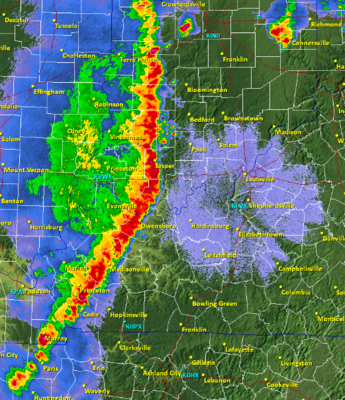
- AIn an occluted front
- BAhead of a cold front
- CBehind a stationary front
39Where can the maximum hazard zone caused by wind shear associated with a thunderstorm be found?
- AIn front of the thunderstorm cell (anvil side) and on the southwest side of the cell
- BAhead of the roll cloud or gust front and directly under the anvil cloud
- COn all sides and directly under the thunderstorm cell
40Atmospheric pressure changes due to a thunderstorm will be at the lowest value:
- ADuring the downdraft and heavy rain showers
- BWhen the thunderstorm is approaching
- CImmediately after the rain showers have stopped
41Why are downdrafts in a mature thunderstorm hazardous?
- ADowndrafts are kept cool by cold rain which tends to accelerate the downward velocity
- BDowndrafts converge toward a central location under the storm after striking the surface
- CDowndrafts become warmer than the surrounding air and reverse into an updraft before reaching the surace
42When advection fog has developed, what may tend to dissipate or lift the fog into low stratus clouds?

- ATemperature inversion
- BWind stronger than 15 knots
- CSurface radiation
43How are haze layers cleared or dispersed?
- ABy convective mixing in cool night air
- BBy wind or the movement of air
- CBy evaporation similar to the clearing of fog
44Which type cloud is associated with violent turbulence and a tendency toward the production of funnel clouds?
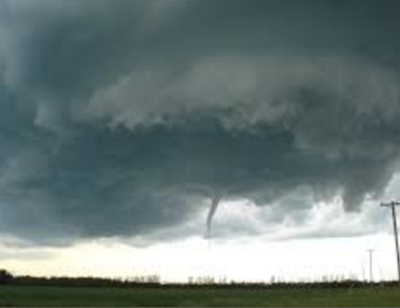
- ACumulonimbus mamma
- BStanding lenticular
- CStratocumulus
45When flying over the top of a severe thunderstorm, the cloud should be overflown by at least:
- A1,000 feet for each 10 knots windspeed
- B2,500 feet
- C500 feet above any moderate to a severe turbulence layer
46Which weather condition is an example of a nonfrontal instability band?
- ASquall line
- BAdvective fog
- CFrontogenesis
47Under what conditions would clear air turbulence (CAT) most likely be encountered?
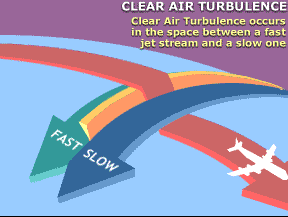
- AWhen constant pressure charts show 20-knot isotachs less than 60 NM apart
- BWhen constant pressure charts show 60-knot isotachs less than 20 NM apart
- CWhen a sharp trough is moving at a speed less than 20 knots
48In comparison to an approach in a moderate headwind, which is an indication of a possible wind shear due to a decreasing headwind when descending on the glide slope?
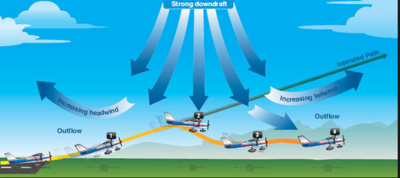
- ALess power is required
- BHigher pitch attitude is required
- CLower descent rate is required
49What condition is necessary for the formation of structural icing in flight?
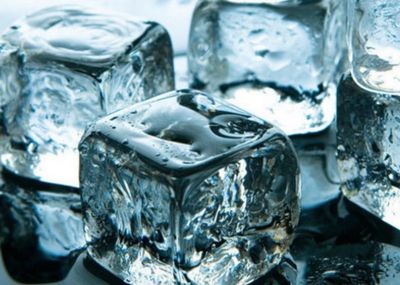
- ASupercooled water drops
- BWater vapor
- CVisible water
50Which type precipitation is an indication that supercooled water is present?
- AWet snow
- BFreezing rain
- CIce pellets
Información
- Descripción
- ATP STUDY WORK
- Autor
- Jose Brid
- Idioma
- English
- Visitas
- 103
- Etiquetas
- Valoración
- Aún sin valoraciones Valora este test