
Diagrama de flujo
1. Signals Introduction Part 1
Contenido del diagrama
Signals Basics
Signal
Information
Created when a value changes with time
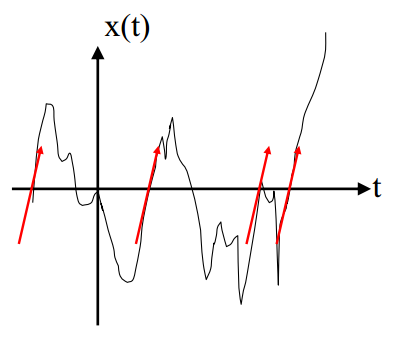
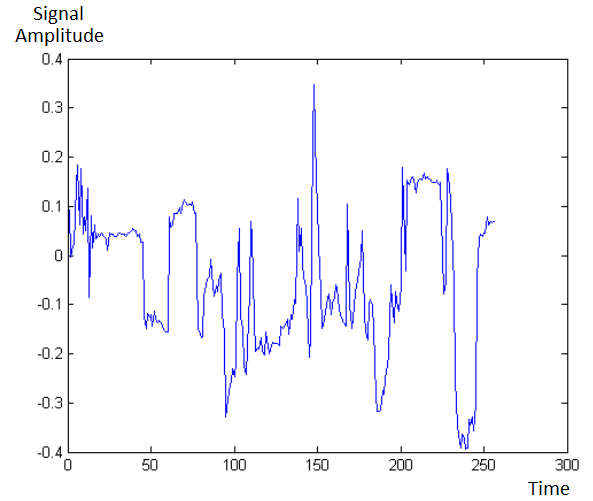
Created when a signal changes in an unpredictable way
Side Notes
An electrical/electronic circuit is some sort of signal processor
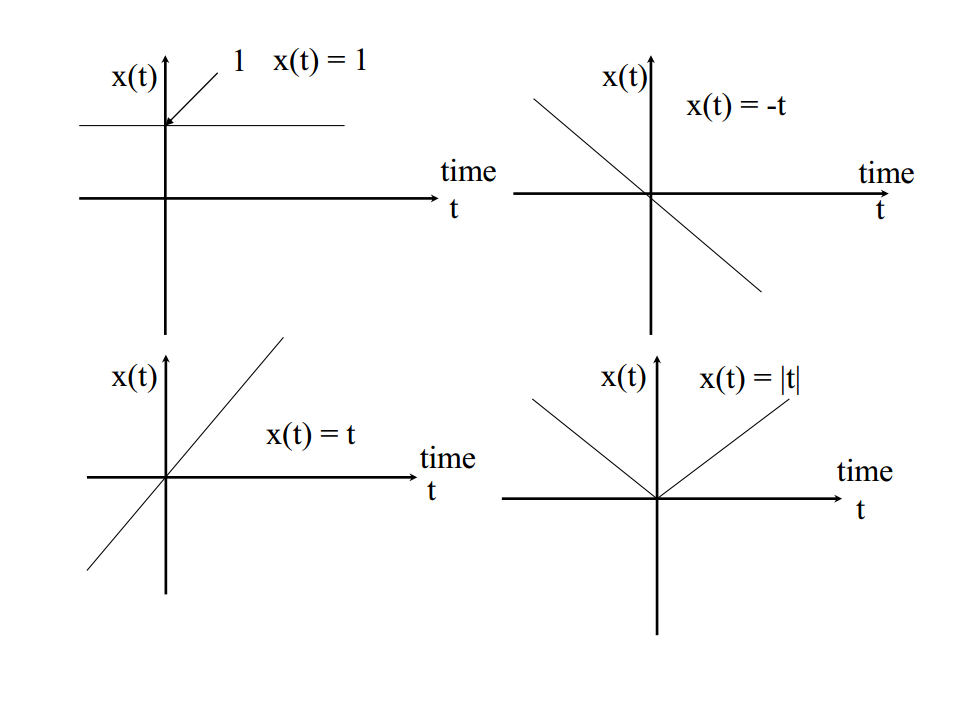
Any value that changes as a function of time
A switch can create a signal
The Unit Step can represent this simple signal
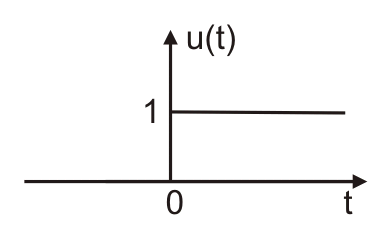
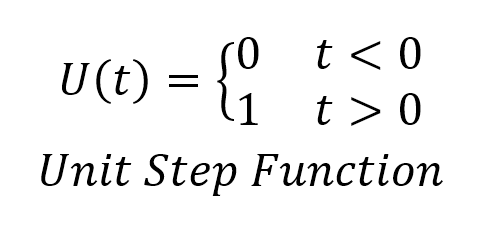
There's an infinite number of signals
Some aspects of signals - can be used to classify them
Amplitude
Mean value (might be zero)
Root mean square value (will not be zero)
Number of zero crossings per unit time
Related to frequency
Important
Electronic devices take an input signal and change it in some way
Examples:
Amplification
Rectification
Filtering
Fundamental Signal Classifications
Continuous Signal
Has a value at every point in time
Discrete Time Signal
Has a value at distinct points in time
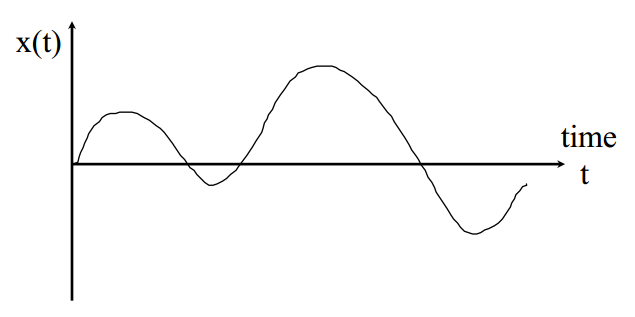
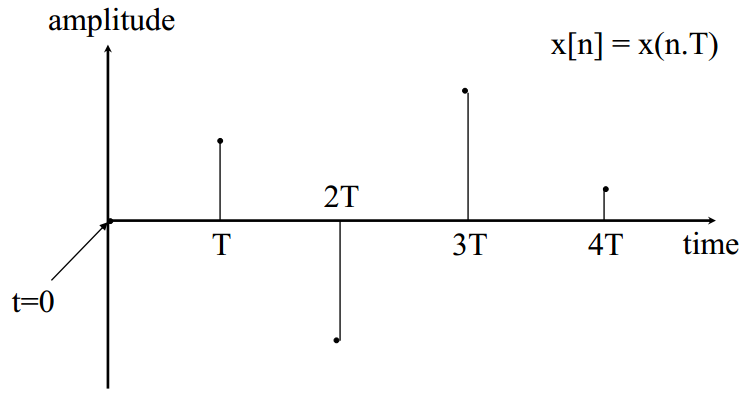
T is the time between the signal values (not the time period) in this case
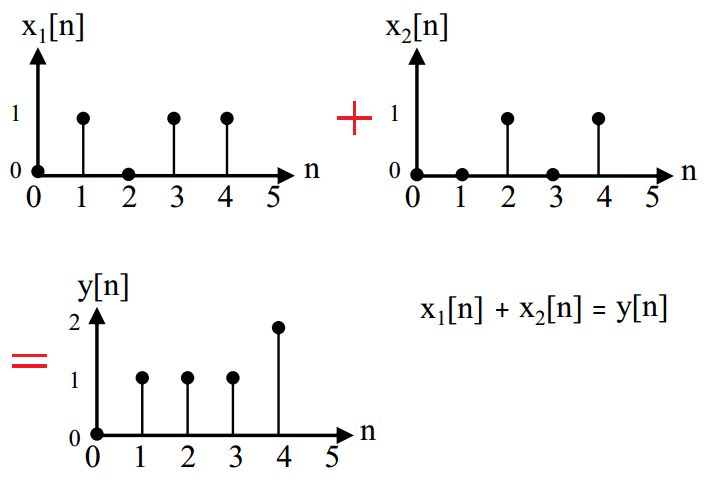
Signals can be created by summing other signals
Simple signals, such as sine waves, are added to create more complicated wave-forms - information signals (maybe)
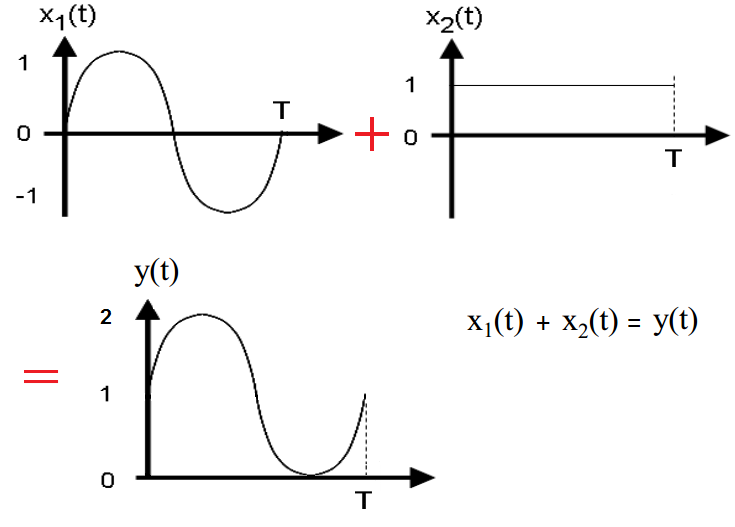
Adding continuous signals
Adding discrete time signals
Periodic
Random
Non-periodic, Not Random
Values are repeated at regular intervals (periods)
Random value (can't be determined) at any point in time
Values are not repeated periodically and are not random
T = Period
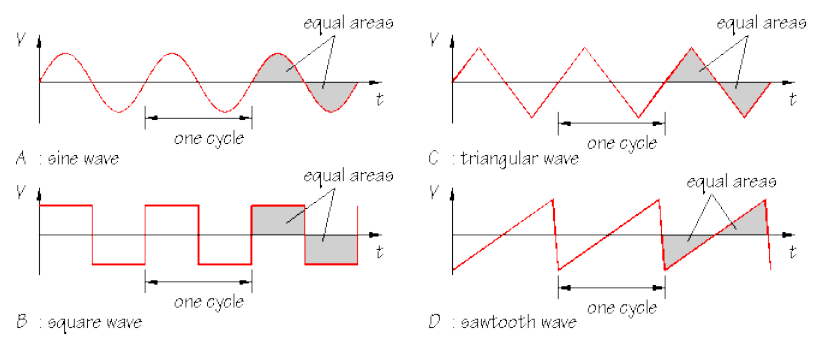
Continuous Signals
Random Signal
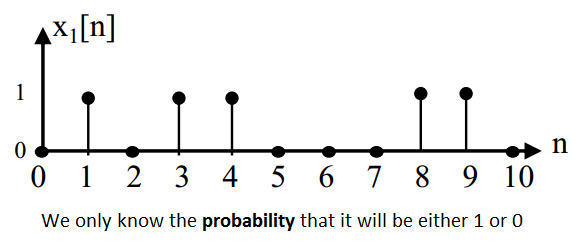
Discrete Random Signals
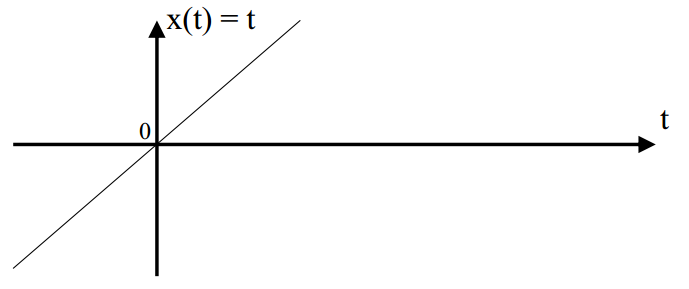
Non-Periodic, Not Random Signal
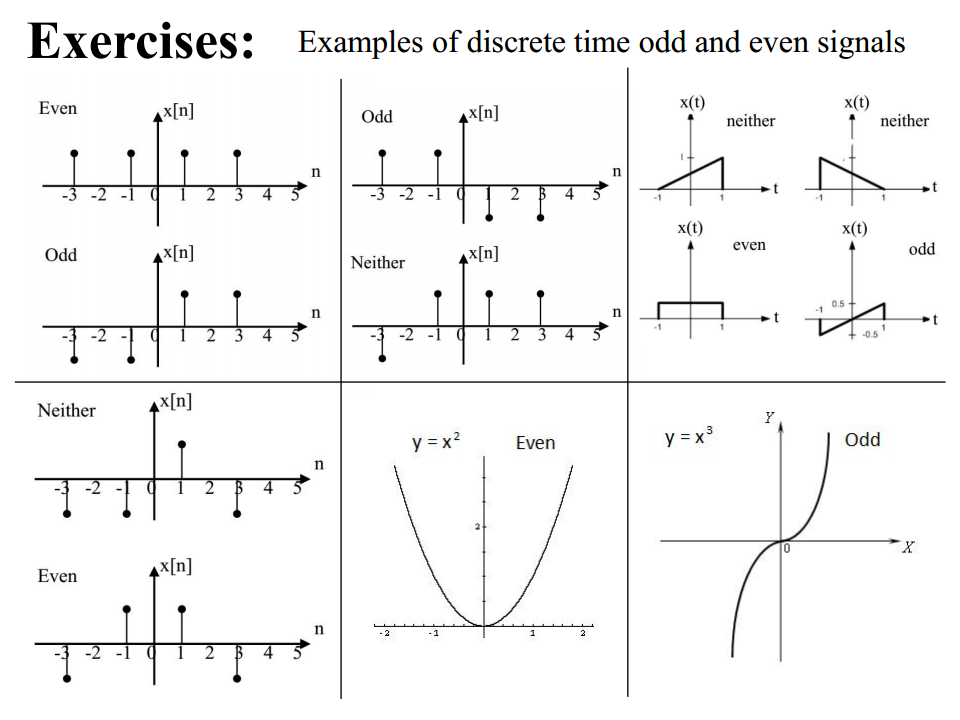
Odd
Even
x(t) = x(-t)
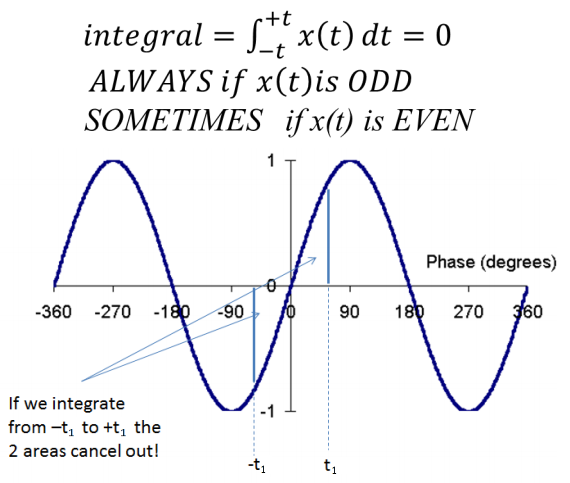
x(t) = -x(-t)
Symmetric
Anti-symmetric
(Cosine Wave)
(Sine Wave)
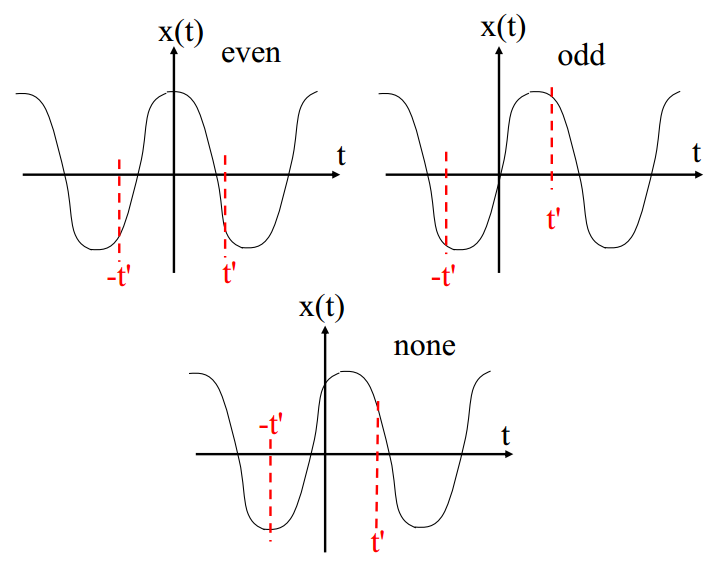
Signal Symmetry
Product Rule
ODD . ODD = EVEN
EVEN . EVEN = EVEN
EVEN . ODD = ODD
ODD . EVEN = ODD
Información
- Descripción
- Basics of signals and classifications of signals
- Creado por
- Savan L
- Visitas
- 53
- Etiquetas
- Valoración