
Fichas
SS review Bryce Melton
Fichas del conjunto (68)
- 1The five themes of geography (movement, region, human-environment interaction, location, place)Mr. Help
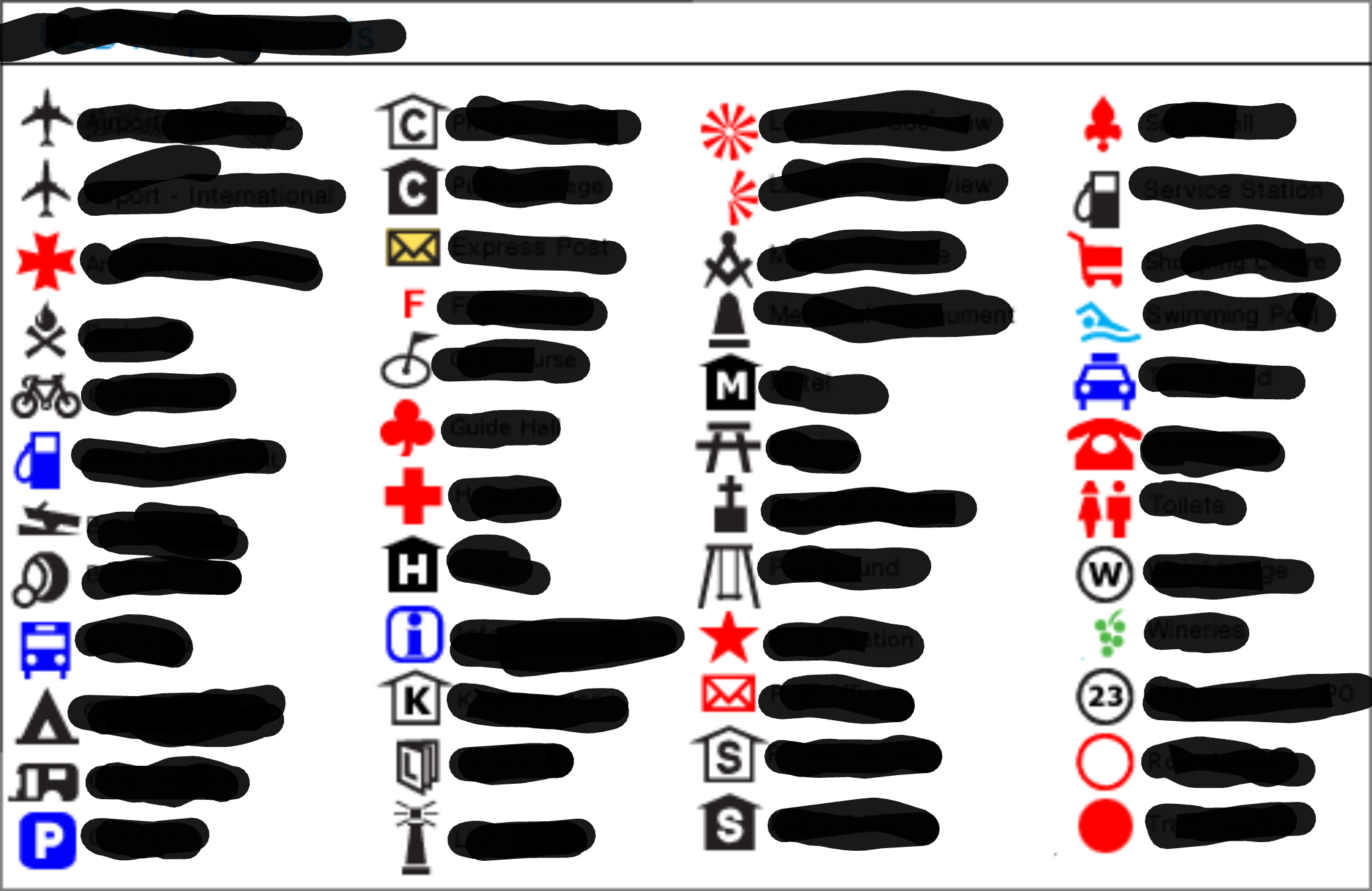
- 2Characters, letters, or graphics on a map that represent an object in the real world.Symbol
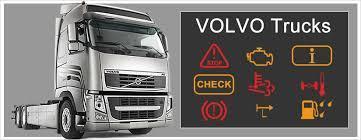
- 3A visual explanation of the symbols used on the mapLegend or Key
- 4A word or short phrase to describe something on a mapLabels

- 5A tool used to display the orientation of the cardinal directions (north, east, south, and west).Compass

- 6Horizontal mapping lines on a map.Latitude
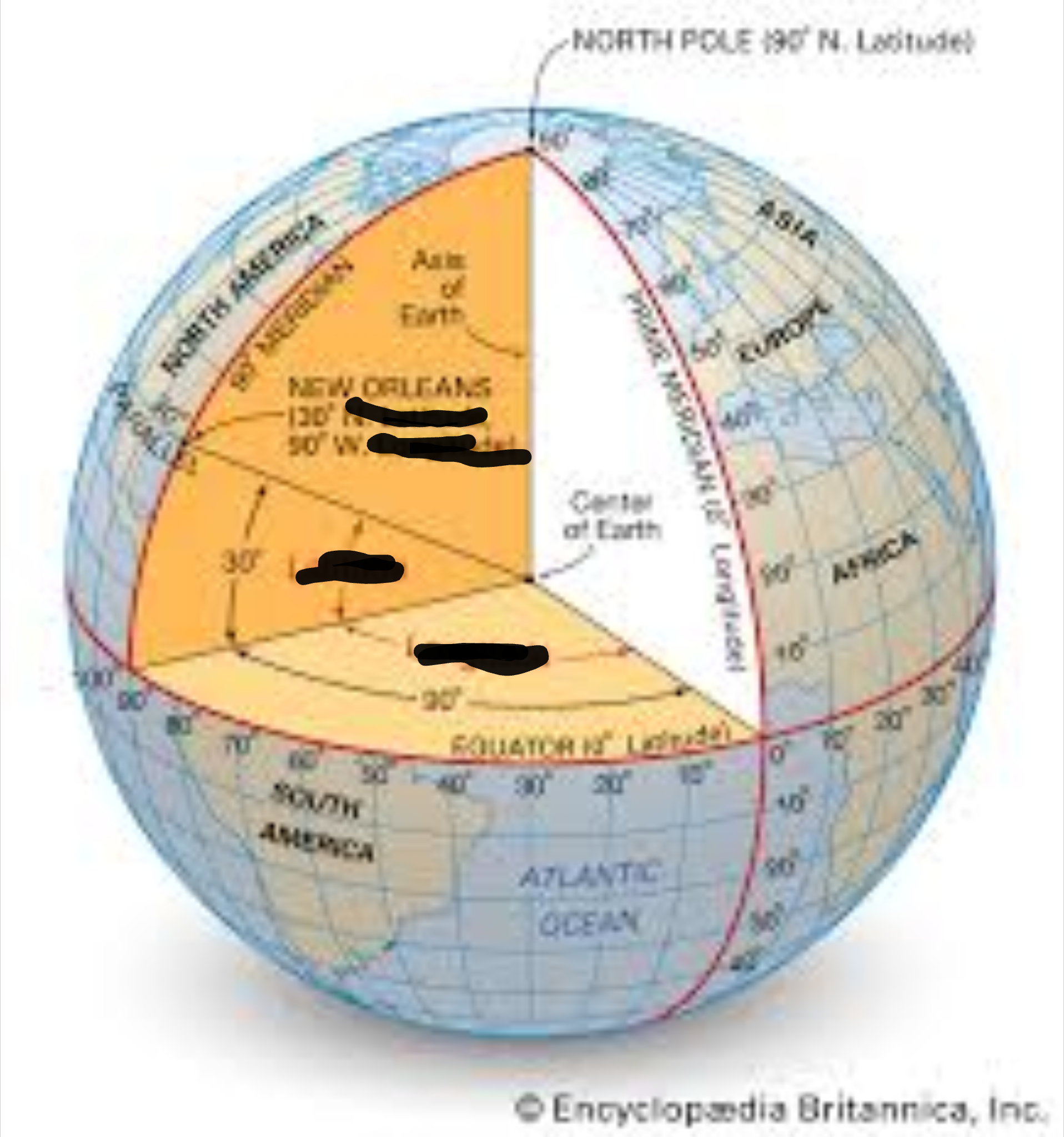
- 7Vertical mapping lines on a map.Longitude
- 8A clearly visible part of the map that explains the information you will find. It will also tell the location and purpose.Title

- 9is the study of the earth, its land, its people, and its environments.Geography

- 10A object made by a human being.Artifact

- 11Different kinds of records and artifacts based on first person accounts.Primary Source

- 12Things or information created by using original sources for information.Secondary Source
- 13Surviving by hunting wild animals, fishing, and gathering wild fruits, berries, nuts, and vegetables.Hunting-gathering
- 14Something that is found in nature and can be used by people. Some examples include light, air, water, plants, animals, and soilNatural Resources
- 15A way of life with no permanent home. These people were wandering from place to place for resources.Nomadic

- 16To move from one region into another.Migration
- 17Early phase of the Stone Age which continued until about 8000 B.C. Hunting and gathering was the way of lifePaleolithic
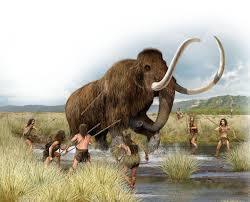
- 18Humans stopped being hunter gatherers and settled down to create crops, tame animals and improve tools. This time was the last part of the Stone age.Neolithic
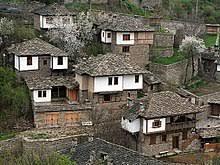
- 19How society organizes and grows into a more advanced way of life. Cities Government Religions Social Structure WritingCivilization
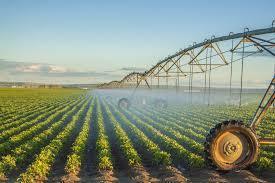
- 20A system used to supply water to land or crops to help them grow.Irrigation
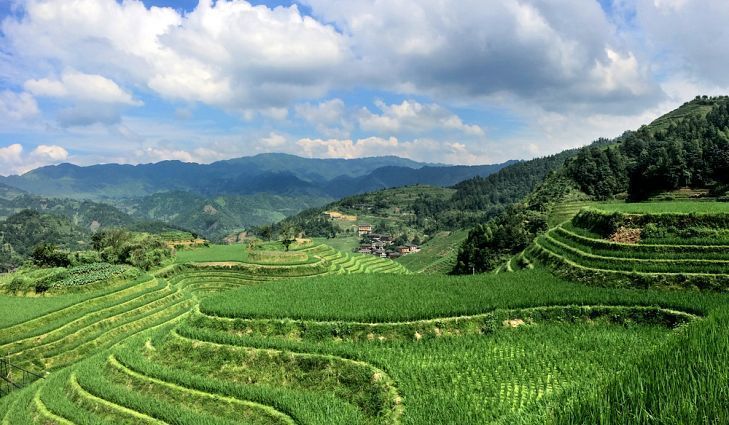
- 21Cutting flat areas out of a hilly or mountainous landscape in order to grow crops.Terracing
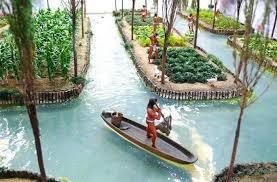
- 22Method of farming that used small, rectangular islands that were created on lakes to grow crops.Chinampa
- 23A type of small independent country.City-State
- 24Places where communities first began to grow around rivers.Cradle of Civilization
- 25A type of picture writing on clay tablets that was used for information and records.Cuneiform
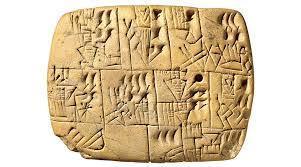
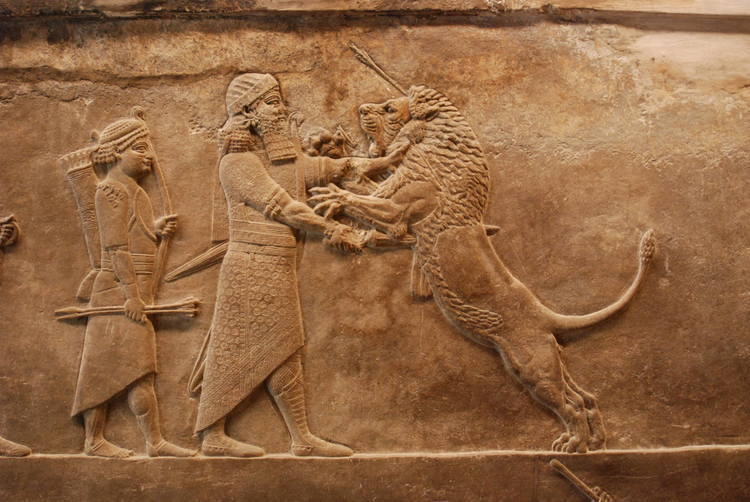
- 26A Greek word meaning 'between the rivers'. The rivers are the Tigris and Euphrates which flow through modern IraqMesopotamia
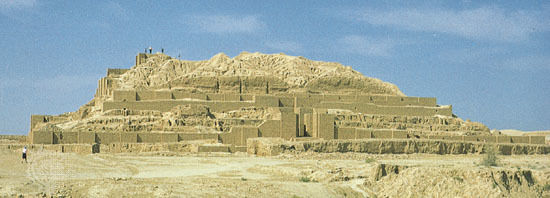
- 27A stone temple where early people thought Gods lived.Ziggurat
- 28An area known as the first "Cradle of Civilization". It curves like a quarter-moon shape. The soil was perfect for growing crops because it was near the river.Fertile Crescent
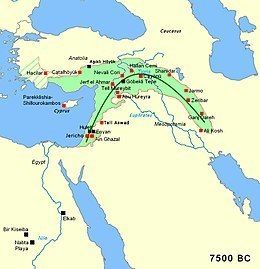
- 29Able to help something growFertile
- 30An African river that is known to be the longest in the world.nile river
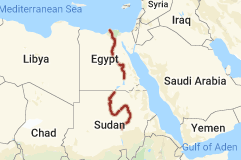
- 31A civilization growing near the river.River Valley Civilization
- 32Fine pieces of earth, clay, or sand that eventually settle out of water.Silt
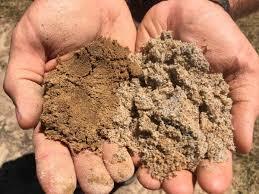
- 33A triangle of sand and soil at the mouth of some large rivers.Delta
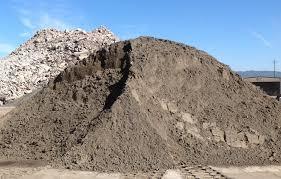
- 34A body of water made by humans for boat transportation or for bringing water to crops.Canals
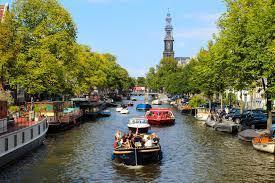
- 35A government ruled by a monarch such as a king or queen.Monarchy
- 36A government ruled by a priest.Theocracy
- 37A small group of people are in charge of the government.Oligarchy
- 38A government where one person has all of the power.Autocracy
- 39A society where no one is in charge and there is complete freedom.Anarchy
- 40People decide on laws without someone to represent them.Direct democracy
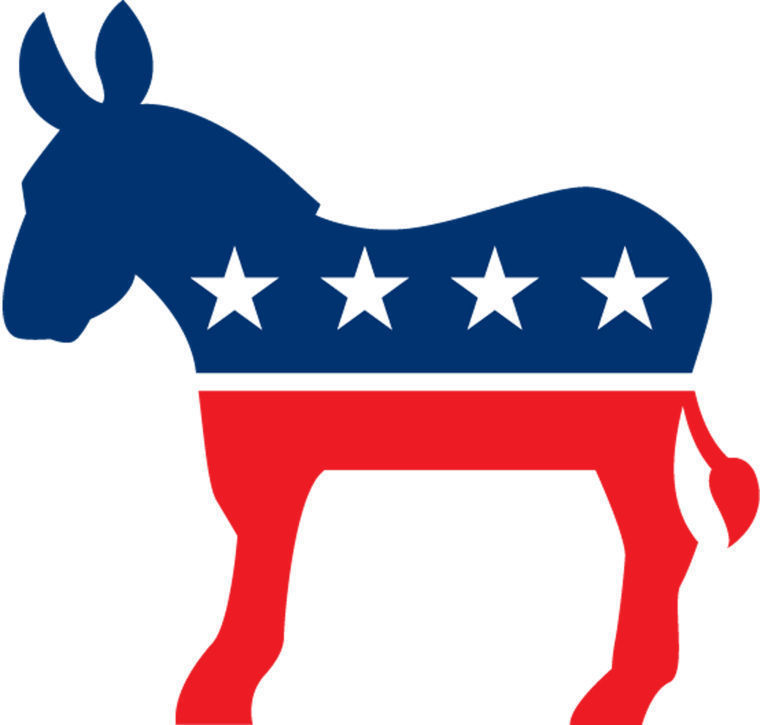
- 41System of government in which the people control the government through officials they have elected. Most democracies are set up this way.Indirect democracy (republic)
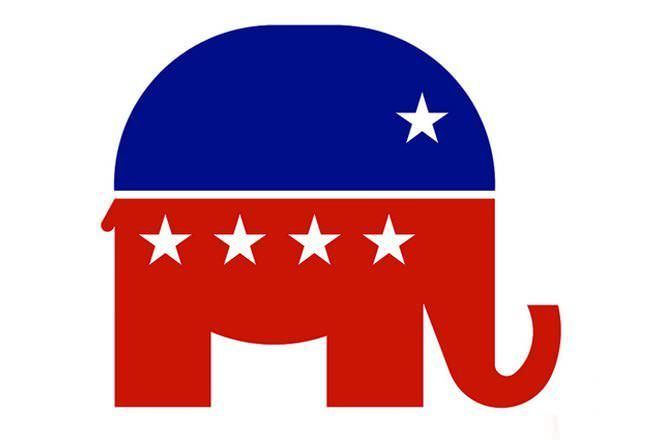
- 42A government that is setup with a single leader who has complete control over all decisionsDictatorship

- 43Tribes have the power to govern themselves.Tribal Government
- 44A system or organization in which people or groups are placed in order based on status or importance.Hierarchy
- 45Placing something into order by groupsStratification

- 46One of the first written records of a code of law by the Babylonians. There were 282 laws that explained the rules and consequences if they were not followedHammurabi’s Code

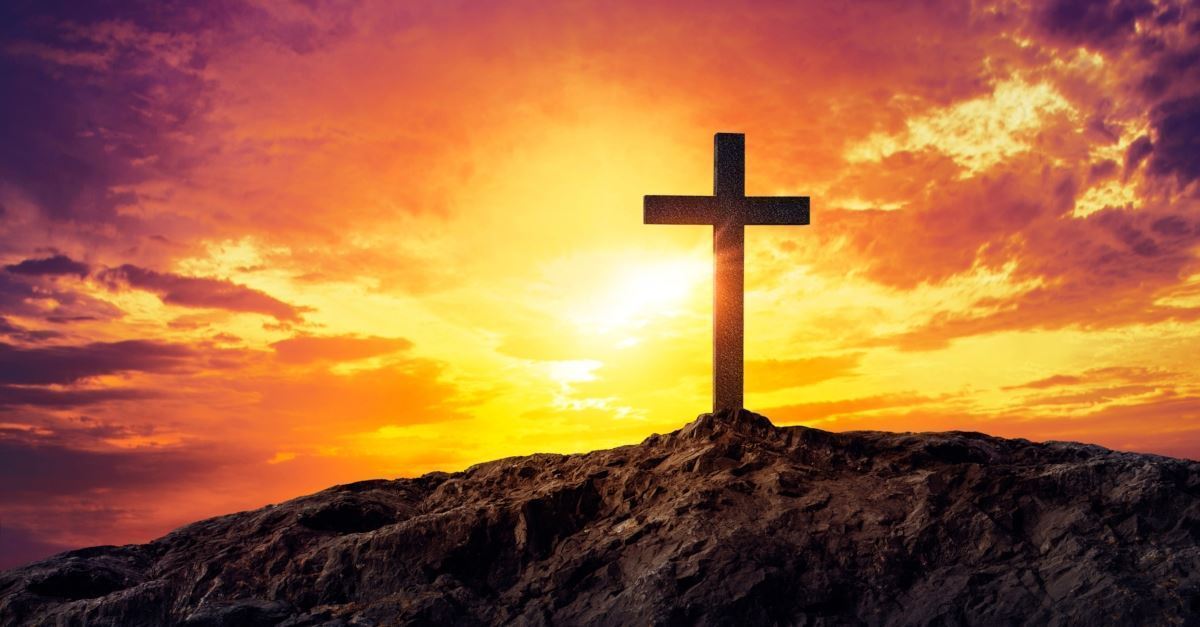
- 47The belief in one God.Monotheistic
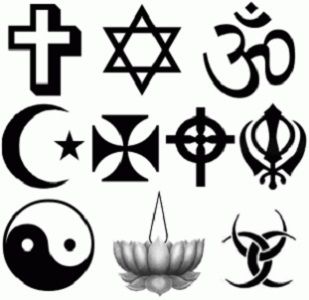
- 48The belief of many Gods.Polytheistic
- 49A person belonging to a class of people with a high rank or titleNoble
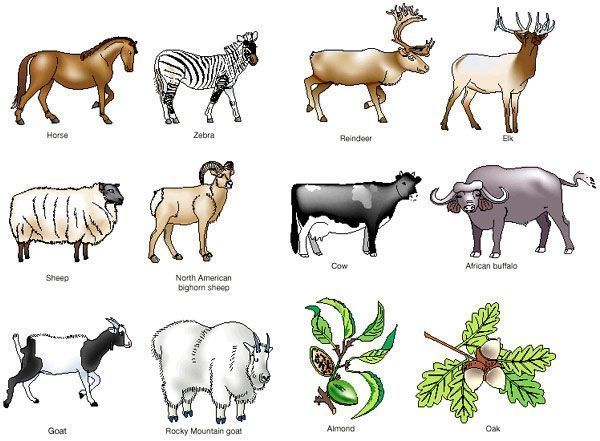
- 50To tame or train a plant or animal.Domestication
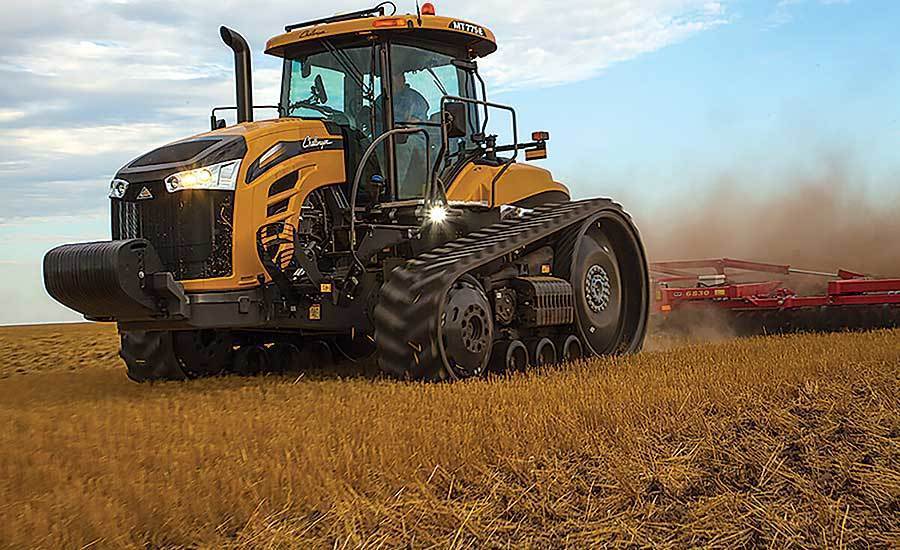
- 51The science and work of raising crops and farm animals; farming.Agriculture
- 52Landforms of a place that make up its natural environment.Physical Features
- 53A system used in the United States that has an upper, middle, and lower level. Income and educationClass system

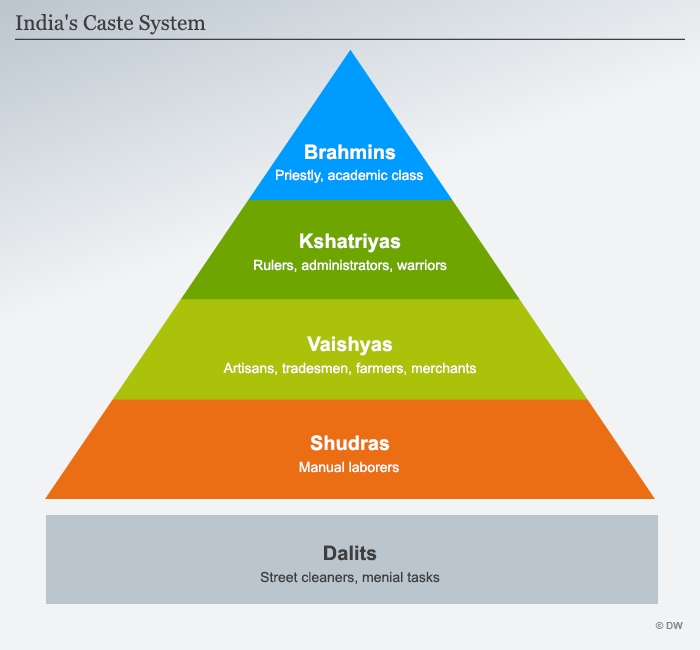
- 54A system used in Ancient India where social structure is determined by birth. There were four main statuses and one group that was not considered a part of the system (Brahmins, Kshatriyas, Vaishyas, Shudras and the Untouchables).Caste system
- 55Looking at history through the families of fathers.Patrilineal
- 56Looking at history through the families of mothers.Matrilineal
- 57One of the world’s oldest religions that started in the Indus Valley. This belief system focuses on dharma (doing respectable things), kharma (the law of cause and effect), and samsara (the cycle of reincarnation).Hinduism
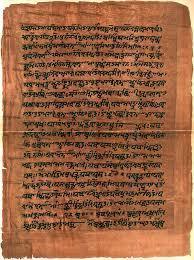
- 58The most ancient Hindu scriptures that were written in Sanskrit. It is similar to the BibleVedas
- 59The belief that after you die, you return to earth again as a human or an animal. To stop repeating the cycle, you must be free from all negative desires.Reincarnation
- 60Developed by Buddha (Siddhartha Gautam). Teaches people how to end their suffering by cutting out greed, hatred and ignorance.Buddhism
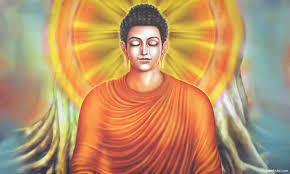
- 61Some of Buddha’s teachings that explain suffering in life and how to find solutions.Four Noble Truths
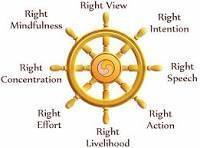
- 62Is also known as the Middle Path or Middle Way in Buddhism. It is the path to achieve spiritual enlightenment in order to solve any type of suffering. It requires a person to always do, say and think the correct things.Eightfold Path
- 63The principle that one's actions determine one's future in this life.Karma

- 64The process of reincarnation which is the endless cycle of every soul's birth, death, and rebirth.Samsara
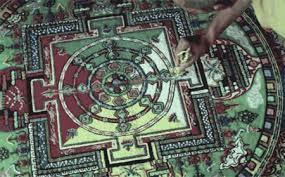
- 65This happens after Enlightenment. It is a state of complete harmony, peace, or joy in both thoughts and actions. Followers work their whole life to achieve this experience or state or mind.Nirvana
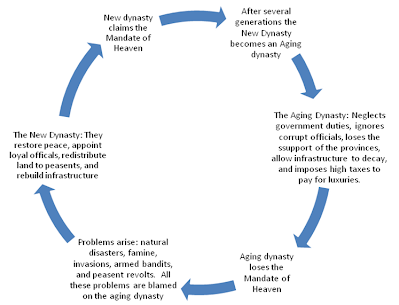
- 66A family of rulers whose right to rule is passed on within the family.Dynasty

- 67The idea that there could be only one legitimate ruler of China at a time and that this ruler had the blessing of the gods.Mandate of Heaven
- 68The cycle in Ancient China when a new family, given the Mandate of Heaven, takes charge to unite everyone. Eventually the community begins to have several problems and a new family takes charge.Dynastic Cycle
Información
- Descripción
- 5 themes of geographey
- Creado por
- Bryce Melton · sep 2019
- Actualizado
- 20 dic 2019
- Visitas
- 38
- Etiquetas
- Valoración