
23374348
Descripción

Fichas por Cielo Ortega Alemán , actualizado hace más de 1 año

|
Creado por Cielo Ortega Alemán
hace más de 6 años
|
|
| Pregunta | Respuesta |
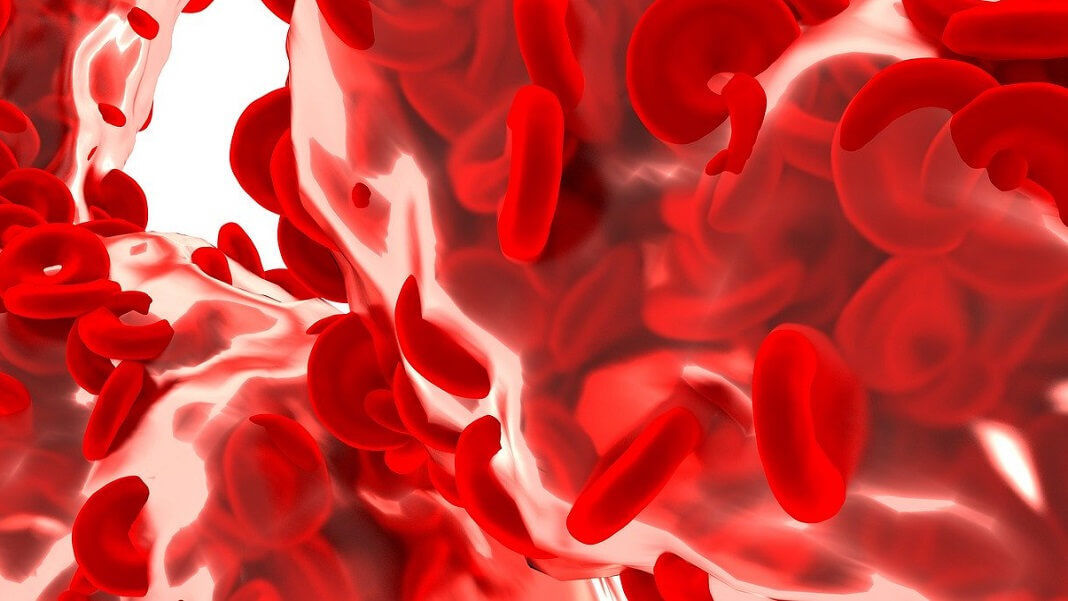
| Blood | The red liquid that circulates in the arteries and veins of humans and other vertebrate animals, carrying oxygen to and carbon dioxide from the tissues of the body. |
| Nutrients | A substance that provides nourishment essential for growth and the maintenance of life. |
| Oxygen | A colorless, odorless reactive gas, the chemical element of atomic number 8 and the life-supporting component of the air. |
| Hormones | A chemical substance produced in the body that controls and regulates the activity of certain cells or organs. Many hormones are secreted by special glands, such as thyroid hormone produced by the thyroid gland. |
|
Break down
Image:
2 (binary/octet-stream)
|
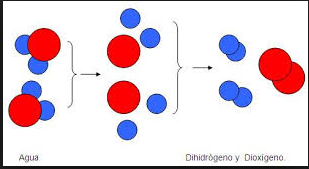
1.undergo chemical decomposition. "waste products that break down into low-level toxic materials" 2.the process by which nutrients pass through the walls of the digestive system into the blood |
| Remove waste | in your body, the excretory system helps to keep salts and urea from building up to dangerous levels and becoming toxic. |
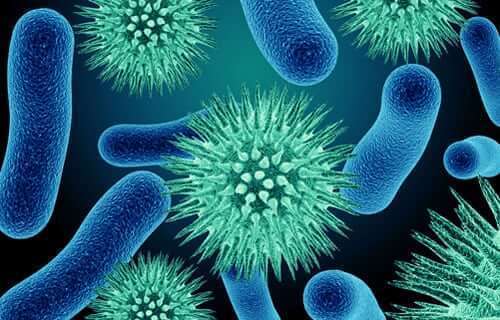
| Pathogens | A bacterium, virus, or other microorganism that can cause disease. |
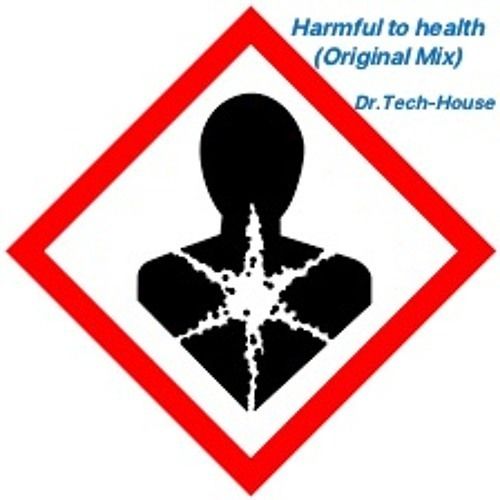
| Harmful | causing or likely to cause harm. |
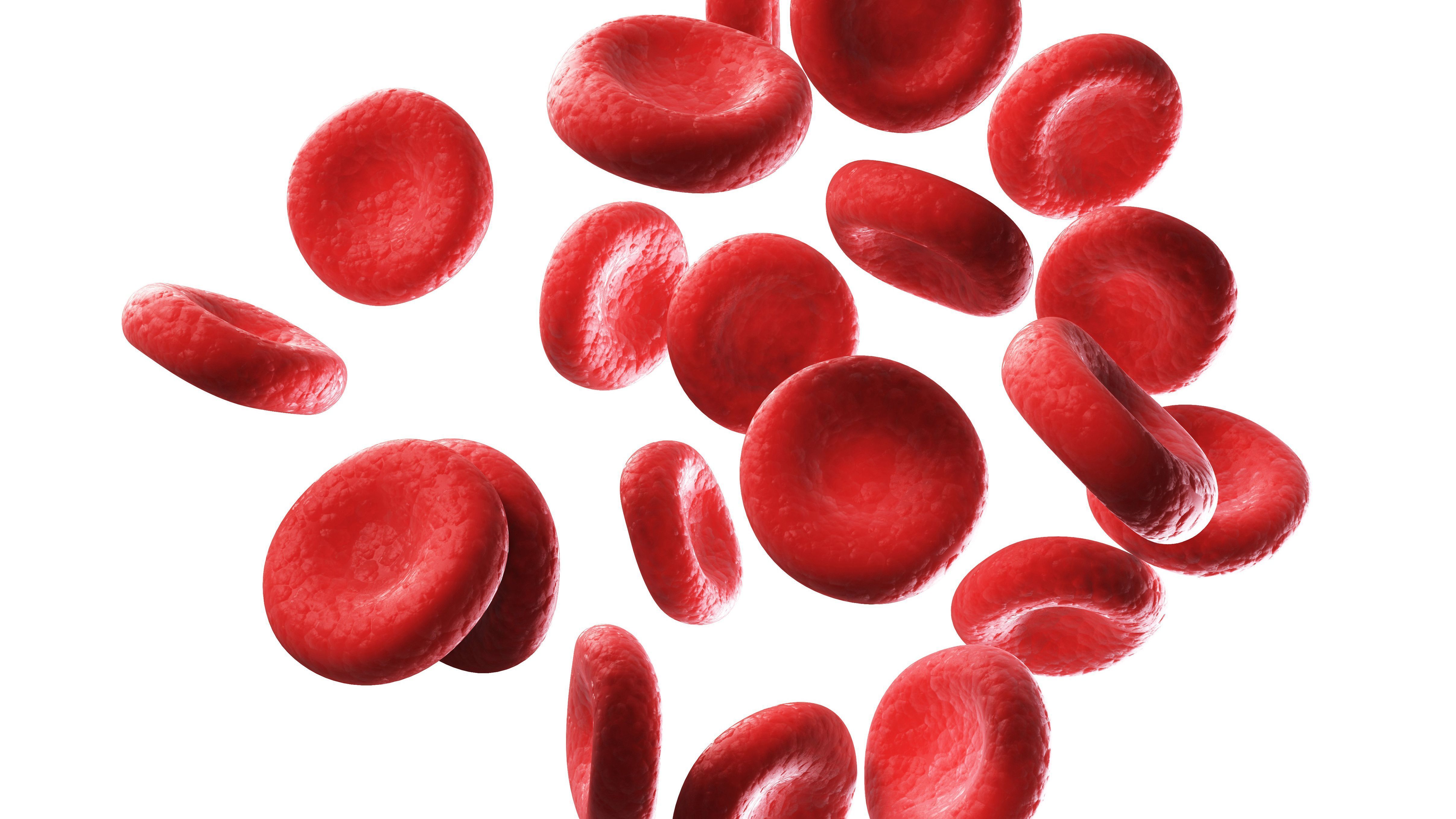
| Blood cells | any of the kinds of cells normally found circulating in the blood. |
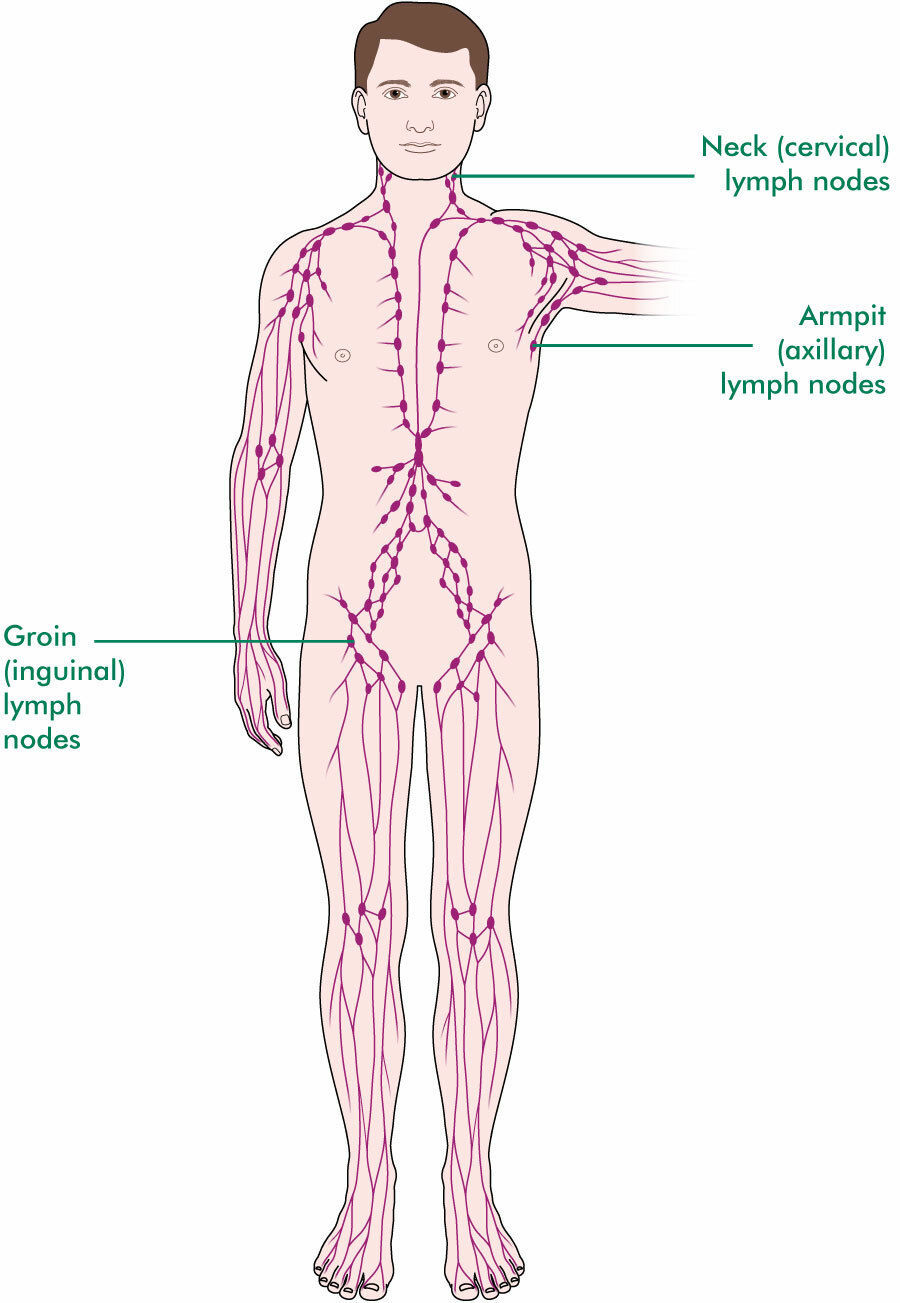
| Lymph | a colorless fluid containing white blood cells, which bathes the tissues and drains through the lymphatic system into the bloodstream. |



¿Quieres crear tus propias Fichas gratiscon GoConqr? Más información.