
3368434


| Pregunta | Respuesta |
| Parliament | the British legislature |
| legislature | group of people that makes laws |
| Precedent | a ruling that is used as the basis for a judicial decision in a later, similar case |
| Common Law | system of law based on precedent and customs |
| Compact | an agreement, or contract, among a group of people |
| town meeting | gathering of local citizens to discuss and vote on important issuses |
| Mercantilism | theory that a country should sell more goods to other countries than it buys |
| boycott | refusal to purchase certain goods |
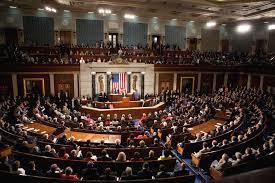
| congress | formal meeting at which representatives discuss matters of common concern |
| independence | self reliance and freedom from outside control |
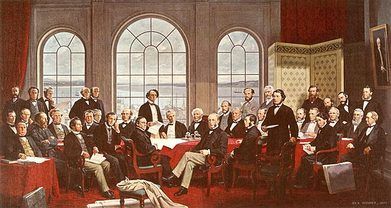
| confederation | group of individuals or states that band together for a common purpose |
| Magna Carta | great charter signed in 1215 by King John; limited power of the monarch and recognized rights of the nobles |
| Glorious Revolution | 1688 the peaceful transfer of power in history of England. Parliament removed King James II from throne and invited his daughter Mary and her husband William to rule instead |
| English Bill Of Rights | in English history guaranteed free elections, the right to a fair trail, and made cruel and unusual punishment illegal |
| natural rights | rights you were born with-life liberty, and property |
| Social Contract | agreement between the people and the government; People agree to give up part of their freedom to govt. in exchange for protection of natural rights. |
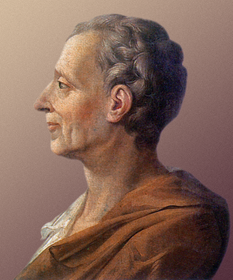
| Baron de Montesquieu | philosopher who came up with the seperation of powers. |
| Enlightenment | during the 1700's and 1800's movement that spread the idea that reason and science could improve society |
| Mayflower Compact | document signed by passengers of mayflower, created a direct democracy in the New World; also represents idea of social contract |
| House of Burgesses | bicameral legislature in Jamestown, Virginia, also was the first representative democracy of the new world |
| proprietary colony | colony owned by and ruled by a person who controlled the land and govt |
| royal colony | colony owned by and ruled directly by the king |
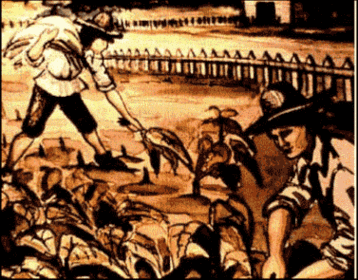
| indentured slave | |
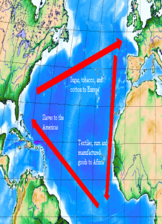
| triangular trade | trade between Europe, Africa and the Americas, slaves from Africa were transported to america |
| Middle Passage | journey across the Atlantic Ocean made by slave ships. |
| Salutary Neglect | sometimes called healthy or useful neglect meant England did not strictly enforce its laws in the colonies |
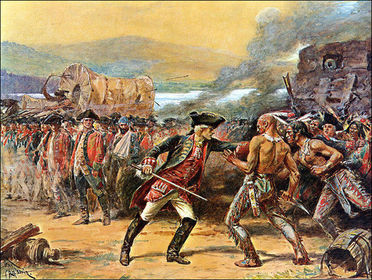
| French Indian War | (Seven Years War) between France and England, because of war debt England began to tax the colonies. |
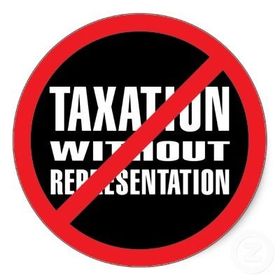
| no taxation without representation | slogan that summed up the colonies anger over taxes and the fact the colonies were not allowed to representatives to parliament. |
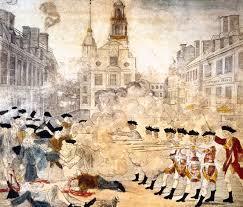
| Boston Massacre | March 5 1770 British soldiers opened fire on a crowd killing 5 American colonists, event fueled the Americans hatred for the british |
| Stamp Act | tax on printed materials such as legal documents, mail, newspaper etc. |
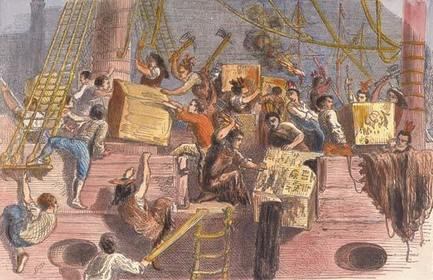
| Boston Tea Party | colonists dressed as Indians and threw the British 90,000 pounds of tea in the Boston harbor |
| Intolerable Acts | also know as the Coercive Acts, these acts punished the Boston Colonists for the Boston tea party the Boston port was closed to trade and a new quartering act |
| Quartering Acts | part of the intolerable acts act that required colonists to house and feed British soldiers. |
| Common Sense | pamphlet written by written by Thomas Pain that was widely read in the colonies said colonies should be free and independent. |
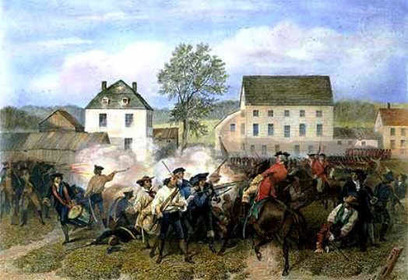
| Battle of Lexington and Concord | shot heard around the world first battle of the American Revolution |
| Second Continental Congress | meeting of colonial delegates in May 1775 a committee of 5 men were appointed to write the Declaration Of Independence |
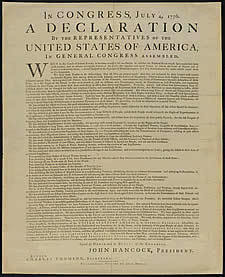
| Declaration of Independence | document addressed to King George ll of England that declared American Independence |
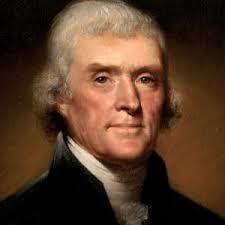
| Thomas Jefferson | chief author of the D.O.I |
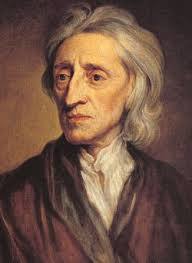
| John Locke | English philosopher whose natural rights philosophy was a BIG influence on Thomas Jefferson |
¿Quieres crear tus propias Fichas gratiscon GoConqr? Más información.